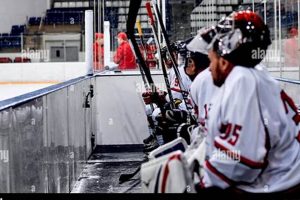
Elite secondary school ice hockey programs offer a structured environment for young athletes to develop their skills while pursuing their academic goals. These institutions provide specialized training, competitive schedules, and exposure to collegiate scouts, fostering both athletic and personal growth. For example, a student at a New England boarding school might participate in daily on-ice practices, strength and conditioning sessions, and video analysis, all while completing a rigorous academic curriculum.
Participation in such a program offers significant advantages. The comprehensive approach to development enhances an athlete’s technical abilities, tactical understanding, and physical conditioning. Furthermore, the structured environment instills discipline, time management skills, and teamwork, all valuable assets for future success. Historically, these schools have served as a crucial pathway for aspiring players to reach higher levels of the sport, including junior leagues, college programs, and even professional opportunities.
The following sections will delve into various aspects of this unique sporting environment, including the recruiting process, the academic demands placed on student-athletes, the coaching methodologies employed, and the pathways available for those seeking to advance their hockey careers.
The following guidance assists those considering or currently involved in highly competitive scholastic ice hockey. Adherence to these principles can significantly improve the likelihood of success both on and off the ice.
Tip 1: Prioritize Academic Performance: Success in the classroom is paramount. Consistently maintain a high GPA. Strong academic standing broadens collegiate opportunities and demonstrates discipline, a trait valued by recruiters.
Tip 2: Skill Development Focus: Dedicate substantial time to honing fundamental skills. Focus on skating proficiency, puck handling, shooting accuracy, and defensive positioning. Consistent practice refines technique and elevates performance.
Tip 3: Seek Reputable Coaching: Obtain guidance from experienced and knowledgeable coaches. Qualified instructors provide valuable insights, strategic advice, and personalized feedback. A supportive coach accelerates skill development and provides invaluable mentorship.
Tip 4: Cultivate Strong Character: Demonstrate integrity, sportsmanship, and respect. Positive character traits enhance team dynamics and resonate favorably with scouts and college recruiters. Uphold ethical conduct both on and off the ice.
Tip 5: Maintain Physical Fitness: Commit to a comprehensive fitness regimen. Strength training, conditioning, and proper nutrition are essential for optimizing performance and preventing injuries. Physical resilience allows sustained high-level play.
Tip 6: Manage Time Effectively: Balance rigorous academic demands with intensive athletic training. Develop strong organizational skills and prioritize tasks to maximize productivity. Effective time management minimizes stress and ensures optimal performance in all areas.
Tip 7: Understand the Recruiting Process: Familiarize oneself with the NCAA eligibility requirements and the college recruitment timeline. Proactively communicate with coaches, attend showcases, and create a compelling athletic profile. A well-informed approach increases visibility and facilitates successful recruitment.
In summary, success within these demanding programs hinges on a commitment to academic excellence, relentless skill development, strong character, and effective time management. The confluence of these elements increases the likelihood of achieving collegiate and professional aspirations.
The subsequent sections will explore the specific pathways available to those who excel within this competitive environment, detailing the steps required to transition from secondary school ice hockey to the next level of competition.
1. Skill Development in Prep Hockey

Skill development is a foundational pillar of participation in secondary school ice hockey programs. These programs emphasize structured training environments designed to enhance players’ technical abilities, tactical understanding, and physical conditioning. This focus stems from the understanding that advanced skill proficiency is critical for success at higher levels of competition. Consequently, these institutions dedicate significant resources to on-ice instruction, video analysis, and specialized coaching, fostering a culture of continuous improvement. The intensive training schedules and competitive environments demand constant refinement of fundamental skills such as skating, puck handling, shooting, and positional play. Players are expected to demonstrate consistent progress in these areas, mirroring the demands of junior, collegiate, and professional hockey.
The impact of this skill-centric approach is demonstrably evident in the trajectories of alumni from these programs. Many graduates transition seamlessly into top-tier junior leagues or secure scholarships to competitive NCAA Division I and III hockey programs. Their preparedness is directly attributable to the comprehensive skill development they received. Furthermore, the heightened competition within these schools creates an environment where players are constantly challenged to elevate their performance. For instance, a defenseman might face daily practices against highly skilled forwards, requiring them to refine their defensive techniques and decision-making abilities under pressure. This rigorous environment ensures that players develop not only technical proficiency but also the mental fortitude necessary to excel in high-stakes situations.
In conclusion, skill development is inextricably linked to the aims and outcomes of these hockey programs. The emphasis on technical mastery, tactical acumen, and physical conditioning provides a clear advantage for players seeking to advance their hockey careers. While academic performance and character development are also crucial, it is the dedication to honing fundamental skills that ultimately sets these programs apart and prepares athletes for the challenges and opportunities that lie ahead. The programs serve as a crucible where raw talent is forged into refined ability, enabling athletes to pursue their athletic aspirations with a strong foundation of skill.
2. Academic Rigor in Prep Hockey

The convergence of high-level athletic training and demanding academic curricula defines the unique environment of elite secondary school ice hockey programs. The pursuit of excellence in both arenas presents significant challenges and opportunities for student-athletes.
- Time Management and Prioritization
The dual demands of rigorous training schedules and challenging coursework necessitate exceptional time management skills. Student-athletes must effectively allocate time to practices, games, travel, and academic commitments. Prioritization becomes crucial, requiring strategic decision-making to balance athletic and scholastic responsibilities. For instance, a student-athlete may need to sacrifice leisure time to complete assignments or attend extra help sessions, demonstrating a commitment to academic success alongside athletic pursuits.
- Cognitive Demands and Learning Strategies
Participation in ice hockey requires significant cognitive engagement, including strategic thinking, spatial awareness, and rapid decision-making. Academic coursework further challenges students’ cognitive abilities, requiring critical analysis, problem-solving, and effective communication. The combination of these demands necessitates the development of effective learning strategies, such as active reading, note-taking, and collaborative study techniques. Student-athletes must cultivate the ability to quickly process information and apply it effectively in both athletic and academic contexts.
- Academic Support Systems and Resources
Recognizing the unique challenges faced by student-athletes, many institutions provide specialized academic support systems. These resources may include tutoring services, academic advising, study skills workshops, and flexible scheduling options. The availability of these support systems is crucial for ensuring that student-athletes have the resources they need to succeed academically. Effective utilization of these resources demonstrates a proactive approach to academic development and a commitment to achieving scholastic goals.
- Long-Term Academic and Career Planning
Participation in competitive secondary school ice hockey provides opportunities for student-athletes to consider their long-term academic and career aspirations. Exposure to collegiate recruiters and academic advisors encourages students to explore various educational pathways and professional fields. The experience fosters a sense of personal responsibility and encourages students to set ambitious goals for their future. Furthermore, the discipline, teamwork, and leadership skills developed through athletic participation translate directly to academic and professional success.
The interplay between academic rigor and athletic pursuits in select hockey programs shapes well-rounded individuals prepared for the challenges of higher education and beyond. The ability to manage competing demands, cultivate effective learning strategies, and leverage available support systems are crucial for success in this environment and lay the foundation for future achievement.
3. Recruiting Exposure

The environment provides a critical platform for aspiring hockey players to gain visibility among junior, collegiate, and professional scouts. The competitive nature, structured schedules, and showcase events prevalent within these programs directly contribute to increased recruiting opportunities. Participation in high-profile tournaments and leagues associated with this environment provides athletes with the chance to demonstrate their abilities to a wide audience of talent evaluators. Consequently, schools with established programs often attract significant attention from recruiters seeking promising players for their respective organizations. For example, a student participating in a league game may be assessed by scouts from multiple Division I colleges, potentially leading to scholarship offers or invitations to prospect camps. This concentrated exposure is a key differentiator compared to less structured hockey environments.
The connection is also reinforced by the emphasis programs place on player development. Coaches and staff actively work to enhance athletes’ skills, tactical understanding, and physical conditioning. This comprehensive approach prepares players not only to perform at a high level but also to present themselves effectively to recruiters. Schools frequently maintain strong relationships with collegiate programs and junior teams, facilitating communication and providing guidance to players navigating the recruiting process. Furthermore, participation in showcases and tournaments is strategically planned to maximize exposure to target institutions. The combination of skill development, strategic placement, and proactive communication amplifies the impact of recruiting events and increases the likelihood of successful placement at the next level of competition. Several schools hold annual showcases with scouts. The success of these events reinforces their appeal and validates their role in facilitating player advancement.
In summary, the exposure offered within these institutions is a critical component of their appeal. The structured environment, competitive schedule, and dedicated coaching staff work in concert to enhance player development and increase visibility among recruiters. While skill and academic performance remain paramount, the platform to display these attributes to a wide audience is a key factor in enabling players to advance their hockey careers. The proactive approach to recruiting and the emphasis on player development collectively maximize athletes’ opportunities and solidify the value proposition for aspiring hockey players and their families.
4. Coaching Quality

Coaching quality represents a critical determinant of success within elite secondary school ice hockey. The expertise, experience, and pedagogical approaches of coaches directly influence player development, team performance, and the overall learning environment. Programs that prioritize the recruitment and retention of highly qualified coaches demonstrate a commitment to providing athletes with the best possible instruction and mentorship. The impact of coaching quality extends beyond technical skill development, encompassing tactical understanding, strategic thinking, leadership skills, and character development. For instance, a coach with a proven track record of developing collegiate players might implement specialized drills and training regimens designed to replicate the demands of higher-level competition. This proactive approach not only enhances players’ abilities but also prepares them for the challenges they will face at the next stage of their careers.
The practical significance of recognizing the importance of coaching quality lies in its ability to shape the culture and trajectory of a team or program. Effective coaches create a positive and supportive environment where players feel challenged, motivated, and valued. They foster a sense of camaraderie and teamwork, promoting collaboration and mutual respect. Furthermore, coaches serve as role models, instilling discipline, integrity, and sportsmanship in their players. A coach who emphasizes ethical conduct and academic excellence sends a clear message that success is not solely defined by on-ice performance. This holistic approach to development produces well-rounded individuals who are prepared to excel in all facets of their lives. Consider a program that recently invested in coaches holding advanced degrees in sports science or coaching education. The subsequent improvement in player performance and team cohesion demonstrates the tangible benefits of prioritizing coaching quality.
In summary, coaching quality is an indispensable component of an elite hockey program. It directly impacts player development, team performance, and the overall learning environment. The investment in qualified coaches yields dividends in the form of enhanced skills, improved tactical understanding, and the cultivation of essential character traits. The recognition of this significance allows programs to create a positive and supportive environment that fosters both athletic and personal growth. The challenge lies in consistently identifying, recruiting, and retaining coaches who possess the expertise, experience, and commitment necessary to maximize player potential and uphold the values of the institution.
5. College Placement

The ultimate measure of success for many secondary school ice hockey programs is the rate at which they place student-athletes into competitive collegiate hockey programs. College placement serves as a tangible outcome, reflecting the culmination of skill development, academic preparation, and recruiting exposure fostered within these institutions. A strong track record of placement not only enhances a program’s reputation but also validates its effectiveness in preparing athletes for the next level of competition. For example, a school consistently sending players to NCAA Division I programs demonstrates a clear pathway for aspiring collegiate athletes. This, in turn, attracts talented individuals seeking to maximize their chances of playing hockey at the university level. The direct correlation between program quality and placement success underscores its importance.
The pursuit of college placement drives many aspects of the experience. Coaches actively assist players in navigating the recruiting process, providing guidance on academic eligibility, showcasing opportunities, and communication strategies. Schools cultivate relationships with collegiate coaches, facilitating communication and advocating for their players. Academic rigor is emphasized to ensure that student-athletes meet the stringent admission requirements of selective universities. Furthermore, the competitive schedule is strategically designed to provide maximum exposure to collegiate scouts. A successful transition to college hockey requires not only athletic ability but also academic preparedness and a proactive approach to the recruiting process. The programs that prioritize these factors are best positioned to achieve high placement rates. Schools frequently highlight alumni achievements as a testament to their commitment to college preparation.
In conclusion, college placement represents a crucial component and a primary objective of many secondary school hockey programs. It serves as a key indicator of program quality, influences recruiting success, and shapes the overall experience for student-athletes. The emphasis on skill development, academic rigor, and proactive recruiting support collectively contributes to the ultimate goal of placing players into competitive collegiate programs, ensuring a pathway for continued athletic and academic growth. Challenges remain in navigating the increasingly competitive recruiting landscape; however, those programs that adapt and prioritize college placement will continue to thrive as a vital stepping stone for aspiring hockey players.
Frequently Asked Questions About Prep Hockey
The following section addresses common inquiries regarding secondary school ice hockey programs, providing clarity on key aspects of these institutions.
Question 1: What defines eligibility requirements?
Eligibility is typically determined by age, academic standing, and amateur status. Specific requirements vary depending on the league or governing body. Contact the relevant league authorities for precise details.
Question 2: How much does tuition cost?
Tuition varies significantly based on the school’s location, reputation, and resources. Comprehensive tuition often includes room and board, academic fees, and athletic program costs. Consult the individual school’s website for accurate pricing information.
Question 3: How does this environment impact college recruitment?
It significantly enhances college recruitment opportunities. The high level of competition, structured schedule, and exposure to college scouts increase visibility and provide a platform for athletes to showcase their abilities.
Question 4: What are the academic expectations for student-athletes?
Student-athletes are expected to maintain a high GPA and meet rigorous academic standards. Time management and prioritization are essential for balancing athletic and academic commitments.
Question 5: What differentiates programs from other youth hockey options?
They offer a combination of high-level hockey training and demanding academics, providing a structured environment for holistic development. The focus on college preparation and recruiting exposure further distinguishes these programs.
Question 6: What is the typical daily schedule?
The daily schedule typically involves academic classes, on-ice practices, strength and conditioning sessions, and study time. The specific schedule varies depending on the school and the time of year.
In summary, participation requires a significant commitment to both academics and athletics. Understanding the eligibility requirements, tuition costs, and program expectations is crucial for making informed decisions.
The subsequent sections will delve into specific case studies of successful players and programs, providing concrete examples of the pathways available within these institutions.
Conclusion
This exploration of elite secondary school ice hockey has underscored its multifaceted nature. Key elements, including skill development, academic rigor, recruiting exposure, and coaching quality, converge to shape the experience of student-athletes. College placement serves as a primary indicator of program success, reflecting the culmination of these factors. The emphasis on holistic developmentathletic, academic, and personaldistinguishes programs within the broader landscape of youth hockey.
For families and aspiring athletes, informed decision-making is paramount. The commitment required for participation is significant, demanding both financial investment and a dedication to excellence. While such participation is not a prerequisite for collegiate or professional success, it offers a structured and supportive environment for those seeking to maximize their potential. Careful consideration of individual goals, program resources, and long-term aspirations remains essential in navigating the complex landscape of secondary school ice hockey.