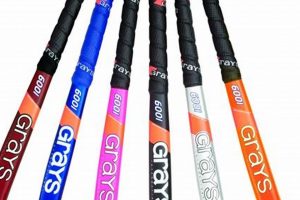
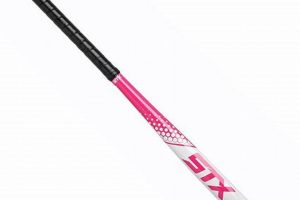
These are hockey sticks originally manufactured for use by professional hockey players. They are built to meet the specific requirements and preferences of these athletes, often differing from retail models available to the general public. Such equipment may feature unique flex profiles, blade patterns, and material compositions tailored for optimal performance at the highest levels of competition. For example, a professional player might request a stick with a lower flex point to facilitate quicker shot release, or a specific blade curve to enhance puck control.
Acquiring this type of equipment allows amateur players to experience the feel and performance characteristics preferred by professionals. The specifications, often exceeding standard retail options, can potentially contribute to improved shot power, puck handling, and overall on-ice performance. Historically, access to these items was limited, making them sought-after by serious hockey enthusiasts. The use of these sticks, while not guaranteeing professional-level play, offers a tangible connection to the professional game.
The following sections will explore the various aspects associated with these performance-oriented sticks, including sourcing options, performance considerations, customization choices, and the potential advantages they offer to players seeking to elevate their game.
Prostock Hockey Sticks
Maximizing the benefits derived from professional-grade hockey sticks requires careful consideration and informed decision-making.
Tip 1: Assess Player Skill Level: While offering superior performance potential, these sticks are often stiffer and less forgiving than entry-level models. Beginner or developing players may find them challenging to control, potentially hindering skill development.
Tip 2: Understand Flex Profiles: Flex refers to the amount a stick bends under pressure. Selecting an appropriate flex is crucial for efficient energy transfer during shooting. A flex that is too stiff will reduce shot power, while a flex that is too soft will compromise accuracy.
Tip 3: Consider Blade Pattern Preferences: The blade’s curve and face angle significantly impact puck control, shooting accuracy, and passing ability. Experiment with different patterns to determine which best complements individual playing style and position.
Tip 4: Evaluate Material Composition: The materials used in construction influence the stick’s weight, durability, and responsiveness. Higher-end models often incorporate carbon fiber for increased stiffness and reduced weight, leading to enhanced puck feel and faster shot release.
Tip 5: Inspect for Structural Integrity: Prior to purchase, thoroughly inspect the stick for any signs of damage, such as cracks, splinters, or delamination. Compromised structural integrity can lead to premature failure and potential injury.
Tip 6: Adjust Grip as Necessary: The grip tape application can significantly impact feel and control. Experiment with different tape patterns and thicknesses to achieve a comfortable and secure grip.
Tip 7: Protect the Blade: Use blade tape consistently to protect the blade from abrasion and moisture, extending its lifespan and maintaining performance characteristics.
Selecting and utilizing professional-grade hockey sticks effectively necessitates a thorough understanding of their specifications and careful consideration of individual playing style and skill level. Proper maintenance and adherence to these guidelines will optimize performance and maximize the investment.
The subsequent sections will delve deeper into specific aspects of selecting, using, and maintaining high-performance hockey sticks.
1. Athlete Specifications

Athlete specifications are the foundational element determining the characteristics of hockey sticks designated for professional use. These instruments are not mass-produced according to standardized retail dimensions; instead, they are meticulously crafted to align with the precise preferences and physical attributes of individual athletes. This involves considering factors such as height, weight, playing style, position, and specific shooting techniques. Consequently, a professional player’s stick may feature a unique flex profile, blade curve, shaft dimensions, and grip texture unavailable in commercially distributed models. For example, a defenseman known for powerful slap shots might require a stick with a stiffer flex and a specific lie angle to optimize energy transfer and puck trajectory, whereas a forward prioritizing quick wrist shots may prefer a more flexible shaft and a blade with a pronounced curve for enhanced puck handling and release.
The customization extends beyond basic dimensions and material selection. Professional players often provide detailed feedback to manufacturers, leading to iterative design adjustments that further refine the performance characteristics of their sticks. This collaborative process may involve experimenting with different carbon fiber layups, resin formulations, and blade core materials to achieve the desired balance of weight, durability, and responsiveness. Furthermore, athletes may request specific grip patterns or shaft shapes to improve comfort and control. The resulting hockey sticks are highly specialized pieces of equipment, optimized for the individual player’s needs and playing style. The correlation between athlete specifications and these unique instruments highlights the emphasis placed on performance optimization at the professional level.
Understanding the significance of athlete specifications offers valuable insight into the performance advantages sought by professional hockey players. The creation of custom-designed hockey sticks addresses the limitations of standardized retail models, offering a tangible improvement in puck handling, shooting accuracy, and overall on-ice performance. While access to such specialized equipment was previously restricted, increased availability allows amateur players to experience some of the benefits previously exclusive to the professional ranks. However, it’s important to recognize that emulating professional equipment choices does not guarantee professional-level results, and proper skill development remains the key to achieving success on the ice. The proliferation of custom sticks reflects the ongoing pursuit of competitive advantage in modern hockey.
2. Flex Variability

Flex variability, referring to the range of stiffness options available in hockey sticks, is a critical characteristic differentiating professional-grade equipment from standard retail models. The precise flex rating of a stick significantly influences energy transfer during shooting and overall puck control. Professional players require exacting specifications to optimize their performance, leading to a wider spectrum of flex choices in the realm of sticks manufactured for them.
- Flex Rating Precision
Professional sticks offer a more granular range of flex ratings compared to retail options. Rather than broad categories, these sticks often feature specific numerical flex values, allowing athletes to fine-tune the stick’s stiffness to match their strength, shooting mechanics, and position. For example, a player might request a flex rating of 87, as opposed to a more general “85 flex” found in retail models. The increased precision enables a tailored feel and more consistent performance.
- Flex Point Customization
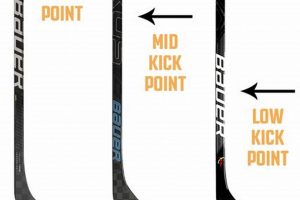
The location of the flex point, or the area where the stick bends most prominently, is another variable aspect. Professional players may specify the flex point location to match their shooting style. A low kick point facilitates quick release shots, while a mid kick point maximizes power transfer for slapshots. This level of customization, often unavailable in retail models, enables players to optimize stick performance for specific game situations.
- Variable Taper Designs
The taper, where the shaft transitions into the blade, influences the stick’s torsional stiffness and overall feel. Sticks used by professionals may incorporate unique taper designs to enhance puck handling and shot accuracy. Some players prefer a stiffer taper for increased control, while others opt for a more flexible taper to improve puck feel. This design element, often overlooked in retail models, plays a significant role in a player’s ability to manipulate the puck effectively.
- Impact on Shot Mechanics
The correct flex variability positively impacts a player’s shot mechanics, improving shot power, accuracy, and release speed. A flex that is too stiff inhibits proper loading of the stick, reducing shot power. Conversely, a flex that is too soft can lead to inconsistent shot accuracy. Players using instruments adapted specifically to them have the potential to maximize the efficiency of their shot, thus gaining a competitive advantage.
The nuances of flex variability in sticks are pivotal to understanding the performance-driven approach of professionals. This customization, from precise ratings to flex point location and unique taper designs, allows for optimal energy transfer, puck control, and shot accuracy, characteristics highly valued in the professional ranks.
3. Blade Customization

Blade customization represents a significant aspect differentiating hockey sticks designed for professional athletes from standard retail models. The blade, the portion of the stick that contacts the puck, is subject to meticulous tailoring to align with individual player preferences and playing styles.
- Curve Characteristics
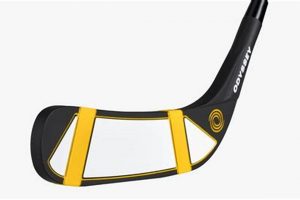
The curve of the blade dictates puck handling, shooting accuracy, and the trajectory of shots. Professional athletes often require specific blade patterns with unique curves, heel curves that aid in lifting the puck quickly, mid curves for balanced shooting and passing, or toe curves facilitating deking and close-range shots. Retail sticks offer a limited selection of curves, while sticks designated for pros provide a greater variety, allowing for more precise adaptation to the individual’s playing style. For instance, a player known for quick wrist shots might request a blade with an open face angle to elevate the puck rapidly.
- Blade Face Angle
The angle of the blade’s face, or lie, influences the player’s stance and the puck’s contact point. A more upright lie is suitable for players who skate in a more upright posture, while a flatter lie is better suited for those who lean further forward. Pro sticks allow for lie customization to promote optimal posture and puck control, whereas retail sticks offer a limited selection. The correct lie angle ensures the blade remains flat on the ice, promoting accurate passing and shooting.
- Blade Core Composition
The internal construction of the blade impacts its weight, feel, and responsiveness. Professional players may specify the core material to optimize these factors. Foam core blades provide a softer feel and enhanced puck control, while carbon fiber reinforced blades offer increased stiffness and shot power. Customization of the core material allows athletes to fine-tune the stick’s performance to match their playing preferences.
- Blade Length and Shape
The overall length and shape of the blade influence puck handling and shot release. Shorter blades promote quicker puck handling in tight spaces, while longer blades provide a larger surface area for receiving passes and shooting. Professional players may request specific blade lengths and shapes to optimize these characteristics, enabling precise puck control and efficient shot release.
Blade customization in hockey sticks reflects the emphasis on individual performance optimization in professional hockey. This level of customization, extending from the curve and lie to the core material and blade shape, allows athletes to enhance their puck handling, shooting accuracy, and overall on-ice effectiveness. While such highly customized sticks were once exclusive to professionals, increasing availability allows amateur players to explore the benefits of tailored equipment. As with other equipment choices, appropriate skill development remains crucial for realizing the full potential of any hockey stick.
4. Material Composition

Material composition is a critical determinant of performance characteristics in hockey sticks manufactured for professional players. These sticks, unlike mass-produced retail models, are frequently constructed using specific combinations of materials chosen to optimize weight, durability, responsiveness, and overall feel.
- Carbon Fiber Layup
The specific arrangement and orientation of carbon fiber layers within the stick’s shaft and blade significantly affect its stiffness, torsional rigidity, and impact resistance. Professional players often collaborate with manufacturers to specify unique carbon fiber layups that match their preferred flex profile and shooting style. A tighter, more densely packed layup typically results in a stiffer stick, while a more relaxed layup offers increased flexibility. Real-world examples include the use of unidirectional carbon fiber for enhanced energy transfer and woven carbon fiber for improved durability. The chosen layup directly influences the stick’s ability to efficiently transfer energy during a shot and withstand the rigors of professional play.
- Resin Systems
The resin system used to bind the carbon fiber layers together plays a crucial role in determining the stick’s overall strength, impact resistance, and vibration damping properties. Professional sticks often employ advanced epoxy resin formulations that offer superior bonding strength and resistance to cracking or delamination. These resins contribute to the stick’s ability to withstand the high-impact forces encountered during games. For instance, some manufacturers utilize toughened epoxy resins that incorporate micro-particles to enhance crack propagation resistance, extending the stick’s lifespan.
- Blade Core Materials
The material used to construct the blade’s core influences its weight, feel, and responsiveness. Professional-level sticks often utilize lightweight foam cores, such as polyurethane or expanded polystyrene (EPS), to reduce the blade’s overall weight and enhance puck feel. These foam cores provide a cushioned surface for receiving passes and dampening vibrations. Some manufacturers incorporate carbon fiber reinforcement within the foam core to increase stiffness and improve shot accuracy. The specific core material is carefully selected to balance weight reduction with performance enhancement.
- Grip Enhancement Materials
The materials used to create the stick’s grip can significantly impact a player’s control and comfort. Professional sticks often feature specialized grip coatings or textured surfaces that enhance tackiness and prevent slippage. These grip enhancements provide a more secure hold, allowing players to maintain better control of the stick in various playing conditions. Examples include rubberized coatings, raised grip patterns, and strategically placed grip tape. The choice of grip material is critical for maximizing stick handling and shot control.
The interplay of these material components underscores the performance-driven design philosophy behind professional-grade hockey sticks. The selection of specific carbon fiber layups, resin systems, blade core materials, and grip enhancements is carefully considered to optimize the stick’s weight, durability, responsiveness, and overall feel, aligning with the demanding requirements of professional athletes. This attention to material composition highlights the pursuit of competitive advantage through equipment innovation.
5. Availability Sources

The accessibility of hockey sticks originally manufactured for professional players, often referred to as “prostock,” is contingent upon a diverse range of procurement channels. These sources vary in reliability, selection, and pricing, thereby influencing the ease with which amateur players and collectors can acquire such specialized equipment. Understanding these channels is crucial for those seeking to obtain these specific sticks.
- Professional Team Sales and Auctions
Hockey teams and organizations occasionally sell or auction off surplus or used equipment, including hockey sticks designated for their players. These events provide a direct avenue for acquiring authentic sticks with documented provenance. Examples include charity auctions hosted by teams, or direct sales of equipment at the end of a season. The implications include the potential for higher prices due to the scarcity and collectability of these items, as well as the assurance of authenticity.
- Online Marketplaces and Retailers
Online platforms, such as eBay and dedicated hockey equipment retailers, frequently offer listings for sticks originally intended for professional use. These sources provide broader accessibility but require careful scrutiny to verify authenticity and condition. Examples include online retailers specializing in used sports equipment and individuals selling sticks obtained through various channels. The implications involve the need for due diligence to avoid counterfeit or misrepresented items, as well as the potential for price fluctuations based on supply and demand.
- Direct Contacts with Players or Equipment Managers
Establishing direct communication with current or former professional players, or team equipment managers, can provide access to sticks that are not publicly available. This avenue often relies on personal connections and networking within the hockey community. Examples include attending hockey events, participating in online forums, or leveraging existing contacts. The implications include the potential for acquiring sticks directly from the source, often at a negotiated price, but also necessitate discretion and respect for professional relationships.
- Equipment Consignment Shops
Specialty stores that deal in used or consigned sports equipment may occasionally acquire sticks from professional sources. These shops offer a physical location for inspection and purchase, as well as expertise in authenticating and assessing the condition of used equipment. Examples include consignment stores located near professional hockey venues or those specializing in high-end sports gear. The implications involve the ability to examine the stick firsthand, as well as benefit from the store’s expertise in identifying authentic pro stock equipment. The availability of such sources may be limited geographically.
The availability of hockey sticks made for professional athletes is determined by a complex interplay of various channels. The optimal sourcing approach depends on individual priorities, such as budget, authenticity requirements, and geographical location. The various factors mentioned above should be considered to avoid misinformation or counterfeit products.
6. Performance Enhancement

The acquisition and utilization of hockey sticks manufactured to professional athlete specifications are fundamentally driven by the pursuit of enhanced on-ice performance. These sticks, tailored to meet the exacting demands of professional play, offer potential advantages related to puck control, shooting efficiency, and overall responsiveness, contingent upon player skill and proper utilization.
- Optimized Flex Profile for Enhanced Shot Power and Accuracy
The customized flex profiles found in sticks made for pros, meticulously selected to match an athlete’s strength and shooting style, can translate to enhanced shot power and accuracy. A properly matched flex rating ensures efficient energy transfer during the shooting motion, maximizing puck velocity and minimizing shot deflection. For example, a player with a powerful slapshot may benefit from a stiffer flex, while a player who relies on quick wrist shots might prefer a more flexible shaft. The implications include improved scoring opportunities and more effective puck distribution.
- Customized Blade Geometry for Superior Puck Handling
The blade’s curve, lie, and face angle, all subject to customization in instruments made for professionals, directly impact puck handling and control. A specific blade curve can enhance puck lift, facilitate deking maneuvers, and improve shot accuracy. The correct lie angle promotes a more natural skating posture and optimal puck contact. The implications include improved puck possession, enhanced passing accuracy, and greater confidence in stickhandling situations.
- Weight Reduction for Quicker Stick Handling and Reduced Fatigue
Prostock sticks often utilize advanced materials, such as high-grade carbon fiber, to minimize weight without compromising durability. A lighter stick facilitates quicker stick handling, allowing players to react more rapidly and execute more intricate maneuvers. Furthermore, reduced stick weight can contribute to decreased fatigue during prolonged gameplay. The implications include increased agility, improved puck control under pressure, and sustained performance throughout the game.
- Enhanced Responsiveness for Improved Puck Feel
The combination of carefully selected materials and precise construction techniques in professional hockey sticks contributes to enhanced responsiveness and improved puck feel. A responsive stick provides a more direct connection between the player’s hands and the puck, allowing for more nuanced control and precise puck placement. The implications include improved passing accuracy, greater ability to control rebounds, and enhanced confidence in making split-second decisions with the puck.
The various elements noted above are designed to enhance aspects of playing the game for individuals, but there are no guarantees of achieving a higher performance level without the practice to implement this type of equipment.
Frequently Asked Questions
The following addresses common inquiries and misconceptions surrounding hockey sticks manufactured for professional players.
Question 1: Are prostock hockey sticks inherently superior to retail models?
The assertion that sticks intended for professional players are universally superior is a misconception. These instruments are tailored to individual athletes’ specifications. Their suitability for amateur players depends on alignment with individual playing styles and physical attributes. A stick designed for a specific professional may not be optimal for a player with different characteristics.
Question 2: How can authenticity of prostock hockey sticks be verified?
Verifying authenticity requires careful examination. Look for identifying markings, such as player initials, team logos, or specific flex ratings not found on retail models. Contacting the team or manufacturer to confirm stick specifications can provide further verification. Purchase from reputable sources with a history of dealing in authentic professional sports equipment.
Question 3: Does using a prostock hockey stick guarantee improved performance?
Using this stick type does not guarantee improved performance. While these sticks offer potential performance advantages, skill development, practice, and physical conditioning remain paramount. A stick designed for a professional will not compensate for a lack of fundamental skills or training.
Question 4: What is the typical lifespan of a prostock hockey stick?
The lifespan of a hockey stick used by professionals varies significantly based on usage intensity and playing style. The same holds for sticks procured from professional sources. Factors such as frequency of use, impact forces, and maintenance practices influence durability. Regular inspection for cracks or damage is essential to ensure safe use.
Question 5: Are prostock hockey sticks legal for use in all hockey leagues?
Legality of the use of this stick type varies depending on the specific rules and regulations of the hockey league. Some leagues may have restrictions on stick dimensions, flex ratings, or other specifications. Players should consult their league’s rulebook to ensure compliance.
Question 6: Where is the best place to purchase prostock hockey sticks?
The optimal source for procuring prostock hockey sticks depends on individual priorities. Professional team sales and auctions offer authenticity but may command higher prices. Online marketplaces provide broader selection but require careful verification. Direct contact with teams or players offers potential access to unique items but requires established connections.
Therefore, purchasing “prostock hockey sticks” should be carefully considered to maximize playing performance.
The next section addresses the summary of this document.
Conclusion
The exploration of “prostock hockey sticks” reveals a nuanced landscape of specialized equipment tailored to professional athletes. The distinguishing features encompass customized flex profiles, blade geometries, material compositions, and availability channels. While these sticks offer potential performance enhancements, their suitability for non-professional players hinges on alignment with individual skill levels, playing styles, and physical characteristics. Authenticity verification and adherence to league regulations remain paramount considerations.
The decision to acquire and utilize hockey sticks originally designed for professional use warrants careful evaluation. Rather than a universal performance panacea, these sticks represent a specialized tool whose effectiveness is inextricably linked to individual skill and proper application. A discerning approach, prioritizing informed selection and realistic expectations, is essential for maximizing the potential benefits and mitigating potential drawbacks. The ongoing evolution of hockey equipment underscores the importance of continuous learning and adaptation in the pursuit of improved performance.