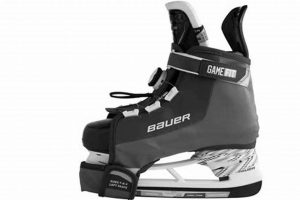
Protective coverings designed to be fitted over the blades of ice hockey skates facilitate walking on surfaces other than ice. These accessories, typically constructed from rubber or plastic, shield the blades from damage and prevent accidental injuries that could occur when traversing concrete, tile, or other abrasive ground materials. A skater, for instance, might utilize these blade protectors when moving from the locker room to the ice rink surface.
The utilization of these protective items provides several advantages. Blade preservation is paramount, as walking on unprotected blades can lead to nicks, dulling, and eventual degradation of the steel. Furthermore, they enhance safety by preventing the sharp edges of the blades from posing a hazard to the skater and surrounding individuals. Historically, makeshift solutions were employed to protect blades; however, the development of purpose-built guards offers a more reliable and convenient solution.
The subsequent sections will delve into the various types of blade protectors available, appropriate selection criteria, proper usage techniques, maintenance guidelines, and alternative solutions for off-ice mobility. This comprehensive examination aims to provide a thorough understanding of this essential hockey equipment accessory.
Guidance on Utilizing Blade Protectors for Off-Ice Mobility
The following guidelines outline best practices for employing protective coverings designed for hockey skate blades during walking, aiming to maximize their effectiveness and longevity.
Tip 1: Ensure Proper Fit: Select a blade protector size that corresponds accurately to the length of the skate blade. An ill-fitting guard can compromise blade protection and potentially detach during use.
Tip 2: Prioritize Material Selection: Opt for durable materials, such as high-density rubber or reinforced plastic, known for their resistance to abrasion and impact. Consider the typical surfaces traversed when choosing a material.
Tip 3: Inspect Before Each Use: Prior to each use, thoroughly examine the guards for any signs of wear, cracks, or detachment. Replace damaged protectors immediately to prevent blade damage.
Tip 4: Maintain Cleanliness: Regularly clean the protectors to remove debris, dirt, and moisture. Accumulated particles can act as abrasives, accelerating wear on both the guards and the skate blades.
Tip 5: Proper Installation Technique: Ensure the protectors are fully seated on the blade before commencing walking. Verify that the blade is completely covered to prevent accidental contact with the ground.
Tip 6: Avoid Prolonged Use on Abrasive Surfaces: While designed for walking, minimize prolonged use on extremely rough surfaces such as asphalt, as this can significantly reduce the lifespan of the protectors.
Tip 7: Store Properly When Not in Use: When not in use, store the protectors in a cool, dry place away from direct sunlight and extreme temperatures. This will help prevent material degradation.
Adhering to these guidelines will contribute to the extended lifespan of both the skate blades and the protective coverings, ensuring safe and efficient off-ice mobility.
The concluding section will summarize the key considerations discussed and offer final recommendations for optimal utilization of blade protectors.
1. Blade Protection

Blade protection is a core function directly addressed by protective coverings used when walking in ice hockey skates. The inherent sharpness of skate blades makes them vulnerable to damage when exposed to hard, abrasive surfaces. These surfaces, commonly encountered off the ice rink, can cause blunting, chipping, and other forms of degradation. Preserving blade integrity is paramount for maintaining optimal skating performance and extending the lifespan of the equipment.
- Preventing Edge Dullness
Contact with concrete, tile, or rubber flooring inevitably leads to the dulling of a skate blade’s precision-engineered edge. This dulling reduces the skater’s ability to grip the ice, diminishing agility and control. Protective coverings physically isolate the blade from these surfaces, thus preserving the sharpness essential for efficient skating.
- Mitigating Nicks and Chips
Impact with small debris on walking surfaces can result in nicks or chips along the blade edge. These imperfections, even if microscopic, disrupt the blade’s smooth interaction with the ice, creating friction and reducing speed. Protective coverings provide a barrier against such impact damage.
- Reducing Corrosion
Exposure to moisture and chemicals, common on surfaces like sidewalks or locker room floors, can accelerate blade corrosion. Rust formation weakens the blade and degrades its performance. While protective coverings do not entirely eliminate corrosion risk, they minimize direct contact with corrosive elements, slowing the process.
- Maintaining Blade Profile
Repeated sharpening, necessitated by blade damage, gradually alters the blade profile, affecting its balance and handling characteristics. By minimizing the need for frequent sharpening, protective coverings help maintain the original blade profile for a longer period, ensuring consistent skating performance.
The multifaceted benefits of blade protection, achieved through the use of these protective coverings, contribute significantly to the longevity, performance, and safety of ice hockey skates. By addressing edge dullness, mitigating nicks and chips, reducing corrosion, and maintaining blade profile, these coverings serve as a critical accessory for skaters navigating off-ice environments.
2. Surface Compatibility

Surface compatibility constitutes a critical consideration in the selection and utilization of protective coverings for ice hockey skate blades. The diverse range of surfaces encountered off the ice necessitates a nuanced approach to ensure adequate protection and functionality of the equipment. The selection of an inappropriate protective covering can lead to premature wear of the guard itself, insufficient blade protection, and potential safety hazards.
- Material Composition and Surface Friction
The coefficient of friction between the protective covering material and the walking surface directly impacts the ease of movement and the rate of wear. Rubber compounds, for instance, typically exhibit higher friction coefficients on concrete surfaces compared to plastic. Prolonged use on abrasive surfaces like asphalt will accelerate the degradation of softer materials, necessitating more frequent replacements. Harder plastics may offer greater abrasion resistance but could present a slipping hazard on smooth, polished surfaces like tile.
- Tread Pattern and Grip
The tread pattern incorporated into the design of the protective covering influences its ability to maintain grip on various surfaces. A deeper, more aggressive tread pattern can provide enhanced traction on uneven or slippery surfaces, such as wet concrete or gravel. Conversely, a smooth or shallow tread pattern may be more suitable for indoor surfaces like locker room floors or polished concrete, minimizing the risk of tripping or loss of balance.
- Environmental Conditions and Material Properties
Environmental conditions, such as temperature and moisture levels, can significantly alter the properties of protective covering materials. Extreme cold can cause some rubber compounds to become brittle and prone to cracking, while high temperatures can soften plastics and reduce their abrasion resistance. Wet or icy conditions demand materials with excellent wet grip characteristics to prevent slips and falls. The selection of materials resilient to the prevailing environmental conditions is paramount.
- Surface Texture and Abrasion Resistance
The texture of the walking surface directly impacts the type of wear experienced by the protective covering. Rough, abrasive surfaces like asphalt or textured concrete will induce greater wear through abrasion compared to smooth, polished surfaces like tile or linoleum. The selection of materials with high abrasion resistance, such as reinforced plastics or specialized rubber compounds, is critical for prolonged use on demanding surfaces.
The aforementioned facets highlight the intricate relationship between surface characteristics and protective covering performance. A comprehensive understanding of these factors is essential for selecting the appropriate protective coverings that offer optimal protection, durability, and safety across diverse off-ice environments. Neglecting surface compatibility can compromise the longevity of both the protective covering and the skate blades themselves, ultimately impacting the skater’s performance and safety.
3. Material Durability
Material durability is a critical determinant of the efficacy and longevity of protective coverings designed for ice hockey skate blades during walking. The constant exposure to abrasive surfaces and varying environmental conditions places significant stress on these guards, necessitating robust materials capable of withstanding wear and tear. The selection of substandard materials directly translates to reduced protection for the skate blades, requiring more frequent replacements of the guards and potentially compromising the skater’s safety. For example, guards constructed from low-grade rubber may quickly degrade on concrete surfaces, leaving the blades vulnerable to damage from embedded grit and debris. Conversely, guards made from high-density polyethylene demonstrate superior resistance to abrasion, extending their lifespan and safeguarding the blades more effectively.
The relationship between material durability and performance extends beyond simple abrasion resistance. Impact resistance is equally important, particularly when traversing uneven surfaces or encountering accidental impacts. Materials such as thermoplastic polyurethane (TPU) offer a balance of flexibility and impact absorption, preventing cracks and fractures that could compromise the guard’s structural integrity. Furthermore, resistance to chemical degradation is a relevant consideration, especially in environments where exposure to de-icing salts or cleaning agents is common. The premature failure of a guard due to chemical attack can expose the skate blades to corrosive elements, accelerating rust formation and blade degradation. The practical implications of these material properties are readily apparent in the field. Skaters who regularly navigate rough or chemically treated surfaces will invariably experience a shorter lifespan with inferior guards compared to those using durable, chemically resistant alternatives.
In summary, material durability represents a foundational element in the design and functionality of protective coverings for hockey skate blades. The ability of these guards to withstand abrasion, impact, and chemical degradation directly influences their protective capacity and lifespan, ultimately impacting the skater’s safety and the overall cost of equipment maintenance. Overlooking material quality in favor of cheaper alternatives can lead to a false economy, resulting in more frequent replacements and potentially compromising the skate blades themselves. A thorough understanding of material properties and their interaction with diverse environmental conditions is thus crucial for selecting effective and long-lasting skate blade protection.
4. Size Precision

Size precision constitutes a critical factor influencing the effectiveness of blade protectors intended for ice hockey skates during walking. An improperly sized guard compromises its primary function: safeguarding the blade from damage. A guard that is too short will leave sections of the blade exposed, while one that is excessively long may not securely grip the blade, increasing the risk of detachment during use. The resulting impact of an ill-fitting guard manifests in accelerated blade wear, nicks, and potential damage to walking surfaces. For example, if the heel or toe of the skate blade extends beyond the protective covering, those areas will be subject to direct abrasion, negating the guard’s protective purpose. Furthermore, an imprecise fit can contribute to instability, increasing the likelihood of slips or falls.
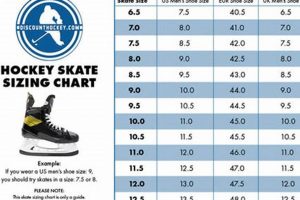
The practical implications of size precision extend to the lifespan of both the skate blades and the guards themselves. Over time, a loose-fitting guard may stretch or deform, further diminishing its protective capacity and necessitating more frequent replacements. Conversely, a guard that is too tight may place undue stress on the blade, potentially leading to structural fatigue or warping. Manufacturers often provide sizing charts to assist users in selecting the appropriate guard size based on skate model and blade length. However, variations in blade profiles and sharpening practices may necessitate a more customized approach to ensure a secure and accurate fit. Utilizing adjustable guards or employing shims can mitigate fitting issues and enhance the overall effectiveness of the protective covering.
In summary, size precision is not merely a cosmetic detail but a fundamental determinant of the protective capabilities of skate blade guards. Ensuring an accurate and secure fit minimizes the risk of blade damage, enhances stability during walking, and prolongs the lifespan of both the blades and the guards. Careful attention to sizing guidelines and a willingness to make minor adjustments are essential for maximizing the benefits derived from these protective accessories. Neglecting size precision ultimately undermines the intended purpose of the blade guards, potentially leading to costly repairs or replacements.
5. Secure Fit
A secure fit is a fundamental requirement for hockey skate guards intended for walking to function effectively. The absence of a secure fit directly compromises the primary objective of these guards: the protection of the skate blades from damage incurred during off-ice transit. If the guards are loosely fitted, they may dislodge during walking, leaving the blades exposed to abrasive surfaces such as concrete, tile, or asphalt. This exposure can result in nicks, dulling, and even structural damage to the blades, thereby degrading their performance on the ice and potentially shortening their lifespan. The causative relationship between secure fit and blade protection is direct and undeniable.
The importance of a secure fit extends beyond mere blade protection; it also significantly influences user safety. A loose or unstable guard increases the risk of slips, trips, and falls. For instance, if a guard detaches unexpectedly while a skater is traversing a slick or uneven surface, the resulting instability can lead to injury. Conversely, a securely fitted guard provides a stable platform for walking, minimizing the potential for accidents. The design of effective hockey skate guards should therefore prioritize features that promote a secure and reliable fit, such as adjustable straps, contoured shapes that conform to the blade profile, and materials that provide adequate friction to prevent slippage. Real-world scenarios highlight the consequences of inadequate fit; skaters using ill-fitting guards often report frequent slippage or detachment, necessitating constant readjustment and increasing the risk of blade damage or personal injury.
In conclusion, a secure fit is not merely a desirable attribute of hockey skate guards for walking, but an indispensable component that directly determines their effectiveness and safety. Prioritizing a secure and reliable fit is essential for safeguarding skate blades, preventing accidents, and maximizing the lifespan of both the skates and the protective guards. Challenges in achieving a secure fit, such as variations in skate blade profiles and guard sizes, necessitate careful selection and occasional customization to ensure optimal performance. The understanding of this critical connection is of practical significance for all skaters who utilize these guards.
6. Longevity Extension

The primary function of protective coverings for hockey skate blades during off-ice ambulation is the mitigation of wear and tear, thereby directly contributing to the extended lifespan of both the skates and the blades themselves. Abrasion from concrete, tile, and other surfaces degrades the fine edge of the blade, necessitating frequent sharpening. Each sharpening reduces the overall lifespan of the blade by altering its profile and thinning the steel. By physically shielding the blade from these abrasive forces, blade guards significantly reduce the frequency of sharpening, effectively extending the period during which the blade maintains its optimal performance characteristics. For example, a skater who regularly walks on concrete without blade guards may require sharpening weekly, while a skater utilizing guards might only need sharpening monthly, resulting in a substantial increase in blade longevity. The economic implications of this prolonged lifespan are significant, considering the cost of professional sharpening and the eventual replacement of worn-out blades.
Beyond the reduction in sharpening frequency, blade guards also protect against more catastrophic damage such as nicks and chips. These imperfections, often caused by small stones or debris, can severely compromise the blade’s performance and may even require costly repairs. The protective barrier provided by the guards absorbs the impact of these potential hazards, preventing them from directly affecting the blade’s edge. Consider a scenario where a skater accidentally steps on a piece of gravel; without a guard, the gravel could easily chip the blade. However, with a guard in place, the impact is distributed across the guard’s surface, minimizing the risk of blade damage. Furthermore, by minimizing the need for blade replacement, the utilization of blade guards contributes to the sustainability of hockey equipment usage. Reduced consumption of new blades translates to lower demand for raw materials and energy resources associated with manufacturing and distribution.
In summation, the judicious use of hockey skate guards for walking is inextricably linked to the extension of skate blade lifespan. The reduction in sharpening frequency, prevention of catastrophic damage, and contribution to sustainable equipment practices collectively underscore the significant role these guards play in preserving the value and performance of hockey skates. While the initial investment in blade guards may seem minor, the long-term savings and enhanced performance resulting from their use make them a valuable asset for any serious hockey player or recreational skater.
Frequently Asked Questions
The following questions and answers address common inquiries regarding the purpose, selection, and utilization of protective coverings for ice hockey skate blades during off-ice ambulation.
Question 1: What is the primary function of hockey skate guards for walking?
The primary function is to protect the sharp edges of ice hockey skate blades from damage when walking on surfaces other than ice. These surfaces, such as concrete or tile, can dull or chip the blades, negatively impacting performance on the ice.
Question 2: Are all hockey skate guards for walking universally compatible with all skate models?
No. Skate guards are typically designed to fit specific skate sizes or blade lengths. It is essential to consult the manufacturer’s sizing guidelines to ensure proper fit and effective protection.
Question 3: What materials are commonly used in the construction of hockey skate guards for walking, and which is preferable?
Common materials include rubber, plastic, and composite materials. Durable, abrasion-resistant materials such as high-density polyethylene or reinforced rubber are preferable for extended use and optimal blade protection.
Question 4: How frequently should hockey skate guards for walking be replaced?
Replacement frequency depends on the intensity of use and the types of surfaces traversed. Guards should be inspected regularly for wear and tear, and replaced when they exhibit signs of damage or reduced protective capability.
Question 5: Can hockey skate guards for walking be used on figure skates?
While some guards may be compatible with figure skates, it is important to select guards specifically designed for the blade profile of figure skates, as the blade shape differs from that of hockey skates.
Question 6: Are there alternative solutions for protecting skate blades other than dedicated guards?
While makeshift solutions may exist, dedicated skate guards provide the most reliable and purpose-built protection. Alternative solutions may not offer the same level of durability or blade coverage.
Proper selection, utilization, and maintenance of blade guards contribute to prolonged skate blade lifespan and enhanced on-ice performance.
The subsequent section will provide a summary of key considerations and recommendations for optimizing the use of hockey skate guards for walking.
Comprehensive Evaluation of Hockey Skate Guards for Walking
This exploration has underscored the critical role hockey skate guards for walking play in preserving the integrity and performance of ice hockey skates. The preceding analysis detailed the factors of blade protection, surface compatibility, material durability, size precision, and secure fit, elucidating how each contributes to the prolonged lifespan of skate blades and the overall safety of the skater. The necessity of selecting appropriate guards tailored to specific skate models, usage patterns, and environmental conditions has been thoroughly established.
In conclusion, the informed selection and conscientious utilization of hockey skate guards for walking represent a prudent investment in the longevity and performance of essential athletic equipment. The continued refinement of guard design and materials is anticipated to further enhance their protective capabilities and user experience, ensuring that skaters can confidently navigate off-ice environments without compromising the integrity of their blades.