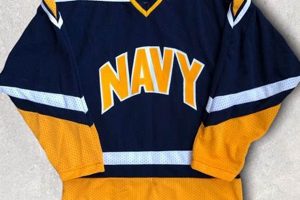
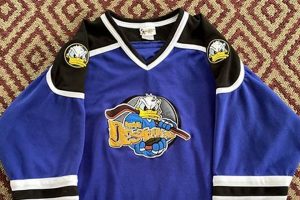
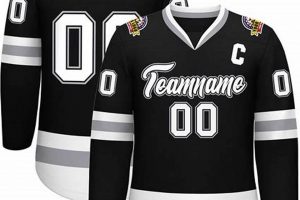
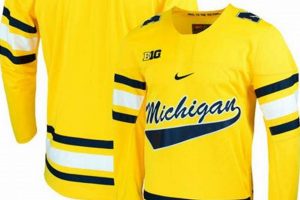
Displaying athletic apparel within a protective border and behind glass is a method of preserving and showcasing memorabilia. Such presentations often involve jerseys worn by athletes, particularly those participating in ice hockey. This approach transforms a piece of sporting equipment into a decorative object suitable for display in residential or commercial spaces, such as offices, sports bars, or dedicated fan rooms.
The practice serves multiple purposes, including safeguarding the garment from environmental factors like dust and UV light, which can degrade the fabric and colors over time. Furthermore, it elevates the item from mere clothing to a symbol of achievement, fandom, or personal connection to the sport. The evolution of this display method reflects a growing appreciation for sports memorabilia as valuable artifacts representing athletic prowess and cultural significance.
The following discussion will delve into the considerations for choosing the appropriate style, the steps involved in the framing process, and the potential benefits of employing professional services to achieve optimal results and ensure the long-term preservation of the cherished item.
Essential Considerations for Encasing Hockey Jerseys
Properly encasing a hockey jersey requires careful consideration to ensure both aesthetic appeal and long-term preservation. The following guidelines outline key aspects of the process.
Tip 1: Select Acid-Free Materials: Utilize only acid-free mat boards and backing to prevent the jersey’s fabric from deteriorating over time. Acidic materials can leach into the fabric, causing discoloration and weakening of the fibers.
Tip 2: Employ UV-Protective Glazing: Opt for glass or acrylic with UV protection to shield the jersey from harmful ultraviolet rays. Prolonged exposure to UV light can fade colors and damage the material.
Tip 3: Ensure Proper Jersey Mounting: Avoid using adhesives or pins directly on the jersey. Instead, consider methods such as stitching or tension mounting that distribute weight evenly and prevent fabric stress.
Tip 4: Choose an Appropriate Frame Size and Depth: Select a frame that accommodates the jersey’s dimensions without compressing it. Adequate depth allows the jersey to lie flat and prevents distortion.
Tip 5: Incorporate Meaningful Background Elements: Enhance the presentation by including photographs, tickets, or other memorabilia related to the jersey’s history. Ensure these elements are also acid-free and properly secured.
Tip 6: Control the Environment: Display the encased jersey in a location with stable temperature and humidity levels. Avoid direct sunlight or areas prone to moisture, which can accelerate fabric degradation.
Tip 7: Consider Professional Assistance: For valuable or historically significant jerseys, engaging a professional preservationist or framing expert is advisable. Their expertise ensures proper handling and the use of archival-quality materials.
Adhering to these recommendations will contribute significantly to maintaining the integrity and appearance of the encapsulated jersey for years to come, preserving its value and sentimental significance.
The next section will provide a detailed guide to different frame styles and their suitability for various display settings.
1. Fabric Preservation

The intersection of fabric preservation and encased athletic wear, particularly hockey jerseys, represents a critical aspect of memorabilia conservation. The very act of encasing a hockey jersey, while intended for display and protection, can inadvertently accelerate degradation if proper preservation techniques are not employed. The primary cause of fabric deterioration in such scenarios stems from environmental factors and the materials used in the framing process. Acidic components within mat boards or mounting materials can migrate into the jersey’s fibers, leading to discoloration, weakening, and eventual disintegration. Ultraviolet (UV) radiation from sunlight or artificial lighting further exacerbates the problem, causing fading and damage to dyes and fibers. Therefore, the selection of archival-quality, acid-free materials and UV-protective glazing becomes paramount.
The practical significance of this understanding is exemplified in the long-term care of vintage or historically significant jerseys. Consider, for instance, a game-worn jersey from a legendary player. Without proper encasement utilizing fabric preservation principles, the jersey’s value and historical integrity diminish rapidly. Conversely, a jersey encased with acid-free matting, UV-filtering glass, and appropriate mounting techniques can retain its condition and value for decades. Museums and private collectors alike employ these strategies to safeguard their valuable sports memorabilia. Failure to prioritize fabric preservation results in irreparable damage, potentially turning a treasured artifact into a worthless textile remnant. Real-world examples abound of improperly framed items succumbing to irreversible deterioration, highlighting the necessity of informed decision-making in the encasement process.
In summary, fabric preservation is not merely an ancillary consideration but rather a fundamental component of correctly encasing a hockey jersey. Ignoring these principles leads to the premature degradation of the very item one seeks to protect and display. While aesthetics are important, they should never supersede the need for conservation. Challenges remain in educating consumers about the long-term consequences of improper encasement, but a greater awareness of these issues is essential for ensuring the lasting legacy of sports memorabilia. The responsibility falls upon both framing professionals and collectors to prioritize fabric preservation in the safeguarding of these cultural artifacts.
2. Frame Material

The selection of frame material significantly influences the preservation and presentation of encased hockey jerseys. The material directly impacts the aesthetic appeal, structural integrity, and long-term protection of the enclosed jersey. Inexpensive materials may off-gas volatile organic compounds (VOCs), contributing to the degradation of the jersey’s fabric over time. Conversely, archival-quality materials provide a stable, inert environment, minimizing potential damage. For instance, wooden frames, if untreated or improperly sealed, can release acids that compromise fabric integrity. Metal frames, while durable, may present condensation risks in fluctuating humidity. Therefore, the causal relationship between frame material and jersey longevity necessitates careful consideration.
The importance of frame material extends beyond mere preservation; it also dictates the overall visual impact. A museum-quality exhibit often utilizes hardwoods like maple or cherry, finished with UV-resistant coatings, to complement the jersey’s colors and textures. These frames offer both durability and aesthetic refinement. In contrast, budget-conscious options may involve composite materials or plastics, which, while cost-effective, lack the visual depth and perceived value of higher-end alternatives. Practical applications demonstrate that frame material can either enhance or detract from the jersey’s perceived importance. A valuable, historically significant jersey housed within a substandard frame may appear less impressive, while a well-chosen frame can elevate the jersey to a prominent display piece.
In summary, frame material constitutes a critical component in the successful encasement of hockey jerseys. The selection process must balance aesthetic considerations with the need for long-term preservation. Challenges remain in educating consumers about the potential pitfalls of inexpensive framing materials and the benefits of archival-quality options. By recognizing the profound impact of frame material on jersey longevity and presentation, collectors and framing professionals can ensure that these cherished items are not only displayed but also protected for future generations. The ongoing dialogue surrounding the best practices in framing serves to enhance the appreciation for sports memorabilia and the art of its preservation.
3. Mounting Technique

The mounting technique employed in encasing hockey jerseys is paramount to both the aesthetic presentation and long-term preservation of the garment. Inappropriate methods can cause irreversible damage, while proper techniques ensure the jersey remains in optimal condition, retaining its value and significance.
- Stitching vs. Adhesives
The use of stitching, specifically with archival-quality thread, provides a secure and non-invasive mounting method. This technique distributes stress evenly across the fabric, minimizing the risk of tearing or distortion. Conversely, adhesives, even those marketed as fabric-safe, can degrade over time, causing discoloration, fiber damage, or even irreversible bonding. A real-world example is the common practice of dry mounting posters, where adhesives eventually yellow and embrittle, damaging the artwork. This illustrates the long-term risks associated with adhesive-based mounting for delicate textiles.
- Tension Mounting
Tension mounting involves stretching the jersey over an acid-free board or form, creating a smooth and visually appealing display. This method avoids direct contact with adhesives or fasteners, reducing the potential for damage. The tension must be carefully calibrated to prevent over-stretching or distortion of the fabric. Museums frequently utilize tension mounting for delicate textiles, demonstrating its efficacy in preserving fragile materials.
- Acid-Free Backing Boards
Regardless of the mounting technique, the backing board must be acid-free to prevent the migration of harmful chemicals into the jersey’s fibers. Acidic materials can cause discoloration, weakening, and eventual deterioration of the fabric. The Library of Congress employs acid-free materials in its archival practices, underscoring the importance of this measure in preserving valuable documents and textiles.
- Gravity and Weight Distribution
The mounting technique must account for gravity and ensure even weight distribution to prevent sagging or stretching over time. Improper weight distribution can lead to distortions in the jersey’s shape and stress on specific areas, particularly the shoulders and sleeves. Professional framers often use custom-designed supports to counteract gravity and maintain the jersey’s original form.
These considerations underscore the critical role of the mounting technique in the successful encasement of hockey jerseys. By prioritizing archival-quality materials, non-invasive methods, and careful weight distribution, collectors can ensure the long-term preservation and aesthetic appeal of their cherished memorabilia. The choice of mounting technique directly impacts the lifespan and value of the encased jersey, making it a crucial element of the overall framing process.
4. Display Location

The selection of a suitable display location for encased hockey jerseys is a critical determinant of their longevity and preservation. Environmental factors inherent to different locations can significantly impact the condition of the jersey over time, necessitating careful consideration.
- Direct Sunlight Exposure
Prolonged exposure to direct sunlight can lead to irreversible fading of the jersey’s colors and degradation of the fabric. Ultraviolet (UV) radiation is the primary culprit, breaking down the chemical bonds in dyes and fibers. Museums typically avoid displaying sensitive textiles in areas with direct sunlight, opting for controlled lighting environments to minimize UV exposure. A north-facing wall, shielded from direct sunlight, is generally a more suitable option for displaying an encased jersey.
- Humidity Fluctuations
Significant fluctuations in humidity can cause expansion and contraction of the materials within the frame, including the jersey itself. This can lead to warping of the backing board, loosening of the mounting, and potential damage to the fabric. High humidity levels also promote the growth of mold and mildew, which can further degrade the jersey. Maintaining a stable humidity level is crucial for preservation. Displaying the encased jersey in a climate-controlled environment, such as a room with air conditioning or a dehumidifier, can mitigate these risks.
- Temperature Extremes
Exposure to extreme temperatures, whether hot or cold, can also impact the condition of the encased jersey. High temperatures can accelerate the chemical breakdown of the fabric and mounting materials, while low temperatures can cause embrittlement. Avoiding display locations near heat sources, such as radiators or fireplaces, and areas prone to temperature extremes, such as uninsulated attics or basements, is essential. A consistent temperature range is ideal for long-term preservation.
- Air Quality
Airborne pollutants, such as dust, smoke, and volatile organic compounds (VOCs), can accumulate on the surface of the encased jersey and gradually degrade the fabric. Dust can attract moisture, creating a breeding ground for mold and mildew. Smoke and VOCs can cause discoloration and fiber damage. Regular cleaning of the display area and the use of air purifiers can help minimize exposure to airborne pollutants. Avoiding display locations near sources of pollution, such as kitchens or garages, is also recommended.
In summary, the display location exerts a profound influence on the long-term preservation of framed hockey jerseys. By carefully considering factors such as sunlight exposure, humidity fluctuations, temperature extremes, and air quality, collectors can significantly extend the lifespan and maintain the value of their cherished memorabilia. A proactive approach to environmental control is essential for safeguarding these valuable artifacts for future generations.
5. UV Protection

The implementation of ultraviolet (UV) protection represents a critical component in the preservation of hockey jerseys encased for display. The causal relationship between UV radiation and textile degradation is well-established; prolonged exposure to UV light induces photochemical reactions within the fibers of the jersey, leading to color fading, weakening of the material, and eventual disintegration. The absence of UV protection in the encasement process directly accelerates this degradation, diminishing the aesthetic appeal and historical value of the artifact.
Practical application of UV protection manifests in the use of specialized glazing materials. Acrylic or glass sheets treated with UV-absorbing coatings effectively filter out harmful radiation, shielding the encased jersey from its deleterious effects. Museums and archival institutions routinely employ UV-filtering glazing in the display of sensitive textiles to mitigate light-induced damage. For instance, a vintage jersey displayed without UV protection may exhibit noticeable fading within a relatively short period, while a similar jersey encased with UV-protective glazing will retain its original color and integrity for significantly longer, demonstrating the tangible benefits of this protective measure.
In summary, UV protection is not merely an optional add-on but an indispensable element in the proper encasement of hockey jerseys. The implementation of UV-filtering glazing safeguards the jersey from the damaging effects of UV radiation, extending its lifespan and preserving its historical significance. While challenges remain in educating consumers about the importance of UV protection and the long-term consequences of its absence, the practical benefits of this measure are undeniable, ensuring that these cherished artifacts can be enjoyed and appreciated for generations to come.
6. Design Aesthetics
Design aesthetics play a crucial role in transforming encased hockey jerseys from simple displays of memorabilia into compelling visual narratives. The arrangement, color palette, and overall presentation directly influence the viewer’s perception and emotional connection to the displayed item. A poorly executed design can diminish the jersey’s significance, while a thoughtfully conceived arrangement enhances its impact, effectively communicating the history and importance of the garment. The selection of matting colors, frame style, and background elements contribute to the overall aesthetic, creating a cohesive and visually appealing presentation. A poorly chosen color scheme, for example, might clash with the jersey’s colors, distracting from its inherent qualities. Conversely, complementary colors and carefully selected lighting can accentuate the jersey’s details, drawing the viewer’s eye and highlighting its unique characteristics. The placement of additional elements, such as photographs, tickets, or patches, requires careful consideration to maintain a balanced and harmonious composition.
The practical application of design aesthetics is evident in museum exhibitions dedicated to sports history. These exhibits often utilize custom-designed frames, strategically placed lighting, and interpretive panels to create an immersive and engaging experience for visitors. The encasement of a Wayne Gretzky jersey, for instance, might incorporate a sleek, modern frame, a photograph of Gretzky in action, and a brief description of his accomplishments. This holistic approach transforms the jersey from a mere piece of clothing into a symbol of athletic excellence and cultural significance. Similarly, private collectors can employ design aesthetics to create visually stunning displays that showcase their personal connections to the sport. By considering the jersey’s history, the surrounding environment, and the desired emotional impact, collectors can create displays that are both aesthetically pleasing and deeply meaningful. The use of shadow boxes, custom-cut matting, and strategically placed lighting can elevate the display, transforming it into a focal point of the room.
In summary, design aesthetics are integral to the successful encasement of hockey jerseys. The careful consideration of color, composition, and lighting can transform a simple display into a powerful visual narrative, enhancing the jersey’s significance and emotional impact. Challenges remain in educating collectors about the importance of design principles and the potential benefits of professional framing services. However, by recognizing the profound influence of design aesthetics, collectors can ensure that their cherished memorabilia are not only preserved but also presented in a manner that honors their history and significance.
7. Historical Context

The presence of historical context significantly elevates the value and meaning of encased hockey jerseys. Without it, the item remains merely a garment, devoid of deeper resonance. The historical context provides the narrative backbone, transforming a simple piece of fabric into a tangible representation of specific events, achievements, and cultural moments. The absence of this context reduces the framed jersey to a purely decorative object, failing to capture its inherent significance. For instance, a jersey worn during a championship-winning season gains considerable value when accompanied by information detailing the team’s performance, key players, and the overall socio-cultural climate of the time. This added layer of historical depth resonates with collectors and enthusiasts, driving demand and increasing the item’s desirability.
The practical application of historical context in jersey encasement involves incorporating relevant memorabilia and documentation. Newspaper clippings, photographs, game tickets, and player biographies can be strategically arranged alongside the jersey, creating a multi-faceted display that tells a compelling story. Consider a framed jersey of a player who broke a significant record. Including a copy of the official game record, a signed photograph of the player, and a brief narrative of the event enhances the display, transforming it into a mini-museum exhibit. Furthermore, the historical context can inform the choice of frame and matting, selecting materials and styles that are period-appropriate or thematically consistent with the jersey’s era. A vintage jersey might be paired with a distressed wooden frame and sepia-toned photographs to evoke a sense of nostalgia and authenticity.
In conclusion, historical context serves as an indispensable component in the effective encasement of hockey jerseys. It transforms the item from a mere article of clothing into a powerful symbol of athletic achievement and cultural heritage. Challenges remain in accurately documenting and preserving the historical details associated with each jersey, requiring diligent research and careful curation. However, the effort is worthwhile, as the inclusion of historical context significantly enhances the value, meaning, and overall impact of the encased jersey, ensuring its appreciation for generations to come. Recognizing and embracing this connection elevates the practice of jersey encasement from simple preservation to a form of historical storytelling.
Frequently Asked Questions About Enclosing Hockey Jerseys
This section addresses common inquiries regarding the proper techniques and considerations for encasing hockey jerseys, ensuring both preservation and aesthetic appeal.
Question 1: What materials are recommended for ensuring the long-term preservation of encapsulated hockey jerseys?
Archival-quality, acid-free mat boards and backing are essential to prevent deterioration of the jersey’s fabric. UV-protective glazing is also necessary to shield the jersey from damaging ultraviolet radiation.
Question 2: What mounting techniques are advised against when encasing a hockey jersey?
Adhesives and pins should be avoided, as they can cause irreversible damage to the fabric. Stitching or tension mounting are preferable methods that distribute weight evenly and minimize stress on the jersey.
Question 3: How does the display location affect the condition of a showcased jersey?
Direct sunlight, humidity fluctuations, and extreme temperatures can all negatively impact the jersey’s condition. A location with stable environmental conditions is ideal.
Question 4: Is professional assistance necessary for properly encasing a hockey jersey?
While not always required, professional preservationists or framing experts possess the expertise to handle valuable or historically significant jerseys, ensuring proper handling and the use of archival-quality materials.
Question 5: What is the significance of historical context in the encasement of hockey jerseys?
Incorporating historical elements, such as photographs or game tickets, enhances the display and provides a deeper understanding of the jersey’s significance. This transforms the display from mere preservation to historical storytelling.
Question 6: How does the frame material selection impact the preservation of a framed hockey jersey?
Inexpensive frame materials may emit volatile organic compounds (VOCs), contributing to fabric degradation. Archival-quality materials provide a stable, inert environment, minimizing potential damage.
Proper encapsulation of hockey jerseys requires careful attention to materials, techniques, and environmental factors. Prioritizing preservation ensures these items remain valuable artifacts for years to come.
The following section will explore the potential benefits of engaging professional framing services for optimal results and the long-term safeguarding of cherished items.
Framed Hockey Jerseys
This exposition has underscored that proper encasement transcends mere display. The long-term integrity of these artifacts demands meticulous attention to material selection, mounting techniques, and environmental controls. UV protection, acid-free components, and stable display locations are not optional enhancements but essential elements in preserving the value and historical significance of encased hockey jerseys.
Ultimately, the encasement serves as a commitment to preserving a tangible link to athletic history and cultural heritage. Thoughtful adherence to established preservation principles ensures that these framed hockey jerseys will continue to resonate with future generations, serving as enduring symbols of sporting achievement.