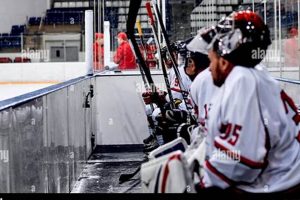
The atmospheric conditions within ice hockey arenas are often perceived as cooler than typical indoor environments. This perception arises from the necessity of maintaining ice quality, which requires lower ambient temperatures. Consequently, attendees may experience a sensation of cold despite being indoors.
Maintaining a suitable ice surface is paramount for player performance and safety. Lowering the air temperature helps prevent the ice from becoming overly soft or melting, preserving optimal skating conditions throughout the game. Historically, early hockey arenas relied on natural refrigeration, which often resulted in extremely cold spectator areas. Modern arenas employ sophisticated climate control systems, but the need to keep the ice frozen still dictates lower overall temperatures.
Understanding the reasons behind these cooler temperatures allows spectators to prepare appropriately for attending a hockey game. Factors such as arena size, ventilation, and seating location can all influence the individual’s experience of the ambient temperature within the venue. Consideration of suitable attire is therefore advisable.
Strategies for Attending Ice Hockey Games Comfortably
To mitigate the effects of cooler temperatures at hockey arenas, several preparatory measures can be taken. These strategies aim to enhance spectator comfort while allowing for full enjoyment of the event.
Tip 1: Layer Clothing: Employing multiple layers of clothing is crucial. This approach allows for adjustment to individual comfort levels as the body warms up or cools down during the game. Begin with a moisture-wicking base layer, followed by an insulating middle layer such as fleece or wool, and a wind-resistant outer layer.
Tip 2: Insulate Extremities: Particular attention should be given to insulating the hands, feet, and head. Gloves or mittens are essential, and thick socks, preferably wool or synthetic blends, are recommended. A hat or beanie will help retain body heat.
Tip 3: Choose Seating Wisely: If possible, select seating locations away from direct exposure to cold air drafts. Seats closer to the concourse or higher up in the arena may be less affected by temperature fluctuations.
Tip 4: Utilize Hand and Foot Warmers: Disposable hand and foot warmers can provide supplemental heat for several hours. These are particularly useful for individuals sensitive to cold or for games held in especially cold arenas.
Tip 5: Maintain Hydration: While counterintuitive, staying hydrated can help regulate body temperature. Warm beverages, such as tea or coffee, can provide a temporary warming effect. However, excessive consumption of caffeinated drinks should be avoided.
Tip 6: Move Periodically: Sitting for extended periods can contribute to feeling cold. Stand and move around briefly during intermissions to stimulate blood circulation and generate body heat.
Tip 7: Consider a Blanket or Stadium Seat: A small blanket or stadium seat cushion can provide an additional layer of insulation, particularly when seated on hard, cold surfaces.
Implementing these strategies can significantly improve the overall experience of attending a hockey game, minimizing the discomfort associated with cooler temperatures and maximizing enjoyment of the sport.
Adopting these preparatory measures ensures that the focus remains on the game itself, rather than the surrounding environmental conditions.
1. Ice Temperature Maintenance and Spectator Comfort

Ice temperature maintenance is a primary driver of the perceived coolness within ice hockey arenas. The necessity of sustaining a solid, playable ice surface necessitates lower ambient air temperatures than would typically be considered comfortable for prolonged periods. The ideal ice temperature for professional hockey falls within a narrow range, typically between 24 and 26 degrees Fahrenheit (-4.4 to -3.3 degrees Celsius). To maintain this surface, the air temperature in the arena must also be significantly cooler than room temperature.
The refrigeration systems employed to maintain ice integrity extract heat from the rink, which inevitably lowers the overall air temperature within the venue. This effect is particularly noticeable in older arenas with less efficient insulation. For example, in outdoor games like the NHL Winter Classic, the challenge of maintaining ice quality in variable weather conditions is considerable, leading to even greater measures to cool the ice and surrounding area, which affects the spectators. Furthermore, maintaining optimal ice conditions is crucial not only for gameplay but also for player safety, as a softer or uneven surface increases the risk of injury. The air temperature is therefore set as a result of a direct link to ice temperature maintenance and the resulting conditions perceived by observers.
Consequently, the pursuit of optimal ice conditions results in an environment that feels colder to spectators. While modern arenas often incorporate sophisticated climate control systems to mitigate this effect, the fundamental need to maintain a frozen playing surface remains paramount. Understanding this relationship allows spectators to proactively prepare for the arena environment by dressing in layers and taking other precautions to remain comfortable throughout the game.
2. Arena climate control and Spectator Experience

Arena climate control systems directly influence the spectator experience concerning temperature regulation. These systems are designed to balance the competing needs of maintaining ice quality and ensuring a reasonable level of comfort for those in attendance. The effectiveness of these systems, however, can vary significantly based on the age of the venue, the design of the ventilation, and the external weather conditions. Older arenas, for example, often lack the sophisticated climate control found in newer facilities, resulting in colder temperatures and uneven distribution of air. Furthermore, external factors such as the ambient temperature and humidity can place additional strain on the climate control system, potentially leading to noticeable temperature fluctuations within the arena.
Modern arenas often incorporate advanced technologies such as radiant heating, which can provide localized warmth without significantly impacting the ice temperature. These systems typically involve heated panels or pipes placed strategically throughout the arena, directing warmth towards seating areas. In addition, advanced ventilation systems can be designed to minimize drafts and promote even air circulation, reducing the likelihood of localized cold spots. However, even with these advancements, challenges remain. The sheer size of most hockey arenas necessitates powerful climate control systems, which can be costly to operate and maintain. Furthermore, ensuring uniform temperature distribution throughout the venue is a complex engineering challenge.
The connection between arena climate control and the perception of cold within hockey venues is therefore multifaceted. While advanced technologies can mitigate some of the discomfort associated with lower temperatures, the fundamental need to maintain ice quality dictates that arenas will generally be cooler than typical indoor environments. Spectators can mitigate the effects of these temperature conditions by dressing appropriately and being aware of the factors influencing arena climate control, as they interact and define the environment as being “cold at hockey games”.
3. Seating location impact

Seating location within an ice hockey arena significantly affects an individual’s perception of temperature and contributes to the overall experience of whether it “is cold at hockey games”. Proximity to ice level, ventilation systems, and arena structure influence the microclimate surrounding a spectator.
- Proximity to the Ice Surface
Seating closer to the ice surface typically results in a colder experience. The cold air emanating from the ice rink is denser and tends to settle near the ground. Individuals seated in the lower levels are therefore more exposed to this colder air mass than those seated in upper levels.
- Proximity to Ventilation Systems
The placement of ventilation systems within an arena can create localized drafts and temperature variations. Seats located directly beneath or in front of air vents may be subjected to a continuous stream of cold air, intensifying the sensation of cold. Conversely, seats located away from these vents may experience a less pronounced temperature effect.
- Upper vs. Lower Levels
Upper-level seating often benefits from warmer air rising from the lower levels and less direct exposure to the cold air emanating from the ice. Moreover, upper levels may be closer to heating systems, providing a more comfortable experience. The higher vantage point, however, can sometimes be farther from the action.
- End Zone vs. Side Zone
End zone seating, particularly in older arenas, may be more exposed to drafts and less effectively heated compared to side zone seating. The specific design and insulation of the arena walls in these areas can further exacerbate temperature differences. Certain areas may also have more direct access from outside, leading to temperature variations based on external conditions.
The combination of these factors demonstrates how seating location directly impacts the overall thermal experience within a hockey arena. Spectators can mitigate these effects by considering seating options carefully and dressing appropriately for potentially colder conditions, emphasizing the direct relationship between seating choices and the overarching question of whether “is it cold at hockey games”.
4. Clothing layers crucial

The perception of cold within ice hockey arenas is intrinsically linked to the implementation of appropriate clothing strategies. The practice of layering garments serves as a direct countermeasure to the lower ambient temperatures necessary for ice maintenance. The success of this approach hinges on the understanding that multiple thin layers trap more insulating air than a single bulky item, thereby minimizing heat loss from the body. Layering also provides adaptability; individual garments can be removed or added to regulate body temperature in response to changing activity levels or perceived coolness.
A typical layering system for attending a hockey game includes a moisture-wicking base layer to draw sweat away from the skin, an insulating mid-layer such as fleece or wool to retain heat, and a water-resistant outer layer to protect against potential drafts or spills. Failure to employ such a system often results in discomfort and a heightened sensation of cold, emphasizing the importance of layering. Real-life examples of inadequate layering include individuals shivering uncontrollably or leaving games early due to discomfort, underscoring the practical significance of this understanding.
In summary, the efficacy of layering as a thermal regulation technique is paramount when attending ice hockey games. This approach addresses the root cause of perceived cold by minimizing heat loss and providing adaptable insulation. While factors such as seating location and arena climate control contribute to the overall thermal environment, the implementation of a proper layering system remains a crucial and actionable step in ensuring spectator comfort. The understanding and application of this strategy significantly impact the experience of “is it cold at hockey games”, determining whether the environment is a tolerable or miserable one.
5. Individual sensitivity varies

The perception of cold within ice hockey arenas is not uniform across individuals; varying physiological and psychological factors influence thermal comfort. Therefore, while the objective ambient temperature remains consistent, subjective experiences differ significantly, impacting whether one perceives “is it cold at hockey games”.
- Metabolic Rate
Metabolic rate, the rate at which the body burns calories, directly affects heat production. Individuals with higher metabolic rates tend to generate more body heat and may be less susceptible to feeling cold. Conversely, those with lower metabolic rates may experience greater discomfort in the same environment. Age, gender, and physical activity levels all influence an individual’s metabolic rate. For example, children and older adults may have difficulty regulating body temperature, increasing their susceptibility to the cold.
- Body Composition
Body composition, specifically the ratio of muscle mass to fat, plays a crucial role in thermal regulation. Muscle generates more heat than fat. Consequently, individuals with higher muscle mass may tolerate cooler temperatures more effectively. Subcutaneous fat acts as insulation, but the relative lack of heat generation means that leaner individuals often experience colder sensations in similar settings.
- Circulatory Efficiency
Efficient blood circulation is essential for distributing heat throughout the body. Impaired circulation can lead to extremities, such as hands and feet, feeling disproportionately cold. Conditions like Raynaud’s phenomenon or peripheral artery disease can exacerbate this effect, rendering individuals more sensitive to cooler environments. Lifestyle factors, such as smoking or prolonged sitting, can also negatively impact circulation and increase cold sensitivity.
- Acclimatization
Repeated exposure to cold environments can lead to acclimatization, a physiological adaptation that improves tolerance to lower temperatures. Individuals who frequently spend time outdoors in cold weather may develop a greater ability to conserve heat and maintain a comfortable body temperature. This acclimatization effect underscores that the sensation of cold is not solely determined by objective temperature but also by the body’s ability to adapt. Moreover, individuals who regularly attend hockey games may find their sensitivity to the cold decreases over time.
These facets demonstrate that while arena temperature is a contributing factor to perceived cold, individual physiological characteristics play a significant role. Understanding these variables allows spectators to better prepare for and mitigate the potential discomfort associated with attending ice hockey games. Therefore, the question “is it cold at hockey games” is best answered by considering both the environmental conditions and the individual’s unique susceptibility to cold.
6. Event duration matters

The length of time spent within an ice hockey arena directly correlates with the subjective experience of cold. Prolonged exposure to lower ambient temperatures exacerbates the potential for discomfort, making event duration a critical factor in determining whether “is it cold at hockey games”.
- Cumulative Heat Loss
The human body continuously loses heat to its surroundings. The rate of heat loss depends on various factors, including ambient temperature, clothing insulation, and metabolic rate. Over extended periods, cumulative heat loss becomes significant, depleting the body’s stored energy reserves and lowering core temperature. In the context of hockey games, which typically last 2.5 to 3 hours, cumulative heat loss contributes substantially to the sensation of cold. Spectators may initially feel comfortable but experience increasing discomfort as the game progresses. Individuals with pre-existing conditions or lower metabolic rates are particularly susceptible to cumulative heat loss.
- Reduced Activity and Circulation
Spectating at a hockey game generally involves prolonged periods of sitting with limited physical activity. Reduced movement impairs blood circulation, particularly in the extremities. Decreased blood flow to the hands and feet leads to a lower surface temperature and heightened sensitivity to cold. Additionally, limited mobility restricts muscle activity, which further reduces heat production. During intermissions, brief periods of movement can help to temporarily restore circulation and alleviate the sensation of cold, but the effect is transient, and discomfort often returns upon resuming a sedentary position.
- Clothing Performance Degradation
The effectiveness of clothing insulation can degrade over time due to factors such as moisture accumulation. Sweat from the body can saturate clothing fibers, reducing their insulating capacity and increasing heat loss through conduction. Similarly, the compression of insulation materials due to prolonged sitting can diminish their effectiveness. As a hockey game progresses, clothing that initially provided adequate warmth may become less effective, exacerbating the sensation of cold. The type of fabric and the presence of moisture-wicking properties significantly influence the rate of clothing performance degradation.
- Psychological Adaptation
While physiological factors are paramount, psychological adaptation influences the perception of cold. Initial excitement and engagement with the game can mask or reduce the awareness of discomfort. However, as the event continues, novelty wears off, and attentional focus shifts towards the sustained thermal environment. This increased awareness of cold can amplify the discomfort experienced, leading to a more pronounced sensation of “is it cold at hockey games”. Furthermore, the expectation of cold conditions can influence an individual’s psychological response, heightening their sensitivity to temperature changes.
Considering that the length of an event is linked to an individual’s thermal experience, attending an event for extended periods can be seen as a critical factor when determining if “is it cold at hockey games”. It is crucial to take into account the cumulative effects of heat loss, reduced activity, clothing degradation, and psychological adaptation to fully appreciate how a prolonged event influences the sensation of cold within the arena.
7. Perceived versus actual

The disparity between perceived and actual temperature within ice hockey arenas significantly influences the subjective experience of whether “is it cold at hockey games”. Objective measurements of air temperature, while informative, do not fully capture the complexities of thermal comfort, as influenced by individual physiology, psychological factors, and contextual variables.
- Physiological Adaptation and Expectation
Individual physiological responses to temperature variations play a critical role in shaping the perceived sensation of cold. The body’s capacity for acclimatization, metabolic rate, and insulation provided by body fat contribute to varying levels of sensitivity. Prior expectations also influence perception. If an individual anticipates a cold environment, that expectation may amplify the sensation of cold, irrespective of the actual temperature. A spectator, anticipating a cool environment when “is it cold at hockey games” is pondered, may experience a greater sensation of cold than if the expectation was absent. A situation where an individual dresses warmly due to this anticipation but the actual environment is milder, may result in the individual feeling uncomfortable due to being overdressed.
- Microclimate Variations
Within a large arena, the actual temperature can fluctuate significantly depending on seating location, proximity to air vents, and radiative heat transfer. The objective temperature measured in one area may not accurately reflect the conditions experienced in another. Seating closer to the ice surface or beneath air vents is typically colder than seating in upper levels or away from direct airflow. These localized variations in temperature create microclimates that contribute to differing perceptions of cold among spectators. In effect, while the average arena temperature might be within a specified range, individual experiences can diverge widely due to these microclimatic effects.
- Influence of Activity and Arousal
The level of physical activity and emotional arousal can significantly impact the perception of cold. Intense excitement during a fast-paced game can temporarily mask the sensation of cold, as adrenaline release and increased metabolic activity generate internal heat. Conversely, during periods of inactivity or less engaging gameplay, the perception of cold may become more pronounced. The dynamic interplay between activity, arousal, and thermal perception contributes to a fluctuating subjective experience, further blurring the line between actual and perceived temperature. If an individual is highly engaged with the game, they may feel the environment “is it cold at hockey games” less than someone who is not interested.
- Sensory Input and Contextual Cues
The perception of cold is influenced by a variety of sensory inputs beyond temperature alone. Visual cues, such as the presence of ice and the sight of players in cold-weather gear, can prime the brain to anticipate a cold environment. Similarly, auditory cues, such as the sound of ice being resurfaced, can reinforce this perception. Contextual factors, such as the time of year and the purpose of the event, further shape the subjective experience. Even if the actual temperature is moderate, these contextual cues can contribute to a heightened sense of cold. Therefore, it’s possible “is it cold at hockey games” is also dependent on these cues.
In conclusion, the subjective experience of cold at hockey games is a complex interplay between objective temperature, individual physiology, psychological factors, and contextual cues. While actual temperature measurements provide a baseline, the perceived sensation of cold is a highly individualized phenomenon shaped by a multitude of variables. Understanding this disparity between perceived and actual temperature is essential for mitigating discomfort and enhancing the overall spectator experience.
Frequently Asked Questions
The following questions and answers address common inquiries regarding the temperature environment within ice hockey arenas and its impact on spectators.
Question 1: Why are ice hockey arenas typically colder than other indoor venues?
Maintaining the integrity of the ice surface necessitates a lower ambient temperature than standard indoor settings. The cooling systems designed to keep the ice frozen also impact the overall air temperature within the arena.
Question 2: How significantly does seating location affect the perceived temperature?
Seating closer to the ice surface generally exposes individuals to colder air, while upper-level seating may be warmer. Proximity to ventilation systems and the arena’s overall construction also contribute to temperature variations based on location.
Question 3: What is the recommended attire for attending a hockey game to mitigate potential discomfort from the cold?
Layering clothing is advisable. A moisture-wicking base layer, an insulating mid-layer, and a wind-resistant outer layer are recommended. Hats, gloves, and warm socks are essential to insulate extremities.
Question 4: Do all individuals experience the same sensation of cold within a hockey arena?
Individual physiological factors, such as metabolic rate, body composition, and circulatory efficiency, influence thermal sensitivity. Prior acclimatization to cold environments and psychological expectations also contribute to the perceived sensation of cold.
Question 5: How does the duration of the hockey game affect the overall experience of cold?
Prolonged exposure to lower temperatures leads to cumulative heat loss and reduced activity, increasing the sensation of cold over time. The diminishing effectiveness of clothing insulation during extended periods also contributes to discomfort.
Question 6: What is the difference between the actual temperature and the perceived temperature in a hockey arena?
While the actual temperature is an objective measurement, perceived temperature is a subjective experience influenced by physiological, psychological, and contextual factors. Microclimate variations within the arena also contribute to discrepancies between the two.
Understanding these factors allows spectators to better prepare for and mitigate the potential discomfort associated with attending ice hockey games. Careful consideration of appropriate attire, seating selection, and individual sensitivities is critical for an optimal viewing experience.
Next, we’ll explore actionable steps and resources for ensuring a more comfortable and enjoyable experience when attending a game.
Concluding Remarks
The preceding analysis has comprehensively addressed the multifaceted question of whether “is it cold at hockey games.” The discussion has extended beyond simple affirmation to examine the underlying physiological, environmental, and behavioral factors contributing to the perception of cold within ice hockey arenas. Consideration was given to the necessity of maintaining ice quality, the variances in arena climate control, the impact of seating location, and the crucial role of appropriate attire. Furthermore, individual sensitivities, event duration, and the disparity between perceived and actual temperatures were explored to provide a holistic understanding of the spectator experience.
Ultimately, mitigating the discomfort associated with attending hockey games requires proactive planning and informed decision-making. By considering the factors outlined in this document, individuals can optimize their thermal comfort and enhance their enjoyment of the sport. Continued advancements in arena climate control and innovative clothing technologies offer the potential for further improvements in spectator comfort. Recognizing the complexities surrounding the issue of cold allows for more effective strategies in addressing it.