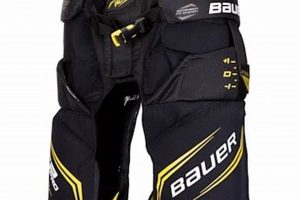
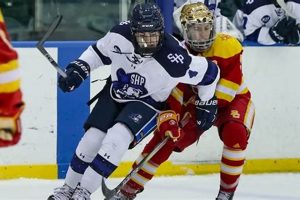
Protective legwear, crucial for ice hockey players, shields the lower body from impacts, abrasions, and slashes during gameplay. These essential garments are designed to offer maximum protection while enabling unrestricted movement. For example, a player might seek equipment offering enhanced hip padding coupled with a streamlined fit for optimal performance.
Selecting appropriate leg protection contributes significantly to player safety and confidence. Adequate padding minimizes the risk of injuries such as hip pointers, thigh contusions, and lacerations. Historically, advancements in materials and design have greatly improved the protective capabilities and comfort of these garments, allowing players to perform at their peak with reduced fear of injury. The evolution of this equipment reflects a commitment to player well-being and enhanced performance.
A detailed exploration of factors influencing the selection of these protective leg garments, including fit, protection level, and material composition, will now be presented. This comprehensive guide will assist in making informed decisions regarding suitable equipment choices for various levels of play and individual player needs.
Guidance on Protective Ice Hockey Legwear Selection
The following recommendations aim to inform the selection process for protective legwear used in ice hockey, focusing on maximizing safety and performance through appropriate equipment choices.
Tip 1: Assess Level of Play: Equipment requirements vary depending on the intensity and frequency of gameplay. Higher-level players typically require more robust protection due to the increased risk of impact and injury.
Tip 2: Prioritize Fit and Mobility: Proper fit ensures both protection and freedom of movement. Legwear should allow for a full range of motion without restricting skating stride or agility.
Tip 3: Evaluate Protection Coverage: Examine the coverage provided by key areas, including the hips, thighs, and tailbone. Adequate padding in these zones is essential for mitigating injury risk.
Tip 4: Consider Material Construction: The materials used in construction affect durability, weight, and breathability. Look for durable, lightweight fabrics that allow for moisture management and ventilation.
Tip 5: Inspect Closure Systems: Secure closure systems, such as adjustable belts and straps, ensure that the legwear remains properly positioned during gameplay, maintaining consistent protection.
Tip 6: Examine Padding Density: Padding density correlates directly with impact absorption. Higher-density foams provide superior protection against high-velocity impacts.
Tip 7: Check for Certifications: Ensure the legwear meets relevant safety standards and certifications. These certifications indicate that the equipment has undergone testing and meets specified performance criteria.
Adhering to these guidelines promotes informed decision-making, ultimately contributing to enhanced player safety and optimal on-ice performance.
The subsequent sections will explore specific product features and materials that further influence equipment selection, providing a comprehensive understanding of protective legwear options.
1. Maximum Impact Absorption

Maximum impact absorption represents a critical attribute of protective legwear in ice hockey. Its effectiveness directly correlates with player safety, mitigating the risk of injury from collisions, falls, and errant pucks. Selection of legwear that prioritizes this feature is paramount.
- Padding Material Composition
The materials used within the legwears construction significantly influence impact absorption capabilities. High-density foams, such as polyethylene (PE) and ethyl vinyl acetate (EVA), are frequently employed to dissipate energy upon impact. The specific formulation and density of these foams directly determine the level of protection provided. Strategic layering and zonal arrangements of these materials further enhance their effectiveness. Consider, for instance, legwear incorporating a dual-density foam system, where a softer inner layer absorbs initial impact, while a denser outer layer provides secondary protection against higher-force collisions.
- Strategic Padding Placement
Effective impact absorption necessitates strategic placement of protective padding in areas most susceptible to injury. Key zones include the hips, thighs, tailbone, and kidneys. Reinforcements in these regions are vital for dispersing force and reducing the risk of contusions, fractures, and other trauma. For example, enhanced padding around the hip area minimizes the potential for hip pointers, a common injury among ice hockey players.
- Testing and Certification Standards
Legwear designed for maximum impact absorption should adhere to established testing and certification standards. These standards, often governed by organizations such as ASTM International, provide a benchmark for evaluating the protective capabilities of the equipment. Certification signifies that the legwear has undergone rigorous testing and meets specified performance criteria for impact resistance. Purchasing certified equipment offers assurance of a defined level of protection.
- Fit and Coverage
Proper fit directly influences impact absorption effectiveness. Legwear that fits snugly and provides adequate coverage ensures that protective padding remains properly positioned during gameplay. Gaps or loose-fitting equipment can compromise protection by allowing direct impact to exposed areas. Ensuring correct sizing and secure fastening systems are critical for maximizing the intended protective capabilities of the legwear. Ill-fitting legwear can shift during play, leaving areas vulnerable to injury.
The factors described converge to determine the overall impact absorption capabilities of protective legwear. Prioritizing materials, strategic padding placement, adherence to safety standards, and proper fit are essential considerations when seeking equipment that effectively mitigates injury risk and enhances player safety. The integration of these elements represents the pinnacle of protective design in ice hockey equipment, exemplifying a commitment to player well-being and optimal performance.
2. Unrestricted Movement
Unrestricted movement is a paramount consideration in the design and selection of protective legwear for ice hockey. Impediments to a player’s range of motion can negatively impact skating efficiency, agility, and overall performance. The optimal legwear facilitates dynamic movement while maintaining necessary protection.
- Ergonomic Design and Articulation
Ergonomic design principles dictate the shaping and construction of the legwear to align with the natural biomechanics of skating. Articulation, achieved through strategically placed flex zones, allows for a greater range of motion in the hips and knees. For example, gussets made of stretchable materials in the inner thigh area permit deeper strides and improved flexibility. A design that fails to consider anatomical movement patterns can lead to discomfort and restricted performance.
- Lightweight Construction
Weight directly impacts a player’s speed and endurance. Legwear constructed from lightweight materials, such as advanced synthetic fabrics and low-density foams, minimizes added burden without compromising protection. Excessive weight can lead to premature fatigue and reduced agility. Equipment incorporating reinforced but lightweight materials exemplifies a design focused on maximizing both protection and maneuverability.
- Streamlined Fit
A streamlined fit minimizes bulk and maximizes aerodynamic efficiency. Legwear that conforms closely to the body reduces drag and allows for a more natural skating posture. A baggy or ill-fitting design can create unnecessary resistance, hindering speed and agility. A properly tailored fit allows the player to move freely without constraint, optimizing performance.
- Flexibility of Materials
The inherent flexibility of the materials used in the legwear directly influences range of motion. Materials that stretch and conform to the body’s movements allow for a more unrestricted skating stride. Rigid or inflexible materials can create resistance and limit agility. Integrated stretch panels in key areas enhance mobility and contribute to a more comfortable and responsive fit.
The culmination of ergonomic design, lightweight construction, streamlined fit, and flexible materials enables unrestricted movement. Legwear exhibiting these characteristics contributes significantly to enhanced player performance, allowing for greater speed, agility, and overall skating efficiency, thus embodying key attributes of effective protective equipment.
3. Durable Material Construction

Durable material construction forms a cornerstone of effective protective legwear in ice hockey. The capacity of these garments to withstand the rigors of on-ice activity directly impacts their longevity and ability to safeguard players from injury. Material selection and construction techniques are therefore paramount in defining the quality and utility of these protective items.
- Abrasion Resistance
Ice hockey involves frequent contact with the ice surface, boards, and other players. The outer shell of protective legwear must resist abrasion to prevent tearing and degradation of protective padding. High-denier nylon and reinforced polyester fabrics are commonly employed for their exceptional resistance to wear. Failure to use abrasion-resistant materials can lead to premature failure of the garment, compromising its protective capabilities. For example, a legwear constructed with a ballistic nylon outer shell will offer greater resistance to cuts and abrasions than one using a standard polyester fabric.
- Impact Resistance
The materials used in protective legwear must effectively absorb and disperse impact forces resulting from collisions and puck strikes. High-density foams, such as polyethylene (PE) and ethyl vinyl acetate (EVA), are strategically incorporated to provide impact protection. The density and layering of these foams contribute significantly to their ability to mitigate the risk of injury. Legwear employing multiple layers of varying density foams offer superior impact protection compared to single-layer designs. A high-quality garment integrates impact-resistant foams with durable outer fabrics for comprehensive protection.
- Seam Strength and Stitching Quality
The seams and stitching represent critical structural elements of protective legwear. Weak or poorly executed seams can fail under stress, leading to garment failure and compromised protection. Reinforced stitching techniques, such as double or triple stitching, enhance seam strength and durability. The use of high-tensile-strength thread further minimizes the risk of seam failure. A garment featuring meticulously reinforced seams provides greater assurance of structural integrity and longevity, even under intense use.
- Resistance to Degradation from Moisture and Temperature
Ice hockey environments expose equipment to moisture and fluctuating temperatures. Durable materials must resist degradation from prolonged exposure to these conditions. Fabrics and foams with moisture-wicking properties help to manage sweat and prevent the growth of bacteria, while also maintaining their structural integrity. UV-resistant treatments prevent fading and weakening of materials from exposure to ice rink lighting. Legwear constructed from materials resistant to these factors will maintain its protective capabilities and appearance over an extended lifespan.
The aforementioned facets of durable material construction collectively define the quality and reliability of protective legwear. Prioritizing abrasion resistance, impact resistance, seam strength, and resistance to environmental degradation ensures that the equipment provides sustained protection and withstands the demands of ice hockey. Legwear embodying these characteristics represents a sound investment in player safety and performance, exemplifying the attributes of effective protective equipment.
4. Customizable Comfort

Protective legwear in ice hockey necessitates a balance between safety and comfort. Customizable comfort addresses the individualized needs of athletes, enhancing their focus and performance by minimizing distractions caused by ill-fitting or uncomfortable equipment. The degree to which legwear can be adapted to the specific anatomy and preferences of a player directly affects their ability to move freely and confidently on the ice. Therefore, “customizable comfort” is not merely a luxury but a functional component integral to the concept of “best ice hockey pants”.
Factors contributing to customizable comfort include adjustable straps, removable padding, and variations in sizing. Adjustable straps at the waist and thighs allow players to fine-tune the fit, ensuring that the legwear remains secure and in the correct position without restricting movement. Removable padding provides the option to modify the level of protection and adjust the fit to accommodate individual body shapes or preferences. A wide range of sizes, including options for length and waist circumference, ensures that players can find legwear that closely matches their body dimensions. An example illustrates the effect of customizable comfort: A player with particularly muscular thighs might seek legwear with adjustable thigh straps and removable padding to prevent constriction and optimize their range of motion.
In summary, “customizable comfort” significantly enhances the value of protective legwear. By enabling players to tailor the fit and feel of their equipment to their specific needs, it minimizes distractions, promotes freedom of movement, and ultimately contributes to improved performance and enjoyment of the sport. The challenge lies in balancing adjustability with maintaining structural integrity and protective capabilities. Legwear designs that successfully integrate these elements represent the pinnacle of effective and comfortable protective gear, exemplifying key attributes of the best protective legwear available.
5. Secure Fit System
A secure fit system is not merely an adjunct to protective legwear; it constitutes an indispensable element for achieving optimal protection and performance. A poorly secured garment compromises protection, regardless of its inherent padding or material quality. The connection between a secure fit system and effective legwear lies in its ability to maintain proper positioning of protective elements during dynamic movement. Without a reliable system to keep padding in place, impacts can bypass intended protective zones, increasing the risk of injury. A secure system, therefore, directly influences the garment’s functionality under real-world conditions. For example, legwear featuring a dual-closure systemincorporating both an adjustable belt and internal suspender loopsoffers a higher degree of security compared to designs relying solely on a single belt. This dual approach minimizes the risk of slippage during high-intensity skating.
The design of a secure fit system also impacts player comfort and confidence. Systems that create pressure points or restrict movement can negatively affect performance by inducing discomfort or limiting range of motion. Conversely, a well-designed system distributes pressure evenly and integrates seamlessly with the player’s movements. Consider legwear utilizing a padded belt with a wide adjustment range; this design accommodates a broader range of body types and reduces the likelihood of chafing or discomfort. Furthermore, the ease of use and adjustability are crucial. A complex or difficult-to-adjust system can lead to improper fit, undermining its effectiveness. Simple, intuitive designs that allow for quick and accurate adjustments are essential for maximizing player compliance and ensuring consistent protection.
Ultimately, the significance of a secure fit system in determining the effectiveness of protective legwear cannot be overstated. It is a critical link between design intent and real-world performance. The most sophisticated padding and materials are rendered less effective if they are not reliably positioned to absorb impacts. The challenge lies in creating systems that balance security, comfort, and ease of use. Legwear that successfully integrates these elements provides a demonstrable advantage in terms of safety and performance, embodying characteristics of effective protective equipment.
6. Moisture Management

Moisture management constitutes a crucial aspect of protective legwear, directly impacting player comfort, performance, and hygiene. The ability of ice hockey pants to effectively manage moisture accumulation is a significant determinant of their overall quality and suitability for intense physical activity.
- Fabric Wicking Properties
The wicking properties of the fabric liner are essential for drawing moisture away from the skin. Materials such as polyester and microfiber are engineered with inherent wicking capabilities, facilitating the evaporation of sweat and preventing the build-up of moisture against the body. Legwear lacking efficient wicking properties will result in discomfort, chafing, and increased susceptibility to skin irritation. For instance, a high-performance ice hockey pants will typically feature a liner constructed from a blend of moisture-wicking fibers, ensuring optimal dryness and comfort during prolonged activity.
- Ventilation Design
Ventilation plays a critical role in promoting airflow and dissipating heat, thereby contributing to moisture management. Strategically placed ventilation zones, such as mesh panels or breathable fabrics, allow for the circulation of air and the removal of moisture vapor. Inadequate ventilation can lead to increased sweating and the retention of moisture within the legwear. As an illustration, certain ice hockey pants incorporate mesh inserts in the upper thigh area to enhance airflow and reduce moisture accumulation in high-sweat zones.
- Antimicrobial Treatments
Moisture accumulation creates a breeding ground for bacteria, leading to unpleasant odors and potential skin infections. Antimicrobial treatments, such as silver-based technologies, inhibit the growth of odor-causing bacteria and fungi. These treatments contribute to maintaining hygiene and extending the lifespan of the legwear. Ice hockey pants treated with antimicrobial agents offer a superior level of hygiene and odor control compared to those without such treatments.
- Padding Material Breathability
The breathability of the padding materials is another crucial factor in moisture management. Dense, non-breathable padding can trap heat and moisture, creating an uncomfortable and unhygienic environment. Padding materials that allow for airflow, such as open-cell foams or perforated designs, promote ventilation and facilitate the evaporation of sweat. The best ice hockey pants utilize a combination of breathable fabrics and ventilated padding to optimize moisture management and maintain player comfort.
Effective moisture management is inextricably linked to the overall quality and performance of protective legwear. By incorporating moisture-wicking fabrics, strategic ventilation, antimicrobial treatments, and breathable padding materials, ice hockey pants can enhance player comfort, maintain hygiene, and contribute to improved performance on the ice. Legwear lacking these features will inevitably compromise player comfort and increase the risk of discomfort and skin irritation.
Frequently Asked Questions
The following questions address common inquiries regarding the selection, maintenance, and performance characteristics of protective legwear used in ice hockey.
Question 1: What factors determine the level of protection required in protective legwear?
The level of protection required is directly proportional to the intensity and frequency of play. Higher levels of competition necessitate legwear with greater impact absorption capabilities due to the increased risk of collisions and high-velocity impacts.
Question 2: How does the fit of protective legwear influence its effectiveness?
Proper fit is critical for ensuring that protective padding remains correctly positioned during gameplay. Ill-fitting legwear can shift, leaving areas vulnerable to injury. Snug but not restrictive fit maximizes protection and range of motion.
Question 3: What materials are commonly used in the construction of durable protective legwear?
High-denier nylon, reinforced polyester, and polyethylene (PE) foams are frequently employed due to their abrasion resistance, impact absorption, and overall durability. The specific blend and construction techniques vary depending on the desired performance characteristics.
Question 4: How can moisture management features enhance the comfort and performance of protective legwear?
Moisture-wicking fabrics, ventilation zones, and antimicrobial treatments promote airflow, reduce moisture accumulation, and inhibit the growth of odor-causing bacteria. These features contribute to maintaining a dry, comfortable, and hygienic environment during intense physical activity.
Question 5: What role do certifications play in ensuring the safety of protective legwear?
Certifications indicate that the legwear has undergone rigorous testing and meets established safety standards for impact resistance and other performance criteria. Purchasing certified equipment provides assurance of a defined level of protection.
Question 6: How should protective legwear be properly maintained to prolong its lifespan and effectiveness?
Regular cleaning, proper drying, and avoidance of extreme temperatures are essential for maintaining the integrity of the materials and padding. Inspecting for signs of wear and tear and promptly repairing or replacing damaged components will further extend the lifespan of the equipment.
Selecting appropriate protective legwear requires careful consideration of multiple factors, including level of play, fit, materials, and maintenance. Addressing these considerations will contribute to enhanced player safety and optimal on-ice performance.
The subsequent section will delve into the impact of design innovations on the evolution of protective ice hockey equipment.
Concluding Remarks on Protective Ice Hockey Legwear
This article has systematically examined the critical attributes defining effective protective legwear, specifically focusing on elements such as impact absorption, unrestricted movement, durable construction, customizable comfort, secure fit, and moisture management. These factors collectively contribute to player safety and enhanced performance within the demanding environment of ice hockey.
The pursuit of superior protective legwear remains a priority for both athletes and equipment manufacturers. Continued innovation in materials science and design, coupled with a commitment to rigorous testing and safety standards, will drive advancements in the field, ultimately reducing the risk of injury and improving the overall experience of participating in the sport.