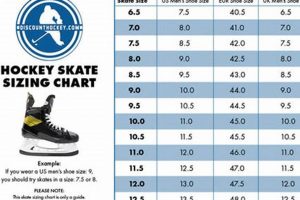
The equipment used in figure skating and ice hockey is specialized to meet the distinct demands of each sport. At the most fundamental level, the blades and boots differ significantly, influencing maneuverability, speed, and overall performance on the ice.
These variations are not arbitrary; they are a result of the differing movements and requirements inherent in each discipline. The design choices reflect the need for artistry and precision in one sport and the demand for agility and protection in the other. Understanding these distinctions can enhance appreciation for the athleticism involved in both activities.
Examining blade construction, boot support, and intended use reveals key differences in equipment design, thereby differentiating implements essential for each sport. The following sections will detail those core variations.
Essential Considerations When Selecting Skates
Choosing appropriate skates is paramount for safety and optimal performance. The subtle yet crucial variations between models designed for figure skating and those built for ice hockey necessitate careful consideration.
Tip 1: Blade Material Matters. The composition of the blade influences edge quality and glide. Higher-grade steel offers superior edge retention, crucial for both intricate figures and aggressive maneuvers.
Tip 2: Ankle Support Is Non-Negotiable. Seek skates with adequate ankle support to prevent injury and maintain stability during complex movements. A rigid boot contributes significantly to overall control.
Tip 3: Blade Profile Impacts Performance. Figure skating blades possess a pronounced rocker for enhanced maneuverability, whereas hockey blades feature a flatter profile for increased speed and stability.
Tip 4: Boot Fit Dictates Comfort and Control. Properly fitted skates are neither too tight, restricting circulation, nor too loose, compromising control. Professional fitting ensures optimal performance.
Tip 5: Consider the Intended Use. Select skates that align with the primary activity. Attempting figure skating in hockey skates, or vice-versa, will impede progress and increase the risk of injury.
Tip 6: Maintenance Prolongs Lifespan. Regular blade sharpening and boot care are essential for maintaining performance and extending the lifespan of the skates. Neglecting maintenance can compromise safety and efficiency.
Tip 7: Seek Expert Advice. Consulting with experienced skaters or skate technicians is invaluable for informed decision-making. Professional guidance ensures appropriate selection based on skill level and intended use.
Selecting suitable skates is crucial for skill development, injury prevention, and overall enjoyment on the ice. These choices impact comfort, control, and the ability to execute specific maneuvers effectively.
In conclusion, recognizing the importance of skate selection lays a strong foundation for progression in either discipline.
1. Blade toe pick

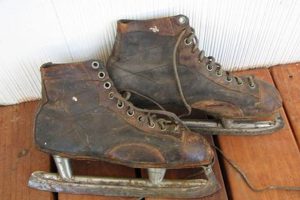
The presence of a toe pick on figure skate blades constitutes a primary differentiating factor from hockey skates. This serrated component, located at the front of the blade, serves as a crucial aid in executing jumps, spins, and other intricate maneuvers characteristic of figure skating. Its absence on hockey skates reflects the sport’s focus on speed, agility, and rapid directional changes, where a toe pick would impede performance and increase the risk of unintended contact with the ice.
Figure skaters leverage the toe pick to initiate jumps, providing a point of leverage for upward propulsion. The pick engages with the ice, allowing the skater to launch into aerial rotations. Spins also rely on the toe pick for controlled entry and stability. In contrast, hockey players require a smooth, uninterrupted blade surface to maximize gliding efficiency and facilitate quick stops and starts. A toe pick would interfere with these movements, hindering the skater’s ability to maintain speed and control during gameplay.
The functional design of the figure skate’s blade, specifically the toe pick, underscores the fundamental difference in performance objectives between figure skating and ice hockey. Recognizing the role of the toe pick provides a clear example of the specialized equipment required to meet the unique demands of each discipline. This variation directly impacts the types of movements that skaters can effectively perform, shaping their overall technique and performance.
2. Boot stiffness

Boot stiffness represents a critical divergence between figure skates and hockey skates. Figure skate boots exhibit a comparatively lower level of stiffness, especially in the ankle region, to allow for the extensive range of motion required for jumps, spins, and artistic expression. This flexibility facilitates deep knee bends and intricate footwork, enabling skaters to execute complex routines with precision and grace. Hockey skate boots, in contrast, prioritize rigidity and support, providing enhanced protection against impacts from pucks, sticks, and other players. The stiff construction restricts ankle movement, promoting stability and power transfer during skating and rapid directional changes.
The level of boot stiffness directly influences the skater’s ability to perform sport-specific skills. A figure skater in overly stiff boots would struggle to achieve the necessary ankle flexion for proper jump landings and spin execution. Conversely, a hockey player in flexible boots would lack the stability required for aggressive skating maneuvers and could be more susceptible to ankle injuries. The selection of appropriate boot stiffness is therefore paramount for optimizing performance and minimizing the risk of injury. Manufacturers tailor boot stiffness to suit the specific demands of each sport, utilizing varying materials and construction techniques to achieve the desired level of support and flexibility. The use of heat-moldable materials further allows for customization, ensuring a precise and comfortable fit that enhances performance and protection.
In summation, boot stiffness serves as a key determinant distinguishing implements used by athletes in figure skating versus ice hockey. Each configuration plays an integral role in supporting the unique physical demands of its sport, contributing substantially to each activity. The choice of appropriate stiffness improves skating efficiency, as well as safety.
3. Blade curvature

Blade curvature, also referred to as blade rocker, constitutes a significant differentiating factor. Figure skate blades exhibit a more pronounced curve along their length compared to hockey skate blades. This increased curvature facilitates enhanced maneuverability, allowing figure skaters to navigate tight turns and perform intricate footwork with greater ease. The deeper rocker enables quicker transitions between edges, a necessity for executing jumps, spins, and other artistic elements characteristic of the sport. Conversely, hockey skate blades feature a flatter profile, designed to maximize speed and stability. The reduced curvature provides a larger contact area with the ice, promoting efficient gliding and powerful strides, essential for the fast-paced nature of ice hockey.
The differing blade curvatures directly impact a skater’s ability to perform sport-specific skills. Attempting to execute advanced figure skating maneuvers on hockey skates would be significantly hindered by the flatter blade profile, limiting agility and edge control. Similarly, using figure skates for hockey would compromise speed and stability, making it difficult to maintain balance during aggressive skating and high-speed turns. For example, a hockey player attempting a quick stop and change of direction on figure skates would likely find the blade too unstable due to the increased rocker, leading to a loss of control. Conversely, a figure skater trying to execute a precise edge jump on hockey skates would struggle to find the necessary bite and control, impacting jump quality and landing stability.
In conclusion, blade curvature represents a key distinction between implements used by athletes in figure skating versus ice hockey. The subtle differences in rocker profile contribute significantly to the unique physical demands and performance objectives of each sport. The shape of the blade impacts a skaters ability to complete movements safely and with control. These qualities emphasize the functional imperative of this specific design variation.
4. Ankle support
Ankle support stands as a defining characteristic differentiating figure skates from hockey skates. The level of support provided directly reflects the distinct physical demands and injury risks associated with each sport. In figure skating, a degree of ankle mobility is necessary to facilitate deep knee bends, intricate footwork, and expressive movements. Therefore, figure skate boots offer moderate support, allowing for a greater range of motion. The trade-off lies in a potentially increased risk of ankle sprains if proper technique is not maintained. Consider, for example, the landing of a triple axel jump, where controlled ankle flexion is crucial for shock absorption. Rigid ankle support would restrict this movement, potentially leading to a more forceful impact on the joints.
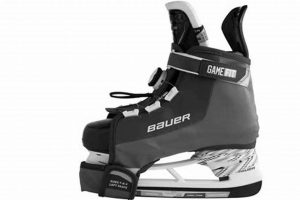
Conversely, hockey skates prioritize maximal ankle support to protect against high-impact collisions, errant pucks, and the rapid directional changes inherent in the sport. Stiff, reinforced boots restrict ankle movement, providing a stable platform for powerful strides and preventing injuries from external forces. A hockey player absorbing a check into the boards experiences significant force on the ankle joint. Without adequate support, the risk of fractures or severe sprains increases substantially. The rigidity, however, can limit the skater’s ability to perform certain intricate maneuvers, favoring speed and stability over artistic expression. The materials used in construction, such as molded plastics and composite materials, further enhance the protective function of hockey skate boots.
Ultimately, the contrasting levels of ankle support underscore the fundamental differences in athletic requirements between figure skating and ice hockey. Each skate design reflects a specific balance between mobility, stability, and protection, tailored to minimize injury risk and optimize performance within the context of each sport. Understanding these distinctions allows athletes and consumers to make informed equipment choices, ensuring they select the appropriate gear for their chosen activity. The differences in ankle support highlight the degree to which specialized equipment is essential for both safety and peak athletic performance.
5. Blade material

The composition of the blade is a key factor differentiating figure skates and hockey skates, significantly impacting performance, durability, and edge quality. The materials used are carefully selected to withstand the unique stresses and demands of each sport.
- Steel Grade and Hardness
Figure skate blades often utilize higher-grade carbon steel compared to hockey skates. This choice maximizes edge retention, crucial for executing precise figures and maintaining control during complex maneuvers. The increased hardness allows for finer edge work. Hockey skate blades, while also made of steel, may prioritize a balance between hardness and flexibility to withstand the impact of pucks and collisions. The blade’s ability to resist chipping or cracking is a primary concern in hockey, while in figure skating, the focus is more on maintaining a sharp, consistent edge for intricate patterns.
- Blade Coating and Treatments
Various coatings and treatments are applied to skate blades to enhance performance and durability. Figure skate blades may incorporate coatings that reduce friction, improving glide and speed across the ice. These treatments also protect against corrosion and wear. Hockey skate blades might undergo treatments to increase surface hardness, making them more resistant to damage from impacts with the ice, pucks, or other skates. The specific treatments employed depend on the performance characteristics desired, reflecting the distinct needs of each sport.
- Blade Thickness and Profile
While not directly a material property, blade thickness and profile are closely linked to the chosen materials. Figure skate blades often have a more complex profile and may be slightly thinner than hockey blades to enhance agility and edge control. The thinner profile allows for quicker transitions between edges. Hockey skate blades tend to be thicker and have a simpler, flatter profile to provide stability and power. The thicker blade can withstand greater force and impact. The material selection must therefore accommodate the desired blade thickness and profile, ensuring structural integrity and optimal performance.
- Rust Resistance and Maintenance
The blade’s susceptibility to rust is a concern for both figure and hockey skates. Higher-grade steel, while offering superior performance, may be more prone to rusting if not properly maintained. Protective coatings and regular cleaning are essential to prevent corrosion and extend the lifespan of the blades. Hockey skate blades, often exposed to moisture and ice debris, require diligent care to prevent rust formation, which can compromise performance and safety. The material’s inherent rust resistance, coupled with appropriate maintenance practices, contributes significantly to the longevity and effectiveness of both types of skates.
These multifaceted differences in blade material, coatings, and treatments collectively underscore the specialized design requirements of figure skates and hockey skates. The selection of appropriate materials is guided by the specific demands of each sport, optimizing performance, durability, and safety. In summary, this choice impacts athlete abilities while executing each sport.
6. Boot height

Boot height, measured from the sole to the top of the boot, represents a subtle yet functionally significant distinction between implements used in figure skating and ice hockey. The variance in height directly impacts ankle support, range of motion, and overall stability, reflecting the differing athletic demands of each discipline.
- Range of Motion and Flexibility
Figure skates typically feature a lower boot height compared to hockey skates. This lower profile allows for a greater range of ankle flexion, essential for performing deep knee bends, intricate footwork, and expressive movements. The reduced height facilitates the flexibility required for jumps, spins, and artistic interpretation. A higher boot in figure skating would restrict ankle movement, hindering a skater’s ability to execute complex routines with fluidity and grace. The skater can therefore move unhindered.
- Ankle Support and Protection
Hockey skates, conversely, incorporate a higher boot height to provide enhanced ankle support and protection against impacts, collisions, and the forces generated during rapid directional changes. The increased height restricts ankle movement, promoting stability and preventing injuries from errant pucks or aggressive checks. This design choice prioritizes safety and stability over maximum flexibility. Without proper ankle support, a hockey player could be at risk for serious injuries.
- Center of Gravity and Stability
The height of the boot also influences the skater’s center of gravity and overall stability. A lower boot height in figure skates can lower the center of gravity, enhancing balance and control during spins and intricate maneuvers. A higher boot height in hockey skates elevates the center of gravity slightly, providing a more stable platform for powerful strides and quick stops. The relationship between boot height and center of gravity is carefully considered to optimize performance within each sport’s unique context.
- Material Composition and Stiffness
Boot height is often correlated with the materials used and the overall stiffness of the boot. Taller hockey skate boots often incorporate stiffer materials, such as reinforced plastics or composite materials, to maximize support and protection. Shorter figure skate boots may utilize more flexible materials to allow for greater ankle mobility. The interplay between boot height, material selection, and stiffness contributes to the overall performance characteristics of each type of skate, reflecting the specialized needs of figure skating and ice hockey.
In summary, boot height represents a subtle yet functionally critical distinction between skates for figure skating and hockey. While seemingly simple, the boots height can greatly impact movement. The designs prioritize ankle support and range, thus reflecting distinct athletic requirements for each sporting activity.
7. Weight
Weight serves as a pertinent differentiator, influencing agility, endurance, and the overall performance of athletes engaged in figure skating versus ice hockey. The mass of the skate directly affects the energy expenditure required for movement and the skater’s ability to execute various techniques.
- Material Composition and Construction
Figure skates often employ lighter materials in their construction to enhance agility and facilitate complex maneuvers. While prioritizing performance, durability is carefully balanced. In contrast, hockey skates tend to incorporate more robust, heavier materials to withstand impacts from pucks, sticks, and collisions with other players. The added weight provides enhanced protection and stability, essential for the aggressive nature of the sport.
- Impact on Agility and Speed
Lighter figure skates allow for quicker acceleration and more effortless execution of jumps, spins, and intricate footwork. The reduced mass minimizes the energy required to initiate and control movements. Conversely, heavier hockey skates, while potentially reducing agility slightly, provide a more stable platform for powerful strides and rapid directional changes. The added weight can enhance momentum, particularly during aggressive skating maneuvers.
- Endurance and Energy Expenditure
Prolonged use of heavier hockey skates can lead to increased fatigue due to the higher energy expenditure required for each stride. This factor is particularly relevant during extended periods of gameplay. Lighter figure skates reduce the metabolic cost of skating, allowing athletes to maintain performance levels for longer durations. While the difference in weight may seem marginal, it accumulates over the course of a practice or competition, impacting overall endurance.
- Blade and Boot Design Trade-offs
The weight of the skate is often intertwined with design choices related to blade composition, boot stiffness, and overall structure. A lighter blade may compromise durability, while a lighter boot may sacrifice ankle support. Manufacturers must carefully balance weight reduction with performance and safety considerations. For example, to reduce weight and improve skate agility, figure skaters blades are made from lighter material, while sacrificing some durability. The trade-offs made reflect the prioritization of different performance attributes in each sport.
Ultimately, the weight differential underscores the divergent performance priorities inherent in figure skating and ice hockey. Each design caters to the specific physical demands and risk factors associated with its respective sport. Recognizing weight distribution enables both athlets and spectators to recognize the differences between equipment as well as the reasoning for each design choice, thus contributing to increased understanding.
Frequently Asked Questions
This section addresses common inquiries regarding the differentiating characteristics, providing insight into the unique requirements of each discipline.
Question 1: Is it feasible to use hockey skates for figure skating or vice versa?
Using hockey skates for figure skating is generally inadvisable due to the absence of a toe pick and the differences in blade curvature and boot stiffness, which hinder the execution of jumps and spins. Conversely, figure skates lack the necessary protection and stability for the high-impact nature of ice hockey, increasing the risk of injury.
Question 2: What is the principal function of the toe pick on figure skates?
The toe pick serves as a critical tool for initiating jumps, providing a point of leverage for upward propulsion. It also aids in the controlled entry and stability of spins. The absence of a toe pick on hockey skates prevents interference with the rapid gliding and directional changes essential for gameplay.
Question 3: How does boot stiffness differ between the two types of skates, and why?
Figure skate boots typically exhibit a lower level of stiffness, particularly in the ankle region, to allow for the extensive range of motion needed for complex movements. Hockey skate boots prioritize rigidity and support to provide enhanced protection against impacts and promote stability during skating maneuvers.
Question 4: How does blade curvature (rocker) impact skating performance?
Figure skate blades possess a more pronounced curvature, facilitating enhanced maneuverability and quicker transitions between edges for jumps and spins. Hockey skate blades feature a flatter profile to maximize speed and stability, promoting efficient gliding and powerful strides.
Question 5: Does blade material affect edge quality and glide?
Yes, blade material significantly influences edge quality and glide. Higher-grade carbon steel, often used in figure skates, offers superior edge retention. Various coatings and treatments are applied to both types of blades to enhance performance, durability, and rust resistance.
Question 6: Are there differences in ankle support and boot height?
Yes, hockey skates have generally higher boots that enhance the protection and ankle support. Figure skates generally have lower boots to allow more ankle flextion during jumps and spins.
In summary, critical differences in equipment for the two activities directly influence an athlete’s ability to safely execute their respective sports. Each skates design supports a specific set of athletic requirements.
The subsequent section delves into advanced topics related to skate customization and maintenance.
In Conclusion
This exploration of what’s the difference between figure skates and hockey skates reveals fundamental design variations dictated by each sport’s unique physical demands. Blade configuration, boot stiffness, ankle support, and material composition diverge significantly, serving specific performance and safety objectives. Recognizing these elements allows for informed equipment selection and promotes a deeper appreciation for the athletic requirements of figure skating and ice hockey.
Continued advancements in skate technology promise further refinements in performance and protection. Understanding the principles outlined herein remains essential for athletes, coaches, and enthusiasts seeking to optimize their experience on the ice. Awareness of these differences promotes skill enhancement and overall well-being across both sporting fields.