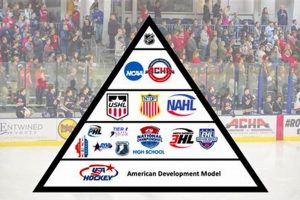
A foundational level of youth ice hockey, this program typically introduces children aged five to eight to the fundamentals of the sport. It emphasizes skill development, teamwork, and sportsmanship through structured practices and modified game play. The environment is designed to be fun and supportive, fostering a positive first experience with ice hockey.
Participation at this introductory stage offers numerous advantages. It provides an early opportunity to develop physical literacy, including skating proficiency, hand-eye coordination, and agility. Furthermore, it instills valuable life skills such as cooperation, discipline, and respect for teammates and opponents. The initiation of organized youth hockey programs dates back several decades, with ongoing adaptations to age-appropriate training methods.
The subsequent sections will delve into specific aspects of this program, including equipment requirements, coaching strategies tailored for young players, and the overall structure of practices and games designed to maximize skill acquisition and enjoyment.
Essential Guidance for Mini Mites Hockey
The following guidelines offer valuable insights for optimizing the experience for young participants in this introductory level of ice hockey.
Tip 1: Prioritize Skill Development: Focus on fundamental skating techniques, stickhandling, and passing skills over complex game strategies. Emphasize repetition and positive reinforcement during practices.
Tip 2: Foster a Positive Environment: Create a supportive and encouraging atmosphere where players feel comfortable taking risks and learning from mistakes. Discourage excessive competition or pressure.
Tip 3: Emphasize Fun and Engagement: Keep practices and games engaging and enjoyable. Incorporate games and activities that promote active participation and laughter.
Tip 4: Implement Age-Appropriate Training: Adjust drills and activities to match the developmental stage of the players. Avoid exercises that are too complex or physically demanding.
Tip 5: Promote Sportsmanship and Respect: Instill values of fair play, respect for teammates, opponents, and officials. Emphasize the importance of teamwork and cooperation.
Tip 6: Ensure Proper Equipment Fit: Ensure that all players have properly fitted equipment to maximize safety and comfort. Regular checks should be conducted to maintain equipment integrity.
Tip 7: Encourage Parental Involvement: Engage parents as active participants in the program. Provide them with information and resources to support their child’s development.
Adhering to these recommendations will contribute to a more positive and productive experience for young athletes, fostering a lifelong love for the sport.
The article will conclude with a summary of best practices and future considerations for optimizing youth hockey programs.
1. Skill-Based Focus

The cornerstone of successful youth ice hockey programs rests on a strong skill-based focus. In this context, the emphasis on fundamental skating techniques, stickhandling proficiency, and accurate passing abilities at this introductory level cannot be overstated. A program prioritizing skill development over early competitive pressures establishes a foundation for long-term player growth. It enables players to cultivate the technical abilities necessary for advancement to more complex tactical aspects of the sport. Without a solid base of fundamental skills, progression to higher levels becomes significantly more challenging, potentially leading to frustration and attrition. For example, consider a scenario where a young player lacks basic skating agility. This deficiency directly impacts their ability to effectively participate in drills and game situations, hindering their overall development and potentially leading to a decreased enjoyment of the sport. The practical significance of skill acquisition at this stage is that it ensures that each participant develops a core competency that supports their continued engagement with ice hockey.
Furthermore, implementing a skill-based approach necessitates a carefully structured curriculum designed to address the specific needs and capabilities of young learners. This involves breaking down complex skills into manageable components, utilizing age-appropriate drills, and providing ample opportunities for repetition and positive reinforcement. Coaches must be equipped with the knowledge and resources to effectively teach these skills, focusing on proper technique and providing constructive feedback. For instance, instead of simply instructing players to “skate faster,” a skill-based approach would involve teaching specific skating techniques, such as proper stride mechanics, edge control, and balance. This structured and targeted instruction ensures that each player receives individualized attention and support, maximizing their potential for improvement.
In conclusion, a dedicated skill-based focus is not merely a recommended component of effective youth ice hockey programs; it is an essential prerequisite for ensuring a positive and developmental experience for all participants. The emphasis on fundamental skill acquisition not only lays the groundwork for future success on the ice but also fosters a love for the sport and instills valuable life skills such as perseverance, discipline, and teamwork. While challenges may arise in maintaining this focus amidst the pressures of early competition, prioritizing skill development remains paramount for fostering a thriving youth hockey environment.
2. Safe Equipment Practices
The implementation of stringent safe equipment practices is a fundamental component of youth ice hockey programs. The absence of correctly fitted and well-maintained protective gear directly elevates the risk of injury. For instance, an improperly sized helmet fails to adequately protect against head trauma, while ill-fitting skates can compromise a skater’s balance and increase the likelihood of falls, resulting in sprains or fractures. The inherent physical nature of ice hockey, even at the introductory level, necessitates a proactive approach to equipment safety. This includes regular inspections to identify and rectify any damage or wear and tear that could compromise the protective integrity of the gear. A commitment to safety protocols serves to mitigate potential hazards and fosters a secure environment for skill development.
Effective implementation also involves educating participants, parents, and coaches about the importance of proper equipment usage. This includes instruction on how to correctly fasten and adjust protective gear, as well as guidance on recognizing signs of damage or wear that may necessitate replacement. For example, a coach might demonstrate the proper method for tightening helmet straps to ensure a secure fit, while a parent could be instructed on how to check for cracks or damage in a player’s shoulder pads. By instilling a culture of safety awareness, programs can empower all stakeholders to actively contribute to injury prevention. Furthermore, programs often conduct equipment checks prior to practices and games to confirm that all players are adequately protected. This proactive measure helps to identify and address any potential safety concerns before they can lead to an injury.
In conclusion, safe equipment practices are not merely an ancillary consideration but a core element of responsible program management. The adherence to established safety protocols, coupled with comprehensive education, is essential for minimizing the risk of injury and fostering a positive and sustainable environment for youth participation in the sport. The commitment to safety reflects a recognition of the inherent risks associated with ice hockey and a proactive approach to mitigating those risks through careful attention to equipment standards and practices.
3. Positive Coaching Environment

A positive coaching environment fundamentally shapes the experience of young athletes in youth ice hockey programs. At the mini mites level, the coach’s influence is paramount. The creation of a supportive and encouraging atmosphere directly affects player engagement, skill development, and overall enjoyment. A positive coaching environment minimizes performance anxiety and fosters a willingness to take risks, essential for mastering new skills. For example, a coach who emphasizes effort and improvement over immediate results cultivates resilience and a growth mindset in young players.
This environment is characterized by clear communication, constructive feedback, and consistent positive reinforcement. Coaches who effectively communicate expectations and provide specific, actionable feedback empower players to understand their strengths and areas for improvement. Conversely, a negative coaching environment, characterized by harsh criticism or excessive pressure, can lead to decreased motivation, fear of failure, and potential dropout. The practical application of this understanding lies in coach training and development programs that emphasize effective communication strategies, positive reinforcement techniques, and the importance of creating a fun and inclusive learning environment.
In summary, a positive coaching environment is not merely a desirable attribute but a critical determinant of success in youth ice hockey programs. It fosters skill development, encourages participation, and instills valuable life lessons. The ongoing challenge lies in ensuring that all coaches are equipped with the necessary skills and resources to create and maintain such an environment, thereby maximizing the positive impact on young athletes.
4. Teamwork & Sportsmanship

The development of teamwork and sportsmanship constitutes a crucial aspect of participation at the mini mites hockey level. These principles extend beyond the acquisition of athletic skills, instilling fundamental values applicable to various aspects of life. The formative nature of this stage emphasizes the importance of cultivating positive social behaviors.
- Cooperative Play
Cooperative play involves the synchronized efforts of players to achieve a common objective. In mini mites hockey, this manifests as passing the puck, supporting teammates during offensive or defensive plays, and executing predetermined strategies. Failure to cooperate can result in missed opportunities and a breakdown in team cohesion. Successful cooperative play fosters a sense of shared accomplishment and reinforces the value of collaboration.
- Respect for Rules and Officials
Adherence to the rules of the game and respectful interaction with referees and other officials are hallmarks of good sportsmanship. Mini mites hockey provides an initial setting for understanding and accepting the authority of designated personnel. Demonstrating respect, even when disagreements arise, teaches young players to navigate conflicts constructively and reinforces the importance of fair play. Ignoring rules or displaying disrespect towards officials undermines the integrity of the game and sets a negative example for others.
- Fairness and Equity
Fairness and equity dictate that all players receive equal opportunities to participate and contribute, irrespective of skill level or personal attributes. Coaches at the mini mites hockey level are responsible for ensuring that playing time is distributed equitably and that each player receives personalized attention. Biased treatment can lead to feelings of resentment and diminish the overall team dynamic. A commitment to fairness fosters inclusivity and promotes a sense of belonging among all participants.
- Graciousness in Victory and Defeat
Displaying graciousness in both victory and defeat demonstrates emotional maturity and respect for opponents. At the mini mites hockey level, this involves congratulating the opposing team after a game, regardless of the outcome, and refraining from boasting or gloating. Learning to accept both success and failure with equanimity is an invaluable life skill. Conversely, exhibiting poor sportsmanship, such as taunting or complaining, detracts from the spirit of the game and reflects negatively on the individual and the team.
Integrating these facets of teamwork and sportsmanship into mini mites hockey programs enriches the overall experience for young athletes. These attributes are not merely desirable traits; they are integral components of character development and contribute to the creation of a positive and supportive athletic environment. Consistent reinforcement of these principles prepares players for success both on and off the ice.
5. Fun Engagement Strategies
The implementation of effective fun engagement strategies is a critical determinant of success in introductory ice hockey programs. Given the young age of participants, typically between five and eight years old, maintaining enthusiasm and sustained interest is paramount. The following outlines key aspects of these strategies and their relevance to creating a positive and developmentally beneficial environment.
- Game-Based Drills
Transforming traditional drills into game-like scenarios significantly increases engagement. For example, instead of repetitive skating laps, coaches can incorporate tag games on ice or modified versions of hockey that emphasize puck control and passing. These activities foster skill development while simultaneously creating a sense of playfulness. This ensures that players view practices as enjoyable rather than tedious.
- Creative Skill Challenges
Skill challenges that incorporate elements of creativity and competition provide a stimulating learning environment. Setting up obstacle courses that require players to navigate cones while stickhandling or creating target-shooting games promotes skill development in a fun and engaging manner. These challenges encourage problem-solving and innovation, further enhancing player enjoyment and motivation. The success of these challenges relies on the coach’s ability to adapt the activities to the skill level of the participants, ensuring that they remain challenging yet achievable.
- Themed Practices
Incorporating themed practices can inject variety and excitement into the program. Coaches can design practices around specific holidays, movies, or cartoon characters. This could involve dressing up in themed costumes or incorporating related music and activities into the session. Themed practices can help to create a sense of community and camaraderie among the players, making the experience more memorable and enjoyable.
- Positive Reinforcement and Recognition
Constant positive reinforcement and recognition are essential for maintaining player motivation and confidence. Coaches should provide specific and genuine praise for effort, improvement, and teamwork. Implementing a system of awards or recognition for accomplishments, such as “Player of the Practice” or “Most Improved Player,” can further incentivize participation and create a sense of pride. Public recognition of achievements also fosters a positive team culture and encourages players to strive for excellence.
The adoption of these fun engagement strategies is not merely about creating an entertaining environment; it is about fostering a love for the sport and laying the foundation for long-term participation and development. By prioritizing enjoyment and engagement, youth ice hockey programs can ensure that young players develop a positive association with the sport, setting them on a path towards continued growth and success.
Frequently Asked Questions
This section addresses common inquiries regarding youth ice hockey programs for players aged five to eight, often categorized under this term. It aims to provide clear and concise answers to assist parents and guardians in making informed decisions.
Question 1: What are the typical equipment requirements?
The standard equipment consists of a helmet with full facial protection, shoulder pads, elbow pads, gloves, hockey pants, shin guards, skates, and a mouthguard. A protective cup is highly recommended for male players. All equipment must be appropriately sized and in good working condition to ensure player safety.
Question 2: How frequently are practices and games scheduled?
The frequency varies depending on the specific program. Generally, participants can expect one to two practices per week, lasting approximately one hour each. Games, if included, are typically scheduled on weekends. The emphasis is on skill development and participation rather than intense competition.
Question 3: What are the primary skill development goals at this level?
The focus is on fundamental skating techniques, including forward and backward skating, stopping, and turning. Basic stickhandling, passing, and shooting skills are also introduced. The overall objective is to build a solid foundation for future advancement in the sport.
Question 4: How are coaches selected and trained?
Coaches are generally volunteers with experience in hockey or related fields. Many programs require coaches to undergo background checks and complete training certifications focused on age-appropriate coaching techniques, safety protocols, and skill development. Ongoing mentorship and support are often provided.
Question 5: What is the cost associated with participation?
The cost varies depending on the program and location. Registration fees typically cover ice time, coaching, and administrative expenses. Additional costs may include equipment purchases or rentals, team apparel, and travel expenses for games or tournaments.
Question 6: How is player safety prioritized?
Player safety is paramount. Programs implement measures such as mandatory equipment requirements, strict enforcement of rules, qualified coaching staff, and access to medical personnel. Emphasis is placed on creating a safe and supportive environment for all participants.
These FAQs provide a general overview. Specific details may vary depending on the program. Parents should consult directly with program organizers for detailed information.
The next section will explore the long-term benefits of youth ice hockey participation.
Conclusion
This article has explored various facets of mini mites hockey, emphasizing skill development, safety protocols, coaching strategies, and the cultivation of teamwork and sportsmanship. It is designed for young athletes. The program’s success hinges upon a holistic approach, prioritizing positive experiences and age-appropriate instruction.
The enduring value of participation extends beyond the ice rink, fostering character development and laying the groundwork for future success. Continued investment in resources and training will ensure this introductory level remains a positive and impactful experience for all participants.