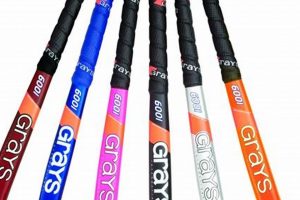
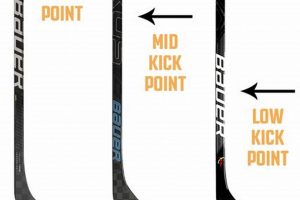
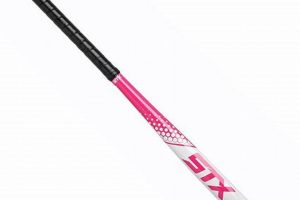
Adhesive decals, specifically designed for application to composite or wooden shafts used in the sport of ice hockey, serve to personalize and protect equipment. These customizable graphics range from simple team logos and player numbers to elaborate designs and sponsor advertisements, offering a visual representation of affiliation and identity on the ice.
The application of these decorative elements provides functional advantages beyond mere aesthetics. They can reinforce areas prone to wear and tear, extending the lifespan of the equipment. Historically, these adornments were limited to simple tape applications, evolving into durable, digitally printed options that withstand the rigors of gameplay while offering extensive customization choices for players at all levels.
The subsequent discussion will delve into the various types available, the materials utilized in their construction, optimal application techniques, and considerations for design and customization.
Application and Maintenance Guidance
The proper application and maintenance are critical for maximizing the lifespan and visual appeal of applied graphics on hockey equipment.
Tip 1: Surface Preparation: Ensure the shaft surface is clean and dry before applying any adhesive. Remove any existing tape residue or dirt with appropriate cleaning solutions to promote optimal adhesion.
Tip 2: Precise Alignment: Before removing the backing, carefully position the design to achieve the desired alignment. Use visual markers or measurements to guarantee symmetry and proper placement.
Tip 3: Gradual Application: Peel back a small section of the backing and adhere this initial portion to the shaft. Smooth the design onto the surface progressively, working from the initial point outwards to minimize air bubbles.
Tip 4: Air Bubble Removal: Utilize a squeegee or a similar tool to firmly press the design onto the shaft, eliminating any trapped air. Work from the center outwards to ensure complete contact.
Tip 5: Edge Sealing: Once applied, reinforce the edges with clear tape or edge sealant to protect against peeling or lifting due to friction during gameplay.
Tip 6: Temperature Considerations: Apply in a temperature-controlled environment to ensure proper adhesive bonding. Avoid application in extremely cold or humid conditions.
Tip 7: Regular Inspection: Periodically inspect for signs of wear or damage. Promptly address any issues, such as peeling edges, to prevent further degradation.
Adhering to these guidelines ensures that these additions maintain their visual appeal and protective function for an extended period, enhancing the longevity of the equipment.
The following section will explore design considerations and customization options.
1. Adhesive Strength

Adhesive strength, in the context of decals applied to hockey equipment, directly correlates with the longevity and performance of the applied graphic. Insufficient adhesive strength results in premature peeling, bubbling, or complete detachment, particularly in high-impact zones or under the stress of repeated use. The force exerted during gameplay, including stick handling, shooting, and contact with other players or the ice surface, constantly challenges the bond between the decal and the shaft. High-quality adhesives are designed to withstand these forces, maintaining the integrity of the design and protecting the underlying surface.
The choice of adhesive is contingent upon several factors, including the material of the hockey shaft (composite versus wood), the environmental conditions in which the equipment is used (indoor versus outdoor rinks, temperature variations), and the anticipated level of physical stress. For instance, professional-grade graphics often utilize pressure-sensitive adhesives formulated for extreme temperature fluctuations and high-impact scenarios, ensuring the graphic remains adhered throughout an entire season. Failure to select an adhesive with adequate strength can lead to rapid degradation, necessitating frequent replacement and increasing costs over time.
In conclusion, adhesive strength is a critical performance parameter for these applications. Proper selection of high-strength adhesives, coupled with meticulous surface preparation and application techniques, ensures the durability and effectiveness of the graphic, preventing premature failure and maintaining the intended visual appeal. The consequences of neglecting this aspect range from aesthetic degradation to potential compromises in equipment protection and performance, emphasizing the need for careful consideration.
2. Material Durability

Material durability is a paramount consideration in the context of decals applied to hockey equipment. These graphics are subjected to significant abrasion and impact during gameplay, necessitating robust materials to prevent premature wear, tearing, and degradation. The selection of substandard materials results in a shortened lifespan, diminished aesthetic appeal, and increased replacement frequency, ultimately raising operational costs. For instance, a decal constructed from low-grade vinyl is susceptible to scuffing from skates, impacts from pucks, and degradation from exposure to ice and humidity, leading to a rapid decline in visual quality and protective function.
The material composition directly influences the ability of the applied graphic to withstand the rigors of the sport. Materials such as high-performance polymers or laminated vinyl films offer enhanced resistance to abrasion, impact, and environmental factors. These materials also exhibit superior color retention, preventing fading due to ultraviolet exposure from rink lighting. Furthermore, the thickness and flexibility of the material are crucial for ensuring conformal application to the curved surfaces of hockey sticks without wrinkling or creating weak points that could lead to tearing. Professional teams and serious players often opt for graphics utilizing these durable materials to maintain a consistent appearance and provide added protection to the underlying equipment.
In summary, material durability is an indispensable attribute for decals used in hockey. The selection of appropriate materials directly impacts the longevity, visual appeal, and protective capabilities of these accessories. Ignoring this aspect leads to frequent replacements, increased expenses, and a diminished representation of team identity or sponsor branding. The investment in durable materials represents a cost-effective strategy for maintaining both the aesthetic integrity and functional performance of hockey equipment.
3. Design Customization

Design customization, as applied to decals for hockey equipment, represents a significant facet of personalization and branding within the sport. It allows players and teams to visually express identity, affiliation, and sponsorship through unique and tailored graphics applied to their equipment.
- Team Logos and Branding
Custom decals frequently incorporate team logos, colors, and official branding elements. This serves not only to identify players as members of a specific team but also to reinforce team spirit and unity. For professional organizations, these decals are often carefully regulated to ensure consistency and adherence to brand guidelines.
- Player Identification and Personalization
Decals facilitate the inclusion of player names, numbers, and personal motifs. This allows for individual expression and easy identification of equipment on the bench or in the locker room. Customized player decals also serve as a form of self-expression, reflecting individual style or personality.
- Sponsor Advertisements
These applications provide a valuable platform for displaying sponsor logos and advertisements. This generates revenue for teams and leagues while increasing brand visibility. Adherence to advertising regulations and ethical considerations is essential in this context.
- Protective and Aesthetic Elements
Beyond logos and text, design customization extends to patterns, textures, and colors that not only enhance the visual appeal but also offer a degree of protection against wear and tear. Strategically placed decals can reinforce vulnerable areas of the equipment, extending its lifespan while adding a personalized touch.
In conclusion, design customization offers a versatile tool for identity, expression, and branding within hockey. These graphics are more than mere decorations; they are integral components of the visual culture of the sport.
4. Application Technique

The success of incorporating decals onto hockey equipment is intrinsically linked to the application technique employed. Incorrect application invariably leads to premature failure, undermining both the aesthetic and functional benefits the decal is intended to provide. An improperly applied decal will exhibit air pockets, edge peeling, or misalignment, diminishing its visual appeal and increasing its susceptibility to damage from the abrasive environment of the ice rink.
For instance, consider the common scenario of applying a graphic to a composite shaft without adequate surface preparation. Residual oils or cleaning agents prevent proper adhesion, resulting in bubbling and eventual detachment during gameplay. Conversely, employing a squeegee with excessive force can distort the graphic or damage the adhesive layer, compromising its longevity. The optimal technique involves meticulous surface cleaning, precise alignment using visual markers, gradual application using a squeegee with moderate pressure, and edge sealing with compatible tape or sealant to prevent moisture infiltration. These procedures guarantee a robust bond between the decal and the shaft, thereby maximizing its service life.
In summary, effective application is not merely a superficial step but an indispensable element in ensuring the intended performance and durability. Prioritizing correct application techniques, coupled with appropriate materials, allows players to enjoy the personalized aesthetics and protective benefits that these graphics offer, mitigating common failures and extending the lifespan of both the decal and the hockey equipment. The consequences of disregarding application protocols range from aesthetic degradation to compromised equipment performance, underscoring the practical significance of this seemingly minor detail.
5. Weather Resistance
Weather resistance, in the context of hockey stick graphics, denotes the capacity of the materials and adhesives to withstand environmental stressors without significant degradation. The performance of these adornments is directly affected by exposure to moisture, temperature fluctuations, and ultraviolet radiation, factors which necessitate the selection of robust, weather-resistant components.
- Moisture Impermeability
Moisture, whether in the form of rain, snow, or condensation, can compromise the adhesive bond between the graphic and the hockey stick shaft. Water penetration can lead to bubbling, peeling, and ultimately, detachment. Weather-resistant materials exhibit low water absorption rates, preventing moisture infiltration and maintaining the integrity of the adhesive layer. An example includes the use of waterproof vinyl films with a moisture-resistant laminate layer, effectively sealing the graphic against water damage.
- Temperature Stability
Hockey equipment is often exposed to extreme temperature variations, from the frigid conditions of an ice rink to warmer storage environments. These fluctuations can cause expansion and contraction of the decal material, placing stress on the adhesive bond. Materials with high temperature stability maintain their flexibility and adhesion across a wide temperature range, preventing cracking, warping, or lifting. An illustration is the use of acrylic adhesives designed to withstand both sub-zero and elevated temperatures without compromising their bonding properties.
- UV Radiation Resistance
Exposure to ultraviolet (UV) radiation from sunlight or artificial lighting can cause fading, discoloration, and embrittlement of the decal material. UV-resistant materials incorporate additives that block or absorb UV rays, protecting the graphic from degradation. An example is the use of UV-protected inks and laminates, which prevent color fading and maintain the vibrancy of the design over prolonged exposure to light.
The selection of weather-resistant materials and adhesives is crucial for ensuring the long-term performance and visual appeal of hockey stick applications. These graphics, subjected to diverse environmental stressors, require robust components to maintain their integrity and protect the underlying equipment. The investment in weather-resistant materials represents a strategic approach to minimizing replacement costs and preserving the professional appearance of hockey equipment.
Frequently Asked Questions
The following section addresses common inquiries and clarifies prevalent misconceptions regarding the selection, application, and maintenance of adhesive graphics for hockey sticks.
Question 1: What types of adhesives are best suited for decals on composite shafts?
Pressure-sensitive adhesives with a high initial tack and shear strength are generally recommended. These adhesives exhibit superior bonding to composite materials and maintain their integrity under the stress of gameplay. Acrylic-based adhesives offer good UV resistance, while rubber-based adhesives provide excellent flexibility and conformability.
Question 2: How does surface preparation affect the longevity of these additions?
Thorough surface preparation is paramount. The shaft must be meticulously cleaned to remove any oils, dirt, or adhesive residue. Isopropyl alcohol is an effective cleaning agent. A clean surface promotes optimal adhesion, preventing premature peeling or bubbling.
Question 3: Are there specific materials to avoid due to potential damage to the hockey stick?
Avoid using aggressive solvents or abrasive cleaning pads, as these can damage the surface of the shaft. Decals with excessively thick or rigid materials can also create stress points, potentially weakening the stick over time. Opt for flexible and durable materials specifically designed for hockey equipment.
Question 4: How does temperature influence the application process?
Application in a temperature-controlled environment (ideally between 65F and 75F) is recommended. Extreme temperatures can affect the adhesive properties, leading to either premature bonding or insufficient adhesion. Allow the hockey stick and the decal to acclimate to the ambient temperature before application.
Question 5: What is the best method for removing air bubbles during application?
A squeegee or a similar smooth, hard tool should be used to gently press out air bubbles. Start from the center of the decal and work outwards, applying consistent pressure. For stubborn bubbles, a pinprick can release trapped air, followed by re-squeeging the area.
Question 6: How can the edges of the applied graphic be protected from peeling?
Edge sealing with clear tape or a specialized edge sealant is highly recommended. This provides a barrier against moisture and physical abrasion, preventing lifting and extending the lifespan of the graphic. Ensure the sealant is compatible with both the decal material and the hockey stick shaft.
Proper selection, meticulous application, and diligent maintenance are crucial for maximizing the performance and visual appeal of these additions. Adhering to recommended guidelines ensures both the aesthetic integrity and functional longevity of the customization.
The subsequent discussion will explore potential issues and troubleshooting strategies.
Conclusion
The preceding examination has detailed various facets of specialized graphics for hockey sticks, underscoring the criticality of material selection, application methodologies, and environmental considerations. Considerations regarding adhesive properties, design customization, and resistance to physical stresses all influence the efficacy and longevity of these applications.
The integration of these durable additions within the sport extends beyond mere aesthetic enhancement, impacting brand representation, team identity, and equipment protection. Therefore, diligent attention to the principles outlined herein is essential for optimizing the value and performance of hockey stick stickers within the competitive landscape.