Equipment designed to accommodate broader foot dimensions is essential for ice hockey participants who require additional width in their footwear. Ill-fitting skates can lead to discomfort, reduced performance, and potential injuries. Skates specifically constructed with enhanced width address these issues.
Proper skate fit contributes significantly to player comfort, agility, and overall performance on the ice. A well-fitted skate allows for optimal energy transfer during strides and enhances control during maneuvers. Historically, athletes with wider feet faced challenges in finding suitable equipment, necessitating the development of specialized skate designs. The availability of appropriate hockey footwear helps to increase participation and reduce discomfort related injuries.
The subsequent sections will delve into the specific features and considerations relevant to selecting appropriate ice hockey footwear for individuals with wider feet. This includes assessment of foot shape, analysis of available models, and techniques for ensuring a secure and comfortable fit.
Essential Considerations for Hockey Skate Selection
Selecting hockey skates requires careful attention to fit and performance. For individuals requiring additional width, specific considerations are paramount to ensure comfort and optimal play.
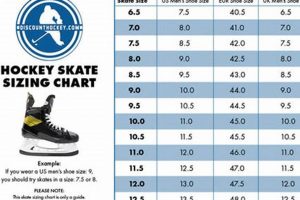
Tip 1: Precise Foot Measurement: Conduct a precise foot measurement, including both length and width, using a Brannock device or similar measuring tool. Accurate measurements are crucial for determining the appropriate skate size and width. Consult sizing charts provided by skate manufacturers, as sizing may vary between brands.
Tip 2: Width Specification Awareness: Understand the various width designations offered by different skate manufacturers (e.g., D, EE, EEE). Recognize that these designations can vary in actual width dimensions between brands. Prioritize models specifically designated as “wide” or “extra wide” if foot measurements indicate a need for greater width.
Tip 3: Professional Skate Fitting: Seek guidance from a knowledgeable skate fitter at a reputable sporting goods store. An experienced fitter can assess foot shape, identify pressure points, and recommend appropriate skate models and sizing adjustments.
Tip 4: Heat Molding Customization: Consider heat molding skates to achieve a customized fit. Heat molding allows the skate boot to conform more closely to the contours of the foot, minimizing pressure points and maximizing comfort. Follow the manufacturer’s instructions or consult with a skate professional for proper heat molding techniques.
Tip 5: Insole Evaluation and Modification: Evaluate the stock insole provided with the skates. If necessary, replace it with a custom insole that provides enhanced arch support and cushioning. Custom insoles can help improve foot alignment and reduce fatigue during prolonged skating sessions.
Tip 6: Skate Lacing Techniques: Employ strategic lacing techniques to fine-tune the fit. Adjust lacing tightness in different zones of the skate to alleviate pressure points and optimize ankle support. Experiment with different lacing patterns to find the most comfortable and secure fit.
Tip 7: Trial Period and Adjustment: Utilize any available trial period offered by the retailer to thoroughly test the skates on the ice. After initial use, assess the fit and make any necessary adjustments to lacing, insoles, or heat molding to optimize comfort and performance.
Selecting hockey skates with adequate width requires a comprehensive approach that includes precise measurement, professional fitting, and customization options. By adhering to these guidelines, individuals can enhance comfort, improve performance, and minimize the risk of foot-related injuries.
The subsequent section will provide a summary of available skate models and brands that offer specialized designs for wider feet.
1. Enhanced Comfort

Enhanced comfort within the context of hockey skates for individuals with broader feet directly impacts the athlete’s ability to perform effectively and consistently. A properly fitted skate, designed to accommodate wider foot dimensions, mitigates discomfort and distractions, allowing for greater focus and control on the ice.
- Reduced Pressure Points
Skates lacking adequate width can create concentrated pressure points, particularly along the sides of the foot and around bony prominences. Properly fitted wider skates distribute pressure more evenly, reducing the likelihood of blisters, calluses, and nerve compression. This is evident in skaters who transition from standard-width skates to wider models and report a significant decrease in foot pain and discomfort during and after skating sessions.
- Improved Circulation
Constricted footwear can impede blood circulation, leading to cold feet and numbness. Wider skates allow for improved blood flow, promoting warmth and maintaining sensation in the feet. This is particularly crucial during extended periods of activity in cold environments. Diminished circulation can negatively impact performance and increase the risk of cold-related injuries.
- Enhanced Foot Stability
While width is critical, the overall fit must still provide adequate support and stability. Wider skates designed with appropriate arch support and heel lock contribute to improved foot alignment and reduce pronation or supination. This enhanced stability translates to more efficient power transfer during strides and improved balance during quick turns and stops. An unstable foot within the skate leads to energy loss and increased risk of ankle sprains.
- Minimization of Friction
Excessive friction within the skate boot can cause skin irritation and blisters. Skates that accommodate the natural width of the foot reduce rubbing and chafing, promoting a smoother and more comfortable skating experience. The use of moisture-wicking liners in conjunction with properly fitted wider skates further minimizes friction by reducing moisture buildup within the boot.
In conclusion, the pursuit of enhanced comfort within hockey skates for those with wider feet is not merely a matter of preference but a critical component of optimal performance and injury prevention. By mitigating pressure points, improving circulation, enhancing stability, and minimizing friction, properly fitted wider skates enable athletes to focus on their game and perform at their best. The features like heel locks further helps to minimize movement inside boot.
2. Performance Optimization
The selection of appropriately sized hockey skates is directly linked to performance optimization, particularly for players with broader feet. Ill-fitting skates, specifically those too narrow, restrict natural foot movement, impede blood circulation, and create pressure points. These factors negatively impact an athlete’s ability to generate power, maintain balance, and execute precise movements on the ice. For instance, a skater experiencing foot pain due to constricted footwear will exhibit reduced stride length and diminished agility, ultimately compromising overall performance. This connection highlights the need for skates designed to accommodate a wider foot profile, facilitating natural biomechanics and maximizing athletic potential. Real-world examples abound at all levels of hockey, where players report improved skating efficiency, reduced fatigue, and enhanced control upon switching to appropriately sized, wider skates. This underscores the practical significance of understanding and addressing the specific needs of athletes with wider feet.
Further analysis reveals that optimal performance hinges on the skater’s ability to transfer energy efficiently from the lower body to the ice surface. Restrictive skates impede this energy transfer, leading to wasted effort and decreased speed. Wider skates, when properly fitted, allow the foot to function naturally within the boot, promoting a more fluid and powerful skating stride. Furthermore, the enhanced comfort afforded by appropriately sized skates contributes to improved concentration and decision-making on the ice. Athletes who are not distracted by foot pain or discomfort can focus more intently on the game, leading to better anticipation, quicker reactions, and ultimately, superior performance. Customization options, such as heat molding and specialized insoles, further refine the fit and enhance performance by addressing individual foot contours and biomechanical needs.
In summary, the relationship between hockey skate fit, specifically for individuals with wider feet, and performance optimization is undeniable. Challenges remain in ensuring accurate foot measurements and providing access to a wide range of properly sized skates. However, recognizing the critical role of skate fit in athletic performance is paramount. Continued research and development in skate design, coupled with increased awareness among players and coaches, will further enhance the connection between comfort, proper fit, and optimized performance on the ice. The overarching goal is to equip athletes with the tools they need to reach their full potential, and appropriately sized hockey skates represent a crucial element in achieving that goal.
3. Injury Prevention
The correlation between appropriately sized hockey skates and injury prevention is significant, particularly for athletes with wider feet. Ill-fitting skates, especially those too narrow, can precipitate a range of foot-related injuries. Constriction restricts natural foot movement, leading to increased friction and pressure points, heightening the risk of blisters, calluses, and neuromas. Furthermore, improper support can contribute to instability, increasing the susceptibility to ankle sprains and other lower extremity injuries. A practical example is a skater forced to compensate for inadequate width by over-tightening laces, leading to restricted circulation and potential nerve damage. Therefore, skates designed with sufficient width are essential for promoting foot health and minimizing the risk of injury.
Further analysis reveals that appropriate skate fit plays a crucial role in biomechanical alignment and stability. When the foot is properly supported within the skate, the body’s weight is distributed more evenly, reducing stress on joints and ligaments. This is particularly important for hockey players, who endure high-impact forces and repetitive movements. Skates designed for wider feet, often incorporating features like anatomical footbeds and customizable support systems, help maintain proper alignment, reducing the likelihood of overuse injuries and promoting long-term musculoskeletal health. Moreover, the enhanced comfort afforded by properly fitted skates reduces fatigue, minimizing the risk of errors and accidents on the ice. Anecdotal evidence from athletic trainers and sports medicine professionals consistently emphasizes the importance of proper skate fit as a proactive measure against injury.
In conclusion, the role of appropriately sized hockey skates in injury prevention, specifically for individuals with wider feet, cannot be overstated. Skates that accommodate the natural width of the foot mitigate pressure points, promote stability, and enhance comfort, thereby reducing the risk of a spectrum of foot and lower extremity injuries. While challenges remain in ensuring proper fitting and providing access to a diverse range of skate models, recognizing the critical link between skate fit and injury prevention is paramount. Prioritizing proper skate fit as an integral part of an athlete’s equipment regimen contributes significantly to their overall health, safety, and longevity in the sport.
4. Specialized Models

The availability of specialized hockey skate models represents a direct response to the diverse anatomical needs of hockey players, particularly those with wider feet. Standard skate designs often fail to accommodate the broader foot dimensions, leading to discomfort, impaired performance, and potential injuries. Therefore, manufacturers have developed specialized models that offer increased width and volume to address these challenges. These models are not simply wider versions of existing skates; they often incorporate design modifications to ensure proper fit, support, and performance for individuals with wider feet. For example, Bauer’s Vapor and Supreme lines, and CCM’s Tacks line offer specific wide-fit options (EE or wider) that cater to different skating styles and foot shapes, demonstrating the practical significance of specialized models in fulfilling the requirements of hockey players with wider feet.
Further examination reveals that specialized models play a crucial role in optimizing performance and mitigating injury risk. Skates designed for wider feet provide enhanced comfort and stability, allowing for more efficient energy transfer and improved control on the ice. By accommodating the natural shape of the foot, these models reduce pressure points and friction, minimizing the risk of blisters, calluses, and other foot-related ailments. Furthermore, specialized models often incorporate features such as anatomical footbeds and customizable support systems to enhance comfort and promote proper biomechanical alignment. Several professional and amateur hockey players have reported significant improvements in their skating performance and overall comfort after switching to specialized wide-fit skate models, illustrating the practical benefits of these designs. These improvements are often attributed to the increased stability and reduced discomfort afforded by the wider fit, allowing players to focus on their game without being hindered by ill-fitting equipment.
In summary, specialized hockey skate models are essential for accommodating the specific needs of players with wider feet. These models offer improved comfort, enhanced performance, and reduced injury risk compared to standard skate designs. While challenges remain in ensuring accurate fitting and providing access to a diverse range of specialized models, the availability of these options represents a significant advancement in hockey equipment technology. Continued research and development in skate design, coupled with increased awareness among players and coaches, will further enhance the connection between specialized models and optimized performance for hockey players with wider feet.
5. Custom Fitting
Custom fitting is a critical component in optimizing the performance and comfort of hockey skates, especially for individuals requiring wide-width models. Off-the-shelf skates, even those designated as “wide,” may not precisely conform to the unique contours of an individual’s foot. This discrepancy can lead to pressure points, discomfort, and reduced skating efficiency. Custom fitting addresses this issue by employing various techniques to mold and adapt the skate boot to the specific shape of the wearer’s foot. This process is not merely about increasing width; it involves ensuring proper support and alignment throughout the foot, ankle, and lower leg. Without custom fitting, even the most advanced wide-width skate may fail to deliver optimal performance and comfort, potentially leading to injuries and hindering athletic development.
The custom fitting process encompasses several key steps. Initially, a thorough assessment of the skater’s foot is conducted, including measurements of length, width, and arch height. This assessment informs the selection of a suitable skate model and size. Subsequently, techniques such as heat molding are employed to soften the skate boot and allow it to conform more closely to the foot’s contours. This process is often followed by the use of specialized tools to address specific pressure points or areas of discomfort. Insole customization is another crucial aspect of custom fitting, as properly contoured insoles provide additional support and improve foot alignment within the skate. The utilization of foam padding or other materials can further refine the fit, ensuring a secure and comfortable interface between the foot and the skate boot. For example, a skater with a particularly prominent ankle bone might require additional padding in that area to prevent rubbing and discomfort. Custom fitting process ensures it.
In conclusion, custom fitting represents an essential investment for individuals with wide feet seeking optimal performance and comfort in hockey skates. While wide-width models offer a foundation for accommodating broader foot dimensions, custom fitting fine-tunes the fit to address individual anatomical variations. This process maximizes skating efficiency, minimizes the risk of injuries, and enhances overall athletic performance. Challenges remain in ensuring widespread access to skilled skate fitters and promoting awareness of the benefits of custom fitting. However, recognizing the importance of this process is paramount to providing hockey players with the equipment they need to excel on the ice. In the future, technology like 3D foot scanners will help customer getting customized skates easily.
Frequently Asked Questions
This section addresses common inquiries regarding hockey skates designed for individuals with broader feet, providing factual information and dispelling potential misconceptions.
Question 1: What constitutes a “wide” hockey skate?
A “wide” hockey skate is manufactured with increased internal volume and width in the forefoot area compared to standard-width skates. Specific dimensions vary between manufacturers and models. Consult sizing charts and seek professional fitting advice to determine appropriate width designations (e.g., EE, EEE).
Question 2: How does improper skate width impact performance?
Inadequate skate width can restrict natural foot movement, impede blood circulation, and create pressure points. This can lead to reduced stride length, diminished agility, and compromised balance, negatively affecting overall skating performance.
Question 3: Are specialized “wide” models simply larger versions of standard skates?
Specialized “wide” models are not merely scaled-up versions of standard skates. They incorporate design modifications to maintain proper support and performance characteristics while accommodating the wider foot profile. These modifications may include adjustments to boot shape, liner construction, and tongue design.
Question 4: Can heat molding compensate for insufficient skate width?
Heat molding can improve the fit of skates by conforming the boot to the foot’s contours, but it cannot fundamentally alter the skate’s overall width. Heat molding is most effective when used in conjunction with a skate that is already appropriately sized in terms of both length and width.
Question 5: Are custom insoles beneficial for individuals with wide feet?
Custom insoles can provide enhanced arch support and cushioning, improving foot alignment and reducing fatigue. While custom insoles do not directly increase skate width, they can contribute to a more comfortable and stable fit within a wider skate model.
Question 6: Where can individuals find hockey skates designed for wider feet?
Many reputable sporting goods retailers and hockey equipment specialists offer a selection of wide-width hockey skates. Consult online resources and seek advice from knowledgeable skate fitters to identify available models and sizing options.
Selecting hockey skates with adequate width is crucial for comfort, performance, and injury prevention. Individuals are encouraged to prioritize proper fitting and seek professional guidance to ensure optimal equipment selection.
The subsequent section will provide a summary of key considerations and best practices for maintaining hockey skates.
Conclusion
The preceding exploration has underscored the importance of appropriately fitted hockey skates, especially for athletes requiring wider dimensions. Optimal fit directly influences comfort, performance, and injury prevention. Selection of skates necessitates precise foot measurement, consideration of width specifications, and the potential for custom fitting. Specialized models from reputable manufacturers provide viable solutions, accommodating diverse foot anatomies. Skates need to fit right for the best performance.
The integration of technological advancements in skate design and fitting processes presents an opportunity to further enhance athlete experience and safety. Continuing research and development, coupled with increased awareness among players and equipment providers, will ensure that individuals with broader feet have access to equipment that meets their specific needs, facilitating optimal performance and minimizing the risk of foot-related injuries.