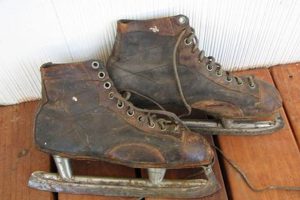
Previously owned ice hockey footwear offers a cost-effective entry point into the sport or a practical solution for recreational skaters. These pre-owned items, available through various channels, present an alternative to purchasing new equipment. Condition varies widely depending on the previous use and care.
The significance of acquiring pre-owned hockey equipment lies in the potential for substantial cost savings, making the sport more accessible to individuals with budget constraints. Historically, the reuse and resale of sporting goods have been commonplace, reflecting both economic considerations and a commitment to sustainable practices by extending the lifespan of existing products.
The following sections will examine factors to consider when evaluating pre-owned options, including assessment of blade integrity, boot structure, and overall fit, to ensure safe and effective performance on the ice.
Evaluating Pre-Owned Ice Hockey Footwear
Careful examination is crucial when considering pre-owned ice hockey footwear to ensure safety and performance. Assess each aspect of the equipment methodically before purchase.
Tip 1: Examine the Blade Condition: Look for excessive rust, deep nicks, or significant wear along the blade. These indicate potential performance issues and may require costly repairs or replacements.
Tip 2: Assess Boot Integrity: Inspect the boot for cracks, tears, or excessive softening of the material. Compromised boot integrity can affect ankle support and overall stability on the ice.
Tip 3: Evaluate Liner Quality: Check the liner for signs of wear, odor, or damage. A worn-out liner can lead to discomfort and reduced performance. Consider whether the liner is replaceable.
Tip 4: Verify Ankle Support: Test the rigidity of the ankle support by flexing the boot. Inadequate support increases the risk of injury.
Tip 5: Check Lacing System: Ensure the lacing system is intact and functions properly. Broken eyelets or worn laces can compromise the fit and security of the footwear.
Tip 6: Inquire About Usage History: If possible, obtain information about the frequency of use, maintenance practices, and any repairs performed. This information can provide insights into the overall condition of the equipment.
Tip 7: Consider Professional Sharpening: Budget for professional blade sharpening after purchase, as the blades sharpness directly impacts performance and safety.
Adhering to these inspection guidelines can mitigate risks associated with pre-owned ice hockey footwear, ensuring the equipment is suitable for intended use and contributing to a safe skating experience.
The subsequent section will address maintaining pre-owned equipment to extend its lifespan.
1. Affordability

The availability of pre-owned ice hockey footwear significantly impacts the affordability of participating in the sport. The secondary market allows individuals and organizations to acquire essential equipment at a reduced cost, broadening access and mitigating financial barriers.
- Entry-Level Participation
Lower initial costs facilitate entry for beginners and younger players. Purchasing new equipment can be prohibitive for families with limited budgets, making previously owned options crucial for participation. This reduces the financial burden associated with trying a new sport.
- Reduced Financial Risk
Acquiring pre-owned ice hockey footwear minimizes the financial risk associated with growth spurts or fluctuating interest in the sport. Children frequently outgrow equipment quickly, rendering new purchases obsolete. Pre-owned purchases alleviate this concern.
- Organizational Cost Savings
Hockey organizations and leagues benefit from the affordability of pre-owned options, particularly for rental programs or providing equipment to underprivileged players. This supports community initiatives and promotes inclusivity within the sport.
- Replacement and Upgrades
The pre-owned market enables cost-effective replacements for damaged or worn equipment. It also allows players to upgrade their equipment as their skill level progresses, without incurring the full cost of new products. This facilitates continuous improvement and participation.
The combined effect of these factors highlights the significant role of affordability in promoting participation and accessibility within the sport of ice hockey. Previously owned ice hockey footwear constitutes a key element in managing the overall expenses associated with the sport, benefiting individuals, families, and organizations alike.
2. Blade Integrity

Blade integrity represents a critical factor in the performance and safety of previously owned ice hockey footwear. Compromised blade condition directly affects skating ability and increases the risk of injury. Assessing blade condition is thus paramount when evaluating “hockey skates used”.
- Rust and Corrosion
The presence of rust and corrosion on the blade diminishes its structural integrity and reduces its ability to hold an edge. This translates to decreased agility, reduced control, and increased stopping distance on the ice. Visible rust indicates improper storage or inadequate maintenance by the previous owner, warranting caution.
- Nicks and Dents
Nicks and dents along the blade edge disrupt its smooth surface, leading to inconsistent performance and increased friction. Significant imperfections necessitate professional repair, which adds to the overall cost of the “hockey skates used”. A severely damaged blade may require complete replacement, negating the cost savings of purchasing pre-owned equipment.
- Blade Profile and Wear
The profile of the blade, or its curvature, directly impacts the skater’s ability to turn and maneuver. Uneven wear or improper sharpening alters the intended profile, hindering performance. Assessing the blade profile for symmetry and consistency is crucial. Excessive wear indicates extended use and potential performance limitations.
- Mounting and Attachment
The secure attachment of the blade to the boot is fundamental for stability and power transfer. Loose or compromised mounting points compromise control and increase the risk of blade separation during use. Examination of the rivets or screws connecting the blade to the boot is essential to ensure structural integrity.
These facets of blade integrity underscore the necessity for thorough inspection when considering “hockey skates used.” The condition of the blade directly correlates with the equipment’s performance, safety, and overall value. Potential buyers must carefully evaluate these factors to make informed decisions.
3. Boot Condition
Boot condition represents a significant element in the overall evaluation of previously owned ice hockey footwear. The structural integrity and material quality of the boot directly influence support, comfort, and protection, impacting both performance and safety.
- Material Degradation
Prolonged use and exposure to moisture can lead to material degradation in the boot’s outer shell. Cracks, tears, or delamination of the material compromise its ability to provide adequate support and protection against impacts from pucks or other players. Such damage can accelerate further deterioration, shortening the equipment’s usable lifespan.
- Ankle Support System
The ankle support system, typically composed of reinforced padding and internal structures, is crucial for stability and preventing ankle injuries. Degradation of these components results in diminished support, increasing the risk of sprains or other related issues. The effectiveness of the lacing system is directly related to the integrity of the ankle support.
- Internal Padding and Liner
Internal padding and liners contribute significantly to comfort and impact absorption. Compressed or damaged padding reduces cushioning and can lead to discomfort and blisters. Liners with excessive wear may exhibit unpleasant odors and harbor bacteria, impacting hygiene and comfort. Replaceable liners offer an advantage in terms of hygiene and customization.
- Sole and Blade Attachment
The sole of the boot provides the interface between the boot and the blade holder. Cracks or separation of the sole from the boot compromise stability and power transfer. Secure and properly aligned blade attachment is essential for efficient skating. Damage to the sole can lead to misalignment and reduce the equipment’s overall effectiveness.
These facets highlight the importance of a thorough assessment of the boot’s condition when evaluating pre-owned ice hockey footwear. The boot’s structural integrity and its internal components collectively determine the equipment’s suitability for safe and effective use. Potential buyers must consider these factors to balance cost savings with performance and safety considerations.
4. Liner Quality
Liner quality within previously owned ice hockey footwear represents a pivotal element directly impacting comfort, hygiene, and performance. In equipment previously used, the liner’s condition reveals significant insights into the overall maintenance and suitability of the item. Compromised liners can lead to discomfort, reduced support, and potential health concerns for the subsequent user.
Worn liners exhibit decreased cushioning, contributing to foot fatigue and potential blistering during extended use. Furthermore, degradation of the liner material can result in the accumulation of moisture and bacteria, fostering unpleasant odors and potentially leading to skin infections. A practical example involves previously used equipment where the liner exhibits excessive compression and discoloration; such characteristics suggest inadequate ventilation and improper cleaning practices by the previous owner. In such instances, the residual moisture and bacteria can pose hygiene risks, regardless of any external cleaning efforts.
Consequently, evaluating liner quality in used ice hockey footwear is crucial. While surface-level cleaning may address visible dirt, deeply embedded contaminants and structural damage can persist. Replacement liners, if available and compatible, represent a viable solution for addressing hygiene concerns and enhancing comfort, albeit incurring additional costs. The relationship between liner quality and overall equipment assessment is inseparable; it directly affects the user experience and should not be overlooked when considering used equipment.
5. Ankle Support
Ankle support is a critical determinant of safety and performance within previously used ice hockey footwear. The degree of support directly affects the wearer’s ability to maintain balance, execute precise movements, and withstand impacts during gameplay. Reduced ankle support, frequently observed in older or heavily used equipment, elevates the risk of sprains, strains, and more severe injuries.
The effectiveness of ankle support is closely tied to the boot’s material integrity and construction. Over time, materials can degrade, losing their stiffness and ability to provide adequate stabilization. For example, repeated bending and flexing, common during skating, can weaken the ankle area, leading to a loss of form and reduced support. This compromises the skater’s ability to control edges, perform tight turns, and react quickly to changing game conditions. Furthermore, ill-fitting equipment exacerbates the problem, as the lack of proper fit allows excessive movement within the boot, further straining the ankle joint.
Therefore, prospective buyers must carefully assess the ankle support of pre-owned ice hockey footwear. Physical inspection, including flexing the boot and evaluating the firmness of the ankle padding, is essential. Compromised ankle support presents a significant safety risk and necessitates careful consideration before purchase. The evaluation should involve professional consultation when possible, to ensure the equipment is adequate for the intended use and skill level.
6. Size Accuracy

Size accuracy is a paramount consideration when acquiring previously owned ice hockey footwear. Discrepancies between stated size and actual fit can negate potential cost savings and compromise both performance and safety.
- Foot Measurement Variations
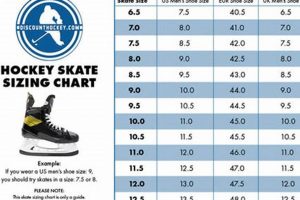
Foot measurement variations introduce complexities in determining the correct size for previously used equipment. Foot size can fluctuate due to growth, swelling, or the use of different sock thicknesses. Relying solely on the labeled size may result in an ill-fitting skate. Accurate foot measurement, preferably by a trained professional, is crucial before considering a purchase.
- Model and Brand Differences
Size standards are not universally consistent across different models and brands of ice hockey footwear. A size 9 in one brand may not correspond to a size 9 in another. These discrepancies stem from variations in manufacturing processes, internal boot construction, and intended fit profiles. Consulting brand-specific sizing charts or seeking advice from experienced retailers can mitigate these issues.
- Break-in and Molding Effects
Previously used equipment will have undergone a break-in period, conforming to the previous owner’s foot shape. This molding effect can alter the internal volume and fit characteristics of the boot. Purchasing skates that have been significantly molded to a different foot shape may result in discomfort, reduced performance, and potential for blisters or pressure points. Careful inspection of the liner and boot for signs of molding is therefore essential.
- Impact on Performance and Safety
Inaccurate sizing negatively impacts both performance and safety. Overly large skates provide inadequate support and control, increasing the risk of ankle injuries and hindering skating technique. Conversely, skates that are too small can cause discomfort, restrict circulation, and lead to foot problems. Selecting the correct size is thus critical for optimal performance and minimizing the risk of injury.
The interplay of these factors underscores the need for meticulous attention to size accuracy when considering pre-owned ice hockey footwear. Accurate measurement, awareness of brand and model variations, and consideration of break-in effects are essential steps in ensuring a proper fit and maximizing the benefits of acquiring previously used equipment.
7. Usage History

The usage history of pre-owned ice hockey footwear provides essential context for evaluating its condition, suitability, and potential lifespan. Understanding how the equipment was previously used allows prospective buyers to make informed decisions regarding purchase and use.
- Frequency and Intensity of Use
The frequency and intensity of previous use significantly impact the wear and tear on ice hockey footwear. Equipment subjected to frequent, high-intensity use, such as competitive play, will exhibit accelerated degradation compared to items used primarily for recreational skating. Examining the equipment for signs of heavy use, such as worn blades, compressed padding, and material fatigue, can provide insights into its remaining useful life.
- Maintenance and Storage Practices
Maintenance and storage practices employed by the previous owner directly influence the equipment’s condition and hygiene. Improperly stored skates, particularly those left damp or exposed to extreme temperatures, are prone to rust, mold growth, and material degradation. Evidence of consistent maintenance, such as regular blade sharpening and cleaning of the liner, suggests a greater likelihood of satisfactory condition.
- Repair History
A record of prior repairs, if available, can provide valuable information regarding structural weaknesses or recurring issues. While repairs may extend the equipment’s lifespan, they can also indicate underlying problems that may resurface. Understanding the nature and extent of previous repairs allows prospective buyers to assess the equipment’s long-term reliability.
- Skater’s Weight and Skill Level
The skater’s weight and skill level influence the stress placed on the skates. Heavier or more advanced skaters exert greater force, leading to increased wear and tear. Consider the match between the previous skater’s characteristics and the intended use. A mismatch could mean accelerated wear beyond what is visually apparent.
These aspects of usage history collectively contribute to a comprehensive assessment of pre-owned ice hockey footwear. By considering the frequency of use, maintenance practices, repair history, and skater characteristics, prospective buyers can more accurately evaluate the equipment’s condition and make informed decisions that align with their needs and budget. This information helps to mitigate risks associated with acquiring previously used equipment and ensures a more satisfactory skating experience.
Frequently Asked Questions
This section addresses common inquiries concerning the acquisition and use of previously owned ice hockey footwear, offering clarity on key aspects.
Question 1: How can one assess the remaining lifespan of pre-owned ice hockey footwear?
Visual inspection of the blade, boot, liner, and ankle support structures is paramount. The extent of wear and tear, along with any prior repairs, provide indicators. Professional evaluation offers a more definitive assessment.
Question 2: What are the primary hygiene concerns associated with used hockey skates?
Potential concerns include bacterial and fungal contamination, as well as lingering odors. Thorough cleaning and disinfection are essential. Consider replacing the liner for optimal hygiene.
Question 3: Are there specific safety risks unique to previously owned ice hockey footwear?
Compromised structural integrity, particularly in the blade mount and ankle support, poses heightened risks. Pre-existing damage may not be readily apparent, requiring meticulous inspection.
Question 4: To what extent does the previous owner’s skill level impact the suitability of pre-owned hockey skates?
Equipment used by higher-skilled players often experiences greater stress and wear. Lower-skilled players might find such equipment adequate, but advanced skaters should carefully assess the remaining performance capabilities.
Question 5: Can pre-owned hockey skates be effectively customized for a new user?
The degree of customization is limited, particularly if the equipment has molded to the previous owner’s foot. Liner replacement and minor adjustments are feasible, but significant alterations are typically impractical.
Question 6: What is the recommended procedure for disinfecting used ice hockey footwear?
Remove the liners and insoles, cleaning them separately with an appropriate disinfectant. Wipe down the inside of the boot with a disinfectant solution, ensuring thorough coverage and adequate drying time. Consider using a specialized sports equipment sanitizer.
In summary, careful evaluation, hygiene maintenance, and awareness of potential limitations are crucial when acquiring and using pre-owned ice hockey footwear.
The next section will delve into maintaining “hockey skates used” in extended periods.
Conclusion
The exploration of “hockey skates used” reveals a multifaceted landscape, demanding careful consideration from prospective purchasers. This analysis underscores the critical importance of thoroughly evaluating blade integrity, boot condition, liner quality, ankle support, size accuracy, and usage history. Prioritizing these factors is essential for mitigating risks associated with pre-owned equipment and ensuring safe, effective performance.
Acquiring previously owned ice hockey footwear presents both opportunities and challenges. Diligence in assessing the equipment’s condition and suitability remains paramount. Prudent evaluation facilitates informed decisions, maximizing value while safeguarding against potential performance limitations and safety hazards. Future purchasers should prioritize informed assessment over immediate cost savings to ensure their equipment offers both utility and security.