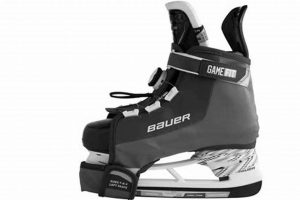
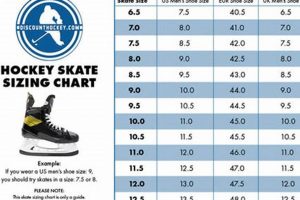
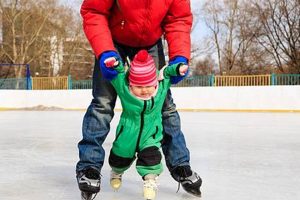
Entry-level ice hockey footwear is specifically designed to provide the support, comfort, and stability required by individuals new to the sport. These skates often feature enhanced ankle support, a more forgiving boot construction, and a focus on ease of use, helping beginners learn the fundamental skating techniques without unnecessary discomfort or difficulty. A typical example includes a skate with a softer boot, less aggressive blade profile, and thicker padding compared to models designed for experienced players.
The selection of appropriate entry-level ice hockey footwear is crucial for developing proper skating mechanics and building confidence on the ice. By providing adequate support and minimizing discomfort, these skates allow beginners to focus on learning essential skills such as balance, stride, and turning. Historically, poorly fitted or inappropriate skates have been a significant barrier to entry for aspiring hockey players, leading to frustration and hindering skill development. The availability of well-designed entry-level options addresses this challenge, facilitating a smoother learning curve and increasing participation in the sport.
Subsequent sections will delve into specific features to consider when selecting initial ice hockey footwear, including boot construction, blade type, sizing considerations, and maintenance tips. Understanding these aspects empowers individuals to make informed decisions, ensuring a positive and productive introduction to the world of ice hockey.
Essential Guidance for Entry-Level Ice Hockey Footwear
This section provides key considerations for individuals new to ice hockey when selecting and utilizing appropriate footwear. Adherence to these guidelines can significantly improve the learning experience and overall enjoyment of the sport.
Tip 1: Prioritize Proper Fit. A snug, comfortable fit is paramount. Excess space within the boot can lead to instability and blisters. Ensure the heel is firmly locked in place and that toes have minimal contact with the boot’s front. Professional skate fitting services are recommended.
Tip 2: Choose Adequate Ankle Support. Entry-level ice hockey footwear should offer sufficient ankle stability to prevent injury and promote proper skating technique. A more rigid boot construction will provide enhanced support, particularly beneficial for beginners.
Tip 3: Consider Blade Profile. A less aggressive blade profile with a shallower rocker is generally preferable for beginners. This design enhances stability and makes it easier to maintain balance while learning fundamental skating skills.
Tip 4: Inspect Lacing System Regularly. A secure lacing system is crucial for proper ankle support and overall skate performance. Ensure laces are in good condition and replaced when necessary. Tighten laces appropriately, focusing on the ankle area.
Tip 5: Sharpen Blades Professionally. Sharp blades are essential for efficient skating. New ice hockey footwear typically requires initial sharpening. Subsequently, regular sharpening by a qualified professional is necessary to maintain optimal performance.
Tip 6: Allow for Break-in Period. New ice hockey footwear requires a break-in period to conform to the wearer’s foot. Short, frequent skating sessions are recommended initially to minimize discomfort and prevent blisters.
Tip 7: Dry Skates Thoroughly After Each Use. Moisture can damage the boot and blades. Remove the inner sole and allow both the boot and inner sole to air dry completely after each skating session. This practice extends the lifespan of the ice hockey footwear.
By focusing on fit, support, blade maintenance, and proper break-in procedures, individuals new to ice hockey can maximize their comfort, performance, and safety on the ice. These guidelines contribute to a more positive and productive learning experience.
The following sections will address common issues encountered with entry-level ice hockey footwear and provide troubleshooting strategies.
1. Proper Fit

The correct fit of entry-level ice hockey footwear is not merely a matter of comfort; it is a foundational element directly impacting a beginners ability to learn proper skating techniques, prevent injuries, and foster a positive initial experience with the sport. Improperly fitted skates can lead to a range of issues that hinder skill development and discourage continued participation.
- Heel Lock and Ankle Stability
A secure heel lock within the boot is essential for maintaining ankle stability. If the heel lifts during skating, it compromises control and increases the risk of ankle sprains. Entry-level skates with adequate heel support allow beginners to develop proper ankle strength and balance without the instability caused by excessive movement within the boot. For instance, a skate that allows the heel to move freely will hinder the beginner’s ability to execute controlled turns and stops.
- Toe Clearance and Circulation
Adequate toe clearance is necessary to prevent discomfort and maintain proper circulation. Skates that are too small can compress the toes, leading to numbness and blisters. Conversely, excessive space can result in instability as the foot slides forward during skating. A proper fit ensures that the toes have enough room to move slightly without being cramped, promoting comfort and preventing foot problems. This is different from street shoes; hockey skates are intended to be a closer fit.
- Arch Support and Foot Alignment
Appropriate arch support within the skate boot is critical for maintaining proper foot alignment and preventing pronation or supination, which can lead to knee and ankle pain. Entry-level skates should offer sufficient arch support to distribute weight evenly across the foot, reducing strain and fatigue. Individuals with specific arch needs may require aftermarket insoles to achieve optimal comfort and support. Without sufficient arch support, a beginner may develop incorrect skating posture to compensate, leading to longer-term injuries.
- Impact on Blade Control and Edge Work
The fit of the boot directly influences the skater’s ability to control the blade and execute edge work effectively. Loose or poorly fitted skates diminish the transfer of energy from the foot to the blade, making it difficult to maintain balance and control. A snug, secure fit allows for precise blade control, enabling beginners to learn fundamental skating skills such as forward strides, backward skating, and turning with greater efficiency. This direct correlation between foot and blade is significantly diminished when skates are not fitted precisely.
In conclusion, the proper fit of entry-level ice hockey footwear is paramount for enabling beginners to develop fundamental skating skills safely and effectively. By addressing the key facets of heel lock, toe clearance, arch support, and blade control, individuals can ensure a positive and productive initial experience on the ice. A poorly-fitted skate, conversely, can create unnecessary difficulties and increase the likelihood of injury, ultimately hindering long-term participation and enjoyment of the sport.
2. Ankle Support

Ankle support in entry-level ice hockey footwear is a critical determinant of a beginner’s success and safety. It facilitates proper technique, minimizes injury risk, and cultivates confidence on the ice. Inadequate ankle support compromises balance and control, hindering the development of essential skating skills.
- Lateral Stability and Injury Prevention
Lateral stability, afforded by the boot’s construction, directly impacts the susceptibility to ankle sprains and other related injuries. Insufficient support allows for excessive ankle roll during skating maneuvers, increasing the likelihood of injury. Entry-level skates with enhanced lateral stiffness mitigate this risk, enabling beginners to navigate turns and stops with greater stability. A real-world example would be a beginner attempting a crossover turn and the ankle rolling inward, leading to a potential sprain, avoided with firmer ankle support.
- Proper Skating Posture and Balance
Adequate ankle support contributes to the maintenance of correct skating posture. It assists in keeping the ankle aligned, promoting a more upright stance and improved balance. This is especially crucial for beginners who are still developing their core strength and stability. When ankle support is lacking, beginners often compensate by bending excessively at the waist, disrupting their center of gravity and reducing efficiency. This can be compared to learning to ride a bicycle; proper posture, facilitated by ankle stability, enhances control.
- Energy Transfer and Skating Efficiency
The degree of ankle support influences the efficiency of energy transfer from the skater’s body to the ice. A more rigid boot construction, providing greater ankle support, minimizes energy loss due to ankle flexion and extension. This allows beginners to generate more power with each stride, improving their skating speed and endurance. Imagine pushing a car; a stable base (ankle) allows for more effective force application. This translates to better skating performance with solid ankle support.
- Development of Correct Skating Technique
Sufficient ankle support facilitates the development of proper skating technique. By providing a stable platform for the foot and ankle, it allows beginners to focus on learning fundamental skills such as forward strides, backward skating, and turning without the distraction of ankle instability. This stability, in turn, promotes muscle memory, which is essential for developing lasting skating skills. An analogy is learning to write; a stable hand promotes better penmanship.
The features highlighted above underscore the importance of ankle support in entry-level hockey footwear. Its effect extends beyond mere comfort, influencing safety, technique acquisition, and overall skating proficiency. Selecting footwear with appropriate ankle support represents a crucial step in equipping beginners for a successful introduction to the sport of ice hockey. The absence of adequate support, conversely, can impede progress and increase the risk of injury, potentially deterring beginners from continuing with the sport.
3. Blade Sharpness

Blade sharpness is a fundamental characteristic of ice hockey skates directly influencing a beginner’s ability to learn and execute essential skating techniques. The condition of the blades significantly affects a skater’s control, stability, and efficiency on the ice. Dull blades hinder progress, increase the risk of falls, and diminish the overall skating experience.
- Edge Control and Stability
Sharp blades provide the necessary edge control for beginners to maintain balance and execute fundamental movements. The edges of the blade grip the ice, allowing skaters to push off, turn, and stop effectively. Dull blades, lacking this grip, result in a loss of control and increased instability, making it difficult for beginners to master basic skills. For example, a beginner attempting a hockey stop with dull blades may slide uncontrollably, leading to a fall. The absence of sharp edges undermines the foundational mechanics of skating.
- Gliding Efficiency and Energy Expenditure
Sharp blades enhance gliding efficiency, allowing beginners to conserve energy and skate for longer periods. Blades that are properly sharpened reduce friction between the skate and the ice, enabling skaters to glide smoothly and efficiently. Dull blades, in contrast, create excessive friction, requiring beginners to exert more effort to maintain speed. Consequently, beginners with dull blades fatigue more quickly and may struggle to keep up with peers. A comparison can be drawn to cycling; sharp blades are analogous to properly inflated tires, minimizing resistance.
- Turning Radius and Maneuverability
Blade sharpness directly impacts a beginner’s ability to execute turns and maneuver effectively on the ice. Sharp edges allow skaters to carve into the ice, facilitating precise turns and changes in direction. Dull blades, lacking this capability, limit maneuverability and make it difficult for beginners to navigate around obstacles or participate in drills requiring agility. The difference is analogous to driving a car with worn tires; sharp blades provide responsiveness and control.
- Stopping Power and Safety
Sharp blades are essential for safe and effective stopping. The ability to stop quickly and reliably is crucial in ice hockey, both for performance and safety. Sharp edges allow beginners to dig into the ice, generating the friction necessary for controlled stops. Dull blades, lacking this grip, increase the stopping distance and the risk of collisions. This is particularly critical in beginner environments where awareness and reaction times may be limited. The ability to execute a prompt stop can avert serious collisions.
These factors underscore the critical role of blade sharpness in facilitating a positive and productive learning experience for beginners. Consistent and timely blade sharpening is essential for promoting safety, enhancing performance, and fostering a sense of accomplishment in new ice hockey participants. Maintaining blade sharpness not only improves their skating proficiency but also contributes to a more enjoyable and rewarding introduction to the sport. The seemingly minor detail of blade maintenance has a disproportionately large impact on the beginner’s overall experience.
4. Boot Comfort
Boot comfort within entry-level ice hockey footwear is a primary factor influencing a beginner’s inclination to continue with the sport and develop fundamental skills. Discomfort within the boot can detract from the learning experience, impede technique development, and potentially lead to early disengagement.
- Internal Padding and Blister Prevention
Adequate internal padding is critical for minimizing friction and preventing blisters, which are a common source of discomfort for beginners. The padding should be strategically placed to cushion areas prone to rubbing, such as the ankles and heels. Insufficient padding can lead to hot spots and blisters, making it difficult for beginners to focus on learning skating skills. A skate with well-designed internal padding can significantly reduce the risk of blisters, allowing beginners to skate for longer periods without discomfort. Conversely, a skate with minimal or poorly placed padding can quickly become unbearable, curtailing practice time and hindering skill acquisition.
- Boot Material Flexibility and Break-In Period
The flexibility of the boot material affects the break-in period and overall comfort. Stiffer materials may require a longer break-in period, during which the boot gradually conforms to the shape of the foot. Softer, more flexible materials generally provide greater initial comfort and a shorter break-in period. However, excessive flexibility can compromise ankle support, so a balance between comfort and support is necessary. A beginner may find a skate with a softer, more pliable boot material more comfortable initially, but over time, it may not provide the necessary support for advanced skating maneuvers. Conversely, a stiffer boot may require more time to break in but ultimately offer better support and long-term comfort.
- Moisture Management and Foot Hygiene
Effective moisture management is essential for maintaining boot comfort and promoting foot hygiene. Excessive moisture can lead to discomfort, odor, and the growth of bacteria. Entry-level ice hockey footwear should incorporate materials that wick away moisture and allow the boot to breathe. This helps to keep the feet dry and comfortable, reducing the risk of skin irritation and fungal infections. A skate with poor moisture management can quickly become damp and uncomfortable, creating an environment conducive to bacterial growth. Conversely, a skate with effective moisture-wicking properties can keep the feet dry and comfortable, promoting foot health and extending the lifespan of the boot.
- Tongue Design and Lace Bite Prevention
The tongue design and padding play a significant role in preventing lace bite, a common condition characterized by pain and irritation on the front of the ankle caused by pressure from the laces. The tongue should be wide enough to distribute pressure evenly across the ankle and adequately padded to cushion against lace pressure. Poorly designed or inadequately padded tongues can lead to lace bite, making it difficult for beginners to lace their skates tightly enough for proper support. A skate with a well-designed and padded tongue can prevent lace bite, allowing beginners to lace their skates securely without discomfort.
The interplay between internal padding, boot material flexibility, moisture management, and tongue design collectively influences boot comfort and impacts a beginner’s overall skating experience. Prioritizing boot comfort can significantly enhance enjoyment, encourage continued participation, and facilitate the development of fundamental skating skills. The alternative, ignoring these comfort-related aspects, increases the chances of beginner frustration and early departure from the sport. A comfortable skate is a catalyst for skill development, while a painful skate acts as a deterrent.
5. Lace Security
Lace security, pertaining to the fastening system of entry-level ice hockey footwear, is a critical factor in ensuring stability, support, and overall safety for novice skaters. A secure lacing system provides the necessary ankle support and foot stabilization required to develop proper skating techniques and prevent injuries.
- Ankle Stabilization and Injury Prevention
A properly secured lacing system minimizes ankle instability, reducing the risk of sprains and other related injuries. The laces, when tightened appropriately, provide external support to the ankle joint, preventing excessive lateral movement. Insufficient lace security compromises this support, increasing the likelihood of injury, particularly during turns and sudden stops. In the context of entry-level ice hockey, where skaters are still developing their balance and coordination, secure laces are paramount. A loose lacing system is analogous to driving a car with worn-out tires; control is significantly diminished.
- Energy Transfer and Skating Efficiency
A secure lacing system facilitates efficient energy transfer from the skater’s leg to the blade. When the laces are properly tightened, the boot becomes an extension of the leg, allowing for more direct and effective power transfer. Conversely, loose laces result in energy loss due to slippage and movement within the boot. This is particularly important for beginners, who may not yet possess the strength and technique to compensate for inefficient energy transfer. Tightly laced boots enable a novice to generate more power and glide more smoothly with each stride. Inefficient energy transfer can lead to fatigue and hinder skill development.
- Fit Customization and Comfort
A well-designed lacing system allows for customized fit adjustments, enhancing comfort and support. Beginners often require precise adjustments to accommodate foot shape and size. A secure lacing system enables them to fine-tune the fit, ensuring a snug and comfortable feel without excessive pressure points. This is particularly crucial for preventing lace bite, a common condition characterized by pain and irritation on the front of the ankle. Adjustable laces facilitate a customized fit and allow for expansion if wearing thicker socks in colder environments. Without secure laces, customizing fit is not achievable.
- Lace Durability and Maintenance
The durability of the laces themselves contributes directly to lace security. Entry-level skates should feature laces constructed from robust materials capable of withstanding repeated tightening and wear. Frayed or broken laces compromise the integrity of the lacing system, necessitating frequent replacements. Regular inspection and maintenance are essential for ensuring that the laces remain in good condition and provide the necessary support. Laces are, in essence, the seatbelts of the skate and should be inspected routinely before use. Neglecting lace maintenance can lead to unexpected failure and potential injury.
In summary, lace security is an indispensable aspect of entry-level ice hockey footwear. Secure laces, coupled with adequate maintenance and durable construction, contribute significantly to ankle stabilization, energy transfer, customized fit, and overall skating performance. Insufficient attention to lace security can impede skill development, increase the risk of injury, and diminish the beginner’s experience with the sport. Like a building with a weak foundation, an improperly laced skate undermines the potential success of the skater.
6. Break-in Period
The break-in period is a critical, often overlooked, aspect of integrating entry-level ice hockey footwear. This initial period of adaptation allows the skate boot to gradually conform to the unique contours of the wearer’s foot, mitigating potential discomfort and enhancing overall performance. For a beginner, this process is particularly important, as it directly impacts their willingness to continue with the sport and their ability to develop proper skating techniques. A new, unyielding skate boot can create pressure points, leading to blisters and discomfort, which, in turn, can discourage further participation. Real-world examples frequently highlight beginners experiencing foot pain and prematurely discontinuing skating due to neglecting the break-in process. Conversely, beginners who dedicate time to properly breaking in their skates report improved comfort and a more positive initial experience.
The practical application of understanding the break-in period involves strategic implementation. Short, frequent skating sessions, initially, are more effective than prolonged periods of use. This approach allows the boot to gradually mold to the foot, minimizing stress and discomfort. Utilizing heat molding techniques, often available at specialized skate shops, can accelerate this process. The employment of skate socks designed for moisture-wicking is also beneficial, as they reduce friction and maintain foot hygiene during the break-in phase. Furthermore, it’s crucial to continuously monitor the fit and adjust lacing as the boot conforms to the foot. Ignoring the break-in phase can lead to long-term fit issues, requiring costly modifications or even replacement of the skates.
In conclusion, the break-in period is not a mere formality but a necessary component of acquiring entry-level ice hockey footwear. It presents a challenge, as it requires patience and diligence. However, the benefits improved comfort, reduced injury risk, and enhanced skating performance outweigh the inconvenience. A proper break-in period sets the stage for a more enjoyable and productive introduction to the sport, fostering long-term engagement and skill development. The break-in period is an investment in the skater’s future within the sport.
7. Regular Drying

Regular drying practices are essential for maintaining the integrity and extending the lifespan of entry-level ice hockey footwear. Neglecting this aspect can lead to significant problems, impacting comfort, hygiene, and the overall performance of the skates. The following details the facets of proper drying practices that affect a beginner’s experience.
- Moisture-Related Degradation
The accumulation of moisture within the skate boot promotes the growth of bacteria and fungi, leading to unpleasant odors and potential skin infections. Regular drying inhibits microbial growth, preserving foot hygiene. Persistent dampness degrades boot materials, reducing structural integrity and shortening the lifespan of the skates. This is particularly relevant for beginners, as ill-fitting or damaged skates can impede skill development. A real-world example is a beginner developing foot fungus from consistently using damp skates, forcing them to discontinue skating until the condition clears. Prompt and thorough drying prevents such occurrences.
- Blade Corrosion
Moisture accelerates corrosion of the skate blades, leading to rust formation and diminished sharpness. Dull blades hinder a beginner’s ability to maintain balance and execute basic skating maneuvers. Regular drying minimizes rust formation, ensuring that the blades retain their sharpness for longer periods. After each use, blades should be wiped dry and allowed to air dry fully. Neglecting this step can significantly shorten the lifespan of the blades. An anecdotal example could be a skate rental company with an emphasis on properly drying their skates can minimize the need for sharpening skates frequently.
- Material Integrity and Comfort
Repeated exposure to moisture can compromise the structural integrity of the boot liner and padding, leading to reduced comfort and support. Damping weakens the adhesives and materials used in the skate’s construction, resulting in premature wear and tear. Regular drying helps to maintain the boot’s shape, support, and cushioning, ensuring a more comfortable fit for the beginner. Consistent drying allows for optimal material functionality.
- Odor Control
The enclosed environment within a skate boot, combined with perspiration, creates a breeding ground for odor-causing bacteria. Regular drying helps to eliminate moisture and inhibit bacterial growth, reducing unpleasant odors. This is not only a matter of comfort but also hygiene. Failing to properly dry skates, an odor becomes a signal of unchecked microbial growth, with further health concerns that it creates.
The integration of regular drying practices into the routine maintenance of entry-level ice hockey footwear is essential. By addressing the issues of moisture-related degradation, blade corrosion, material integrity, and odor control, beginners can ensure that their skates remain in optimal condition, promoting comfort, hygiene, and performance. Neglecting these practices can lead to premature wear, reduced performance, and potential health issues, ultimately hindering the beginner’s progress and enjoyment of the sport.
Frequently Asked Questions
The following questions address common concerns and misconceptions regarding entry-level ice hockey skates. Understanding these points is crucial for making informed decisions and ensuring a positive initial skating experience.
Question 1: What constitutes an “entry-level” ice hockey skate?
Entry-level ice hockey skates are designed with beginners in mind, prioritizing comfort, support, and ease of use over advanced performance features. These skates typically feature softer boot materials, enhanced ankle support, and a less aggressive blade profile.
Question 2: How does the fit of entry-level ice hockey footwear differ from that of street shoes?
Ice hockey skates should fit snugly, with minimal space between the toes and the end of the boot. The heel should be firmly locked in place to prevent slippage. This fit differs significantly from street shoes, where greater toe room is generally preferred.
Question 3: What level of ankle support is necessary for beginner ice hockey skates?
Adequate ankle support is critical for beginners to maintain balance and prevent injuries. Entry-level skates should provide firm support around the ankle, minimizing lateral movement and promoting proper skating posture.
Question 4: How often should the blades of entry-level ice hockey skates be sharpened?
The frequency of blade sharpening depends on the usage and ice conditions. As a general guideline, beginner skates should be sharpened after every 10-15 hours of use, or more frequently if the blades feel dull or exhibit signs of damage.
Question 5: What is the recommended procedure for drying ice hockey skates after each use?
After each use, the blades should be wiped dry with a clean cloth to prevent rust. The boots should be allowed to air dry completely, preferably with the insoles removed to facilitate ventilation. Boot dryers can be used to expedite the drying process.
Question 6: Can entry-level ice hockey skates be used for figure skating?
Entry-level ice hockey skates are not designed for figure skating. The blade profile and boot construction differ significantly between the two types of skates, making ice hockey skates unsuitable for performing figure skating maneuvers.
Understanding these factors will empower individuals to make appropriate choices for selecting and maintaining entry-level ice hockey skates, contributing to a safer and more enjoyable learning experience.
The following section provides a glossary of essential terms related to ice hockey footwear.
Concluding Remarks
This exploration has highlighted the significance of appropriate “hockey skates for beginners,” emphasizing key aspects such as proper fit, ankle support, blade sharpness, boot comfort, lace security, the break-in period, and regular drying. These elements collectively contribute to a novice skater’s safety, performance, and overall enjoyment of the sport. Neglecting these foundational considerations can impede skill development and potentially deter individuals from pursuing ice hockey.
The information presented should guide informed decisions in selecting and maintaining “hockey skates for beginners.” Investing in quality entry-level equipment, coupled with diligent maintenance practices, enhances the likelihood of a positive and lasting engagement with ice hockey. Further research and consultation with experienced professionals are encouraged to optimize the selection process and ensure long-term participation in the sport.