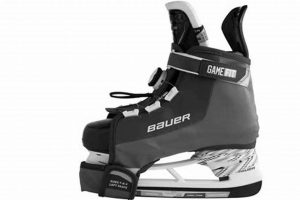
These protective accessories, typically constructed from plastic, rubber, or cloth, are designed to shield the sharpened edges of ice hockey footwear. They are placed over the blades when the skates are not in use, or when the skater is walking off the ice, preventing damage from abrasive surfaces like concrete or rubber flooring. Consider, for example, a player stepping off the rink onto a locker room floor; without this protection, the blades would quickly dull, compromising performance.
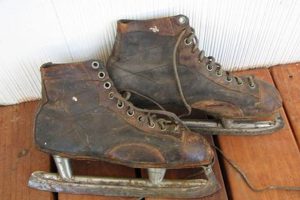
The use of these accessories is critical for maintaining blade sharpness and prolonging the life of the skating equipment. Sharp blades are essential for efficient skating, allowing for precise cuts, quick acceleration, and overall enhanced performance on the ice. Furthermore, their use reduces the risk of accidental injury caused by exposed, sharp edges. Historically, simpler versions were used, often improvised from available materials. Today, specialized designs offer improved protection, durability, and ease of use.
The following sections will explore different types, materials, maintenance considerations, and selection criteria for these essential pieces of equipment.
Tips for Hockey Skate Blade Protection
Proper care and selection of blade protectors are crucial for maximizing the lifespan and performance of hockey skates.
Tip 1: Select the appropriate type. Hard plastic versions offer robust protection against hard surfaces, while soft cloth types absorb moisture and prevent rust. Choose based on the environments the skates will encounter.
Tip 2: Ensure correct sizing. Protectors that are too loose can slip off, exposing the blades to damage. Too tight, and they may be difficult to put on and remove, potentially damaging the blade holder.
Tip 3: Regularly clean and dry. Moisture trapped within the protector can lead to rust formation. After each use, remove the protectors and allow both the blades and the interior of the protectors to air dry.
Tip 4: Inspect for damage. Regularly examine the protectors for cracks, tears, or deformation. Replace damaged protectors immediately to maintain adequate protection.
Tip 5: Avoid walking long distances on hard surfaces. While the protectors offer some protection, prolonged walking on abrasive surfaces will still cause wear and tear on both the protector and the blade.
Tip 6: Consider using soakers in storage. Fabric soakers can be used inside the guards or separately to absorb any residual moisture during long periods of storage, helping to prevent rust.
Tip 7: Replace frequently. Blade protectors are a consumable item. Depending on usage, they should be replaced periodically to ensure optimal protection.
Implementing these tips will significantly extend the life of hockey skate blades and maintain optimal performance on the ice.
The following section will provide a detailed look at the different types of blade protectors available and the factors to consider when choosing the right one.
1. Material Durability

The lifespan and protective capabilities of accessories are intrinsically linked to the durability of the materials used in their construction. Selecting appropriate materials is paramount for effectively safeguarding the delicate blades of hockey skates.
- Impact Resistance of Polymers
High-density polymers, like polypropylene, offer substantial impact resistance. These materials can withstand repeated contact with hard surfaces such as concrete or rubber flooring, preventing chips and dents to the blade. Guards made from less robust polymers are prone to cracking and failure, compromising protection.
- Abrasion Resistance of Rubber Compounds
Certain rubber compounds, particularly those with high hardness ratings, exhibit superior abrasion resistance. This is crucial for guards used on rough or uneven surfaces. Guards constructed from less abrasion-resistant rubber will degrade quickly, losing their protective effectiveness and requiring frequent replacement.
- Tensile Strength of Reinforced Fabrics
Reinforced fabrics, such as nylon or canvas, contribute to the overall structural integrity of cloth-based protectors. High tensile strength prevents tearing and deformation, ensuring the guard maintains its shape and functionality over time. Inferior fabrics are susceptible to ripping, exposing the blade to potential damage.
- Corrosion Resistance of Metallic Components
In some designs, metallic rivets or fasteners are used. The corrosion resistance of these components is vital, especially in environments where moisture is prevalent. Corrosion can weaken these elements, leading to structural failure of the protector. Stainless steel or treated alloys are often preferred to minimize corrosion risk.
Therefore, a judicious selection of materials with appropriate impact, abrasion, tensile, and corrosion resistance is crucial for ensuring the long-term effectiveness of hockey skate blade guards. Compromising on material quality directly translates to diminished protection and a reduced lifespan of both the blade and its protective covering.
2. Blade Sharpness Retention

Maintaining a keen edge on hockey skate blades is paramount for optimal on-ice performance. A dull blade reduces maneuverability, speed, and overall control. The role of protective accessories in preserving this sharpness is significant.
- Protection from Abrasive Surfaces
Direct contact with concrete, tile, or rubber flooring inevitably dulls blade edges. Protective coverings act as a barrier, preventing this contact and thereby preserving the blade’s sharpness. Without such protection, even short walks off the ice can necessitate frequent re-sharpening.
- Prevention of Edge Damage
Accidental impacts against hard objects, such as skate blades rubbing together in a bag or striking a locker room bench, can cause nicks and dents in the delicate blade edges. Quality guards provide a buffer against these impacts, minimizing the risk of damage that compromises sharpness.
- Reduction of Rust Formation
Moisture exposure, particularly when combined with metallic friction, accelerates rust formation. Rust degrades the blade’s surface, dulling the edge and reducing its effectiveness. Absorbent linings within the accessories help wick away moisture, mitigating this corrosion and extending the blade’s sharp life.
- Maintenance of Blade Profile
Frequent sharpening, while necessary, gradually alters the blade’s profile. By minimizing the need for sharpening through diligent protection, accessories indirectly contribute to maintaining the intended blade profile for a longer period. This consistency in blade shape translates to more predictable and reliable on-ice performance.
In conclusion, the selection and consistent utilization of appropriate protective accessories directly correlate with the degree of blade sharpness retention. A proactive approach to blade protection translates to enhanced performance, reduced maintenance costs, and increased longevity of skating equipment.
3. Moisture Management

The effective regulation of moisture within the confines of skate blade protection systems is paramount to preventing corrosion and prolonging the functional lifespan of skating equipment. Moisture, a byproduct of ice melt and ambient humidity, can accelerate the degradation of blade surfaces, necessitating proactive management strategies.
- Hydroscopic Material Selection
The incorporation of materials with inherent hydroscopic properties, such as terry cloth or microfiber, within the protective sheath facilitates the absorption of residual moisture. These materials actively draw moisture away from the blade surface, mitigating the corrosive effects of prolonged dampness. The efficacy of this approach is contingent upon the material’s capacity to retain and dissipate moisture effectively.
- Ventilation Strategies
The implementation of ventilation channels or permeable membranes within the design of protective guards promotes airflow and evaporative drying. These features allow moisture vapor to escape from the enclosed environment, preventing condensation and reducing the overall humidity levels surrounding the blade. Effective ventilation requires a balance between airflow and protection from external contaminants.
- Rust Inhibitor Integration
The inclusion of rust inhibitors, either as coatings on the blade or as impregnated compounds within the protective material, provides an additional layer of defense against corrosion. These inhibitors create a barrier that prevents moisture from interacting directly with the metal surface, thereby slowing down the oxidation process. The longevity and effectiveness of rust inhibitors are dependent on their chemical composition and application method.
- Material Porosity Considerations
The porosity of the materials used in construction influences the rate at which moisture can penetrate and saturate the protective covering. Highly porous materials, while potentially offering enhanced absorption, may also retain moisture for extended periods, increasing the risk of corrosion. Conversely, less porous materials may offer limited absorption but facilitate faster drying. The optimal porosity level depends on the environmental conditions and usage patterns.
In summary, effective moisture management within hockey skate blade protection systems hinges on a multi-faceted approach that encompasses material selection, ventilation design, rust inhibitor integration, and porosity considerations. The successful implementation of these strategies contributes significantly to the preservation of blade integrity and the extension of equipment lifespan.
4. Impact Resistance

Impact resistance is a crucial property in the context of protective accessories for hockey skate blades, directly influencing their ability to shield the delicate edges from damage caused by external forces.
- Material Composition and Impact Absorption
The materials used in the construction of these accessories significantly determine their impact resistance. High-density polymers, for instance, possess a molecular structure that effectively dissipates kinetic energy upon impact, reducing the force transmitted to the blade. Conversely, materials with lower densities offer diminished impact absorption capabilities, potentially leading to blade damage from even minor collisions. A real-world example includes a player accidentally stepping on a skate in the locker room; a high-impact-resistant guard will prevent edge damage, whereas a less robust one may fail.
- Structural Design and Force Distribution
The physical design of the protective accessory plays a vital role in distributing impact forces. A well-designed guard will incorporate features that spread the force over a larger surface area, minimizing the concentration of stress on any single point. This can be achieved through reinforced ribs, contoured shapes, or layered construction. An example would be a guard with internal ribbing that disperses the force of a dropped skate, preventing localized damage to the blade edge.
- Testing Standards and Certification
Formal testing standards provide a quantifiable measure of impact resistance. These standards simulate real-world impact scenarios and assess the ability of the protective accessory to withstand these forces without failure. Certifications based on these standards offer consumers assurance regarding the level of protection provided. For example, a guard certified to meet a specific ASTM standard has demonstrated its ability to protect the blade under defined impact conditions.
- Environmental Factors and Material Degradation
Exposure to environmental factors, such as temperature extremes or ultraviolet radiation, can degrade the materials used in protective accessories, reducing their impact resistance over time. Regular inspection and replacement of guards that show signs of wear or degradation are essential for maintaining optimal protection. For instance, a guard left in direct sunlight for extended periods may become brittle and more susceptible to cracking upon impact.
The cumulative effect of these facets dictates the overall impact resistance of protective accessories for hockey skate blades. Selecting accessories constructed from durable materials, incorporating effective force distribution designs, adhering to relevant testing standards, and mitigating environmental degradation are all crucial considerations for ensuring adequate blade protection.
5. Proper Fit
Ensuring a correct and secure fit of protective accessories is paramount for their effective functioning and the safeguarding of hockey skate blades. An ill-fitting guard compromises its protective capabilities and can, paradoxically, contribute to blade damage.
- Secure Blade Enclosure
A properly fitted guard completely encloses the blade, preventing exposure to abrasive surfaces. Gaps or loose areas allow the blade to make contact with the environment, negating the protective benefit. For example, a guard that is too short may leave the toe or heel of the blade exposed, increasing the risk of damage during transit or storage.
- Retention During Movement
The guard must remain securely in place during normal handling and transport of the skates. Slippage exposes the blade and increases the risk of accidental injury. A guard that slides off easily, for example, when the skates are carried, offers inadequate protection.
- Absence of Binding or Pressure Points
While a snug fit is desirable, excessive tightness can create pressure points on the blade or blade holder. These pressure points can lead to warping or damage over time. For instance, a guard that is too narrow may exert undue force on the blade holder, potentially causing it to crack or deform.
- Compatibility with Blade Profile
Different skate blades have varying profiles (curvature and thickness). The guard must be compatible with the specific blade profile to ensure a secure and effective fit. A guard designed for a flat profile may not adequately protect a highly contoured blade, leaving vulnerable areas exposed.
The interplay between these facets underscores the importance of selecting guards that are specifically sized and shaped for the intended skate blades. Compromising on fit diminishes the protective capabilities of the accessory and can inadvertently contribute to equipment damage.
6. Longevity

The lifespan of hockey skate blades is significantly influenced by the consistent use of blade guards. These protective accessories act as a primary defense against the myriad abrasive forces encountered off the ice, directly impacting the blade’s susceptibility to dulling and damage. Without guards, even brief contact with concrete, tile, or rubber flooring can diminish the blade’s edge, necessitating more frequent sharpening and, consequently, a reduced overall lifespan. The cumulative effect of repeated abrasive contacts significantly shortens the period of optimal blade performance. For example, a player who frequently walks across a concrete locker room floor without blade protection may find that their blades require sharpening twice as often as those of a player who consistently uses guards.
Furthermore, blade guards contribute to longevity by mitigating the risk of rust formation. Moisture trapped between the blade and its environment can accelerate corrosion, compromising the blade’s structural integrity and sharpness. Protective coverings, particularly those with absorbent linings, help wick away moisture and prevent this corrosive process. Neglecting this aspect of blade care can lead to pitting and weakening of the steel, ultimately shortening the blade’s usable life. Practical application involves selecting guards with breathable or moisture-wicking materials and ensuring they are thoroughly dried after each use to prevent moisture buildup.
In summary, the consistent and appropriate use of hockey skate blade guards is a critical factor in extending the longevity of skating equipment. By minimizing abrasive wear and mitigating corrosion, these accessories directly contribute to preserving blade sharpness and structural integrity. The challenge lies in consistently applying these protective measures and selecting guards that effectively address both abrasive and corrosive threats, thus maximizing the return on investment in skating equipment.
Frequently Asked Questions
The following section addresses common inquiries regarding the selection, use, and maintenance of protective coverings designed to safeguard the sharpened edges of ice hockey footwear.
Question 1: What materials are most effective for hockey skate blade guards used on abrasive surfaces?
High-density polymers and abrasion-resistant rubber compounds are generally the most durable choices for guards intended for use on concrete or rubber flooring. These materials withstand repeated contact without significant degradation.
Question 2: How frequently should hockey skate blade guards be replaced?
Replacement frequency depends on usage intensity and environmental conditions. Guards exhibiting visible wear, cracks, or deformation should be replaced immediately. As a general guideline, consider replacement every six to twelve months with regular use.
Question 3: Are fabric “soakers” sufficient protection against damage from walking off-ice?
Fabric soakers primarily address moisture absorption and offer limited protection against physical abrasion. They are not suitable for walking on abrasive surfaces. Hard plastic or rubber guards are necessary for that purpose.
Question 4: How can rust formation be prevented on hockey skate blades when using guards?
After each use, remove the guards and allow both the blades and the interior of the guards to air dry. Consider using absorbent soakers to wick away residual moisture during storage. Regularly inspect blades for signs of rust and address accordingly.
Question 5: Can improperly sized hockey skate blade guards damage the blades?
Yes. Guards that are too tight can exert undue pressure on the blade holders, potentially causing warping or damage. Guards that are too loose offer inadequate protection and may slip off, exposing the blades.
Question 6: Are universal hockey skate blade guards suitable for all skate sizes?
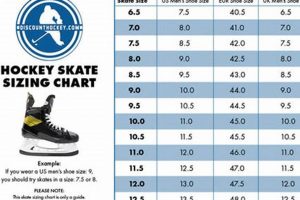
While some guards are marketed as universal, it is crucial to ensure a proper fit. Skate blade sizes vary significantly; therefore, selecting guards specifically designed for the corresponding skate size is recommended for optimal protection.
Proper selection, consistent use, and diligent maintenance of protective coverings are essential for maximizing the lifespan and performance of hockey skate blades.
The subsequent section will delve into advanced care techniques and storage solutions for skating equipment.
Conclusion
This exposition has illuminated the critical role of hockey skate blade guards in preserving equipment integrity and optimizing athletic performance. From material selection to maintenance protocols, a comprehensive understanding of these protective accessories is paramount. The documented benefits extend beyond mere cost savings, encompassing enhanced safety and consistent on-ice responsiveness.
Therefore, a proactive investment in appropriate protective measures is not merely a recommendation, but a necessity for serious athletes and dedicated recreational players alike. Diligence in selection, application, and upkeep will yield tangible dividends in both equipment longevity and the sustained quality of the skating experience.