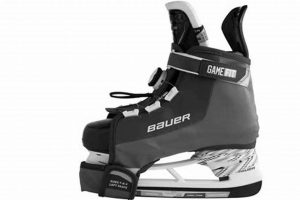
The component of a hockey skate that provides lateral stability and protection to the lower leg is a critical design element. This feature is integrated into the skate’s construction to minimize the risk of injury and enhance performance by preventing excessive movement of the ankle joint. For example, a rigid shell around the ankle area restricts side-to-side motion, allowing for more efficient energy transfer during skating.
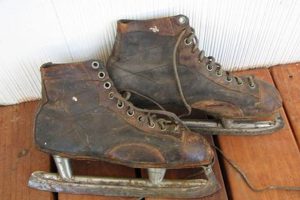
Effective support in this area is paramount for injury prevention, particularly against sprains and fractures that can result from impacts or awkward landings. Historically, improvements in materials and design have led to enhanced protective capabilities. Early skates offered limited support, but advancements in composite materials and molding techniques have resulted in significant gains in both stability and comfort. This evolution directly impacts the skaters ability to perform advanced maneuvers with confidence and reduces the likelihood of downtime due to injury.
The following sections will detail the specific materials used in construction, the different levels of support available, and how to select the most appropriate option based on individual needs and skating style. Furthermore, we will examine the role of proper fitting and maintenance in maximizing the effectiveness of this critical skate feature.
Essential Considerations for Hockey Skate Ankle Support
Optimizing performance and mitigating injury risk necessitates a comprehensive understanding of hockey skate support mechanisms. The following guidelines provide critical insights for players and equipment managers.
Tip 1: Assess Individual Support Requirements: Player size, skating style, and injury history are primary determinants of necessary support levels. A heavier player engaging in aggressive maneuvers will require a more rigid structure than a lighter, less aggressive skater.
Tip 2: Prioritize Proper Fit: Ill-fitting skates compromise support. Ensure the heel is locked in place, and the ankle is snug without being overly restrictive. Professional skate fitting is strongly recommended.
Tip 3: Evaluate Material Composition: Skates constructed with high-quality composite materials offer superior stiffness and durability. Examine the specifications of the boot shell and internal padding materials.
Tip 4: Consider Heat Molding Capabilities: Heat-moldable skates conform to the specific contours of the foot and ankle, enhancing both comfort and support. This process optimizes the anatomical fit.
Tip 5: Inspect Regularly for Wear and Tear: Cracks, tears, or deformation in the boot shell can significantly reduce support effectiveness. Conduct routine inspections and replace equipment exhibiting signs of degradation.
Tip 6: Explore Aftermarket Support Options: For players requiring additional reinforcement, consider aftermarket ankle supports or orthotics. Consult with a qualified professional to determine the appropriate solution.
Tip 7: Maintain Proper Lacing Technique: Correct lacing distributes pressure evenly and maximizes the effectiveness of the integrated support structure. Avoid overtightening, which can restrict circulation and increase discomfort.
By adhering to these guidelines, players can enhance their on-ice performance, minimize the risk of ankle injuries, and extend the lifespan of their hockey skates. Careful consideration of these factors is essential for both recreational and competitive players.
The subsequent section will explore specific exercises and training regimens designed to further strengthen ankle stability and reduce the likelihood of injuries sustained during gameplay.
1. Stability

In hockey, stability within the skate, particularly around the ankle, directly influences a player’s ability to execute maneuvers effectively and safely. The level of support in this area is critical for maintaining balance, preventing injuries, and maximizing power transfer during skating.
- Lateral Support
Lateral support refers to the skate’s ability to resist sideways movement of the ankle. A stiff boot shell and robust internal padding are essential for preventing the ankle from rolling inward or outward during sharp turns and sudden stops. Insufficient lateral support can lead to ankle sprains and reduced agility on the ice.
- Ankle Lock
Ankle lock describes the degree to which the skate secures the ankle joint. A properly fitted skate with adequate ankle lock keeps the heel firmly in place and prevents excessive forward or backward movement of the ankle. This feature is crucial for efficient power transfer and responsiveness during skating. A loose ankle lock can result in energy loss and decreased control.
- Energy Transfer
The stability of the ankle directly impacts energy transfer from the leg to the skate blade. A stable ankle allows for a more direct and efficient transmission of force during each stride. This maximizes speed and acceleration. Conversely, instability in the ankle can dissipate energy, reducing skating efficiency and power output.
- Injury Prevention
Maintaining ankle stability is paramount for preventing injuries. The skate’s construction should provide sufficient support to protect the ankle from impacts and prevent excessive movement that could lead to sprains or fractures. Skates with enhanced stability features are particularly beneficial for players with a history of ankle injuries or those engaging in high-impact play.
Ultimately, stability is an indispensable attribute of hockey skates, intricately linked to ankle support. The facets of lateral support, ankle lock, energy transfer, and injury prevention collectively contribute to a skate’s overall performance and safety. Prioritizing these aspects ensures players can perform at their best while minimizing the risk of ankle-related injuries.
2. Protection

Protection afforded by hockey skate ankle support is a primary consideration for all players, regardless of skill level. The design and materials used directly influence the degree to which the ankle is shielded from potential impacts and injuries common in the sport.
- Impact Resistance
The ability of the skate to withstand direct impacts from pucks, sticks, or collisions with other players is crucial. High-density materials, such as reinforced polymers or composite shells, are employed to dissipate force and minimize the risk of fractures or contusions. For example, a skate utilizing a molded composite boot effectively distributes impact energy across a larger surface area, reducing the concentrated stress on the ankle.
- Tendon Guard
The Achilles tendon is particularly vulnerable in hockey. The extended heel portion of the skate, often referred to as the tendon guard, provides a protective barrier against slashes or impacts that could cause tendon injuries. This guard typically incorporates rigid or semi-rigid materials to absorb and deflect external forces, mitigating the potential for severe trauma.
- Lateral Stability and Sprain Prevention
The structural integrity of the ankle support system minimizes the risk of ankle sprains. By restricting excessive lateral movement, the skate prevents the ankle joint from exceeding its natural range of motion during abrupt changes in direction or collisions. A well-designed skate effectively limits the likelihood of ligament damage resulting from sudden twisting or inversion.
- Cut Resistance
Skate blades pose a significant risk of laceration. While not the primary focus, the ankle area of the skate contributes to overall cut resistance. Denser outer materials and layered construction offer a degree of protection against direct contact with skate blades, reducing the severity of potential cuts to the lower leg.
These protective features are integral to the overall effectiveness of hockey skate ankle support. The integration of impact-resistant materials, tendon guards, lateral stability mechanisms, and cut-resistant elements collectively safeguard the ankle from the various hazards encountered during gameplay. Prioritizing these aspects ensures a higher level of protection and minimizes the potential for injury.
3. Performance
The connection between hockey skate ankle support and on-ice performance is multifaceted and critical for optimizing a player’s capabilities. The rigid structure around the ankle serves as a conduit for efficient energy transfer. When a skater pushes off, the force generated in the leg must be effectively translated to the blade. Insufficient support leads to energy dissipation and a less powerful stride. For instance, a skater with weak ankle support might experience a delayed or less explosive acceleration compared to a skater with a properly reinforced boot. Furthermore, the ability to execute sharp turns and quick stops is directly contingent upon adequate lateral stability. A lack of support compromises balance, hindering agility and responsiveness in dynamic game situations.
Beyond basic skating mechanics, more advanced skills such as crossovers, transitions, and backwards skating heavily rely on the stability provided by the ankle support. Precise control and edge work become compromised when the ankle is allowed excessive movement within the boot. Consider the act of performing a tight turn; without adequate support, the skater’s ankle may buckle inward, causing a loss of balance and reduced speed. Conversely, a well-supported ankle enables the skater to maintain a lower center of gravity, increasing stability and generating greater power through the turn. A practical example involves professional players, who often demand custom-fitted skates with enhanced ankle support to maximize their on-ice efficiency and control, thereby gaining a competitive edge.
In summary, the performance benefits derived from appropriate hockey skate ankle support extend far beyond mere comfort. It directly impacts skating efficiency, agility, power transfer, and overall control. Understanding the practical implications of this connection allows players and coaches to make informed decisions regarding equipment selection and training strategies. Addressing any deficiencies in ankle support can contribute significantly to improved on-ice performance and a reduced risk of injury, ultimately enhancing the player’s overall effectiveness.
4. Comfort
The level of comfort provided by hockey skate ankle support is integral to a skater’s performance and overall experience. Discomfort can lead to distractions, reduced agility, and ultimately, compromised performance. Therefore, the design and materials used in the ankle support system play a significant role in determining the skater’s ability to focus and perform at their best.
- Internal Padding and Liner Materials
The type and density of internal padding directly impact comfort. High-quality foams and liners conform to the shape of the ankle, minimizing pressure points and reducing friction. Examples include thermo-formable foams that mold to the individual’s anatomy when heated, creating a custom fit and minimizing discomfort. Substandard materials can cause irritation, blisters, and general discomfort, detracting from the skating experience.
- Heat Molding Capabilities
The ability to heat mold hockey skates is a significant advancement in achieving optimal comfort. Heat molding allows the skate’s boot, particularly the ankle support area, to be customized to the precise contours of the skater’s foot and ankle. This process eliminates gaps and pressure points, resulting in a snug and comfortable fit. Skates lacking this capability often require a break-in period, during which discomfort is common.
- Breathability and Moisture Management
Prolonged use of hockey skates can lead to perspiration, which can cause discomfort and affect performance. Breathable liners and ventilation systems are essential for wicking away moisture and maintaining a comfortable internal environment. Materials like moisture-wicking microfiber help to reduce friction and prevent the build-up of sweat, minimizing the risk of blisters and skin irritation.
- Range of Motion and Flexibility
While ankle support is crucial, excessive rigidity can restrict range of motion and lead to discomfort. A well-designed skate strikes a balance between support and flexibility, allowing for a natural skating stride while maintaining stability. Hinged ankle supports or strategically placed flex zones are examples of features that enhance comfort by accommodating the skater’s movements.
In conclusion, comfort in hockey skate ankle support is not merely a luxury but a critical component of overall performance and injury prevention. The integration of high-quality materials, heat molding capabilities, breathability features, and a balanced range of motion directly influences the skater’s ability to perform comfortably and effectively. Skates that prioritize comfort not only enhance the skating experience but also contribute to long-term player health and well-being. Proper selection of skates considering these comfort aspects is therefore paramount for every hockey player.
5. Customization

The customization of hockey skate ankle support is a critical factor in optimizing both performance and injury prevention. Individuality in foot and ankle anatomy necessitates tailored solutions. A standardized skate boot often fails to adequately address variations in arch height, ankle bone prominence, and overall foot width. This mismatch can lead to discomfort, reduced power transfer, and an increased risk of injury. Heat molding, a common customization technique, allows the skate boot to conform more closely to the individual’s foot shape, mitigating these issues. Another approach involves the use of aftermarket orthotics or inserts that provide targeted support and alignment, further enhancing the fit and function of the ankle support system. For example, a player with high arches might benefit from a custom orthotic that fills the gap between the foot and the skate’s insole, providing improved stability and reducing strain on the ankle joint.
Beyond basic fit adjustments, customization extends to the level of support provided. Players with a history of ankle injuries or those who engage in particularly aggressive play styles may require additional reinforcement. This can be achieved through the use of external ankle supports or by modifying the skate’s internal structure to provide increased rigidity. Some manufacturers offer modular ankle support systems that allow players to adjust the level of stiffness based on their individual needs and preferences. The practical significance of these adjustments is evident in the reduced incidence of ankle sprains and the improved confidence with which players execute challenging maneuvers. Moreover, customized skates often result in enhanced skating efficiency, as the improved fit and support facilitate more direct power transfer from the leg to the blade.
In summary, the customization of hockey skate ankle support represents a vital link between individual needs and optimal performance. Addressing the limitations of standardized skate designs through heat molding, orthotics, and adjustable support systems offers tangible benefits in terms of comfort, injury prevention, and skating efficiency. While the process of customization may require additional time and investment, the long-term gains in player safety and performance far outweigh the initial costs. The challenge lies in ensuring that players have access to knowledgeable professionals who can accurately assess their individual needs and recommend the most appropriate customization strategies.
6. Durability
The longevity and resilience of the ankle support system within hockey skates are paramount to ensuring sustained performance and protection. Material degradation and structural failure directly compromise the effectiveness of the support, necessitating careful consideration of durability factors during design and selection.
- Material Composition and Resistance to Wear
The materials comprising the skate boot and ankle support structure dictate its capacity to withstand repetitive stress and abrasive forces. High-density polymers, reinforced composites, and durable textiles contribute to enhanced resistance against wear and tear. For instance, a boot constructed with ballistic nylon exhibits greater abrasion resistance compared to a standard synthetic material. The selection of appropriate materials is crucial for maintaining structural integrity over extended periods of use.
- Resistance to Impact and Deformation
The ability of the ankle support to withstand high-impact forces without permanent deformation is essential for preserving its protective function. Repeated impacts from pucks, sticks, or collisions can gradually weaken the structure, reducing its ability to provide adequate support. Reinforced construction techniques and strategically placed protective elements minimize the risk of deformation and maintain structural stability. Skates designed for higher levels of competition typically incorporate enhanced impact resistance features.
- Bonding and Seam Integrity
The strength and durability of the bonds and seams that join the various components of the ankle support system are critical to its overall integrity. Weak or poorly executed bonds can lead to separation and structural failure under stress. High-quality adhesives and reinforced stitching techniques ensure a robust and lasting connection between the boot shell, internal padding, and external reinforcements. Regular inspection of seams and bonds is essential for identifying potential weaknesses before they compromise performance.
- Environmental Factors and Degradation
Exposure to moisture, temperature fluctuations, and ultraviolet radiation can accelerate material degradation and reduce the lifespan of the ankle support system. Proper storage and maintenance practices, such as drying skates after use and protecting them from direct sunlight, mitigate the effects of environmental factors. Skates designed for outdoor use often incorporate materials with enhanced resistance to UV degradation and moisture absorption.
In conclusion, durability is an indispensable attribute of hockey skate ankle support, directly impacting its ability to provide consistent protection and performance over time. Attention to material selection, construction techniques, and environmental factors is crucial for maximizing the lifespan and effectiveness of this critical skate component. Regularly assessing the skate for damage or wear is a important precaution to ensure continued performance.
7. Maintenance

The longevity and efficacy of hockey skate ankle support are directly contingent upon diligent maintenance practices. Neglecting routine care can lead to accelerated wear, compromised structural integrity, and diminished protective capabilities. Proper maintenance extends the lifespan of the skates and ensures consistent performance throughout their use.
- Cleaning and Drying Procedures
Moisture accumulation within the skate boot fosters bacterial growth and accelerates material degradation. Regular cleaning with a mild detergent and thorough drying after each use are essential. Removing the insole and allowing the skate to air dry prevents the build-up of odors and reduces the risk of material breakdown. Commercial skate dryers expedite the drying process and further minimize moisture-related damage. Neglecting these procedures can lead to premature failure of the ankle support structure due to the weakening of internal materials.
- Fastener Inspection and Tightening
Rivets, screws, and other fasteners secure the various components of the ankle support system. Periodic inspection and tightening of these fasteners are necessary to maintain structural integrity. Loose fasteners can compromise stability and reduce the effectiveness of the support. The use of appropriate tools and techniques ensures that fasteners are tightened without causing damage to the surrounding materials. In the event of damaged fasteners, prompt replacement is crucial to prevent further deterioration of the support system.
- Blade Maintenance and Alignment
The alignment of the skate blade directly affects the biomechanics of skating and influences the stress placed on the ankle joint. Proper blade alignment ensures efficient power transfer and minimizes the risk of ankle strain. Regular sharpening and alignment adjustments are necessary to maintain optimal blade performance. Misaligned blades can lead to compensatory movements in the ankle, increasing the likelihood of injury and reducing skating efficiency. Professional skate technicians possess the expertise to accurately assess and correct blade alignment issues.
- Shell and Liner Inspection
The skate’s outer shell and internal liner are subject to wear and tear. Regular inspection for cracks, tears, or deformation is essential for identifying potential weaknesses. Damage to the shell compromises its ability to provide impact protection, while deterioration of the liner reduces comfort and support. Prompt repair or replacement of damaged components is necessary to maintain the integrity of the ankle support system. Neglecting shell and liner maintenance can result in diminished performance and an increased risk of injury.
These maintenance practices collectively contribute to the prolonged life and optimal function of hockey skate ankle support. Consistent adherence to these guidelines not only maximizes the investment in equipment but also ensures the safety and performance of the skater. Prioritizing maintenance is therefore an integral aspect of responsible equipment management and player safety.
Frequently Asked Questions
This section addresses common inquiries regarding hockey skate ankle support, providing concise and informative answers to aid in understanding its critical role.
Question 1: What constitutes adequate hockey skate ankle support?
Adequate support is defined by a rigid or semi-rigid structure surrounding the ankle joint, limiting lateral movement and providing stability without excessively restricting range of motion. The level of support should be commensurate with the skater’s skill level, size, and playing style.
Question 2: How does ankle support impact skating performance?
Sufficient support enhances energy transfer from the leg to the skate blade, improving acceleration, agility, and overall power. It facilitates precise edge control and enables more efficient execution of advanced skating maneuvers.
Question 3: What are the primary risks associated with inadequate ankle support?
Insufficient support increases the risk of ankle sprains, strains, and other lower leg injuries. It can also lead to decreased skating efficiency and a diminished ability to maintain balance, thereby impacting performance.
Question 4: Can aftermarket accessories improve existing ankle support?
Aftermarket ankle supports, inserts, and orthotics can provide additional stabilization and customization. These accessories should be selected based on individual needs and preferences, ideally after consultation with a qualified professional.
Question 5: How does skate fit relate to ankle support effectiveness?
Proper skate fit is paramount for maximizing support. Ill-fitting skates compromise stability and increase the likelihood of injury, regardless of the skate’s inherent support capabilities. Professional skate fitting is strongly recommended.
Question 6: What maintenance practices are essential for preserving ankle support?
Regular cleaning, drying, fastener inspection, and shell/liner assessment are crucial for maintaining the integrity of the ankle support system. Addressing damage promptly prolongs the lifespan of the skates and ensures consistent performance.
These FAQs provide a foundational understanding of hockey skate ankle support. Further exploration of materials, fitting techniques, and specific injury prevention strategies will enhance awareness and contribute to improved player safety and performance.
The subsequent section will focus on specific exercises and training regimens designed to further strengthen ankle stability and reduce the likelihood of injuries sustained during gameplay.
Conclusion
The preceding exploration has delineated the crucial role of hockey skate ankle support in enhancing performance, ensuring safety, and mitigating injury risk. From material composition and customization options to maintenance protocols, a comprehensive understanding of this component is essential for all participants. It is clear that a well-designed and properly maintained support structure is not merely a matter of comfort; it is a fundamental aspect of effective skating and injury prevention.
Therefore, the informed selection and diligent care of equipment emphasizing robust ankle support should be considered a priority. The long-term benefits, including improved on-ice capabilities and reduced risk of debilitating injuries, far outweigh any initial investment or ongoing maintenance efforts. Moving forward, continued advancements in materials and design will likely further enhance the effectiveness of this critical skate feature, underscoring its enduring significance in the sport of hockey.