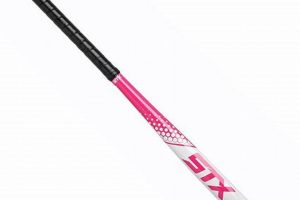
The selection of appropriate field hockey equipment significantly influences player performance and safety. A crucial element is the implement used to propel the ball; thus, understanding characteristics defining quality manufacturers is essential. This understanding allows players to make informed purchasing decisions aligning with skill level, playing style, and budget.
Choosing reliable providers offers advantages ranging from enhanced power and control to increased durability and longevity of the equipment. Historically, advancements in materials and construction techniques have led to a wider array of options, each promising specific performance benefits. Evaluating these factors enables athletes to optimize their on-field effectiveness.
The subsequent discussion will delve into key considerations for evaluating available options, exploring specific brands recognized for their quality, innovation, and suitability across different player profiles. It will also address the importance of considering material composition, weight, and bow shape when making a selection.
Guidance for Selecting Reputable Field Hockey Stick Providers
The following points provide guidance when assessing manufacturers, aiming to assist in choosing equipment that enhances performance and minimizes risk of premature failure.
Tip 1: Assess Material Composition. Carbon fiber content significantly impacts stiffness and power. Higher percentages generally offer increased power but may compromise feel. Evaluating the carbon-to-fiberglass ratio based on player experience and desired balance is crucial.
Tip 2: Evaluate Stick Weight and Balance. Lighter sticks facilitate quicker movements, while heavier options may enhance striking power. Balance point influences maneuverability; a higher balance point promotes agility, while a lower point contributes to stability.
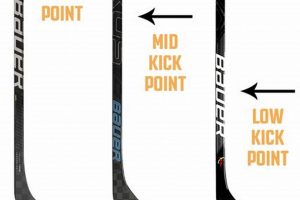
Tip 3: Examine Bow Shape and Position. Bow shape impacts ball control and aerial skills. Variations include standard, mid, and low bows, each designed for specific playing styles. Select a bow shape complementing preferred techniques.
Tip 4: Consider Grip and Handle Thickness. Proper grip size and texture are essential for maintaining control and preventing slippage. Variations exist to accommodate different hand sizes and preferences.
Tip 5: Research Brand Reputation and Longevity. Establishments with a history of quality and innovation typically offer more reliable products. Reviews, testimonials, and warranty policies serve as indicators of long-term commitment to customer satisfaction.
Tip 6: Analyze Price Point Relative to Performance. Cost is not always indicative of superior performance. Evaluate the features and benefits offered at each price range to determine the optimal value proposition.
Tip 7: Consider Playing Position and Skill Level. Different positions require different stick characteristics. Defensive players often benefit from greater power and stability, while offensive players may prioritize agility and control. Beginning players might find more forgiving sticks beneficial.
Adhering to these considerations will facilitate a more informed selection, ultimately contributing to improved on-field performance and equipment longevity.
The subsequent section will address specific manufacturers known for adhering to high standards of quality and innovation within the field hockey equipment market.
1. Reputation

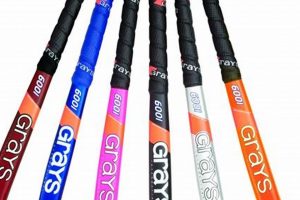
A manufacturer’s reputation in the field hockey equipment market functions as a crucial indicator of product reliability and overall quality. It reflects the accumulated experiences of players, coaches, and retailers over time, distilled into a general perception of the brand’s commitment to excellence and customer satisfaction. A positive reputation often results from consistent adherence to quality control measures, investment in research and development, and responsive customer service. For example, brands with long-standing presences in the sport, such as Grays and Mercian, have cultivated reputations based on decades of producing dependable equipment that meets the evolving demands of the game.
The effect of a brand’s reputation extends beyond mere consumer perception. It influences purchasing decisions, with players and teams often prioritizing brands known for their durability and performance characteristics. A favorable reputation can also lead to increased brand loyalty, as players who have had positive experiences with a particular manufacturer are more likely to repurchase their products in the future. Furthermore, a reputable provider may attract endorsements from high-profile athletes, further enhancing brand visibility and credibility within the field hockey community. However, brands with tarnished reputations, due to issues like product defects or poor customer service, may struggle to regain market share, even with subsequent improvements to their offerings.
In conclusion, a strong reputation constitutes a significant component of superior equipment. It offers potential buyers a valuable signal regarding the reliability and performance they can expect from a specific brand. While other factors, such as price and individual player preferences, also play a role in the purchasing process, a reputable manufacturer provides a baseline level of assurance that can significantly impact a player’s confidence in their equipment and their overall on-field experience. Ignoring brand reputation carries the risk of investing in equipment that underperforms or fails prematurely, ultimately detracting from the player’s development and enjoyment of the sport.
2. Durability

Durability constitutes a primary attribute when evaluating reputable field hockey stick providers. The capacity to withstand repeated impacts and stresses during gameplay directly influences the equipment’s lifespan and overall value proposition. Equipment subject to frequent breakage or premature wear necessitates more frequent replacements, resulting in increased long-term costs for players and teams. Therefore, a provider’s commitment to producing resilient implements becomes a critical factor in the purchasing decision. Enhanced durability also contributes to player safety by reducing the risk of sudden equipment failure during critical moments of a match.
Material selection and manufacturing processes significantly affect the durability of field hockey sticks. Brands known for utilizing high-quality carbon fiber composites and implementing rigorous quality control measures often produce equipment exhibiting superior resistance to impact and fatigue. For instance, specific manufacturers employ reinforced resin systems or specialized weaving patterns to enhance the structural integrity of their products. Conversely, providers who prioritize cost reduction over material quality may offer implements that are more susceptible to damage, even under normal playing conditions. Player testimonials and independent product reviews frequently highlight variations in durability across different brands, providing valuable insights for prospective buyers.
In summation, the connection between durability and reputable field hockey stick manufacturers is inextricable. A provider’s ability to consistently produce resilient implements not only enhances the economic value for customers but also contributes to improved player safety and overall performance. While other factors, such as design and performance characteristics, also warrant consideration, durability serves as a foundational element in determining the long-term suitability and reliability of a field hockey stick. Ignoring this factor could result in frequent replacements and increase the risk of injury due to equipment failure.
3. Innovation
Innovation distinguishes leading field hockey equipment manufacturers. Advancements in materials, construction techniques, and design parameters correlate directly with enhanced performance characteristics and improved player safety. The pursuit of innovative solutions allows brands to address the evolving demands of the sport, responding to shifts in playing styles and regulatory requirements. This commitment manifests in novel carbon fiber layups, refined bow shapes, and ergonomically optimized grip designs, all contributing to improved ball control, power transfer, and player comfort. For example, some manufacturers have pioneered the use of nanotechnology to strengthen composite materials, resulting in lighter yet more durable implements. The introduction of specific bow shapes optimized for drag-flicking represents another example where innovation has directly impacted playing techniques.
The importance of innovation extends beyond mere technological advancement. It fosters a competitive environment, driving providers to continually refine their products and processes. This ongoing refinement benefits players at all levels, providing them with access to equipment that pushes the boundaries of performance. The adoption of bio-mechanical principles in stick design, for example, has led to implements that reduce stress on the player’s body while maximizing energy transfer. Furthermore, innovative manufacturers often collaborate with elite athletes, incorporating their feedback into the design process to ensure that their products meet the specific needs of high-performance players. However, it is important to note that not all purported innovations deliver tangible benefits. Therefore, critical evaluation of marketing claims and independent product testing are crucial for making informed purchasing decisions.
In conclusion, innovation represents a critical determinant in evaluating a manufacturer’s position. The continuous pursuit of novel materials, improved designs, and optimized manufacturing processes separates established brands from companies that rely on outdated technology. While not all innovations necessarily translate into a superior product, a commitment to development signifies a dedication to meeting the evolving needs of players and to pushing the boundaries of performance within the sport. Awareness regarding this correlation enables consumers to discern between marketing hype and actual advancements, ultimately ensuring they obtain the equipment best suited to their individual requirements.
4. Performance

Performance is inextricably linked to credible field hockey stick manufacturers. The ability of a stick to facilitate superior ball control, striking power, and maneuverability directly impacts a player’s on-field effectiveness. Therefore, a provider’s dedication to optimizing these performance attributes becomes a crucial differentiator in a competitive market. The cause-and-effect relationship is evident: superior stick design and material composition lead to enhanced performance, translating to improved gameplay and potentially, competitive advantage. For example, players utilizing sticks with optimized bow shapes often exhibit increased accuracy and power in drag-flicking, a critical skill in modern field hockey.
The importance of performance as a component of reputable brands stems from its direct impact on player success and satisfaction. Manufacturers recognized for producing implements that consistently deliver high performance garner enhanced brand loyalty and attract endorsements from elite athletes. These endorsements further reinforce the perception of quality and contribute to increased sales. Furthermore, meticulous material selection and design are critical elements that improve the performance of field hockey sticks and make their brands more respectable. However, performance must be evaluated holistically, considering factors such as stick weight, balance point, and grip comfort, as these elements collectively contribute to the player’s overall experience and effectiveness on the field.
In conclusion, performance constitutes a critical element in evaluating reputable manufacturers. While durability, innovation, and price also influence purchasing decisions, the stick’s ability to facilitate superior gameplay remains paramount. Selecting a provider recognized for consistently delivering high-performance equipment offers players a significant advantage, enabling them to maximize their skills and achieve their competitive goals. Ignoring performance considerations carries the risk of selecting implements that hinder rather than enhance a player’s capabilities, potentially leading to diminished on-field effectiveness and decreased enjoyment of the sport.
5. Materials
The selection of materials is a fundamental differentiator among field hockey stick manufacturers. The performance, durability, and overall quality of a stick are directly correlated to the materials employed in its construction. Reputable brands prioritize high-grade materials and advanced manufacturing processes to optimize these characteristics. The prevalent material is carbon fiber, often combined with fiberglass, aramid, or other composite materials to tailor the stick’s stiffness, weight, and feel. Higher carbon fiber content generally results in increased stiffness and power, while fiberglass offers enhanced flexibility and feel. Brands recognized for excellence invest in research and development to refine these composite blends, achieving a balance that meets the demands of diverse playing styles and skill levels. For instance, manufacturers might use specific weaving patterns for the carbon fiber to maximize strength in particular areas of the stick, demonstrating a deliberate approach to material application.
The significance of material quality extends beyond performance enhancements. It directly affects the stick’s longevity and resistance to damage from impact and abrasion. Manufacturers known for using superior materials often offer extended warranties or demonstrate a consistent track record of producing durable equipment. Conversely, brands that prioritize cost-cutting measures may compromise on material quality, resulting in sticks that are more prone to breakage or exhibit reduced performance over time. Real-world examples include instances where sticks constructed with lower-grade carbon fiber have shattered during gameplay, highlighting the importance of material integrity. The grip material also matters; quality grips enhance control and comfort, contributing to overall player satisfaction.
In summary, the relationship between materials and good field hockey stick manufacturers is definitive. The selection of appropriate materials is not merely a technical detail but a critical factor that influences performance, durability, and player safety. Reputable brands invest in high-grade materials and innovative manufacturing processes to differentiate their products and meet the demands of the sport. Understanding the role of materials allows consumers to make informed purchasing decisions, selecting sticks that offer the optimal balance of performance, longevity, and value. Disregarding the material component carries the risk of investing in implements that underperform or fail prematurely, ultimately detracting from the player’s development and enjoyment of the game.
6. Price
Price functions as a significant, though complex, indicator when assessing field hockey stick manufacturers. A direct correlation between elevated price and demonstrably superior equipment is not always guaranteed; however, price often reflects the quality of materials, the intricacy of manufacturing processes, and the level of research and development invested in a particular stick model. The cost of carbon fiber, a primary component in many high-performance sticks, directly influences the final retail price. For example, sticks constructed with higher percentages of premium-grade carbon fiber composites typically command a higher price point due to the increased raw material expense and the enhanced performance characteristics they offer. Manufacturers incurring higher production costs, attributable to advanced technologies or meticulous quality control measures, commonly pass these expenses on to the consumer.
The importance of price as a component of good field hockey stick brands resides in its capacity to signal potential value and durability. Although not the sole determinant, a stick’s price can provide a benchmark for comparison across different brands and models. Consumers should evaluate price in conjunction with other factors, such as brand reputation, material composition, and performance reviews, to make informed purchasing decisions. Seeking equipment at the lowest price point may result in acquiring sticks constructed with inferior materials, leading to diminished performance and reduced lifespan. Conversely, investing in a higher-priced stick does not automatically guarantee superior performance. It is important to scrutinize the specific features and technologies offered at various price levels to determine the optimal balance between cost and functionality. Consider reputable brands known for mid-range offerings that provide an excellent combination of performance and durability without the premium price tag.
In conclusion, price represents a crucial but not definitive element when evaluating field hockey stick manufacturers. It reflects the investment in materials, manufacturing, and research that contributes to the stick’s overall quality and performance. Consumers should approach price as a comparative metric, considering it in conjunction with other factors such as brand reputation, material composition, and player-specific needs. Neglecting price analysis entirely can lead to either overspending on unnecessary features or underspending on equipment that compromises performance and durability, negatively impacting player development and on-field success.
Frequently Asked Questions
The subsequent section addresses common inquiries regarding the selection and evaluation of field hockey stick manufacturers. This information aims to clarify important considerations and dispel potential misconceptions, enabling informed purchasing decisions.
Question 1: Is there a singular “best” manufacturer applicable to all players?
The notion of a universally superior manufacturer lacks validity. Optimal stick selection is subjective and depends on playing style, position, skill level, and individual preferences. Manufacturers excel in distinct areas, such as specific material compositions or specialized bow designs. Players must prioritize their unique requirements when evaluating available options.
Question 2: Does a higher price point guarantee superior stick performance?
Increased price is not synonymous with enhanced performance. While premium materials and advanced manufacturing processes often correlate with higher costs, the benefits may not always justify the expenditure for all players. Assessing features and benefits relative to the player’s specific needs is crucial to determine optimal value.
Question 3: How significantly does carbon fiber content impact performance?
Carbon fiber content substantially influences a stick’s stiffness, power, and feel. Higher percentages typically yield increased power output but can reduce feel and control. Beginners may benefit from sticks with lower carbon content, offering greater flexibility and forgiveness.
Question 4: What role does stick weight play in performance?
Stick weight affects maneuverability and swing speed. Lighter sticks facilitate quicker movements and enhanced ball control, while heavier sticks can generate greater striking power. Players must balance these factors based on their individual playing style and position.
Question 5: How critical is the bow shape in stick selection?
Bow shape profoundly affects ball control, aerial skills, and drag-flicking capabilities. Different bow positions (e.g., standard, mid, low) cater to distinct playing styles and techniques. Selecting a bow shape that complements a player’s preferred skills is essential.
Question 6: Is it necessary to select a stick endorsed by a professional player?
Endorsements can provide insights into a stick’s performance characteristics but should not be the sole factor in the decision-making process. A stick favored by a professional player may not be suitable for all skill levels or playing styles. Prioritizing personal needs and preferences remains paramount.
In summary, selecting the correct equipment requires careful consideration, balancing brand reputation, stick composition, and individual play style.
The subsequent article section delves into the subject of selecting the right equipment retailers.
Concluding Assessment of Reputable Field Hockey Stick Providers
This discourse has investigated the pivotal elements defining superior manufacturers. Material quality, brand reputation, innovation, performance metrics, and price considerations have all been highlighted as critical factors in the equipment selection process. Understanding these aspects enables a more discerning approach to acquiring equipment that enhances player capabilities and promotes long-term value.
The selection of field hockey equipment, especially the implement itself, represents a serious investment in player development and on-field success. Continued evaluation of available manufacturers, combined with a thorough understanding of individual player needs, will contribute to optimal equipment selection, maximizing performance potential and fostering a greater appreciation for the sport.