Protective equipment worn by ice hockey goaltenders to shield the knee joints from impacts and abrasions is a crucial component of their gear. These items are designed to provide cushioning and support, allowing the athlete to perform demanding movements while minimizing the risk of injury during gameplay. An example of their necessity is evident when a goaltender drops into a butterfly position to block a shot, directly exposing the knees to the ice surface.
The importance of specialized lower-body protection for goaltenders cannot be overstated. These pads offer significant benefits by mitigating the force of pucks and impacts with the ice, thus reducing the likelihood of short-term injuries like contusions and long-term joint damage. Historically, advancements in materials and design have progressively enhanced the protective capabilities and mobility offered to goaltenders, reflecting an ongoing effort to optimize performance while safeguarding player health.
The subsequent sections will delve into the specific construction and materials used in these protective devices, explore proper fitting techniques to ensure optimal safety and mobility, and examine the regulations governing their use within various levels of competitive hockey.
Essential Considerations for Goaltender Knee Protection
Proper selection and maintenance of lower-body protection are critical for goaltenders. Prioritizing these aspects can enhance performance and mitigate injury risks.
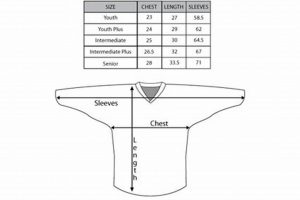
Tip 1: Size and Fit Assessment: Accurate sizing is paramount. Improperly sized pads can restrict movement and leave vulnerable areas exposed. Consult manufacturer sizing charts and, ideally, seek professional fitting assistance.
Tip 2: Material Integrity Inspection: Regularly examine protective equipment for signs of wear and tear, such as cracks, tears, or compromised stitching. Damaged pads offer diminished protection and should be repaired or replaced promptly.
Tip 3: Secure Attachment System Verification: Ensure all straps and buckles are functioning correctly and securely fastened. Loose or broken straps compromise the pad’s ability to stay in place during gameplay, increasing the risk of injury.
Tip 4: Compatibility with Leg Pads: Confirm that the chosen knee protection is compatible with the goaltender’s leg pads. Interference between the two can impede movement and create gaps in coverage.
Tip 5: Proper Hygiene Practices: Regular cleaning and drying of equipment are essential for preventing bacterial growth and maintaining the integrity of the materials. Follow manufacturer recommendations for cleaning procedures.
Tip 6: Mobility Considerations: While protection is primary, mobility should not be entirely sacrificed. Opt for models that allow for a full range of motion while adequately safeguarding the knee joint.
Tip 7: Consider Padding Type: Gel, foam, and hybrid padding options exist. Research and select padding that aligns with individual comfort preferences and desired levels of impact absorption.
By diligently adhering to these recommendations, goaltenders can maximize the protective capabilities of their gear, fostering both performance enhancement and injury prevention on the ice.
The subsequent section will address common issues and solutions associated with this vital piece of equipment.
1. Protection Level
Protection level constitutes a primary determinant of the efficacy of goaltender lower-body protection in ice hockey. A higher degree of protection, typically achieved through strategically placed and robust materials, directly correlates with a diminished risk of injury to the knee joint. This is a cause-and-effect relationship: insufficient protection results in increased susceptibility to contusions, sprains, and more severe trauma. In the context of ice hockey goaltending, where repetitive, high-impact movements are routine, the protection level becomes indispensable. For example, a goaltender facing a slapshot without adequate knee protection is highly vulnerable to a debilitating knee injury.
The implementation of advanced materials, such as high-density foams and strategically placed plastic reinforcements, has significantly elevated the protection level offered by contemporary knee protection. These materials work to dissipate impact energy, thereby reducing the force transmitted to the underlying joint. Furthermore, design innovations, such as articulating designs and adjustable straps, ensure that the protection remains securely in place during dynamic movements. Consider the scenario of a goaltender making a series of rapid lateral movements; without proper protection, the constant stress on the knees could lead to chronic issues. The protection level is also connected to the type of shot being faced. A professional goaltender will be facing shots at much higher velocities, therefore a higher level of protection is required.
In summary, the protection level of goaltender lower-body protection is a critical performance and safety aspect. Optimizing this element is paramount to mitigating the inherent risks associated with the position and ensuring long-term joint health. Understanding the interplay between materials, design, and the specific demands of goaltending is essential for making informed decisions regarding equipment selection. While advancements continue, the primary challenge remains balancing optimal protection with unrestricted mobility to allow the athlete to perform at their peak.
2. Mobility Features

The “Mobility Features” inherent in ice hockey goaltender lower-body protection directly influence a goaltender’s agility and responsiveness within the net. These features represent design and engineering considerations aimed at preserving a full range of motion without compromising protective capabilities. The relationship is a direct one: restricted movement impairs a goaltender’s ability to react to shots, track pucks, and maintain optimal positioning. For example, pads with excessively rigid construction limit the range of butterfly movements, hindering a goaltender’s ability to effectively cover the lower portion of the net.
Advanced mobility features, such as segmented padding, flexible materials in key articulation points, and strategically placed hinges, enable goaltenders to execute complex movements efficiently. Consider the action of recovering from a butterfly position to a standing stance; the design of the knee protection directly affects the speed and fluidity of this transition. Equipment that allows for an unencumbered range of motion facilitates quicker reactions, reduced fatigue, and improved overall performance. Furthermore, the integration of elasticized straps and adjustable closures ensures a secure yet adaptable fit, accommodating the individual anatomical variations and preferences of each goaltender. Without these features, the goaltender is less able to utilize their full range of motion to make saves.
In summation, mobility features are an indispensable component of goaltender lower-body protection. The effectiveness of these features is directly proportional to a goaltender’s ability to perform optimally and maintain a competitive edge. Therefore, careful consideration of mobility features, in conjunction with protective capabilities, is paramount when selecting equipment. The ongoing challenge resides in continually refining designs to achieve an ideal balance between safeguarding the athlete and facilitating unhindered movement, directly correlating to performance.
3. Fit and Sizing

The precise fit and accurate sizing of protective equipment for goaltenders in ice hockey are not mere conveniences; they are fundamental prerequisites for ensuring both optimal performance and the mitigation of potential injuries. The interface between the equipment and the athlete’s anatomy dictates the effectiveness of its protective capabilities, as well as the extent to which mobility and agility are either enhanced or hindered.
- Dimensional Accuracy
Accurate measurement of the goaltender’s leg dimensions is critical for selecting the appropriate size of knee protection. Using a sizing chart from the manufacturer that takes into account the length from the mid-thigh to the ankle, and also the circumference of the thigh and calf, will ensure selection of protection that adequately covers the knee joint. Inaccurate measurements can result in equipment that either restricts movement or leaves areas of the knee vulnerable to impact. For instance, if the equipment is too small, it might not properly cover the entire knee joint, increasing the risk of contusions during gameplay.
- Secure Positioning
The method in which the protective equipment is secured to the leg profoundly affects its protective capabilities. A secure and snug fit is essential to prevent the pads from shifting during dynamic movements, which can expose the knee to impacts. Adjustable straps, buckles, and closures are vital components that enable goaltenders to customize the fit of their equipment. For example, if the straps are too loose, the equipment may slide out of position during a butterfly slide, leaving the knee unprotected.
- Integration with Leg Pads
The fit and sizing of knee protection must be harmonized with the goaltender’s leg pads to ensure seamless integration and prevent interference. Incompatible equipment can impede movement, create gaps in coverage, and compromise the goaltender’s ability to react quickly. For instance, if the knee protection is too bulky, it may restrict the rotation of the leg within the leg pads, hindering the goaltender’s ability to make saves. Therefore, the selection process should involve a comprehensive assessment of how the components function together.
- Range of Motion Considerations
A well-fitted knee protection should permit a full and unrestricted range of motion, allowing the goaltender to execute the complex movements and maneuvers required in the game. Equipment that overly restricts movement can lead to premature fatigue, decreased reaction time, and an increased risk of injury. For example, if the knee protection inhibits the full extension of the leg, the goaltender may experience muscle strain and reduced agility. Thus, a balance must be struck between protective coverage and freedom of movement.
The interplay between dimensional accuracy, secure positioning, integration with leg pads, and range of motion considerations is crucial for ensuring optimal protection. Each aspect must be carefully evaluated to ensure the equipment offers maximum safety and performance. Ignoring these fundamental principles can expose goaltenders to heightened injury risks and diminished effectiveness on the ice.
4. Material Durability
Material durability is a critical factor in the performance and longevity of hockey goalie knee pads. The demanding nature of the position necessitates that these pads withstand repeated impacts, abrasion from the ice surface, and continuous flexing during movement. The selection of durable materials directly affects the protective capability and lifespan of the equipment; inferior materials degrade rapidly, diminishing protection and requiring frequent replacement. For example, a pad constructed with low-density foam will compress and lose its ability to absorb impacts, while stitching prone to tearing compromises the structural integrity of the entire pad.
The materials used in the construction of high-quality knee pads typically include high-density foams, reinforced nylon, and durable synthetic leathers. These materials are chosen for their ability to withstand high-impact forces and resist abrasion. Furthermore, the construction techniques, such as reinforced stitching and layered construction, contribute to the overall durability of the equipment. Consider a goalie who frequently drops into the butterfly position; the constant friction between the pads and the ice places significant stress on the materials. Pads constructed with durable materials and robust construction can withstand this stress, maintaining their protective capabilities and preventing premature wear.
In conclusion, material durability is a non-negotiable factor in the design and selection of hockey goalie knee pads. Prioritizing durable materials and construction techniques translates to improved protection, extended lifespan, and reduced long-term costs. Understanding the relationship between material composition and performance is essential for goaltenders seeking equipment that can withstand the rigors of the position and provide reliable protection over time. The continual development of new, more durable materials remains a key area of innovation in hockey equipment.
5. Attachment System
The “Attachment System” of ice hockey goaltender knee protection is the engineering that secures the pads to the goaltender’s legs. Its effectiveness directly influences the pad’s capacity to remain in the correct protective position during gameplay. The failure of this system can lead to exposed areas, reduced mobility, and increased risk of injury.
- Strap Configuration
Strap configuration refers to the number, placement, and adjustability of the straps. A well-designed system distributes pressure evenly, preventing slippage without restricting blood flow. For example, a system utilizing both calf and thigh straps, each independently adjustable, offers a more secure and customizable fit compared to a single, non-adjustable strap. Improper strap placement or inadequate tension can result in the pad shifting during lateral movements, compromising protection.
- Buckle and Closure Mechanisms
Buckle and closure mechanisms are the components responsible for securing the straps. Durability and reliability are paramount. High-quality buckles made of reinforced plastic or metal are less prone to breakage than those made of inferior materials. Furthermore, hook-and-loop closures must maintain their gripping strength over repeated use. A broken buckle or a worn-out hook-and-loop fastener renders the entire system ineffective, necessitating immediate repair or replacement.
- Material Compatibility
Material compatibility addresses the interaction between the attachment system and the underlying materials of the knee pad and the goaltender’s undergarments. Materials that are prone to abrasion can cause premature wear of the straps or closures. Conversely, stiff or inflexible straps can chafe against the skin, causing discomfort and potentially restricting movement. The optimal system incorporates materials that are durable, comfortable, and compatible with each other, minimizing friction and maximizing longevity.
- Integration with Leg Pads
Integration with the goaltender’s leg pads is a critical consideration. The attachment system should not interfere with the rotation or movement of the leg pads. A poorly designed system can create pressure points or restrict the goaltender’s range of motion, hindering their ability to make saves. The ideal system allows for seamless integration, facilitating fluid movement and maximizing protective coverage.
These facets must function in concert to ensure the protective equipment remains securely positioned, enabling the goaltender to perform at their peak while minimizing the risk of injury. Innovations in materials and designs continue to improve the reliability and comfort of attachment systems, reinforcing their essential role in goaltender safety and performance.
6. Impact Absorption
Impact absorption, in the context of ice hockey goalie knee pads, constitutes the capacity of the equipment to attenuate the force generated during collisions with the ice surface or direct puck impacts. This characteristic is vital in minimizing the risk of injury to the knee joint and surrounding tissues. Effective impact absorption contributes directly to a goaltender’s ability to perform without undue risk of trauma.
- Material Composition
The selection of materials significantly influences impact absorption capabilities. High-density foams, gel padding, and specialized plastics are commonly employed for their energy-dissipating properties. For example, closed-cell foams provide greater resistance to compression than open-cell alternatives, resulting in enhanced impact absorption. The specific combination and layering of these materials determine the overall protective capacity of the pad.
- Padding Thickness and Distribution
The thickness and distribution of padding are directly correlated with the degree of impact absorption. Areas of the knee joint that are more susceptible to injury, such as the patella and condyles, typically require thicker padding. Strategically placed padding can also redirect impact forces away from vulnerable areas. Inadequate padding thickness or improper distribution can lead to insufficient protection, increasing the risk of contusions and sprains.
- Design and Articulation
The design of the knee pad, including its articulation and flexibility, can influence its impact absorption effectiveness. Pads that conform closely to the anatomical contours of the knee offer better protection than those with a rigid, inflexible design. Articulated designs allow the pad to move with the knee joint, maintaining consistent coverage and impact absorption during various movements. A well-designed pad effectively distributes impact forces across a broader surface area.
- Testing and Certification Standards
Adherence to established testing and certification standards provides a benchmark for evaluating the impact absorption performance of knee pads. Organizations such as the Hockey Equipment Certification Council (HECC) conduct rigorous testing to assess the protective capabilities of equipment. Certification indicates that the pad meets minimum performance criteria for impact absorption, providing a level of assurance to the user. Compliance with these standards is a critical factor in equipment selection.
The integration of these facets, namely material composition, padding distribution, design, and adherence to certification standards, collectively determines the impact absorption properties of ice hockey goalie knee pads. Optimizing impact absorption is crucial for mitigating the risk of knee injuries and enabling goaltenders to perform with confidence. Continuing advancements in materials science and design aim to further enhance the impact absorption capabilities of these pads, thereby improving player safety.
7. Maintenance Practices
The longevity and efficacy of lower-body protection for ice hockey goaltenders are inextricably linked to consistent and appropriate upkeep. Proper maintenance ensures the equipment continues to provide the intended level of protection and support, thus safeguarding the athlete from potential injuries and preserving the investment in the gear.
- Regular Cleaning
Frequent cleaning is essential for removing sweat, dirt, and bacteria that accumulate within the pads during use. The presence of these elements can degrade materials over time, leading to reduced flexibility, increased stiffness, and accelerated wear. Mild soap and water, followed by thorough drying, are typically recommended. Failure to clean the pads regularly can result in unpleasant odors, skin irritation, and a diminished lifespan of the equipment. For instance, neglecting to clean the pads after each use can allow bacteria to thrive, potentially leading to skin infections or the breakdown of foam padding.
- Proper Drying
Adequate drying is critical for preventing the growth of mold and mildew, which can compromise the structural integrity of the pads and pose health risks. Air-drying in a well-ventilated area is preferable. Direct exposure to heat, such as from a radiator or dryer, can damage the materials and alter their protective properties. Improper drying can lead to the degradation of foam and the weakening of straps, affecting both the fit and protective capabilities of the knee pads. A scenario in which wet pads are stored in a closed bag promotes bacterial growth and material breakdown.
- Hardware Inspection and Repair
Periodic inspection of straps, buckles, and closures is necessary to identify and address any signs of wear or damage. Loose or frayed straps should be tightened or replaced. Broken buckles or closures should be repaired or substituted promptly to ensure a secure fit. Neglecting hardware maintenance can compromise the attachment system, causing the pads to shift during play and leaving the knees vulnerable to impact. A loose strap, for example, can lead to the pad sliding out of position during a butterfly save, increasing the risk of injury.
- Storage Considerations
Proper storage protects the pads from environmental factors that can accelerate degradation. Storing the equipment in a cool, dry place away from direct sunlight is recommended. Avoid storing the pads in confined spaces, such as equipment bags, which can trap moisture and promote mold growth. Storing pads in a damp basement, for instance, can expose them to moisture and lead to the deterioration of foam and fabrics. A well-ventilated storage area can extend the life of the equipment and maintain its protective qualities.
These maintenance practices, when consistently implemented, contribute significantly to the long-term performance and safety of ice hockey goaltender knee pads. Neglecting these practices can lead to premature wear, reduced protection, and potential health risks. Therefore, a proactive approach to maintenance is essential for ensuring the equipment functions as intended and safeguarding the well-being of the athlete.
Frequently Asked Questions
This section addresses common inquiries regarding the crucial piece of protective equipment utilized by ice hockey goaltenders to shield their knees. Understanding the nuances of this equipment can enhance player safety and performance.
Question 1: How often should goalie knee pads be replaced?
The frequency of replacement is contingent upon usage and wear. Pads exhibiting visible damage, such as tears in the material, compromised stitching, or diminished padding thickness, should be replaced immediately. Even without visible damage, replacement every two to three seasons is advisable for goaltenders who play regularly.
Question 2: Can any type of knee pad be used for ice hockey goaltending?
No. Specialized knee pads designed specifically for ice hockey goaltenders are required. These pads offer superior protection and mobility compared to generic knee pads, which are not engineered to withstand the impact forces and range of motion demands of the position.
Question 3: Are more expensive knee pads necessarily better?
Price is not always indicative of superior protection or performance. While higher-priced pads often incorporate advanced materials and design features, the most suitable option depends on individual needs and preferences. Factors such as fit, mobility, and personal comfort should be prioritized over cost alone.
Question 4: How should goalie knee pads be cleaned and maintained?
Regular cleaning with a mild soap and water solution is recommended. After each use, pads should be thoroughly dried to prevent the growth of bacteria and mold. Straps and closures should be inspected periodically for damage and replaced as needed. Proper maintenance extends the lifespan and effectiveness of the equipment.
Question 5: Do all levels of hockey require the same type of knee pads?
While the fundamental need for protection remains constant, the specific requirements may vary depending on the level of play. Higher levels of competition, where the intensity and impact forces are greater, may necessitate more robust knee pads with advanced protective features.
Question 6: How important is the fit of goalie knee pads?
Proper fit is paramount. Knee pads that are too loose can shift during play, leaving the knee vulnerable to injury. Pads that are too tight can restrict movement and cause discomfort. A snug, secure fit that allows for a full range of motion is essential for optimal protection and performance.
In summation, appropriate selection, utilization, and maintenance of goaltender lower-body protection are pivotal for mitigating injury risks and optimizing athletic performance. Careful consideration of these aspects contributes to the overall safety and well-being of ice hockey goaltenders.
The subsequent section will delve into the integration of knee pads with other protective equipment.
Goalie Knee Pads Hockey
This examination has illuminated the critical role of specialized lower-body protection for ice hockey goaltenders. The interplay of protection level, mobility features, fit and sizing, material durability, attachment system, and impact absorption determines the effectiveness of these protective devices. Consistent maintenance practices and adherence to safety standards further contribute to their long-term performance and the well-being of the athlete.
The ongoing pursuit of advancements in materials science and design signifies a continuing commitment to enhancing player safety within the demanding sport of ice hockey. Goaltenders, equipment managers, and governing bodies must remain vigilant in prioritizing proper equipment selection and maintenance to mitigate the risk of injury and ensure the integrity of the game. The effective implementation of these protective measures directly impacts the long-term health and performance capabilities of those who occupy this vital position.
![Best Hockey Goalie Hats: [Brand] & More! | Your Ultimate Source for Hockey Updates, Training Guides, and Equipment Recommendations](https://ssachockey.com/wp-content/uploads/2026/02/th-262-300x200.jpg "Best Hockey Goalie Hats: [Brand] & More! Your Ultimate Source for Hockey Updates, Training Guides, and Equipment Recommendations")