Protective headgear, designed specifically for the goaltender in street hockey, serves as a critical safeguard against impacts from balls and stray sticks. These masks typically feature a combination of a rigid outer shell, often constructed from durable plastics, and inner padding to absorb and dissipate energy from impacts. For example, a goaltender facing a hard shot from close range relies on this equipment to prevent serious facial injuries.
The use of this specialized equipment offers several key advantages, primarily related to safety and performance. By mitigating the risk of injury, it allows players to confidently participate in the sport. Moreover, its design can contribute to enhanced visibility and comfort, leading to better reaction times and overall performance on the playing surface. The evolution of this type of gear reflects a growing awareness of safety concerns in recreational sports and a commitment to providing players with effective protective solutions.
Consequently, the following sections will delve further into the specific materials, construction techniques, and standards that define effective protective gear for street hockey goalies. Different types and the level of protection they offer and maintenance procedures will also be examined in detail.
Road Hockey Goalie Mask
Proper selection, usage, and maintenance are crucial for maximizing the protective capabilities of headgear designed for street hockey goaltenders. Adhering to the following tips will contribute to enhanced safety and longevity of the equipment.
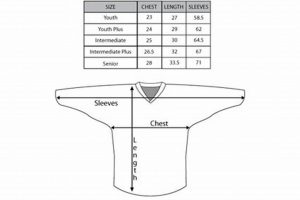
Tip 1: Size Verification. Ensure appropriate dimensions by measuring the head circumference and comparing it against the manufacturer’s sizing chart. A properly fitted mask should sit securely without excessive movement during play.
Tip 2: Visual Inspection. Before each use, conduct a thorough examination for any cracks, dents, or other signs of structural damage. Compromised integrity can significantly reduce its ability to withstand impacts.
Tip 3: Strap Adjustment. Secure all straps and buckles to achieve a snug and comfortable fit. Loose straps can cause the mask to shift during play, exposing vulnerable areas.
Tip 4: Padding Integrity. Regularly inspect inner padding for signs of wear or compression. Replace worn or damaged padding to maintain adequate impact absorption.
Tip 5: Cleaning Protocol. After each use, wipe down the exterior shell with a damp cloth to remove dirt and sweat. Use a mild detergent if necessary, and avoid abrasive cleaners that can damage the finish.
Tip 6: Safe Storage. Store in a cool, dry place away from direct sunlight and extreme temperatures. Prolonged exposure to these conditions can degrade the materials and reduce its lifespan.
Tip 7: Professional Assessment. Consider seeking professional advice from a sports equipment specialist to ensure proper fitting and suitability for the intended level of play. This is especially recommended for younger players.
Following these guidelines can significantly contribute to player safety and extend the usability of crucial protective equipment. Regular attention to these details will ensure continued performance and protection.
The subsequent section will address various types of headgear, explore the materials used in their construction, and examine relevant safety standards that govern their design and manufacture.
1. Protection Level

The protection level afforded by street hockey goaltender headgear is the most crucial consideration for player safety. It dictates the equipment’s ability to mitigate the risk of injury from impacts. Understanding the various facets that contribute to the overall protection level is paramount in selecting appropriate gear.
- Impact Resistance of Shell Material
The outer shell’s composition directly affects its capacity to absorb and disperse impact energy. Higher-density plastics, such as polycarbonate blends, offer superior protection compared to softer materials. For example, a shell constructed from brittle plastic is more likely to crack upon impact, providing minimal protection, whereas a more resilient material will flex and absorb the energy, reducing the force transmitted to the head.
- Inner Padding and Energy Absorption
The internal padding system plays a crucial role in cushioning the head and further dissipating impact forces. Different padding materials, such as closed-cell foams, offer varying levels of energy absorption. Thicker padding and multi-layered designs generally provide greater protection. An example would be a mask with a single layer of thin foam versus one with multiple layers of varying densities, the latter of which would offer better impact reduction.
- Face Mask or Cage Design and Coverage
The design and construction of the face mask or cage influence the degree of facial protection. Tightly spaced bars or a solid face shield offer greater coverage, minimizing the risk of pucks or sticks penetrating the mask. A cage with wider gaps might allow smaller objects to pass through, compromising safety. A full shield offers more protection, but may sacrifice some visibility.
- Certification Standards and Testing
Adherence to recognized safety standards, such as those established by organizations like ASTM International or CSA Group, indicates that has undergone rigorous testing to meet specific performance criteria. These standards provide a benchmark for evaluating the protection level and ensure it meets minimum safety requirements. Certifications provide a clear benchmark for consumers to compare levels of protection, because certified products must meet a protection criteria from external testing.
The elements detailed here are integrated to determine the overall protection a goalie mask offers. Examining all these facets is crucial in determining if the gear will offer adequate safety for player of street hockey.
2. Fit and Comfort
Proper fit and comfort are crucial elements in the effectiveness of protective headgear for street hockey goaltenders. An ill-fitting piece of equipment can compromise its ability to provide adequate protection, even if constructed from high-quality materials. A comfortable mask allows the player to maintain focus and react quickly without being distracted by discomfort.
- Sizing and Adjustment Mechanisms
Accurate sizing is the foundational element of proper fit. The mask’s dimensions must align with the player’s head circumference and shape. Adjustment mechanisms, such as adjustable straps and internal padding systems, allow for fine-tuning to achieve a secure and customized fit. A mask that is too large will shift during play, exposing vulnerable areas, while one that is too small may cause discomfort and restrict movement. The straps should be able to keep the mask secure and snug.
- Weight Distribution and Balance
The distribution of weight and overall balance contribute significantly to comfort. A poorly balanced mask can place undue strain on the neck muscles, leading to fatigue and discomfort. Ideally, the weight should be evenly distributed across the head to minimize pressure points. For example, a mask that is heavily weighted towards the front can cause neck strain and reduce the player’s range of motion.
- Ventilation and Moisture Management
Adequate ventilation is essential for preventing overheating and minimizing moisture buildup inside the mask. Insufficient airflow can lead to discomfort, fogging of the face shield, and reduced visibility. Ventilation systems, such as strategically placed vents and breathable padding materials, help to regulate temperature and wick away moisture. The reduction of moisture build-up enhances the comfort of the mask, giving the goalie clear vision.
- Padding Materials and Contact Points
The type and placement of padding materials directly impact comfort. Soft, moisture-wicking materials that conform to the contours of the face and head minimize pressure points and prevent chafing. Padding should be strategically positioned to provide cushioning in key impact zones without restricting movement. Contact points that are not properly padded can cause discomfort and irritation, reducing the player’s focus.
These facets are crucial in overall performance. By optimizing these aspects, the equipment not only provides superior protection but also enhances the overall playing experience, allowing goaltenders to focus on their performance without distractions. Comfort and fit, combined with protection, will allow for the most effective product for the goalie.
3. Visibility
Visibility is a critical performance factor for street hockey goaltenders. Unobstructed vision allows for quick reaction times and accurate tracking of the ball, directly influencing the player’s ability to make saves and control the game. The design and features of headgear significantly impact the wearer’s field of vision.
- Cage or Face Shield Design
The configuration of the cage or face shield directly affects the extent of the goaltender’s visual field. Wider bar spacing or a larger viewing area in a face shield maximizes peripheral vision, enabling the player to track movement across the playing surface. Conversely, narrower bar spacing or a smaller viewport can restrict the field of view, potentially hindering reaction times. Clear materials with low distortion are essential for maintaining accurate depth perception.
- Optical Clarity of Materials
The optical quality of the materials used in the face shield or cage significantly influences visibility. Scratches, fogging, or distortions in the material can impair vision, making it difficult to track the ball accurately. High-quality materials that resist scratching and incorporate anti-fog coatings are essential for maintaining clear vision in varying environmental conditions. Regular cleaning and maintenance of the shield or cage are also crucial for preserving optical clarity.
- Color and Tint of Face Shield
The color or tint of the face shield can impact visibility in different lighting conditions. Tinted shields can reduce glare and improve contrast in bright sunlight, while clear shields are optimal for low-light environments. Selecting the appropriate shield color based on the playing conditions can enhance visual acuity and improve overall performance. For example, a yellow-tinted shield can improve contrast in hazy conditions.
- Fit and Positioning on the Head
The fit and positioning of the headgear on the head influences visibility. A mask that sits too high or too low can obstruct the field of vision. Proper adjustment of the straps and padding ensures that the mask is positioned correctly, maximizing the visual field and allowing for unrestricted movement of the head. A properly fitted mask should allow the goaltender to see clearly in all directions without having to strain or adjust their head position.
In sum, the features outlined are each integral in the design. The optimal solution to improve the function of this equipment involves the considerations of cage or face shield, the material construction, the tinting, and the fit. Street hockey is highly variable, and the equipment must be considered for an effective performance.
4. Durability
The resilience of protective headgear is a critical factor in street hockey, influencing both player safety and the long-term cost-effectiveness of the equipment. The inherent nature of the sport, with its fast-moving balls and potential for impacts, places significant stress on this equipment, necessitating robust construction and durable materials.
- Material Composition and Resistance to Impact
The materials used in the construction of headgear directly dictate its ability to withstand repeated impacts without structural failure. High-density plastics, such as polycarbonates, offer superior impact resistance compared to less robust materials. For example, a mask constructed from brittle plastic is more prone to cracking upon impact, whereas a polycarbonate shell can absorb and dissipate energy, maintaining its structural integrity over time.
- Resistance to Environmental Factors
Street hockey is frequently played outdoors, exposing the equipment to a range of environmental factors, including sunlight, moisture, and temperature fluctuations. Prolonged exposure to these elements can degrade the materials, leading to reduced impact resistance and premature failure. UV-resistant coatings and moisture-wicking liners can mitigate these effects, extending the lifespan. Equipment constantly exposed to the elements, without proper care, will fail quicker.
- Construction Techniques and Joint Integrity
The methods used to assemble headgear influence its overall strength and resistance to wear and tear. Reinforced seams, durable hardware, and secure attachment points are essential for maintaining structural integrity. Weak points in the construction can compromise the mask’s ability to withstand impacts, increasing the risk of injury. This could be a strap that holds the helmet in place, or the integrity of the screws.
- Maintenance and Care Procedures
Regular maintenance and proper care can significantly extend the lifespan of headgear. Cleaning the mask after each use to remove dirt and sweat, storing it in a cool, dry place, and periodically inspecting it for signs of damage are crucial steps in preserving its durability. Neglecting these procedures can accelerate material degradation and compromise its ability to provide adequate protection.
In conclusion, its ability to withstand impacts and environmental conditions is paramount. Selecting headgear constructed from durable materials, reinforced joints and seams, and implementing consistent maintenance procedures will greatly increase a mask’s lifespan and ultimately protect the goalie.
5. Maintenance

The longevity and protective efficacy of a road hockey goalie mask are directly correlated with adherence to consistent and appropriate maintenance protocols. Neglecting maintenance can lead to a gradual degradation of materials, compromising the mask’s ability to withstand impacts and potentially increasing the risk of injury. For example, the accumulation of sweat and dirt can corrode the inner padding and outer shell, diminishing their protective properties and creating unsanitary conditions. The cause-and-effect relationship between maintenance and performance is undeniable.
Regular cleaning and inspection are essential components of proper maintenance. Wiping down the mask after each use removes sweat, dirt, and other debris that can contribute to material degradation. Inspecting the mask for cracks, dents, or loose hardware ensures that any damage is identified and addressed promptly. For instance, replacing worn straps or tightening loose screws can prevent further damage and maintain the integrity of the mask’s fit. Additionally, appropriate storage in a cool, dry place away from direct sunlight minimizes the risk of material warping or discoloration. This will also prevent the corrosion of any metal parts of the mask.
In summary, the preservation of a road hockey goalie mask’s integrity depends on diligent maintenance practices. Disregarding these practices can result in a reduction in protective capabilities and a shortened lifespan. By prioritizing regular cleaning, inspection, and proper storage, players can maximize their investment in protective equipment and minimize their risk of injury on the playing surface. Without routine, the mask performance will suffer.
Frequently Asked Questions
This section addresses common inquiries concerning road hockey goalie masks, providing insights into their functionality, selection, and maintenance.
Question 1: What constitutes a suitable road hockey goalie mask, and how does it differ from ice hockey equivalents?
A suitable mask for road hockey must offer sufficient impact protection against the types of balls typically used, which may be harder than ice hockey pucks. While some designs overlap, road hockey masks may prioritize ventilation and lighter weight due to the warmer playing conditions, although this should never compromise safety. Ice hockey masks must meet a higher impact standard.
Question 2: What materials are commonly used in road hockey goalie mask construction, and how do these materials affect performance?
Common materials include high-density plastics like polycarbonate for the outer shell and closed-cell foams for internal padding. Polycarbonate offers impact resistance, while closed-cell foams absorb and dissipate energy. The quality and combination of these materials significantly impact the mask’s ability to protect against injury and its overall durability.
Question 3: How often should a road hockey goalie mask be replaced, even if there is no visible damage?
It depends on the frequency of use and the intensity of impacts sustained. As a general guideline, masks should be replaced every three to five years, or sooner if there’s any sign of cracks, dents, or degradation of the padding. The structural integrity of the materials weakens over time, regardless of visible damage.
Question 4: What are the critical considerations when fitting a road hockey goalie mask?
The mask should fit snugly and securely without restricting movement or causing discomfort. Key considerations include measuring head circumference, adjusting straps for a personalized fit, and ensuring the mask sits properly on the face, providing full coverage of the forehead, cheeks, and chin. It is of crucial importance that all straps are buckled for maximized safety.
Question 5: How should a road hockey goalie mask be properly cleaned and stored to maximize its lifespan?
After each use, wipe down the mask with a damp cloth to remove sweat and dirt. Use mild soap if necessary, avoiding harsh chemicals or abrasive cleaners. Store the mask in a cool, dry place away from direct sunlight and extreme temperatures, which can degrade the materials.
Question 6: Are there specific safety standards or certifications to look for when purchasing a road hockey goalie mask?
While specific standards may vary by region, masks that meet or exceed recognized safety standards, such as those established by ASTM International or CSA Group, offer a degree of assurance. Verify the certifications and testing protocols the manufacturer has used to ensure it meets a set protection criteria.
Proper maintenance and attention to safety standards are critical for ensuring the continued effectiveness of the equipment.
The next section will address advanced technology and innovations used to improve the masks.
Road Hockey Goalie Mask
This exploration has underscored the necessity of adequate protection for goaltenders participating in street hockey. From material selection to fitting guidelines and maintenance protocols, each aspect significantly influences the equipment’s performance and its capacity to mitigate injury risks. Understanding these elements is paramount for informed decision-making when acquiring and utilizing this essential piece of safety gear.
Ultimately, a road hockey goalie mask represents more than just sporting equipment; it is an investment in personal safety and well-being. Prioritizing quality, fit, and consistent maintenance ensures the continued effectiveness, contributing to a safer and more enjoyable playing experience. The commitment to proper equipment yields long-term benefits for players at all skill levels, reducing the possibility of harm and ensuring continued participation in the sport.
![Best Hockey Goalie Hats: [Brand] & More! | Your Ultimate Source for Hockey Updates, Training Guides, and Equipment Recommendations](https://ssachockey.com/wp-content/uploads/2026/02/th-262-300x200.jpg "Best Hockey Goalie Hats: [Brand] & More! Your Ultimate Source for Hockey Updates, Training Guides, and Equipment Recommendations")