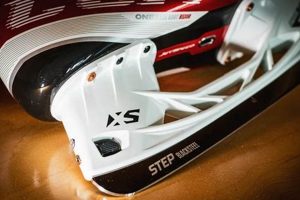
Elements augmenting the performance, comfort, and protection of hockey skates are essential components for players across all skill levels. Examples include blade guards protecting against damage when off the ice, specialized laces ensuring optimal tightness, and footbeds offering enhanced support. These items represent a range of enhancements for the fundamental skating equipment.
The use of supplemental skate equipment provides several benefits. Improved performance stems from items impacting speed and agility. Enhanced safety is achieved through protective additions minimizing injury risk. Historically, rudimentary accessories were limited; modern advancements provide a wider selection of specialized additions to meet specific needs and preferences, contributing to an optimized experience.
Discussion of specific types of skate enhancements, including protective elements, performance-enhancing additions, and maintenance tools, will follow. Details pertaining to material selection, proper fitting, and care instructions for these items will be presented to ensure informed purchasing decisions and prolonged equipment lifespan.
Essential Considerations for Skate Augmentation
Selecting appropriate enhancements for ice hockey footwear requires careful consideration. Factors such as playing style, skill level, and individual preferences influence optimal choices.
Tip 1: Blade Protection is Paramount: Employ blade guards when traversing surfaces other than ice. This practice prevents nicks and dulling, extending blade lifespan and maintaining performance.
Tip 2: Lace Selection Matters: Opt for durable, waxed laces. Waxed laces provide superior grip and consistent tightness, enhancing ankle support and control.
Tip 3: Footbed Customization: Consider aftermarket footbeds. These inserts provide customized arch support, improving comfort and reducing fatigue during prolonged use.
Tip 4: Ankle Support Augmentation: If needed, utilize aftermarket ankle supports. These elements can address specific comfort or stability deficiencies within the boot itself.
Tip 5: Regular Cleaning and Maintenance: After each use, thoroughly dry the skates, including the blades and interior. This minimizes rust formation and bacterial growth.
Tip 6: Sharpening Implements: Maintain a sharpening kit with appropriate tools for addressing minor burrs or edge imperfections. Consistent edge maintenance is crucial for optimal skating.
Tip 7: Carrier Considerations: Transport skates in a dedicated bag designed to protect the blades and prevent damage to other equipment. This prevents accidental cuts or abrasion.
Implementing these practices maximizes the longevity and performance of skating equipment. Prioritizing both maintenance and appropriate supplemental additions enhances the overall skating experience.
This foundation of knowledge provides the basis for more advanced discussions on specific accessory categories and customization techniques.
1. Blade protection

Blade protection is a critical subset within the broader category of hockey skate enhancements. The sharp edges of skate blades are vulnerable to damage when exposed to non-ice surfaces. Protective measures are therefore essential for preserving blade integrity and performance.
- Blade Guards: Material Composition and Functionality
Blade guards are typically constructed from either hard plastic or absorbent cloth. Hard plastic guards offer robust protection against impacts and abrasion when walking on concrete or rubber flooring. Cloth guards absorb moisture, preventing rust formation on the blade after use. The choice of material depends on the intended use and the environment in which the skates are stored and transported.
- Rocker Guards: Specialized Contoured Protection
Rocker guards are a specialized form of blade protection designed to accommodate the curvature, or rocker, of the skate blade. These guards often feature a hinged or flexible design to ensure a secure fit and prevent the blade from shifting during use. Their use is prevalent among competitive skaters who require precise blade alignment.
- The Role of Soakers in Moisture Management
Soakers, typically made of absorbent cloth, serve a crucial function in mitigating rust. By drawing moisture away from the blade surface after use, soakers reduce the likelihood of corrosion. Regular use of soakers, in conjunction with proper drying techniques, prolongs blade lifespan and performance.
- Impact of Blade Protection on Sharpening Frequency
Consistent blade protection directly reduces the need for frequent sharpening. By minimizing edge damage, protective measures preserve the blade’s profile and sharpness. This, in turn, extends the intervals between sharpening, saving both time and expense.
The facets of blade protection detailed above collectively demonstrate the importance of this category within hockey skate accessories. Properly selected and maintained blade protection measures ensure optimal skate performance and longevity. Investing in quality protective elements represents a cost-effective strategy for preserving essential skating equipment.
2. Lace Integrity

Lace integrity, representing the condition and durability of skate laces, is a crucial, yet often overlooked, aspect of hockey skate accessories. The laces are a primary interface between the foot and the skate boot, directly influencing ankle support, energy transfer, and overall skate responsiveness. Compromised lace integrity, such as fraying, tearing, or stretching, negatively impacts these elements, potentially leading to performance degradation and increased risk of injury. For example, a snapped lace during a critical game situation can necessitate immediate benching, impacting team performance.
The selection of high-quality laces, such as those constructed from durable synthetic fibers and reinforced with wax coatings, directly contributes to improved lace integrity. Waxed laces, for instance, resist stretching and maintain consistent tension throughout use, offering superior ankle support compared to non-waxed alternatives. Furthermore, proper lacing techniques and regular inspection for signs of wear are essential for maximizing lace lifespan. Ignoring small frays can lead to catastrophic failure at inopportune moments, emphasizing the practical significance of vigilance.
In summary, lace integrity constitutes a fundamental component of effective skate performance and safety. The durability, material composition, and maintenance of laces directly influence ankle support, responsiveness, and injury prevention. Recognizing the importance of lace integrity within the broader context of hockey skate accessories allows players to make informed decisions regarding lace selection, maintenance practices, and replacement schedules, ultimately optimizing their skating experience.
3. Footbed support
Footbed support, a critical component within the realm of hockey skate accessories, directly influences a player’s comfort, performance, and injury prevention. The standard footbeds included with most hockey skates often provide inadequate arch support and cushioning for extended periods of use. Aftermarket footbeds, available as a separate purchase, offer customized solutions addressing specific foot conditions and biomechanical needs. The lack of proper footbed support can lead to conditions such as plantar fasciitis, arch pain, and general foot fatigue, negatively impacting skating efficiency and enjoyment. For example, a player with flat feet may experience pronation within the skate, resulting in reduced power transfer and increased susceptibility to ankle sprains. A custom-molded footbed can correct this pronation, providing stability and enhancing skating performance.
The integration of supportive footbeds as hockey skate accessories offers a tangible advantage beyond mere comfort. They optimize biomechanics, ensuring proper alignment of the foot, ankle, and lower leg. This alignment promotes efficient energy transfer during skating strides, increasing speed and reducing fatigue. Furthermore, supportive footbeds cushion impact forces, mitigating stress on joints and reducing the risk of overuse injuries. Heat-moldable footbeds provide a personalized fit, conforming precisely to the contours of the individual’s foot, maximizing comfort and support. Moreover, footbeds incorporating moisture-wicking materials can improve hygiene, reducing the risk of bacterial growth and odor within the skate.
Proper footbed selection and implementation represent a key element of proactive skate maintenance and performance optimization. Ignoring footbed support can result in discomfort, decreased performance, and heightened injury risk. By understanding the connection between footbed support and hockey skate accessories, players can make informed choices, tailoring their equipment to individual needs and maximizing their potential on the ice. This awareness, combined with consistent equipment maintenance, contributes to a longer, more enjoyable, and safer playing experience.
4. Ankle Stability

Ankle stability represents a critical biomechanical factor in ice hockey, directly influencing a player’s balance, agility, and injury resilience. The hockey skate, by design, restricts ankle movement to some degree; however, achieving adequate ankle stability requires supplementary support beyond the inherent structure of the boot. Insufficient ankle stability can lead to compromised skating technique, increased susceptibility to sprains, and diminished power transfer during strides. For example, a player experiencing excessive ankle pronation within the skate will likely struggle with edge control and efficient acceleration. The correlation between ankle stability and hockey skate accessories becomes evident when considering the various means by which players seek to augment the support provided by the standard skate.
Several types of supporting equipment directly address ankle stability. Aftermarket ankle supports, often constructed from foam or gel, fill voids within the skate boot, limiting excessive ankle movement and providing a more secure fit. Lace bite pads alleviate pressure on the anterior ankle, allowing for tighter lacing without discomfort, thereby enhancing support. Insole modifications, particularly those incorporating medial arch support, can correct pronation and improve lower leg alignment, indirectly contributing to ankle stability. Furthermore, correctly chosen and properly tightened laces are essential for preventing ankle instability. By strategically utilizing such accessories, players can compensate for anatomical variations, address pre-existing conditions, and fine-tune the fit of their skates to achieve optimal ankle support and minimize the risk of injury.
In summary, ankle stability is not solely a function of the skate itself; rather, it is a modifiable characteristic significantly influenced by the careful selection and application of skate accessories. Recognizing the importance of ankle stability and its dependence on supplementary equipment allows players to proactively address biomechanical deficiencies and enhance their overall skating performance. Prioritizing ankle support through the appropriate use of hockey skate accessories contributes to improved agility, reduced injury risk, and optimized power transfer, thereby maximizing a player’s potential on the ice.
5. Maintenance Tools
Maintenance tools, as an integral subset of hockey skate equipment, are essential for preserving the performance and extending the lifespan of skates. Proper maintenance practices, facilitated by specialized tools, directly impact a player’s agility, speed, and overall safety on the ice. Neglecting these tools can result in diminished skate performance, increased risk of injury, and premature equipment failure.
- Sharpening Stones and Honing Steels
Sharpening stones and honing steels are critical for maintaining the blade edge of hockey skates. Regular use of these tools removes burrs and imperfections, ensuring a clean, sharp edge for optimal glide and control. A dull blade compromises a player’s ability to turn and stop effectively, increasing the risk of falls and collisions. For example, a player who consistently uses a honing steel before each skate will likely experience superior edge retention and enhanced performance compared to someone who neglects blade maintenance.
- Rivet Tools and Replacement Rivets
Rivet tools are necessary for repairing loose or broken rivets that secure the blade to the skate boot. Loose rivets compromise the structural integrity of the skate, reducing energy transfer and increasing the risk of blade detachment. Replacement rivets, available in various sizes and materials, ensure a secure and lasting repair. Routine inspection and prompt rivet replacement prevent further damage and maintain the skate’s overall performance.
- Skate Boot Stretchers and Molders
Skate boot stretchers and molders facilitate customization of the skate boot’s fit. These tools allow players to alleviate pressure points and create a more comfortable and secure fit. Improperly fitting skates can cause blisters, numbness, and other foot problems, negatively impacting performance. Heat molding, often performed with specialized ovens, allows for a more customized fit that conforms to the individual player’s foot shape.
- Rust Inhibitors and Cleaning Solutions
Rust inhibitors and cleaning solutions protect skate blades from corrosion and maintain the overall cleanliness of the skate. Moisture accelerates rust formation, which can weaken the blade and reduce its lifespan. Regular application of rust inhibitors, combined with proper cleaning practices, prevents corrosion and prolongs the life of the skate. These cleaning solutions help to remove dirt, grime, and other contaminants, preventing bacterial growth and unpleasant odors.
These maintenance tools, while seemingly disparate, collectively contribute to the longevity and performance of hockey skates. Consistent and diligent use of these tools ensures that skates remain in optimal condition, maximizing a player’s potential and minimizing the risk of injury. The investment in quality maintenance tools represents a proactive approach to equipment care, ultimately saving time and money in the long run.
6. Carrying cases
Carrying cases, as a fundamental component within the spectrum of hockey skate implements, provide protection and facilitate transportation of these specialized footwear. The cause-and-effect relationship between inadequate skate protection during transit and subsequent damage to blades or boot structures underscores the necessity of purpose-built carrying cases. For instance, transporting skates unprotected in a vehicle or equipment bag can result in blade dulling due to abrasion against other items, thereby compromising a player’s on-ice performance. Carrying cases mitigate this risk by providing a dedicated, padded enclosure, shielding the skates from external impacts and environmental factors. This protection extends the lifespan of the skates and safeguards the investment made in this essential equipment.
The importance of carrying cases is exemplified by their role in preventing premature wear and tear on skate blades. Exposure to moisture within an equipment bag can accelerate rust formation, degrading blade edges and necessitating more frequent sharpening. A dedicated carrying case, often featuring ventilation or moisture-wicking materials, minimizes this exposure, preserving blade integrity. Furthermore, carrying cases with separate compartments prevent the skates from damaging other equipment or causing injury to the carrier. Examples of this include preventing the skate blades from slicing through other gear in the bag or causing accidental cuts when carrying it.
In summary, carrying cases function as a vital preventative measure, safeguarding hockey skates from damage, rust, and potential hazards during transportation and storage. The use of a well-designed carrying case directly contributes to prolonged skate lifespan, reduced maintenance costs, and enhanced safety for both the equipment and the player. While often perceived as a secondary item, carrying cases play an indispensable role in maintaining the condition and performance of hockey skates, solidifying their importance as an integral accessory.
7. Sharpening frequency

Sharpening frequency, a critical consideration in hockey skate maintenance, is intrinsically linked to the selection and utilization of hockey skate accessories. The rate at which skate blades require sharpening is not solely a function of ice time; it is directly influenced by the quality and application of protective and maintenance-related additions. For instance, consistent use of blade guards when traversing non-ice surfaces demonstrably reduces the need for frequent sharpening by minimizing edge damage. Similarly, proper drying techniques employing absorbent soakers following each use mitigate rust formation, a factor that necessitates aggressive sharpening to restore optimal edge quality. The deliberate integration of these supporting elements directly impacts the intervals between required sharpenings.
The use of specific maintenance implements further modulates sharpening frequency. Regular honing of blade edges with a fine-grit stone can remove minor burrs and imperfections, thereby postponing the need for a full sharpening. Conversely, neglect in addressing these minor issues can lead to more significant edge damage, requiring more frequent and substantial sharpening procedures. Furthermore, the composition and hardness of the steel used in the skate blades themselves influences sharpening frequency. Softer steels require more frequent sharpening compared to harder, more durable alloys. Players often adjust their choice of accessories based on the specific characteristics of their skate blades, tailoring their maintenance routine to optimize performance and extend the lifespan of the blades.
Ultimately, sharpening frequency serves as a metric reflecting the effectiveness of a player’s overall skate maintenance regimen, a regimen heavily reliant on the appropriate selection and consistent application of hockey skate components. Understanding this connection enables players to proactively manage their equipment, optimizing performance, minimizing costs associated with frequent sharpening, and extending the overall lifespan of their skates. Neglecting this interplay results in increased expenses, diminished skating performance, and a heightened risk of injury due to compromised edge control.
Frequently Asked Questions
This section addresses common inquiries regarding items intended to enhance the performance, protection, and maintenance of hockey skates. Information provided aims to clarify misconceptions and provide objective guidance.
Question 1: What constitutes essential equipment beyond the skates themselves?
Minimum requirements include blade guards for off-ice protection, moisture-wicking soakers to prevent rust, and durable laces that can maintain consistent tension. Additional elements may be required based on individual needs and skating style.
Question 2: How often should sharpening be performed?
Sharpening frequency is contingent upon ice time, skating style, and blade hardness. Blades should be sharpened when edge degradation is noticeable, typically indicated by reduced glide or difficulty maintaining turns. Visual inspection for burrs or nicks is also recommended.
Question 3: What are the considerations when choosing skate laces?
Lace material and construction influence durability and tension maintenance. Waxed laces provide superior grip and resistance to stretching, enhancing ankle support. Lace length must be appropriate for the skate model and lacing pattern.
Question 4: Is custom footbed fitting worthwhile?
Custom footbeds are advantageous for individuals with specific foot conditions or biomechanical imbalances. Properly fitted footbeds can enhance comfort, improve energy transfer, and reduce fatigue during prolonged skating sessions.
Question 5: What role do blade guards play in skate longevity?
Blade guards protect skate blades from damage when traversing surfaces other than ice. This protection prevents nicks, dulling, and corrosion, extending blade lifespan and preserving performance characteristics.
Question 6: How should skates be stored to prevent damage?
Skates should be stored in a well-ventilated area after each use to allow for complete drying. Blade guards should be used to prevent accidental contact with other equipment. Storing skates in a dedicated carrying case is also recommended.
The selection and utilization of appropriate augmentations are crucial for maintaining skate performance and maximizing equipment lifespan. A proactive approach to maintenance contributes to both improved on-ice performance and reduced long-term costs.
A discussion of emerging trends in skate technology and customization will follow.
Concluding Remarks
The preceding analysis has illuminated the diverse realm of hockey skate accessories and their profound impact on performance, safety, and equipment longevity. From blade protection and lace integrity to footbed support, ankle stability, maintenance tools, carrying cases, and sharpening frequency, each component plays a vital role in optimizing the skating experience. Neglecting these auxiliary elements can lead to diminished performance, increased injury risk, and premature equipment failure. The selection and consistent application of appropriate supportive additions are not merely matters of convenience; they represent a proactive approach to maximizing a player’s potential and safeguarding their investment.
Therefore, it is incumbent upon players, coaches, and equipment managers to recognize the significance of hockey skate accessories as integral components of a comprehensive skating system. Continued research and development in this field promise further advancements in performance enhancement, injury prevention, and equipment durability. Embracing innovation and prioritizing informed decision-making regarding supportive additions will undoubtedly contribute to a safer, more efficient, and ultimately more rewarding experience for all participants in the sport of ice hockey.