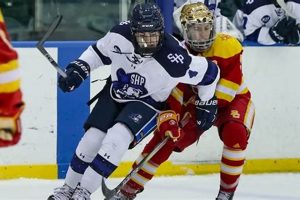
Protective equipment designed to cover the face in the sport of ice hockey is crucial for player safety. These transparent or semi-transparent barriers, typically made of polycarbonate, are affixed to the helmet and guard against impacts from pucks, sticks, and collisions with other players. One common example is a full facial protector, providing comprehensive coverage, while another is a half-visor, shielding only the eyes and upper face.
The employment of facial protection enhances player well-being by mitigating the risk of severe injuries such as lacerations, fractures, and concussions. Historically, the adoption of this equipment has been gradual, facing resistance from some players who initially perceived it as hindering visibility or agility. However, growing awareness of long-term health consequences associated with facial trauma has driven increased acceptance and, in many leagues, mandatory usage.
The subsequent sections will delve into specific types of facial protection, covering their materials, design variations, and the regulations governing their use across different levels of play. Furthermore, the analysis will extend to explore factors influencing player choice and emerging technological advancements in this vital area of hockey equipment.
Guidelines for Optimizing Facial Protection in Ice Hockey
The following recommendations serve to optimize the efficacy and longevity of facial protection devices utilized in ice hockey, ensuring maximum player safety and performance.
Tip 1: Selection Based on League Regulations: Adherence to the specific rules governing equipment standards within the respective league is paramount. Verify that the chosen device meets the certification requirements mandated by the governing body.
Tip 2: Prioritize Proper Fit: A secure and properly adjusted fit is essential for optimal protection and visual clarity. Ensure the device interfaces correctly with the helmet and does not impede peripheral vision.
Tip 3: Regular Inspection for Damage: Conduct routine inspections of the device for cracks, scratches, or other signs of wear and tear. Replace the protector immediately if any compromise to structural integrity is detected.
Tip 4: Implement Proper Cleaning Protocols: Use cleaning solutions specifically designed for polycarbonate materials to prevent damage and maintain optical clarity. Avoid abrasive cleaners that can scratch or cloud the surface.
Tip 5: Secure Mounting Hardware: Regularly check the screws and fasteners that attach the protector to the helmet. Ensure they are tightened to the manufacturers specifications to prevent loosening during play.
Tip 6: Consider Anti-Fog Treatments: Employ anti-fog treatments as necessary to mitigate fogging, particularly in humid conditions. Reapply these treatments as directed by the product instructions.
Tip 7: Gradual Acclimation Period: Players transitioning to a new type of protector should undergo a period of acclimation to adjust to any changes in vision or depth perception.
Consistent adherence to these guidelines will maximize the protective capabilities of facial shields, minimizing the risk of injury and contributing to a safer playing environment.
The subsequent sections will provide detailed information regarding the specific types of available facial protection and advanced safety considerations.
1. Protection
The primary function of facial protection in ice hockey is, unequivocally, protection. The causal relationship between the absence of facial protection and the increased risk of facial injury is well-documented in sports medicine. Impacts from pucks traveling at high speeds, collisions with other players, and accidental contact with hockey sticks pose significant threats to the face and eyes. The shield acts as a physical barrier, absorbing or deflecting these forces and preventing or mitigating injury.
The level of protection offered is directly proportional to the design and material composition of the facial protection. For instance, a full face shield provides comprehensive coverage, minimizing the risk of lacerations, fractures, and eye injuries. A half-visor, while offering less coverage, still protects the eyes from direct impact and reduces the likelihood of upper facial injuries. In professional hockey, where the intensity and speed of play are elevated, the protective benefits become even more crucial. The increasing prevalence of mandatory facial protection in youth hockey underscores the understanding of its protective value in mitigating long-term health consequences associated with facial trauma.
Ultimately, the integration of effective facial protection represents a proactive measure to safeguard player well-being. While no protective device can eliminate all risk, consistent use of appropriately designed and properly fitted shields significantly reduces the incidence and severity of facial injuries in ice hockey. Future research and development efforts continue to refine shield designs and materials, further enhancing their protective capabilities and contributing to a safer playing environment.
2. Visibility

The relationship between visibility and facial protection in ice hockey represents a critical compromise. While the primary function of a facial shield is protection, its effectiveness is intrinsically linked to the users ability to see clearly and without obstruction. Reduced visibility can negate the protective benefits by hindering reaction time and spatial awareness, potentially increasing the risk of collisions or other incidents. The material composition, surface treatments, and overall design of the shield directly influence the quality of vision experienced by the player. For example, a shield constructed from low-grade polycarbonate may exhibit distortions or clouding, impeding accurate perception of the puck and surrounding players.
Consider the scenario of a defenseman attempting to intercept a pass during a fast-paced game. If the defenseman’s shield is scratched or fogged, their ability to track the puck’s trajectory is compromised. This delayed reaction time could result in a missed interception, leading to a scoring opportunity for the opposing team, or worse, a collision with another player. Similarly, a goalie relying on precise vision to track the puck needs a completely clear shield to react accordingly. Even minor visual impairments can result in missed saves, altering the game’s outcome. The implementation of anti-fog coatings and scratch-resistant materials addresses these concerns, highlighting the industry’s ongoing efforts to balance protection with optimal visual clarity. The location of attachment points, and the overall design of the protective apparatus influences the player’s peripheral vision as well.
Therefore, the selection and maintenance of facial shields necessitate a careful evaluation of visibility factors. Players must prioritize shields that offer a clear and unobstructed field of vision, ensuring that protective benefits are not offset by visual impairment. Regular cleaning, replacement of damaged shields, and the use of anti-fog treatments are essential practices. The ultimate goal is to equip players with protective gear that maximizes both safety and performance, acknowledging the inherent link between visibility and overall effectiveness. Advances in shield design continually aim to enhance visual clarity without compromising protective capabilities. This will continue to be an area of important development.
3. Regulation

The regulatory landscape significantly influences the design, manufacturing, and usage of facial protection in ice hockey. Governing bodies establish minimum standards for equipment, aiming to enhance player safety and ensure a level playing field. These regulations are not static; they evolve in response to research, technological advancements, and injury trends within the sport.
- Mandatory Usage Rules
Various leagues, from youth to professional levels, implement rules mandating the wearing of facial protection. These rules often specify the type of protection required (e.g., full face shield versus half-visor) based on age group or league classification. Non-compliance can result in penalties, suspension, or ineligibility to participate. These rules are intended to reduce the risk of severe facial and eye injuries.
- Certification Standards
Organizations such as the Hockey Equipment Certification Council (HECC) and the Canadian Standards Association (CSA) set certification standards for ice hockey equipment, including facial protection. These standards dictate the performance criteria that shields must meet in terms of impact resistance, optical clarity, and coverage area. Equipment bearing the HECC or CSA certification mark indicates compliance with these established benchmarks. Manufacturers must adhere to these standards to legally sell their products for use in sanctioned leagues.
- Impact Resistance Requirements
Regulations specify the minimum impact resistance that facial shields must exhibit. This is typically tested through standardized impact tests that simulate the forces experienced during gameplay. Shields that fail to meet the required impact resistance are deemed non-compliant and are prohibited from use. These regulations directly influence the materials and construction techniques used in the manufacture of ice hockey shields.
- Optical Clarity Mandates
Regulations also address the optical clarity of facial shields. Clear vision is essential for player safety and performance. Standards dictate minimum levels of light transmission and maximum levels of distortion permitted. This ensures that shields do not unduly impair a player’s vision. Shields may undergo rigorous optical testing to confirm compliance before being certified for use.
In conclusion, these regulatory facets collectively shape the landscape of facial protection in ice hockey. The interplay between mandatory usage, certification standards, impact resistance, and optical clarity creates a framework designed to promote player safety and maintain a reasonable standard of equipment performance across different leagues and levels of competition. Continuous monitoring and refinement of these regulations are essential to adapt to new technologies and evolving safety concerns within the sport. They directly affect manufacturers and players alike.
4. Material

The efficacy of a facial shield in ice hockey is inextricably linked to the materials used in its construction. Polycarbonate, a transparent thermoplastic polymer, is the prevalent choice due to its high impact resistance and optical clarity. The selection of polycarbonate stems from its capacity to absorb significant impact energy from pucks, sticks, and collisions, reducing the likelihood of facial fractures, lacerations, and concussions. An inferior material would result in reduced protection levels, potentially leading to severe injuries. For instance, a shield made of acrylic, a less impact-resistant alternative, would shatter upon impact, offering minimal protection. Material properties directly affect the kinetic energy transferred through the device.
The specific grade and treatment of the polycarbonate further influence shield performance. Some shields incorporate anti-scratch coatings to maintain optical clarity over time. These coatings, typically composed of hard polymers, protect the polycarbonate from abrasion caused by ice, sticks, and cleaning. Similarly, anti-fog treatments, often hydrophilic coatings, are applied to the inner surface to prevent condensation from the player’s breath, which would impede vision. A shield lacking these treatments would necessitate frequent cleaning, distracting the player and potentially compromising safety. The thickness of the polycarbonate is also critical. Thicker shields provide greater impact resistance, but may also reduce optical clarity and increase weight, impacting player comfort and agility. The material and manufacturing techniques are constantly evolving to optimize all characteristics of the shield.
In conclusion, the material selection dictates the protective capability, durability, and optical performance of an ice hockey shield. The current dominance of polycarbonate reflects its superior balance of impact resistance, clarity, and weight. However, ongoing research explores alternative materials, such as advanced polymers and composites, with the potential to further enhance shield performance. The challenge lies in identifying materials that offer improved protection and optical properties without compromising weight, durability, or cost-effectiveness. Understanding these material properties and their impact on shield performance is crucial for ensuring player safety at all levels of the sport.
5. Fit
The proper fit of facial protection in ice hockey is paramount, impacting both the safety and performance of the athlete. A poorly fitted shield compromises its protective capabilities and can negatively affect vision, leading to increased risk of injury and diminished on-ice effectiveness. A secure and appropriately sized shield is integral to maximizing its intended function.
- Secure Attachment and Helmet Compatibility
The interface between the facial shield and the helmet is critical. A secure attachment ensures the shield remains in place upon impact, preventing displacement that could expose the face to injury. Compatibility with the helmet model is essential; improper alignment can create gaps or pressure points, reducing protection and causing discomfort. For instance, a shield designed for a specific helmet brand may not attach securely to a different brand, leaving vulnerable areas exposed.
- Coverage Area and Anatomical Conformance
The shield must provide adequate coverage of the face, protecting vulnerable areas such as the eyes, nose, and mouth. It should conform to the anatomical contours of the face, avoiding excessive pressure or gaps that could allow impacts to bypass the protection. A shield that is too small may leave portions of the face exposed, while one that is too large may obstruct vision or hinder head movement.
- Adjustability and Customization Options
Adjustability features, such as adjustable straps or mounting points, allow for a customized fit tailored to the individual player’s facial structure. This ensures optimal coverage and comfort. Some manufacturers offer different shield sizes or shapes to accommodate varying facial dimensions. The ability to fine-tune the fit enhances the shield’s protective capabilities and improves the player’s overall experience.
- Impact Absorption and Energy Dissipation
A properly fitted shield maximizes its ability to absorb and dissipate impact energy. A loose or poorly fitted shield may transmit the force of an impact directly to the face, increasing the risk of injury. A snug and secure fit ensures that the shield can effectively distribute the impact energy across its surface, reducing the forces transmitted to the underlying facial structures. The energy absorption and dissipation characteristics of an ice hockey shield are greatly diminished if the shield is improperly fitted.
The synergistic relationship between fit and the protective function of the facial shield is undeniable. A correctly fitted shield not only provides enhanced protection but also contributes to improved player comfort and performance. Prioritizing proper fit is thus a fundamental aspect of ensuring player safety and maximizing the benefits of facial protection in ice hockey. Players and equipment managers should seek the assistance of qualified professionals to ensure proper fitting and adjustment of facial shields, contributing to a safer and more enjoyable playing experience.
6. Maintenance

The longevity and protective efficacy of facial shields in ice hockey are directly dependent on diligent and consistent maintenance practices. Neglecting proper care can compromise the material integrity, optical clarity, and overall functionality of the shield, thereby increasing the risk of injury to the wearer.
- Regular Cleaning Protocols
The accumulation of dirt, sweat, and ice particles on the shield’s surface can impair vision and accelerate material degradation. Routine cleaning using approved cleaning agents specifically designed for polycarbonate materials is essential. Abrasive cleaners should be avoided, as they can scratch the surface and diminish optical clarity. The frequency of cleaning should correspond to the intensity and duration of use.
- Scratch Prevention Measures
Scratches compromise the structural integrity and optical properties of the shield. Implementing preventative measures, such as storing the shield in a protective bag when not in use, minimizes the risk of surface abrasion. Contact with sharp objects or rough surfaces should be avoided. Damaged shields should be replaced promptly to ensure optimal protection and vision.
- Anti-Fog Treatment Application
Fogging obstructs vision and can be particularly problematic in humid conditions. The periodic application of anti-fog treatments maintains optical clarity and reduces the likelihood of visual impairment during gameplay. The specific application instructions provided by the manufacturer should be strictly followed to ensure optimal performance.
- Hardware Inspection and Tightening
The fasteners and hardware that secure the shield to the helmet are subject to loosening over time due to vibration and impact forces. Regular inspection and tightening of these components are necessary to maintain a secure and stable attachment. Loose hardware can compromise the shield’s protective capabilities and increase the risk of displacement upon impact.
The facets of maintenance outlined above are indispensable for preserving the functionality and extending the lifespan of ice hockey facial shields. Consistent adherence to these practices not only optimizes player safety but also represents a cost-effective strategy by prolonging the useable life of the equipment. The implementation of a structured maintenance program should be considered a fundamental component of responsible equipment management.
7. Impact Resistance
Impact resistance is a paramount characteristic of facial protection in ice hockey, directly determining its capacity to mitigate injuries resulting from high-velocity impacts. The ability of a shield to withstand forces generated by pucks, sticks, and collisions is critical to safeguarding players from facial fractures, lacerations, and concussions.
- Material Composition and Testing Protocols
The choice of material significantly influences impact resistance. Polycarbonate is commonly employed due to its favorable strength-to-weight ratio and inherent ability to absorb energy. Standardized testing protocols, such as those established by the Hockey Equipment Certification Council (HECC) and the Canadian Standards Association (CSA), subject shields to controlled impact scenarios to assess their ability to withstand specific forces without fracturing or deforming excessively. For instance, a shield may be subjected to a high-speed puck impact at a designated point to measure the resulting force transmitted to the underlying surface. Shields that fail to meet minimum performance criteria are deemed non-compliant and are ineligible for use in sanctioned leagues.
- Design Features and Energy Dissipation
The design of the shield also contributes to impact resistance. Contoured shapes and reinforced areas can enhance its ability to distribute impact forces more evenly across the surface, minimizing stress concentrations that could lead to failure. Internal padding or energy-absorbing liners may be incorporated to further dissipate impact energy. A shield with a poorly designed mounting system may detach upon impact, negating its protective benefits. A well-designed shield acts as an integral component of the player’s overall protective equipment, working in concert with the helmet to mitigate the effects of collisions.
- Thickness and Coverage Area
The thickness of the shield material is directly related to its impact resistance. Thicker shields generally offer greater protection against high-velocity impacts. However, excessive thickness can impair optical clarity and increase weight, potentially affecting player performance. The coverage area of the shield is also a consideration. A full face shield provides more comprehensive protection than a half-visor, but may also reduce peripheral vision. The optimal balance between thickness, coverage area, and other performance characteristics is a key design objective.
- Long-Term Degradation and Maintenance
Impact resistance can degrade over time due to exposure to environmental factors and repeated impacts. Scratches, abrasions, and chemical exposure can weaken the material and reduce its ability to withstand future impacts. Regular inspection for damage and proper maintenance, including cleaning with approved cleaning agents, are essential to prolong the lifespan and maintain the protective capabilities of the shield. A shield that has sustained significant damage should be replaced immediately, regardless of its apparent condition.
In conclusion, impact resistance is a multifaceted attribute of facial shields in ice hockey, influenced by material composition, design features, thickness, coverage area, and long-term maintenance. The implementation of rigorous testing protocols and adherence to established standards are critical to ensuring that shields provide adequate protection against the inherent risks of the sport. The ongoing pursuit of improved impact resistance is a continuous effort aimed at enhancing player safety and minimizing the incidence of facial injuries.
Frequently Asked Questions
The following addresses common inquiries and misconceptions regarding facial protection within the context of ice hockey, aiming to provide clarity and promote informed decision-making regarding player safety.
Question 1: Are facial shields mandatory in all ice hockey leagues?
Mandatory usage varies depending on the league, age group, and level of competition. Many youth leagues mandate full facial protection. Professional leagues may permit the use of half-visors under certain conditions. Regulations should be consulted for specific requirements.
Question 2: How frequently should an ice hockey shield be replaced?
Replacement frequency depends on usage intensity and condition. A shield exhibiting cracks, scratches obstructing vision, or damage to mounting hardware should be replaced immediately. Even without visible damage, replacement is recommended every one to two seasons.
Question 3: What materials are commonly used in the manufacture of ice hockey shields?
Polycarbonate is the most prevalent material due to its high impact resistance and optical clarity. Some shields incorporate coatings for scratch resistance and anti-fog properties.
Question 4: How should an ice hockey shield be properly cleaned?
Use cleaning solutions specifically formulated for polycarbonate. Avoid abrasive cleaners that can cause scratching. A soft cloth should be used to gently wipe the shield. Follow the manufacturer’s recommendations for optimal cleaning practices.
Question 5: Do tinted ice hockey shields offer any advantages?
Tinted shields can reduce glare in brightly lit arenas, potentially improving visual acuity. However, tinted shields may not be suitable for dimly lit rinks. Regulations regarding tint levels vary across leagues.
Question 6: How does proper fit contribute to the effectiveness of an ice hockey shield?
A properly fitted shield ensures secure attachment to the helmet and adequate coverage of the face. A loose or improperly fitted shield can compromise protection and obstruct vision.
Understanding these frequently asked questions provides a foundation for informed decisions related to ice hockey shields. Consistent adherence to safety guidelines and proper maintenance practices is crucial for minimizing the risk of injury.
The next section will explore advanced technologies and emerging trends related to facial protection in ice hockey.
Ice Hockey Shield
This exploration has underscored the pivotal role of the ice hockey shield in mitigating the risk of facial injuries. Its efficacy hinges on a confluence of factors: material composition, design, fit, maintenance, and adherence to regulatory standards. The interplay between protection and visibility remains a central challenge, driving innovation in shield technology and design. Proper selection and consistent upkeep are non-negotiable for ensuring optimal performance.
The ongoing pursuit of enhanced safety measures in ice hockey necessitates continued vigilance and a commitment to adopting best practices related to facial protection. Prioritizing player well-being requires a multifaceted approach involving manufacturers, governing bodies, coaches, and players. Future advancements in materials and design hold promise for further reducing the incidence and severity of facial injuries, thereby contributing to a safer and more sustainable future for the sport.