Protective equipment designed specifically for young goaltenders participating in street hockey is crucial for safety. This specialized equipment includes items such as leg pads, a chest protector, a helmet, a glove, and a blocker, all scaled down to fit the size and needs of younger players. These components work in concert to mitigate the impact of shots and prevent potential injuries during play.
The utilization of appropriately sized and protective equipment fosters confidence and allows young players to develop their goaltending skills without undue risk. The availability of such equipment represents an evolution in street hockey, recognizing the importance of safety at all skill levels. Ensuring proper fit and functionality is vital for maximizing the protective benefits and encouraging long-term participation in the sport.
The following sections will delve into the specific types of protective apparatus, offering guidance on selection criteria, maintenance procedures, and best practices for ensuring the safety of young street hockey goaltenders. Considerations for budget, sizing, and material composition will also be addressed.
Guidance on Selection and Maintenance
Selecting and maintaining protective apparatus is critical for the safety and longevity. This section provides essential guidelines to ensure optimal performance and protection.
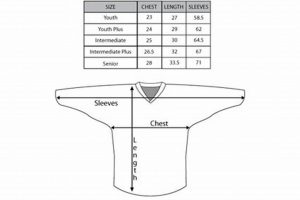
Tip 1: Prioritize Proper Fit: Ill-fitting items offer diminished protection. Ensure each component is appropriately sized and adjusted to the individual player. Consult sizing charts and seek expert advice to guarantee a secure and comfortable fit.
Tip 2: Inspect Regularly for Damage: Prior to each use, thoroughly examine all elements for signs of wear and tear, such as cracks, tears, or loose straps. Damaged articles should be repaired or replaced immediately.
Tip 3: Choose Durable Materials: Opt for items constructed from high-quality, impact-resistant materials. Reinforced padding and robust stitching enhance protection and prolong the lifespan of the equipment.
Tip 4: Maintain Hygiene: Regularly clean and disinfect all components to prevent the buildup of bacteria and odor. Follow manufacturer’s instructions for cleaning procedures to avoid damaging the materials.
Tip 5: Store Properly: Store protective equipment in a dry, well-ventilated area when not in use. Avoid exposing the gear to direct sunlight or extreme temperatures, which can degrade the materials over time.
Tip 6: Consider Protection Level: Different components offer varying degrees of protection. Ensure that components meet the level of play involved to maximize protection.
Tip 7: Budget Wisely: While cost is a factor, prioritize safety and quality over price. Research different brands and models to find the best balance between protection and affordability.
Adhering to these guidelines ensures that young goaltenders are adequately protected, enabling them to participate in street hockey with confidence and minimizing the risk of injury. Consistent maintenance further extends the lifespan of essential protective apparel.
The next segment will explore specific brands and models, providing a detailed comparison of features and performance to aid in informed decision-making.
1. Proper Sizing

The effectiveness of youth street hockey goalie equipment hinges significantly on proper sizing. Ill-fitting items, whether too large or too small, compromise the intended protective function. For instance, oversized leg pads can impede mobility, reducing the goaltender’s ability to react quickly to shots, while undersized chest protectors may leave critical areas of the torso vulnerable to impacts. The correlation is direct: inaccurate sizing diminishes the equipment’s capacity to absorb and distribute impact forces effectively, thus increasing the risk of injury.
Manufacturers provide sizing charts specific to each item of equipment, typically based on height and weight measurements. However, these charts serve as a starting point, and a physical fitting is recommended whenever possible. Retail specialists can assess the fit, ensuring that straps are appropriately positioned and that no gaps exist between the equipment and the body. Furthermore, adjustments may be necessary as the player grows, necessitating periodic re-evaluation of equipment size and fit. A real-world example would be a goaltender whose chest protector rides up during play due to improper sizing, exposing the lower abdomen to potential injury from a direct shot. This highlights the practical significance of correct sizing for safeguarding against such risks.
In summary, proper sizing is not merely a matter of comfort but a critical component of safety when selecting youth street hockey goalie gear. Ignoring the significance of accurate measurements and proper fit can negate the protective benefits of even the highest-quality equipment. Regular assessment and adjustment, especially as the goaltender develops, are crucial for maintaining optimal protection and minimizing the potential for injury. The challenges associated with sizing can be mitigated by consulting with knowledgeable retailers and prioritizing physical fittings to ensure a secure and effective fit.
2. Impact Resistance

Impact resistance is a critical characteristic of youth street hockey goalie gear. The primary function of this equipment is to protect young goaltenders from the forceful impact of pucks or balls during gameplay. Materials used in the construction of this gear, such as high-density foams and durable plastics, are specifically chosen for their ability to absorb and dissipate energy upon impact. Without adequate impact resistance, the risk of injury, including contusions, fractures, and concussions, increases significantly. A real-world example is a goalie pad failing to adequately absorb the impact of a shot, resulting in a painful bruise or, in more severe cases, a bone fracture. Therefore, impact resistance is not merely a desirable feature but an essential requirement for safe participation in the sport.
The level of impact resistance required varies depending on factors such as the age and skill level of the player, as well as the type of puck or ball used. For instance, equipment intended for use with hard plastic pucks requires a higher level of impact resistance compared to gear designed solely for softer street hockey balls. Manufacturers employ various testing methods, such as impact testing and material analysis, to ensure that their products meet established safety standards. These standards often specify minimum impact resistance levels for different types of equipment, providing a benchmark for performance and safety. A practical application of this understanding involves carefully reviewing product specifications and safety certifications to ensure that the selected gear offers the appropriate level of protection for the intended use.
In summary, impact resistance is an indispensable attribute of youth street hockey goalie gear, directly influencing player safety and well-being. Selecting equipment with verified impact resistance ratings and understanding the specific protective needs of the player are crucial considerations. Failure to prioritize impact resistance can lead to preventable injuries and undermine the confidence and enjoyment of young goaltenders. Ongoing advancements in materials science and testing methodologies continue to improve the impact resistance of goalie gear, further enhancing player safety and facilitating continued participation in street hockey.
3. Mobility
Mobility is a critical factor in the effectiveness of protective apparel. A goaltender’s ability to move freely and quickly directly influences performance and safety. Restrictive gear can impede reaction time, limit range of motion, and increase the risk of fatigue, ultimately impacting the player’s capacity to prevent goals and maintain a safe playing posture.
- Flexibility of Materials
The materials used in construction directly impact the degree of mobility. Stiffer materials, while potentially offering greater impact resistance, can restrict movement. Conversely, more flexible materials may provide enhanced mobility but could compromise protection. A practical example is the use of segmented padding in leg pads, allowing for greater flexibility in the knee and ankle joints without sacrificing coverage. The challenge lies in achieving a balance between protection and range of motion.
- Ergonomic Design
The design plays a crucial role in facilitating movement. Ergonomically designed gear conforms to the natural contours of the body, minimizing friction and allowing for a more natural range of motion. For instance, a chest protector with articulated shoulder and arm components allows for greater freedom of movement in the upper body. Poorly designed gear can create pinch points or areas of restriction, hindering agility and increasing the likelihood of injury.
- Weight Considerations
The weight of the protective apparel can significantly impact agility and endurance. Heavier components require more energy to move, leading to fatigue and reduced reaction time. Lighter, more streamlined elements allow for quicker movements and sustained performance. Modern materials and construction techniques aim to minimize weight without compromising safety, offering a more agile and responsive experience for young goaltenders.
- Proper Fit and Adjustment
Even the most flexible and ergonomically designed apparel will restrict movement if not properly fitted and adjusted. Loose or improperly secured elements can shift during play, creating obstacles and hindering agility. Conversely, overly tight components can restrict circulation and limit range of motion. Regular adjustment and professional fitting ensure that each element is optimally positioned for both protection and agility.
These interconnected factors demonstrate that mobility is not merely an attribute of the gear itself but a result of careful material selection, ergonomic design principles, weight management, and meticulous fitting practices. The optimal equipment provides a balance of protection and agility, empowering young goaltenders to perform at their best while minimizing the risk of injury. Neglecting any of these facets can compromise the overall effectiveness of youth street hockey goalie gear and negatively impact the player’s performance and safety.
4. Durability
Durability, in the context of youth street hockey goalie gear, signifies the equipment’s ability to withstand the rigors of repeated use and exposure to abrasive surfaces, impacts, and environmental conditions. It is a critical attribute that directly influences the longevity, performance, and overall cost-effectiveness of the gear.
- Material Composition
The inherent durability of youth street hockey goalie gear is fundamentally determined by its material composition. High-denier fabrics, reinforced stitching, and impact-resistant plastics contribute to the gear’s capacity to endure abrasion and repeated impacts without tearing, cracking, or losing structural integrity. A practical example is the use of ballistic nylon in leg pads to resist wear and tear from sliding on asphalt surfaces. Inferior materials compromise the gear’s protective capabilities and shorten its lifespan.
- Construction Techniques
Beyond the choice of materials, the construction techniques employed play a vital role in determining durability. Reinforced seams, double-layered construction, and strategically placed padding enhance the gear’s ability to withstand stress and prevent premature failure. For instance, a chest protector with reinforced stitching around the shoulder straps is less likely to tear under pressure. Inadequate construction compromises the overall robustness of the gear, regardless of the quality of the raw materials.
- Environmental Resistance
Street hockey gear is often subjected to a range of environmental conditions, including exposure to sunlight, moisture, and temperature fluctuations. UV-resistant coatings, waterproof fabrics, and corrosion-resistant hardware contribute to the gear’s ability to withstand these elements without degrading or losing functionality. Example are goalies exposing their street hockey gear in hot temperatures where it causes the item to not hold its shape. Lack of environmental resistance can lead to premature deterioration, compromising both the protective capabilities and the lifespan of the equipment.
- Maintenance and Care
While inherent durability is essential, proper maintenance and care practices significantly extend the lifespan of youth street hockey goalie gear. Regular cleaning, drying, and storage in appropriate conditions prevent the buildup of dirt, moisture, and bacteria, which can accelerate wear and tear. Periodic inspection and repair of minor damage, such as loose straps or frayed seams, can prevent more significant problems from developing. Neglecting maintenance can negate the benefits of even the most durable materials and construction techniques.
These facets collectively underscore the importance of durability in youth street hockey goalie gear. Selection based on robust materials, sound construction, environmental resistance, and diligent maintenance practices ensures that the equipment provides reliable protection and long-term value. Compromises in any of these areas can significantly reduce the gear’s effectiveness and increase the risk of injury to the young goaltender. For example, purchasing less durable gear may result in more frequent replacement, ultimately costing more in the long run and potentially exposing the player to greater risk.
5. Ventilation
Ventilation in youth street hockey goalie gear is a critical design consideration that directly influences player comfort, performance, and safety. Due to the high-exertion nature of goaltending and the encasing design of the protective apparatus, effective ventilation is essential for regulating body temperature and preventing overheating.
- Moisture Management
Ventilation facilitates the evaporation of sweat, which is crucial for maintaining a comfortable and dry microclimate within the gear. Accumulation of moisture not only leads to discomfort but also increases the risk of skin irritation and bacterial growth. For example, materials with moisture-wicking properties coupled with strategically placed ventilation channels can significantly enhance moisture management, reducing the likelihood of discomfort and skin issues.
- Temperature Regulation
The exertion involved in goaltending can lead to a rapid increase in body temperature. Ventilation aids in dissipating heat, preventing overheating and heat stress. Properly ventilated gear allows for the circulation of air, drawing heat away from the body. As an illustration, strategically positioned mesh panels in chest protectors and leg pads promote airflow, helping to regulate core body temperature during intense play.
- Performance Implications
Overheating can negatively impact performance by causing fatigue, reduced reaction time, and impaired decision-making. Adequate ventilation helps maintain optimal physical and cognitive function, allowing young goaltenders to perform at their best throughout the duration of the game. For example, a goaltender experiencing overheating may exhibit slower reflexes and decreased concentration, leading to a decline in performance.
- Material Design and Placement
The selection and placement of materials significantly influence the effectiveness of ventilation. Breathable fabrics, such as mesh, allow for greater airflow compared to non-porous materials. Strategic placement of ventilation channels in high-heat areas, such as the back and chest, maximizes the cooling effect. For example, goalie masks with strategically placed vents enhance airflow around the head, reducing discomfort and preventing fogging of the visor.
In summary, ventilation is an indispensable aspect of youth street hockey goalie gear, contributing significantly to player comfort, performance, and safety. The integration of breathable materials, strategic ventilation channels, and moisture-wicking technologies enables effective temperature regulation and moisture management. Prioritizing ventilation in the selection of protective equipment ensures that young goaltenders can perform at their peak while minimizing the risk of discomfort and heat-related issues. Neglecting ventilation can undermine the overall effectiveness of the gear, leading to decreased performance and potential health risks.
6. Adjustability
Adjustability is a critical design element in youth street hockey goalie gear, directly affecting fit, comfort, and protective efficacy. Young players exhibit a wide range of body sizes and shapes, and they experience rapid growth spurts. Gear that lacks sufficient adjustability cannot accommodate these variations effectively, leading to compromised protection and impaired mobility. The cause-and-effect relationship is evident: poorly adjusted gear results in gaps in coverage, restricted movement, and an increased risk of injury. For instance, leg pads that cannot be properly tightened may shift during play, exposing the knees to direct impact.
The practical significance of adjustability extends beyond mere comfort. It ensures that the protective components, such as the chest protector, arm pads, and helmet, remain securely positioned during gameplay. This is achieved through adjustable straps, buckles, and padding systems that allow for a customized fit. A real-life example is a helmet with an adjustable chin strap and rear sizing mechanism, which can be precisely calibrated to fit the goaltender’s head, preventing it from shifting or dislodging upon impact. The ability to fine-tune the fit not only enhances protection but also improves the player’s confidence and focus, allowing them to concentrate on the game without distraction.
In conclusion, adjustability is an indispensable feature of youth street hockey goalie gear, enabling a secure, comfortable, and protective fit that accommodates individual variations and growth. Gear that lacks sufficient adjustability compromises safety and performance. The challenge lies in selecting equipment that offers a wide range of adjustment options and ensuring that it is properly fitted and adjusted by a knowledgeable professional. Prioritizing adjustability is paramount for maximizing the protective benefits of the gear and ensuring the long-term well-being of young goaltenders.
7. Comprehensive Coverage

Comprehensive coverage is a non-negotiable attribute of protective apparatus designed for young goaltenders engaged in street hockey. The cause-and-effect relationship is straightforward: insufficient coverage leads to an elevated risk of injury. This necessitates that protective garments extend beyond merely shielding high-impact zones to include vulnerable areas often overlooked. The practical significance lies in preventing avoidable injuries that can hinder a young player’s development and enjoyment of the sport. The chest protector, for example, must extend far enough to shield the sternum and lower ribs, while leg pads should offer uninterrupted protection from the upper thigh to the skate boot. Omission of coverage in these areas increases susceptibility to contusions, fractures, and internal injuries.
Achieving comprehensive coverage requires meticulous design and sizing considerations. Overlapping segments of padding are essential to eliminate gaps that can expose the body to direct impact. Adjustable straps and closures further contribute to securing a snug, yet mobile, fit, ensuring that protective zones remain consistently positioned. A real-world example is the design of a goalie’s neck guard, which is crucial for preventing lacerations and blunt force trauma to the throat area. It fits snugly around the neck to protect this area. Such detailed attention to coverage demonstrates a commitment to minimizing potential injury sites.
In conclusion, comprehensive coverage is a critical, life-saving, element in the design and selection of protective equipment for young street hockey goaltenders. The interconnectedness of design, sizing, and adjustability facilitates achieving optimal protective outcomes. Prioritizing comprehensive coverage minimizes injury risks, fostering a safer and more enjoyable sporting environment for young athletes. Neglecting this aspect compromises the effectiveness of the equipment and increases the potential for preventable injuries.
Frequently Asked Questions
This section addresses common inquiries regarding equipment for young street hockey goaltenders, providing clarity on essential aspects of safety and selection.
Question 1: How often should equipment be inspected for damage?
A thorough inspection should occur prior to each use. Any signs of wear, tears, or damage to straps, padding, or shells necessitate immediate repair or replacement.
Question 2: What materials provide the best impact protection?
High-density foams, such as closed-cell polyethylene and expanded polypropylene (EPP), are frequently used for their impact-absorbing properties. Durable plastics, such as polycarbonate, offer additional protection against blunt force.
Question 3: How should equipment be properly cleaned to prevent odor and bacteria?
Equipment should be cleaned regularly with a mild detergent and water solution. Allow the equipment to air dry completely in a well-ventilated area. Antimicrobial sprays can further inhibit bacterial growth. Avoid harsh chemicals that may degrade materials.
Question 4: What is the recommended lifespan for youth street hockey goalie equipment?
The lifespan varies based on usage frequency and intensity. However, any equipment exhibiting significant wear or damage should be replaced immediately, regardless of age. Generally, components may need replacement every one to three years with frequent use.
Question 5: How can parents ensure proper fit for growing goaltenders?
Regularly assess the fit of all equipment, paying close attention to sizing charts provided by manufacturers. Consult with experienced retailers for professional fitting advice. Adjustable straps and padding can accommodate some growth, but replacement may be necessary as the player matures.
Question 6: Are there specific certifications to look for when purchasing equipment?
While specific certifications for street hockey goalie gear may vary, look for equipment that meets or exceeds industry safety standards. Verify that the helmet is certified by organizations such as HECC or CSA, ensuring adequate head protection.
The key takeaways from this FAQ emphasize the importance of diligent inspection, appropriate material selection, regular cleaning, and vigilant monitoring of fit to ensure the safety and longevity of apparatus.
The following section will explore the financial considerations related to obtaining appropriate equipment.
Conclusion
The preceding exploration of youth street hockey goalie gear underscores the critical role that appropriately designed and maintained equipment plays in mitigating injury risk. From impact resistance and mobility considerations to ventilation and adjustability features, each element contributes to a comprehensive system of protection. This examination highlights the importance of informed selection, diligent maintenance, and a commitment to prioritizing safety above all other factors.
As participation in youth street hockey continues to grow, ongoing advancements in protective materials and design will undoubtedly further enhance the safety and performance of available equipment. However, the responsibility for ensuring the well-being of young athletes ultimately rests with parents, coaches, and governing bodies. A proactive approach to education, equipment selection, and enforcement of safety standards is essential for fostering a secure and enjoyable environment for all participants. The investment in proper protective apparatus is, unequivocally, an investment in the future of the sport and the health of its young players.

![Best Hockey Goalie Hats: [Brand] & More! | Your Ultimate Source for Hockey Updates, Training Guides, and Equipment Recommendations](https://ssachockey.com/wp-content/uploads/2026/02/th-262-300x200.jpg "Best Hockey Goalie Hats: [Brand] & More! Your Ultimate Source for Hockey Updates, Training Guides, and Equipment Recommendations")