Previously owned protective gear for field hockey goalkeepers constitutes a secondary market. This market encompasses items such as leg guards, kickers, chest protectors, helmets, and gloves that have been used by other players and are now available for resale. For example, a set of leg guards previously used for one season may be offered at a reduced price compared to a new set.
Acquiring pre-owned protective items can present significant advantages. Reduced cost is a primary benefit, enabling participation in the sport for individuals with budgetary constraints. Historically, access to specialized goalie equipment has been a barrier to entry for many aspiring athletes; the pre-owned market can mitigate this barrier. Furthermore, purchasing previously owned items can promote sustainability by extending the lifespan of existing equipment and reducing the demand for new production.
The following sections will address key considerations when acquiring protective items through secondary channels, examining factors such as assessing condition, ensuring proper fit, and understanding safety standards. These considerations are crucial for making informed decisions regarding the acquisition of pre-owned protective gear and ensuring player safety.
Acquiring Protective Items
The acquisition of pre-owned field hockey goalkeeper equipment necessitates careful evaluation. Prioritizing safety and functionality is paramount.
Tip 1: Thorough Inspection: Conduct a detailed assessment for signs of wear, damage, or degradation. Examine stitching, padding, and straps for integrity. A compromised strap, for instance, may indicate significant wear.
Tip 2: Hygiene and Sanitization: Prior to use, thoroughly clean and disinfect each item. Utilize appropriate cleaning agents designed for sports equipment to mitigate the risk of bacterial contamination.
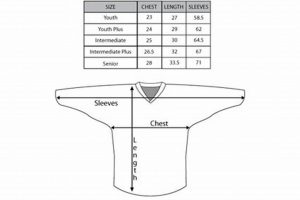
Tip 3: Size and Fit Verification: Ensure that each piece of protective gear fits properly and securely. Ill-fitting equipment can compromise protection and impede performance. Consult sizing charts provided by manufacturers.
Tip 4: Helmet Certification: Verify that the helmet meets current safety standards and bears the appropriate certification mark (e.g., ASTM). Expired certifications indicate that the helmet no longer provides adequate protection.
Tip 5: Padding Integrity: Evaluate the density and resilience of padding in all areas, particularly in high-impact zones such as the legs and chest. Compressed or flattened padding offers diminished protection.
Tip 6: Kicker Condition: Inspect kickers for sole separation, cracking, or excessive wear. Compromised kickers can lead to ankle injuries.
Tip 7: Seller Reputation: When purchasing from online marketplaces, research the seller’s reputation and reviews. Prioritize sellers with positive feedback and transparent product descriptions.
Adherence to these guidelines can significantly reduce the risk of injury and ensure the safe and effective use of previously owned protective items.
The following section will address the long-term maintenance of the protective gear to ensure continued functionality and longevity.
1. Affordability

The pre-owned market offers a compelling alternative, providing access to essential protective items at significantly reduced prices compared to new equipment. This cost reduction directly impacts accessibility, enabling individuals with limited financial resources to participate in field hockey as goalkeepers. For instance, a complete set of new goalie equipment can often exceed several hundred dollars, representing a substantial investment for many families. Previously owned sets, in serviceable condition, can be acquired for a fraction of this cost.
The significance of affordability extends beyond individual access. At the community level, reduced equipment costs can facilitate the growth of youth field hockey programs by lessening the financial burden on participating families and organizations. This expansion supports greater inclusivity and diversity within the sport. Consider a school program that struggles to outfit its team; access to lower-cost, pre-owned items could be the determining factor in whether they can offer a field hockey program at all. Additionally, the lower cost associated with the pre-owned market enables players to potentially upgrade certain pieces of equipment sooner than they might otherwise afford, increasing their safety and comfort.
In summary, the affordability aspect of the secondary market has a profound effect. It unlocks opportunities for aspiring goalkeepers who might otherwise be excluded due to financial constraints. While affordability is a strong incentive, the condition and safety standards of previously owned items must be rigorously evaluated to ensure player well-being. The balance between cost savings and safety remains a central consideration in the acquisition of previously owned goalie equipment.
2. Condition Assessment

Condition assessment of previously owned field hockey goalie equipment is paramount, as the protective efficacy of this gear directly correlates with its state of repair. Thorough evaluation mitigates the risk of injury and ensures the equipment continues to meet the fundamental requirements of player safety.
- Structural Integrity
This facet focuses on the physical soundness of the equipment. Cracks, tears, or significant deformation in hard components (helmets, leg guards, kickers) compromise impact absorption. For example, a crack in a goalie helmet, even if seemingly minor, may fail to provide adequate protection during a high-velocity shot, leading to head trauma. Similarly, detached or weakened straps on leg guards may cause the equipment to shift during play, exposing vulnerable areas to injury. Inspecting for structural integrity requires visual examination, tactile assessment, and awareness of common failure points for each equipment type.
- Padding Degradation
The cushioning and energy-absorbing properties of padding diminish over time and with repeated impacts. Compressed, flattened, or torn padding offers reduced protection against blunt force trauma. A chest protector with degraded padding, for instance, will not effectively dissipate the force of a shot, potentially resulting in chest contusions or more severe injuries. Evaluating padding involves assessing its thickness, density, and resilience. Comparing the padding to that of new equipment can provide a benchmark for determining its remaining protective capacity.
- Material Deterioration
Exposure to sunlight, moisture, and repeated use can cause materials to degrade, impacting the equipment’s overall performance. Leather components may dry out and crack, while synthetic materials can become brittle and lose their flexibility. A glove with deteriorated material may offer insufficient grip or protection against abrasion. This assessment involves considering the age of the equipment, its storage conditions, and the frequency of use. Signs of material deterioration can include discoloration, cracking, stiffness, or a change in texture.
- Fastener Functionality
The secure attachment of equipment relies on functional fasteners (buckles, straps, Velcro closures). Damaged or malfunctioning fasteners render the equipment less effective and potentially dangerous. A loose or broken buckle on a leg guard, for instance, may cause the guard to detach during play, exposing the lower leg to impact. Thoroughly testing all fasteners for proper function is essential. Check for secure closure, adjustability, and the absence of wear or damage that could compromise their reliability.
These facets of condition assessment collectively contribute to a comprehensive understanding of the previously owned equipment’s safety and functionality. Diligence in evaluating these aspects is essential to ensure player safety and to make informed decisions regarding the suitability of pre-owned field hockey goalie equipment. Neglecting this critical evaluation can lead to serious injury and undermine the intended benefits of cost savings.
3. Proper Fit

Proper fit of field hockey goalie equipment is not merely a matter of comfort; it is a critical factor in ensuring the equipment functions as intended to protect the player. When acquiring previously owned items, the importance of a precise fit is amplified due to potential variations in wear, previous modifications, and the lack of personalized fitting services typically associated with new equipment purchases.
- Dimensional Accuracy
Dimensional accuracy refers to the correspondence between the equipment’s size designation and the player’s actual body measurements. Discrepancies can arise due to variations in sizing standards among manufacturers or stretching/shrinkage from previous use. For example, a leg guard labeled as “medium” may fit differently depending on the brand or the number of seasons it has been used. Inaccurate sizing can lead to gaps in protection or restricted mobility, increasing the risk of injury. Precise measurements, using manufacturer-provided sizing charts, are crucial to mitigating this risk.
- Secure Fastening
Proper fit relies on the secure fastening of all straps, buckles, and closures. These mechanisms must function correctly to maintain the equipment’s position during play. Used equipment may exhibit weakened or damaged fasteners, compromising the stability of the gear. A loose chest protector, for example, will not adequately shield the torso from impact, while a helmet with a damaged chin strap may dislodge upon contact. Thorough inspection and replacement of faulty fasteners are essential to ensure a secure and stable fit.
- Range of Motion
Equipment should allow for an unrestricted range of motion without compromising protection. An ill-fitting leg guard, for example, may impede the goalkeeper’s ability to move laterally or drop to the ground effectively. Similarly, a helmet that is too large can obstruct vision. Testing the range of motion with the equipment on is crucial. Specifically, goalkeepers should practice typical movements, such as lunging and diving, to ensure the equipment does not hinder performance or create vulnerabilities.
- Customization Limitations
Unlike new equipment, previously owned items may have limited customization options. Padding may be compressed, straps may be stretched, or the overall shape may have been molded to the previous owner’s body. While some adjustments may be possible, the degree of customization is often restricted. This limitation underscores the importance of selecting pre-owned equipment that closely matches the goalkeeper’s individual body type and playing style. If significant alterations are required, it may be more prudent to invest in new equipment that offers a greater degree of customization.
These considerations regarding proper fit are especially critical when acquiring pre-owned gear. The decreased cost advantage associated with pre-owned equipment becomes immaterial if the items compromise safety. Adhering to meticulous sizing protocols and prioritizing secure, comfortable, and unrestricted movement are crucial steps toward ensuring that pre-owned equipment performs its intended function: to protect the goalkeeper.
4. Safety Standards

Adherence to established safety standards constitutes a fundamental prerequisite in the acquisition and utilization of previously owned field hockey goalie equipment. These standards, typically promulgated by organizations such as ASTM International, specify minimum performance requirements for protective gear, encompassing impact attenuation, coverage area, and material durability. The failure to meet these standards introduces a demonstrable risk of injury to the goalkeeper. For instance, a used helmet lacking current ASTM certification may provide inadequate protection against head trauma from a high-velocity ball strike, potentially resulting in concussion or more severe neurological damage. The causal link between safety standard compliance and player safety is therefore direct and unequivocal.
The practical implications of understanding safety standards extend to the inspection and evaluation process. Prospective purchasers must be capable of identifying certification markings and verifying their validity. This process necessitates familiarity with the specific standards applicable to each piece of equipment (e.g., helmet standard F1776 for field hockey). Furthermore, individuals should be cognizant of the expiration dates associated with certain certifications, as protective properties can degrade over time. An example of this significance is the potential degradation of padding materials within leg guards, which may diminish impact absorption capacity, rendering the equipment non-compliant with original safety standards, even if initially certified. A practical application involves consulting manufacturer websites or independent testing laboratories to confirm the validity of certifications and assess potential material degradation over time.
In summary, safety standards serve as a critical benchmark for evaluating the suitability of previously owned field hockey goalie equipment. While the affordability of pre-owned items may be attractive, the paramount consideration must remain adherence to these standards. Neglecting this crucial aspect can negate any cost savings and expose the goalkeeper to unacceptable risks. The challenge lies in balancing the economic advantages of the secondary market with the unwavering commitment to player safety, requiring diligent inspection, verification of certifications, and awareness of potential material degradation.
5. Equipment Lifespan
The lifespan of field hockey goalie equipment is a crucial determinant in assessing the suitability of previously owned items. Time, usage, and environmental factors contribute to the degradation of materials and a decline in protective capabilities, directly impacting player safety when considering the pre-owned market.
- Material Degradation Rate
Different materials used in goalie equipment degrade at varying rates. For example, high-density foams found in leg guards can compress and lose their shock-absorbing properties over time, especially with frequent impacts. Plastics can become brittle and prone to cracking when exposed to sunlight or extreme temperatures. Leather components may dry out and lose flexibility. Understanding these degradation rates allows for a more informed assessment of a piece of equipment’s remaining protective capacity. Knowing that a specific foam padding typically degrades by X% per year of heavy use can guide the decision to replace that item, even if it appears outwardly functional.
- Usage Frequency and Intensity
The frequency and intensity of use directly influence the rate of equipment degradation. Equipment used daily in high-level competitive play will experience wear and tear more rapidly than items used sporadically in recreational settings. A goalie who practices several hours each day and plays multiple games per week subjects the equipment to significantly more stress than someone who plays once a week. Analyzing the usage history, if available, provides insight into the remaining useful life of the equipment. A helmet used for five years in a school program may still offer reasonable protection, whereas a helmet used for a single season at an elite level may be nearing the end of its lifespan due to the cumulative impact forces.
- Storage Conditions
Improper storage can accelerate the deterioration of goalie equipment. Exposure to moisture can promote mold growth and material breakdown, while prolonged exposure to direct sunlight can degrade plastics and fabrics. Storing equipment in a hot environment, such as a car trunk, can also accelerate material degradation. Understanding proper storage protocols and assessing how the equipment was stored prior to purchase is crucial in determining its current condition. Equipment stored in a cool, dry environment will generally have a longer lifespan than equipment stored in damp or excessively hot conditions.
- Technological Obsolescence
Safety standards and equipment technology evolve over time. While older equipment may still provide a degree of protection, it may not incorporate the latest advancements in impact absorption, coverage area, or ergonomic design. Used equipment that meets outdated safety standards may not offer the same level of protection as newer, certified models. Staying informed about current safety standards and technological advancements is essential in evaluating the adequacy of older gear. For instance, a helmet manufactured five years ago might lack features incorporated in newer models to reduce rotational forces during impact, potentially increasing the risk of concussion.
The interplay of these factors significantly influences the suitability of previously owned field hockey goalie equipment. While cost considerations may be a primary motivator, a thorough understanding of equipment lifespan, degradation rates, usage history, storage conditions, and technological obsolescence is essential to ensure that previously owned items continue to provide adequate protection. Neglecting these considerations can compromise player safety and undermine the perceived benefits of purchasing used equipment.
Frequently Asked Questions
The following questions address common inquiries and concerns related to the acquisition and use of previously owned protective gear for field hockey goalkeepers. The information provided is intended to assist in making informed decisions that prioritize player safety.
Question 1: Is it safe to use previously owned field hockey goalie equipment?
The safety of previously owned equipment depends on a thorough assessment of its condition, adherence to safety standards, and proper fit. Equipment with visible damage, degraded padding, or expired certifications should not be used.
Question 2: How can the condition of previously owned goalie equipment be accurately assessed?
A comprehensive inspection should include checking for cracks, tears, and worn stitching. Padding should be evaluated for compression and resilience. Fasteners (straps, buckles) should be tested for proper function. Furthermore, certification labels should be verified for validity.
Question 3: What safety standards should be considered when purchasing previously owned goalie helmets?
Goalie helmets should meet current ASTM International standards (specifically, ASTM F1776 for field hockey). The presence of a valid certification mark is essential. Helmets with expired certifications should not be used.
Question 4: How is proper fit ensured when acquiring previously owned goalie equipment?
Dimensional accuracy should be verified using manufacturer-provided sizing charts. Secure fastening of all straps and closures is crucial. The equipment should allow for an unrestricted range of motion without compromising protection. Due to limited customization options, careful selection based on individual body type is necessary.
Question 5: What is the typical lifespan of field hockey goalie equipment?
Equipment lifespan varies depending on usage frequency, intensity, storage conditions, and material composition. Regular inspection for signs of wear and tear is essential. Equipment that exhibits significant degradation or has reached its recommended replacement date should be retired.
Question 6: Where can previously owned field hockey goalie equipment be purchased?
Previously owned equipment may be available through online marketplaces, sporting goods stores, or local field hockey clubs. When purchasing online, prioritize sellers with positive reviews and transparent product descriptions.
Careful consideration of these factors is essential when acquiring and utilizing previously owned protective gear. Prioritizing safety through diligent assessment and adherence to standards minimizes risks and ensures the continued well-being of the goalkeeper.
The subsequent section will provide recommendations for the proper care and maintenance of used field hockey goalie equipment.
Used Field Hockey Goalie Equipment
This analysis has thoroughly examined various aspects of used field hockey goalie equipment. Key considerations include affordability, condition assessment, proper fit, adherence to safety standards, and equipment lifespan. A proper equilibrium among these factors dictates the viability of utilizing such equipment.
While the cost-saving benefits of pre-owned protective gear are undeniable, the ultimate responsibility rests with the user to prioritize safety above all else. Neglecting to rigorously assess the condition and confirm compliance with established safety standards undermines the intended purpose of the equipment and exposes the user to unacceptable risk. A prudent approach mandates diligent inspection, adherence to established guidelines, and a commitment to replacing compromised gear, regardless of perceived cost savings. The wellbeing of the athlete remains the paramount concern.
![Best Hockey Goalie Hats: [Brand] & More! | Your Ultimate Source for Hockey Updates, Training Guides, and Equipment Recommendations](https://ssachockey.com/wp-content/uploads/2026/02/th-262-300x200.jpg "Best Hockey Goalie Hats: [Brand] & More! Your Ultimate Source for Hockey Updates, Training Guides, and Equipment Recommendations")