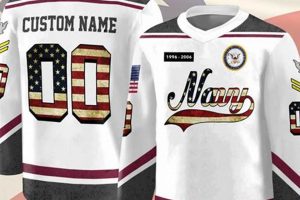
The central question addresses the feasibility of cleaning a specific type of athletic garment. Hockey jerseys, often constructed from durable synthetic materials and adorned with stitched lettering and logos, require particular care during laundering to maintain their integrity and appearance. Failure to adhere to proper cleaning techniques can result in damage to the fabric, color fading, or degradation of affixed embellishments.
Proper maintenance of athletic apparel extends its lifespan and preserves its aesthetic value. Washing a jersey correctly avoids premature wear, allowing continued use and display. Historically, cleaning methods for delicate textiles and adorned garments have evolved significantly. From hand-washing to specialized dry-cleaning processes, adapting cleaning techniques to garment materials is key. This also avoids the expense of replacement from neglect.
The subsequent sections will detail the optimal methods for effectively and safely cleaning such a garment. Guidance will be provided on pre-wash preparations, appropriate washing techniques (machine or hand), suitable detergents, and drying procedures. Additionally, specific instructions will address the cleaning of vintage or particularly delicate jerseys, along with recommendations for stain removal and odor elimination.
Washing Hockey Jerseys
The following guidelines offer practical advice for effectively cleaning hockey jerseys while minimizing the risk of damage. These recommendations are based on best practices in textile care and address common concerns regarding athletic garment maintenance.
Tip 1: Pre-Treat Stains Promptly: Address stains as quickly as possible. Use a mild stain remover specifically designed for athletic wear or a diluted solution of gentle detergent. Avoid harsh chemicals, such as bleach, which can damage fabrics and embellishments.
Tip 2: Turn the Jersey Inside Out: Before washing, invert the jersey to protect the outer surface and applied graphics. This reduces friction and abrasion during the wash cycle, preserving the vibrancy of colors and integrity of logos.
Tip 3: Use a Gentle Detergent: Select a detergent formulated for delicate fabrics or sportswear. These detergents are typically pH-neutral and lack harsh enzymes or additives that can degrade synthetic fibers and stitching.
Tip 4: Employ a Cold Water Wash: Wash the jersey in cold water to prevent color fading and shrinkage. Cold water is also more effective at removing sweat and odor without damaging the fabric.
Tip 5: Select a Gentle Wash Cycle: Opt for a delicate or gentle wash cycle on the washing machine. This minimizes agitation and reduces the risk of stretching or tearing the jersey.
Tip 6: Avoid the Dryer: Never place the jersey in a clothes dryer. High heat can cause shrinkage, fabric damage, and peeling of logos or lettering. Instead, hang the jersey to air dry in a well-ventilated area, away from direct sunlight.
Tip 7: Consider Hand-Washing for Vintage or Delicate Jerseys: For vintage or particularly delicate jerseys, hand-washing is the preferred method. Use a basin of cold water and gentle detergent, and carefully agitate the jersey to remove dirt and sweat. Rinse thoroughly and gently squeeze out excess water before air-drying.
Following these guidelines will help maintain the quality and appearance of hockey jerseys. Consistent and proper care will extend the garment’s lifespan and preserve its value.
These tips provide a foundation for responsible hockey jersey care. The concluding section will reinforce these principles and emphasize the importance of consistent maintenance.
1. Fabric Composition

The constituent materials of a hockey jersey dictate the appropriate cleaning protocols. Understanding the fabric composition is fundamental to preventing damage during the laundering process and ensuring the garment’s longevity.
- Synthetic Fiber Degradation
Most modern hockey jerseys are constructed from synthetic fibers such as polyester or nylon. These materials are selected for their durability and moisture-wicking properties. However, exposure to high heat during washing or drying can cause these fibers to degrade, leading to shrinkage, loss of shape, or weakening of the fabric structure. Consequently, checking the fabric composition is vital to determine the correct cleaning and drying methods, thereby preventing damage.
- Colorfastness of Dyes
Synthetic fabrics are often dyed to achieve vibrant colors characteristic of team uniforms. Certain dyes are susceptible to bleeding or fading when exposed to water and detergent, particularly at higher temperatures. The fabric composition indicates the dye type used. This knowledge dictates the necessity of cold water washing to preserve color integrity and prevent discoloration of the jersey and other garments laundered simultaneously.
- Response to Cleaning Agents
Different fabrics react differently to various cleaning agents. While some materials tolerate mild detergents, others require specialized formulas to avoid damage. The specific synthetic composition influences the appropriate detergent selection to prevent chemical degradation of the fabric. For example, some detergents may contain enzymes that break down certain synthetic fibers, while others may leave residue affecting breathability and moisture-wicking capabilities.
- Impact on Embellishments
The fabric composition also affects the adhesion and durability of applied embellishments such as logos, numbers, and player names. Certain adhesives used to attach these embellishments are sensitive to heat or specific chemicals found in detergents. Understanding the fabric’s interaction with these adhesives is crucial for selecting cleaning methods that minimize the risk of peeling, cracking, or other damage to the affixed decorations.
Thus, a comprehensive awareness of the jersey’s material composition is paramount when determining the proper washing approach. Careful consideration of synthetic fiber sensitivity, dye stability, cleaning agent compatibility, and embellishment adhesion ensures effective cleaning while preserving the garment’s condition and appearance.
2. Embellishment type
The type of embellishments affixed to a hockey jersey exerts significant influence on the feasibility and methodology of its cleaning. Embellishments, including stitched lettering, heat-pressed logos, and embroidered designs, exhibit varying degrees of resilience to the rigors of laundering. The chosen cleaning method must therefore account for the most vulnerable embellishment to prevent damage.
For example, stitched lettering, while generally more durable, can still be compromised by harsh detergents or excessive agitation, leading to loosened threads or color bleeding. Heat-pressed logos, commonly found on replica jerseys, are particularly susceptible to peeling or cracking if exposed to high heat or abrasive washing cycles. Embroidered designs, due to their intricate detail and delicate threadwork, necessitate gentle cleaning techniques to avoid snags or unraveling. The presence of multiple embellishment types on a single jersey complicates the cleaning process, requiring a strategy tailored to accommodate each components specific vulnerabilities. Failure to consider embellishment type frequently results in irreversible damage, diminishing the jersey’s aesthetic value and potentially rendering it unwearable. Jerseys should always be turned inside out prior to washing to mitigate unnecessary damage to graphics.
In summary, the type of embellishments present on a hockey jersey acts as a primary determinant in selecting the appropriate cleaning protocol. Recognizing the individual sensitivities of stitched lettering, heat-pressed logos, and embroidered designs allows for the implementation of targeted cleaning strategies that minimize the risk of damage. Ignoring this factor increases the likelihood of irreversible harm, underscoring the necessity of careful assessment prior to laundering.
3. Water temperature

Water temperature is a critical determinant in the successful cleaning of a hockey jersey. Its effect on fabric integrity, colorfastness, and the lifespan of embellishments necessitates careful consideration to avoid irreversible damage during laundering.
- Color Bleeding and Dye Transfer
Elevated water temperatures can accelerate the release of dyes from synthetic fibers, leading to color bleeding and dye transfer. This is particularly problematic with hockey jerseys featuring vibrant team colors. Washing a brightly colored jersey with a lighter garment in warm or hot water can result in the unintentional staining of the lighter item. Cold water, conversely, minimizes dye release, preserving the original colors and preventing unwanted dye transfer.
- Fiber Shrinkage and Damage
Exposure to high temperatures can cause synthetic fibers in hockey jerseys to shrink, distort, or weaken. This is especially relevant for jerseys containing a blend of materials, as different fibers may react differently to heat. Hot water can compromise the structural integrity of the fabric, resulting in an ill-fitting jersey or reduced durability. Cold water washing mitigates the risk of fiber damage and shrinkage, thereby extending the garment’s lifespan.
- Degradation of Embellishments
The adhesives used to affix logos, numbers, and lettering to hockey jerseys are often sensitive to heat. Elevated water temperatures can weaken these adhesives, causing embellishments to peel, crack, or detach from the fabric. Cold water provides a gentler cleaning environment, minimizing the risk of damage to these crucial details and preserving the overall aesthetic appeal of the jersey.
- Effective Stain Removal at Lower Temperatures
While historically, hot water was deemed necessary for effective stain removal, modern detergents are formulated to work effectively in cold water. These detergents contain enzymes and surfactants that break down stains at lower temperatures without compromising fabric integrity or colorfastness. Utilizing cold water washing in conjunction with a quality detergent provides both effective cleaning and preservation of the jersey.
In conclusion, water temperature plays a vital role in maintaining the condition of a hockey jersey during washing. Choosing cold water minimizes the risks of color bleeding, fiber shrinkage, embellishment damage, while still enabling effective stain removal with modern detergents. This practice significantly extends the life and appearance of this specialized athletic garment.
4. Detergent choice

The selection of detergent is paramount when addressing the feasibility of cleaning a hockey jersey. The chemical properties of the chosen detergent directly impact the fabric, embellishments, and overall condition of the garment, thereby determining the success of the cleaning process.
- pH Level and Fabric Degradation
Detergents with excessively high or low pH levels can degrade synthetic fibers commonly used in hockey jerseys, such as polyester and nylon. Alkaline detergents, in particular, can weaken fibers, leading to premature wear and tear. A neutral pH detergent is generally recommended to minimize fabric damage. This ensures the jersey’s structural integrity is maintained throughout the washing process, preserving its overall quality and longevity.
- Enzyme Activity and Embellishment Damage
Enzymatic detergents, designed to break down protein-based stains, can inadvertently damage certain embellishments commonly found on hockey jerseys. Stitched lettering and embroidered designs may be vulnerable to enzyme activity, leading to weakened threads or color fading. Heat-pressed logos can also be affected, potentially causing peeling or cracking. Non-enzymatic detergents are preferable to protect these embellishments during cleaning, preserving the jersey’s aesthetic appeal.
- Optical Brighteners and Color Alteration
Many detergents contain optical brighteners, chemicals that deposit on fabrics to enhance their perceived whiteness. While beneficial for white garments, optical brighteners can alter the colors of hockey jerseys, particularly those with vibrant team colors. Over time, the buildup of optical brighteners can cause a gradual shift in the jersey’s hue, diminishing its original appearance. Detergents without optical brighteners are recommended to preserve the true colors of the garment.
- Residue Buildup and Performance Impairment
Certain detergents leave behind a residue on fabrics, even after rinsing. This residue can accumulate over time, affecting the breathability and moisture-wicking properties of hockey jerseys. Reduced breathability can compromise the garment’s performance during athletic activities, while residue buildup can also attract dirt and odors. Detergents specifically formulated to rinse cleanly are recommended to prevent residue buildup and maintain the jersey’s functionality.
These factors underscore the critical role of detergent selection in the context of cleaning a hockey jersey. Choosing a pH-neutral, non-enzymatic detergent without optical brighteners and formulated for clean rinsing optimizes cleaning effectiveness while preserving the garment’s integrity, appearance, and performance characteristics. Proper detergent choice is therefore not merely a preference, but a necessity for responsible jersey care.
5. Agitation level
Agitation level, referring to the intensity of mechanical action during the wash cycle, significantly influences the feasibility and outcome of laundering a hockey jersey. Excessive agitation poses a substantial risk of damage to the garment’s fabric, embellishments, and overall structure. Consequently, careful consideration of agitation is paramount in determining the appropriate washing method.
- Fabric Stress and Fiber Damage
High agitation cycles subject the jersey’s fabric to significant stress, leading to fiber damage, stretching, and distortion. Synthetic materials, while durable, can weaken under prolonged or intense mechanical action, resulting in a loss of shape and premature wear. Reduced agitation minimizes these stresses, preserving the fabric’s integrity and extending the lifespan of the jersey.
- Embellishment Degradation and Detachment
Applied embellishments, such as stitched lettering, heat-pressed logos, and embroidered designs, are particularly vulnerable to damage from high agitation. The abrasive forces can loosen threads, cause peeling or cracking of logos, and unravel intricate designs. Low agitation cycles provide a gentler cleaning environment, reducing the risk of embellishment degradation and detachment.
- Color Fading and Dye Transfer
Aggressive agitation can accelerate the release of dyes from the fabric, leading to color fading and dye transfer. This is especially problematic for jerseys with vibrant colors or contrasting trim. Reduced agitation helps to maintain colorfastness and prevent unwanted staining of other garments laundered simultaneously.
- Structural Distortion and Loss of Fit
Excessive mechanical action can distort the overall structure of the jersey, leading to a loss of fit and shape. Seams can become strained, and the garment may become misshapen. Gentle agitation helps to preserve the jersey’s original dimensions and ensures a comfortable and accurate fit after washing.
The presented facets highlight the importance of agitation level in the context of hockey jersey care. Employing a gentle wash cycle with minimal agitation is a crucial element in preventing damage and preserving the garment’s quality. Hand-washing, offering complete control over agitation, represents the safest alternative for delicate or vintage jerseys. The insights gained underscore the necessity of careful attention to agitation when assessing the feasibility and methodology of cleaning a hockey jersey.
6. Drying method

The employed drying method is intrinsically linked to the feasibility of successfully laundering a hockey jersey. Incorrect drying techniques can negate the benefits of careful washing, resulting in irreversible damage to the fabric, embellishments, and overall structure of the garment. The selection of an appropriate drying method constitutes a crucial component of the broader question: “can you wash a hockey jersey” while preserving its integrity. For instance, the high heat of a conventional clothes dryer can cause synthetic fibers to shrink, melt, or distort, leading to a significantly altered fit and appearance. Logos and lettering affixed with heat-sensitive adhesives are prone to peeling or cracking when exposed to such temperatures. Ignoring the recommended drying method can therefore ruin a jersey that has been otherwise carefully washed.
Proper air drying techniques, such as hanging the jersey on a padded hanger away from direct sunlight, allow the garment to dry gradually, minimizing stress on the fibers and embellishments. This method promotes the preservation of color, shape, and detail. Certain vintage or delicate jerseys may benefit from being laid flat on a clean, dry surface to prevent stretching. The choice depends on the fabric and the construction details, with the goal of minimizing any physical strain during the drying process. Understanding these nuances allows for a more informed approach to jersey care and maintenance.
In summary, the drying method is not merely a concluding step but an integral part of the overall washing process for a hockey jersey. The risks associated with improper drying highlight the importance of adhering to recommended practices, primarily air drying, to prevent damage and ensure the garment’s longevity. Challenges arise in humid environments where air drying may be prolonged, potentially leading to mildew. However, the careful selection of a well-ventilated space can mitigate this risk, reinforcing the connection between drying and the preservation of a cleanly laundered hockey jersey.
7. Pre-treatment needs

Prior to laundering, addressing specific pre-treatment needs is crucial for effectively cleaning a hockey jersey while minimizing the risk of damage. This step is particularly relevant when considering the question of whether the garment can be successfully washed. Pre-treatment targets stains and odors that standard washing cycles may not fully address, thereby maximizing cleaning efficacy and preserving fabric integrity.
- Targeted Stain Removal
Hockey jerseys are frequently subjected to a variety of stains, including blood, sweat, and field markings. The composition of these stains can vary, requiring targeted pre-treatment solutions. For instance, enzymatic stain removers are effective against organic stains like blood and sweat, while solvent-based treatments may be necessary for grease or adhesive residues. Ignoring pre-treatment can result in the persistence of stains, potentially necessitating more aggressive washing methods that could damage the jersey’s fabric or embellishments.
- Odor Neutralization
Accumulated sweat and bacteria can cause persistent odors in hockey jerseys, even after washing. Pre-treatment with odor-neutralizing solutions, such as those containing baking soda or specialized sports detergents, helps to eliminate these odors at their source. Failure to address odors prior to washing may result in the masking of the scent rather than its complete removal, leading to an unsatisfying cleaning outcome and potentially fostering bacterial growth within the fabric.
- Protection of Embellishments
Certain pre-treatment methods can inadvertently damage embellishments such as stitched lettering or heat-pressed logos. It is essential to select pre-treatment products and application techniques that minimize contact with these sensitive areas. For example, spot-treating stains on the fabric rather than directly applying stain remover to a logo can prevent peeling or discoloration. Careful pre-treatment thus ensures that the cleaning process does not compromise the jersey’s aesthetic details.
- Fabric-Specific Considerations
Different jersey fabrics may require specific pre-treatment approaches. For instance, vintage jerseys constructed from delicate materials may necessitate hand-application of mild pre-treatment solutions to avoid damaging the fibers. Modern synthetic fabrics may tolerate more robust pre-treatment methods, but it is still advisable to test the solution on an inconspicuous area of the jersey first to ensure colorfastness. Adapting pre-treatment to the specific fabric composition is vital for preventing unintended damage during the washing process.
In conclusion, addressing pre-treatment needs is an integral step in determining the feasibility of successfully washing a hockey jersey. Targeted stain removal, odor neutralization, protection of embellishments, and fabric-specific considerations all contribute to a more effective and safer cleaning process. This proactive approach maximizes cleaning efficacy and safeguards the garment’s long-term condition, enhancing its value and extending its usable lifespan.
Frequently Asked Questions
The following section addresses common inquiries concerning the proper laundering of hockey jerseys. The information provided aims to clarify best practices and mitigate potential risks associated with cleaning these specialized garments.
Question 1: Is machine washing universally safe for all hockey jerseys?
Machine washing is not universally safe. The age, fabric composition, and embellishment type determine suitability. Vintage jerseys or those with delicate embellishments necessitate hand-washing.
Question 2: Can bleach be used to remove stains from a hockey jersey?
Bleach is generally not recommended. Its harsh chemical properties can damage synthetic fibers, fade colors, and degrade embellishments. Milder, fabric-safe stain removers are preferable.
Question 3: What water temperature is optimal for washing a hockey jersey?
Cold water is generally optimal. It minimizes color bleeding, prevents fabric shrinkage, and reduces the risk of damage to heat-sensitive embellishments.
Question 4: How should a hockey jersey be dried after washing?
Air drying is the recommended method. The garment should be hung on a padded hanger or laid flat to prevent stretching or distortion. Direct sunlight should be avoided to prevent color fading.
Question 5: What type of detergent is best suited for washing a hockey jersey?
A pH-neutral, non-enzymatic detergent without optical brighteners is generally best. These detergents minimize fabric degradation, protect embellishments, and preserve color integrity.
Question 6: How often should a hockey jersey be washed?
Washing frequency depends on usage. Jerseys worn frequently during athletic activities should be washed after each use. Jerseys primarily used for display can be washed less frequently, as needed.
Adherence to these guidelines promotes effective cleaning while safeguarding the integrity and appearance of hockey jerseys. Prioritizing gentle methods and appropriate materials is key to preserving these specialized garments.
The subsequent section will present a summarized overview of the crucial steps for appropriately washing hockey jerseys.
Can You Wash A Hockey Jersey
The preceding exploration clarifies the feasibility of cleaning hockey jerseys, emphasizing the necessity for careful consideration of multiple factors. Fabric composition, embellishment type, water temperature, detergent choice, agitation level, drying method, and pre-treatment needs collectively determine the success and safety of the laundering process. A failure to address these elements increases the risk of damage to the garment, potentially rendering it unwearable or diminishing its aesthetic value.
Effective maintenance of hockey jerseys demands a proactive approach and informed decision-making. Adherence to recommended guidelines, prioritizing gentle methods and appropriate materials, promotes the longevity and preservation of these specialized garments. The degree of care taken will directly influence the sustained quality and appearance of the item. Ultimately, diligent adherence to best practices is essential for any successful outcome.

![Buy Cool Kids Hockey Jerseys Online - [Your Brand] | Your Ultimate Source for Hockey Updates, Training Guides, and Equipment Recommendations](https://ssachockey.com/wp-content/uploads/2026/05/th-358-300x200.jpg "Buy Cool Kids Hockey Jerseys Online - [Your Brand] Your Ultimate Source for Hockey Updates, Training Guides, and Equipment Recommendations")