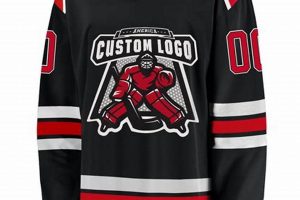
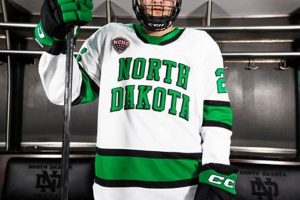
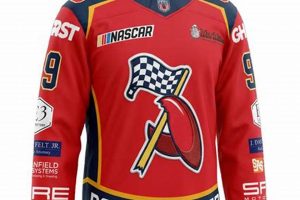
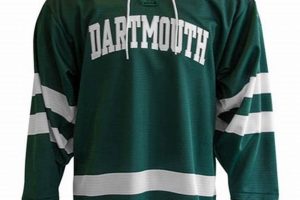
A protective and presentational enclosure designed specifically to showcase athletic apparel, typically constructed with a frame, backing, and transparent front. These enclosures serve the dual purpose of safeguarding the garment from environmental factors such as dust, UV light, and physical damage, while also enabling its prominent display. For instance, an avid sports enthusiast might utilize such an item to exhibit a prized autographed shirt from their favorite athlete.
Preserving memorabilia holds significance for several reasons. It allows for the maintenance of historical context, providing tangible links to significant events or individuals. Beyond simple preservation, these display solutions offer an opportunity to share these items with others, creating conversation pieces and fostering a sense of connection. Historically, methods for preserving garments were limited, leading to deterioration over time. Modern display methods offer improved longevity and aesthetic appeal.
Understanding the components, construction, and considerations involved in selecting the optimal solution allows for informed decisions regarding preservation and presentation. Subsequent discussion will delve into frame materials, sizing considerations, mounting techniques, and environmental control factors pertinent to properly safeguarding and showcasing valuable athletic apparel.
Essential Considerations for Encasing Athletic Apparel
The following provides guidance on selecting and utilizing an appropriate method for showcasing valuable sports garments, ensuring both protection and visual appeal.
Tip 1: Frame Material Selection: Opt for acid-free materials in the frame’s construction to prevent deterioration of the fabric over time. Wood or metal frames can be viable options, provided they are properly sealed and do not leach harmful chemicals.
Tip 2: Glazing Considerations: Acrylic or UV-protective glass should be utilized as the transparent front. These materials filter harmful ultraviolet rays that can fade colors and weaken fibers. Select non-glare options for enhanced visibility.
Tip 3: Sizing and Dimensions: Accurate measurement of the garment is crucial. Select a product that allows for adequate space around the item, preventing compression or distortion. Consider future expansion if additional items may be included.
Tip 4: Mounting Techniques: Avoid direct pinning or adhesive methods. Employ archival-quality mounting boards and gentle fabric fasteners to secure the garment within the enclosure. Ensure that the mounting method does not create stress points on the fabric.
Tip 5: Environmental Control: Minimize exposure to direct sunlight and extreme temperature fluctuations. Consider placing the item in a climate-controlled environment to further mitigate potential damage.
Tip 6: Backing Board Quality: Utilize acid-free backing boards to create a stable and pH-neutral environment. Buffered boards can further protect against acid migration from other materials.
Tip 7: Sealing and Dust Protection: Ensure a tight seal between the frame and the transparent front to prevent dust and contaminants from entering. Regular inspection and cleaning of the exterior are recommended.
Adhering to these guidelines will contribute significantly to the preservation and presentation of valuable athletic apparel, ensuring its longevity and continued aesthetic appeal.
Further discussion will explore specific case studies and advanced preservation techniques relevant to particularly delicate or historically significant items.
1. Frame Materials

The composition of a framing structure exerts a direct influence on the long-term preservation of enclosed sports apparel. In the context of a hockey jersey display, the choice of materials significantly impacts the garment’s physical integrity. Acidic or chemically unstable substances within the frame can leach onto the fabric, causing discoloration, weakening of fibers, and accelerated degradation. For example, frames constructed from untreated wood may release acids that damage the jersey over time. Conversely, inert materials such as powder-coated aluminum or archival-quality plastics provide a stable and protective environment, minimizing the risk of chemical reactions with the fabric. Therefore, the selection of appropriate frame materials is a critical determinant of the displays effectiveness in safeguarding the showcased garment.
Beyond chemical stability, the structural integrity of the frame is paramount. A robust and well-constructed frame provides physical support, preventing sagging or distortion of the jersey. Consider the weight of the garment; a frame constructed from lightweight or flimsy materials may bend or warp under the stress, compromising the presentation and potentially damaging the jersey. Furthermore, the frame’s design must accommodate the jerseys dimensions without compressing or stretching the fabric. The use of precision-cut, rigid materials ensures a proper fit and prevents undue stress on the garment. For example, poorly constructed frames may allow dust and contaminants to enter, negating the benefits of UV protection. Properly selected frame materials offer both physical support and environmental protection, contributing to the longevity and aesthetic appeal of the display.
In summary, frame material selection is a foundational aspect of effective sports apparel preservation. The use of inert, structurally sound materials mitigates the risks of chemical degradation, physical damage, and environmental contamination. This understanding is crucial for informed decision-making when selecting a hockey jersey presentation solution, ensuring the long-term protection of valuable athletic memorabilia. Ignoring the importance of frame materials introduces significant preservation challenges, potentially diminishing the value and lifespan of the displayed garment.
2. UV Protection
Ultraviolet (UV) radiation poses a significant threat to the long-term preservation of textiles, particularly those displayed within an enclosure. In the context of a hockey jersey showcase, UV protection is not merely a superficial enhancement, but a fundamental requirement for safeguarding the garment’s integrity and aesthetic value. Exposure to UV radiation leads to the degradation of dyes and fibers, resulting in fading, discoloration, and eventual weakening of the material. The following explores key facets of UV protection within this specific application.
- Mitigation of Fading
UV radiation interacts with the molecular structure of dyes, causing them to break down and lose their color intensity. This fading effect is especially pronounced in vibrant colors and delicate fabrics. The incorporation of UV-filtering glazing, such as acrylic or specialized glass, significantly reduces the amount of harmful radiation reaching the jersey. For instance, a jersey displayed near a window without UV protection may exhibit noticeable fading within months, whereas a protected jersey can retain its original color for decades.
- Fiber Preservation
Beyond color fading, UV radiation weakens the fibers of the jersey itself. This leads to a gradual loss of structural integrity, making the fabric brittle and susceptible to damage. UV protective materials block the radiation that causes these effects, thus preserving the strength and durability of the jersey’s material. Consider a vintage jersey made of natural fibers; without UV protection, these fibers will become increasingly fragile over time.
- Selection of Glazing Materials
The choice of glazing material directly impacts the level of UV protection provided. Standard glass offers minimal UV filtering, while specialized acrylic and glass formulations are engineered to block a high percentage of harmful rays. The selection of appropriate glazing should be based on the sensitivity of the displayed jersey and the intensity of UV exposure. For example, a valuable autographed jersey warrants the investment in premium UV-protective glazing.
- Environmental Considerations
Even with UV-protective glazing, environmental factors such as ambient temperature and humidity can influence the rate of degradation. Therefore, it is important to control the environment in which the display is located to further mitigate potential damage. Placement away from direct sunlight and the maintenance of stable temperature and humidity levels will complement the benefits of UV protection. This holistic approach maximizes the long-term preservation of the jersey.
The integration of UV protection into a hockey jersey display goes beyond mere aesthetics; it is an essential component of responsible preservation. By mitigating fading, preserving fibers, selecting appropriate glazing materials, and managing environmental factors, one can ensure the long-term integrity and value of displayed athletic memorabilia. Neglecting UV protection represents a significant risk to the jersey’s condition, potentially diminishing its historical and sentimental significance.
3. Acid-Free Backing

Acid-free backing within a hockey jersey frame presentation solution directly influences the garment’s long-term preservation. Conventional backing materials, often composed of wood pulp or other acidic substances, release harmful chemicals over time. These chemicals migrate into the fabric of the jersey, accelerating degradation processes such as yellowing, embrittlement, and fiber weakening. Acid-free backing boards, conversely, are manufactured to maintain a neutral pH, preventing the release of damaging compounds. This inert characteristic safeguards the fabric from chemical reactions, ensuring its structural integrity and color retention over extended periods. The practical significance of acid-free backing is evident in the contrast between jerseys displayed with and without it; those presented with acidic backing exhibit signs of deterioration much sooner than those protected by acid-free materials.
The application of acid-free backing extends beyond mere chemical inertness. These materials often possess properties that further enhance preservation. For example, some acid-free boards incorporate buffering agents that neutralize any residual acidity present in the surrounding environment, providing an additional layer of protection. The physical properties of the backing also play a crucial role. A rigid, dimensionally stable board provides support to the jersey, preventing sagging or distortion that can stress the fabric. Furthermore, the backing can serve as a mounting surface for securing the jersey within the case, ensuring its proper presentation without the need for adhesives or other potentially damaging methods. The choice of an appropriate acid-free backing, therefore, encompasses considerations beyond simply avoiding acidic materials; it involves selecting a product that actively contributes to the garment’s structural support and environmental protection.
In summary, the utilization of acid-free backing is a critical component of a comprehensive hockey jersey display strategy. Its role in preventing chemical degradation, providing structural support, and facilitating secure mounting directly impacts the long-term condition of the displayed garment. While the initial cost of acid-free materials may be higher than conventional alternatives, the investment translates into significant savings by prolonging the jersey’s lifespan and preserving its aesthetic and historical value. The absence of acid-free backing represents a considerable risk, potentially undermining other preservation efforts and accelerating the deterioration of valuable athletic memorabilia.
4. Secure Mounting

Within the context of a hockey jersey presentation enclosure, secure mounting represents a critical element influencing both the aesthetic display and the long-term preservation of the garment. Its purpose extends beyond merely affixing the jersey within the frame; it involves maintaining the garment’s shape, preventing damage, and ensuring its presentability for years to come.
- Archival Attachment Methods
The implementation of archival-quality attachment methods is paramount. Direct pinning or adhesive application can cause irreversible damage to the jersey’s fibers. Instead, techniques such as using acid-free, padded hangers, or fabric-safe mounting boards with specialized clips or Velcro strips, are preferred. These methods distribute the garment’s weight evenly, preventing stress points and minimizing the risk of tears or distortions. An example of effective archival mounting involves encapsulating a portion of the jersey’s hem within a padded, acid-free enclosure, providing secure support without direct contact with the primary fabric.
- Weight Distribution and Support
Proper weight distribution is crucial, especially for heavier, game-worn jerseys with multiple patches or embellishments. The mounting system should provide adequate support across the entire garment, preventing sagging or stretching, which can lead to permanent deformation. Solutions include custom-built forms that mimic the human torso or multi-point suspension systems that evenly distribute the load. For instance, a jersey with reinforced shoulders might utilize strategically placed supports to maintain its original shape within the display enclosure.
- Prevention of Movement and Abrasion
Even within a sealed enclosure, minor vibrations or handling can cause the jersey to shift, leading to abrasion against the frame or backing. Secure mounting minimizes this movement through snug, but non-restrictive, placement and the use of cushioning materials. For example, a thin layer of acid-free felt between the jersey and the backing board can prevent rubbing and protect delicate details, such as embroidered logos. This is particularly important for jerseys made of vintage or fragile materials.
- Accessibility and Reversibility
While security is essential, the mounting method should also allow for periodic inspection or removal of the jersey without causing damage. Reversible techniques, such as Velcro or clip systems, enable access for cleaning, conservation, or display at alternative venues. Avoid permanent mounting solutions that make removal difficult or impossible without risk of harm. For instance, a jersey that requires occasional professional cleaning should be mounted using a system that allows for easy disassembly and reassembly.
These facets of secure mounting directly influence the long-term preservation and presentation of a hockey jersey within its display enclosure. By employing archival-quality materials, distributing weight effectively, preventing movement, and ensuring accessibility, collectors and institutions can safeguard their valuable memorabilia for generations to come. Neglecting these considerations compromises the jersey’s condition and diminishes its aesthetic impact within the display.
5. Airtight Seal

The presence of an airtight seal in a hockey jersey frame display enclosure serves as a critical barrier against environmental contaminants that contribute to the degradation of textile fibers and dyes. Absent an airtight seal, airborne pollutants such as dust, particulate matter, mold spores, and fluctuating humidity levels can infiltrate the enclosure. This infiltration leads to the gradual accumulation of dust particles within the fabric’s weave, which accelerates fiber abrasion and discoloration. Furthermore, elevated humidity levels promote mold and mildew growth, particularly in jerseys composed of natural fibers, resulting in irreversible staining and weakening of the material. The practical consequence is the accelerated deterioration of the jersey, diminishing its aesthetic appeal and historical value. An airtight seal mitigates these risks by creating a controlled microclimate within the enclosure, effectively isolating the jersey from the harmful effects of external environmental factors.
The implementation of an airtight seal necessitates careful selection of materials and construction techniques. The frame components must be precisely aligned and fitted to create a continuous, uninterrupted barrier. Gaskets composed of inert, non-reactive materials are often employed to seal the interface between the frame and the transparent glazing. Furthermore, the glazing itself must be securely fastened to the frame to prevent air leakage. The absence of even minor imperfections in the seal can compromise its effectiveness. For example, hairline cracks in the frame or improperly fitted gaskets can allow sufficient airflow to negate the protective benefits of the enclosure. Regular inspection and maintenance of the seal are, therefore, essential to ensure its continued integrity. Proper sealing techniques employed in the manufacturing process further ensure durability and long-term protection.
In summation, the airtight seal functions as a crucial line of defense in preserving hockey jerseys displayed within protective enclosures. Its effectiveness directly impacts the longevity and condition of the garment by minimizing exposure to harmful environmental factors. While achieving a perfectly airtight seal presents engineering challenges, the benefits far outweigh the effort. Failure to prioritize an airtight seal compromises the preservation efforts, potentially leading to the premature deterioration of valuable athletic memorabilia. The airtight seal should therefore be regarded as non-negotiable feature for a presentation case to maximize its ability to protect and show off cherished items.
6. Proper Sizing

In the context of hockey jersey presentation, sizing dictates the physical relationship between the garment and the enclosure. An undersized display results in compression or distortion of the jersey, placing undue stress on the fabric and potentially damaging delicate areas such as logos, numbers, and stitching. Conversely, an oversized case permits excessive movement, increasing the risk of abrasion against the frame or backing. Accurate measurement of the jersey, including its width, length, and sleeve dimensions, is therefore paramount. For example, forcing a size 56 jersey into an enclosure designed for a size 52 will inevitably lead to visible warping and potential fiber damage over time.
The selection of appropriate dimensions also impacts the visual presentation. A display scaled to the jersey enhances its aesthetic impact, allowing for a balanced and visually appealing arrangement. Too much empty space around the garment can detract from its prominence, while an overly cramped display diminishes its grandeur. The depth of the case is another consideration; sufficient depth is required to accommodate the jersey’s thickness, particularly in areas with multiple layers of fabric or padding. Failing to account for this depth results in unsightly bulging and difficulty in properly sealing the enclosure. Consideration should also be given to the possibility of adding complementary items, such as photographs or commemorative patches, which necessitate additional space within the display.
In summary, correct dimensional specification is a prerequisite for effective jersey display. The correlation between precise measurement, appropriate case dimensions, and long-term garment preservation is undeniable. Selecting an enclosure without adequate consideration for sizing introduces avoidable risks of damage, distortion, and visual imbalance. Prioritizing proper sizing in the selection process ensures the preservation of the jersey’s integrity and enhances its presentation, thereby safeguarding the value and impact of the displayed athletic memorabilia.
Frequently Asked Questions
The following addresses common inquiries concerning the proper handling, display, and preservation of hockey jerseys within specialized enclosures. Addressing these questions before selecting or utilizing such a product can mitigate potential damage and ensure optimal preservation.
Question 1: What constitutes an appropriate material for a protective frame?
Acceptable frame materials should exhibit inert chemical properties to prevent the release of harmful substances. Acid-free wood, powder-coated metal, or archival-quality acrylic are viable options. The material should also possess sufficient structural integrity to support the weight of the jersey and glazing without deformation.
Question 2: Is UV-protective glazing a necessity, or merely an optional feature?
UV-protective glazing is a fundamental requirement, not an optional feature. Prolonged exposure to ultraviolet radiation causes irreversible fading and fiber degradation. Glazing materials specifically formulated to filter UV radiation mitigate this damage, preserving the jersey’s colors and structural integrity over time.
Question 3: How crucial is acid-free backing in preserving a jersey?
Acid-free backing is of paramount importance. Conventional backing boards release acidic compounds that leach into the fabric, accelerating deterioration. Acid-free boards maintain a neutral pH, preventing chemical damage and prolonging the jersey’s lifespan.
Question 4: What are the recommended methods for securing a jersey within a display case?
Archival-quality mounting techniques are essential. Avoid direct pinning or adhesives, which can cause irreversible damage. Employ padded hangers, custom-fitted mannequins, or fabric-safe Velcro to distribute weight evenly and prevent stress points.
Question 5: Is an airtight seal truly necessary for a hockey jersey display case?
An airtight seal is highly recommended. It protects the jersey from dust, pollutants, and fluctuating humidity levels, all of which contribute to material degradation. A properly sealed enclosure creates a controlled microclimate, minimizing environmental damage.
Question 6: How does one determine the correct size for a display solution?
Accurate measurement of the jersey is crucial. The enclosure should accommodate the jersey’s dimensions without compression or distortion. Sufficient depth is required to prevent bulging, particularly in areas with multiple layers of fabric or padding. Allowing for minor expansion to include future complementary items is also prudent.
Adherence to these guidelines will substantially increase the likelihood of effective long-term jersey preservation, protecting not only the physical integrity of the item but also its intrinsic and sentimental value.
The succeeding section addresses real-world case studies, illuminating best practices and avoidable pitfalls in the realm of sports memorabilia display.
Conclusion
The preceding analysis underscores the multifaceted considerations inherent in the selection and utilization of a hockey jersey frame display case. Preserving valuable athletic apparel requires diligent attention to frame materials, UV protection, acid-free backing, secure mounting techniques, airtight seals, and proper sizing. Neglecting any of these factors compromises the long-term integrity and presentation of the displayed garment.
Therefore, the informed selection of a hockey jersey frame display case is not merely a matter of aesthetics, but a critical investment in the preservation of sports memorabilia. Proper implementation of these strategies ensures the enduring protection and enhancement of these cherished artifacts for future generations. Continued research and adherence to best practices within the archival field remain essential for optimizing the preservation of all valuable textiles.