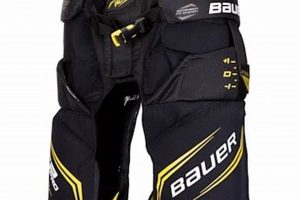
The piece of athletic equipment designed to protect the male genitalia is an essential component of ice hockey gear. Commonly worn beneath hockey pants, it provides a layer of defense against impacts from pucks, sticks, and falls against the ice. This specialized undergarment contributes significantly to player safety, mitigating potential injuries during gameplay.
Use of this protective equipment allows players to engage in the physically demanding sport with greater confidence and reduced risk. Its implementation in ice hockey, alongside other protective measures, reflects a commitment to player well-being. Over time, designs have evolved to enhance comfort and effectiveness, utilizing advanced materials to maximize impact absorption while maintaining breathability.
The following will delve deeper into specific aspects related to selection, maintenance, and technological advancements related to essential safety equipment in ice hockey, ensuring players are well-informed about choices that can contribute to optimal protection on the ice.
Selection and Maintenance Guidance
Proper fitting and upkeep are crucial for this protective equipment to function effectively. The following guidance emphasizes key considerations for ensuring optimal safeguarding during ice hockey participation.
Tip 1: Correct Sizing is Paramount: Ensure a snug, yet comfortable fit. Ill-fitting equipment can shift during play, compromising protection and potentially causing discomfort, impacting performance.
Tip 2: Material Composition Matters: Opt for models constructed from durable, impact-resistant materials, such as high-density plastics or reinforced composites, offering superior protection against high-velocity impacts.
Tip 3: Cup Design Consideration: Different designs cater to varying levels of protection and comfort. Contoured cups may offer a more natural fit, while wider designs provide more extensive coverage.
Tip 4: Suspension System Evaluation: The suspension system, responsible for holding the protective cup in place, should be secure and comfortable. Elastic straps or jock shorts are common options; choose the one that provides the best fit and support.
Tip 5: Regular Inspection is Essential: Routinely inspect the equipment for signs of wear and tear, such as cracks, tears, or weakened straps. Replace compromised equipment immediately to maintain adequate protection.
Tip 6: Hygiene Practices are Necessary: Consistent cleaning is essential to prevent the buildup of bacteria and odors. Follow the manufacturer’s instructions for washing and drying, ensuring the material’s integrity is preserved.
Tip 7: Consider Layering Underneath: Wearing a moisture-wicking base layer underneath the equipment can enhance comfort and prevent chafing by drawing sweat away from the skin.
Following these guidelines will contribute significantly to maximizing the protective capabilities of this essential piece of equipment, thereby promoting player safety and confidence on the ice.
The subsequent section will cover advancements in materials technology and explore how innovations are continually improving protection and comfort for athletes.
1. Essential Protective Equipment

The designation “essential protective equipment” is fundamentally linked to the use of an ice hockey jockstrap due to the inherent risks associated with the sport. Ice hockey involves high-speed projectiles (pucks), physical collisions, and potential falls, creating a significant risk of injury to the groin and pelvic region. The equipment, therefore, is not merely an accessory but a mandatory safeguard for male players. For example, a direct impact from a puck to the groin area without adequate protection could result in severe pain, bruising, or even more serious internal injuries. The equipment mitigates this risk by absorbing and dispersing the impact force, preventing or minimizing harm to the sensitive tissues and organs.
Furthermore, the implementation of protective undergarment directly influences player confidence and performance. By reducing the fear of injury, athletes can focus more intently on the game, engaging in more aggressive plays and taking necessary risks without undue hesitation. Rules within ice hockey leagues often mandate the wearing of this equipment, reflecting the recognized importance of safeguarding players from preventable injuries. Moreover, the evolution of designs in this space, incorporating advanced materials and ergonomic considerations, demonstrates a continued commitment to improving player safety and comfort on the ice.
In summary, the association between “essential protective equipment” and “ice hockey jockstrap” is a direct consequence of the dangers inherent in ice hockey. The equipment’s role in preventing injury, enhancing player confidence, and its mandatory nature within organized play underscores its critical importance. Continued research and innovation in this area are vital to further enhance player safety and well-being on the ice, addressing challenges of protection, comfort, and hygiene through improved designs and materials.
2. Impact Resistance

Impact resistance is a critical attribute of equipment designed to protect athletes engaged in ice hockey. This characteristic is fundamental to mitigating injuries from high-velocity impacts associated with pucks, sticks, and player collisions. The design and material composition of this equipment directly correlate to its capacity to absorb and disperse energy from such impacts.
- Material Science and Energy Absorption
The selection of materials plays a pivotal role in achieving optimal impact resistance. High-density plastics, reinforced composites, and specialized foams are commonly employed for their ability to absorb and dissipate kinetic energy. For example, a polyethylene cup can deform upon impact, distributing the force over a larger area and reducing the pressure on the underlying tissues. This energy absorption mechanism is vital for preventing contusions, fractures, and internal injuries.
- Structural Design and Force Distribution
Beyond material composition, the structural design of the equipment significantly influences its impact resistance. Contoured shapes and strategically placed reinforcements can enhance the equipment’s ability to withstand compressive forces. For instance, a ribbed design can increase the stiffness of the cup, preventing it from collapsing under high impact loads. This distribution of force minimizes the risk of localized trauma and ensures a more uniform dissipation of energy.
- Testing Standards and Certification
To ensure adequate impact resistance, equipment undergoes rigorous testing to meet industry standards and certifications. These tests simulate real-world impact scenarios, measuring the force transmitted to the body. For instance, the Hockey Equipment Certification Council (HECC) sets standards for impact performance. Compliance with these standards provides assurance that the equipment offers a minimum level of protection. Certification marks indicate that the product has undergone independent verification and meets established safety criteria.
- Ergonomics and Protection Coverage
Impact resistance is not solely about material properties, but also about ensuring proper fit and coverage. Equipment that fits improperly may shift during play, leaving areas vulnerable to impact. For example, an ill-fitting protective undergarment may expose the groin area, reducing protection. Ensuring appropriate size and secure fit is essential for maximizing the equipment’s protective capabilities. Moreover, ergonomic designs that conform to the body’s anatomy can enhance comfort and improve the distribution of impact forces.
In conclusion, impact resistance is a multifaceted characteristic of essential equipment. Material science, structural design, testing standards, and ergonomics all contribute to the effectiveness of the equipment in protecting athletes from the inherent dangers of ice hockey. Continuous advancements in these areas drive improvements in safety and contribute to the overall well-being of players.
3. Proper Fit Imperative

The concept of “Proper Fit Imperative” is inextricably linked to the efficacy of the equipment under consideration in ice hockey. A sub-optimally sized or shaped protective undergarment compromises its ability to safeguard the wearer, rendering its protective capabilities significantly diminished.
- Anatomical Alignment and Coverage
Correct fit ensures appropriate anatomical alignment, positioning the protective cup to effectively cover the vulnerable groin area. If the equipment is too large, the cup may shift during movement, exposing the wearer to potential impact. Conversely, if it is too small, it may not provide sufficient coverage, leaving portions of the anatomy unprotected. Proper fit also ensures that the equipment does not chafe or cause discomfort, which could distract the player and affect performance.
- Securement and Stability
The securement system of the equipment, typically consisting of straps or an integrated jock short, must provide adequate stability. An ill-fitting system may allow the equipment to move excessively during play, reducing its effectiveness in absorbing and distributing impact forces. A secure fit prevents displacement, maintaining the correct position of the protective cup even under high-stress conditions. This stability ensures consistent protection throughout the duration of gameplay.
- Impact Force Distribution
Optimal fit contributes to the effective distribution of impact forces. When the equipment fits properly, the force of an impact is dispersed across a larger area, reducing the concentration of pressure on any single point. This dispersion minimizes the risk of localized trauma, such as contusions or fractures. Conversely, a poorly fitting device may concentrate the force of an impact, increasing the likelihood of injury.
- Comfort and Performance
While protection is paramount, comfort also plays a vital role in the overall effectiveness of this gear. Equipment that fits properly is less likely to cause discomfort or restrict movement, allowing the player to focus on the game without distraction. Conversely, an ill-fitting protective undergarment can lead to chafing, irritation, or restricted mobility, negatively impacting performance. The ideal equipment provides a balance between protection and comfort, allowing athletes to perform at their best while minimizing the risk of injury.
In summary, the “Proper Fit Imperative” is not merely a matter of comfort but is essential for ensuring the protective effectiveness of ice hockey gear. Correct anatomical alignment, securement, impact force distribution, and overall comfort are all contingent upon a proper fit, highlighting the need for careful selection and fitting of the equipment to maximize player safety and performance.
4. Material Composition

The efficacy of the ice hockey jockstrap is intrinsically linked to its material composition. The selection of materials directly dictates the level of protection afforded to the athlete. High-impact plastics, often incorporated into the cup structure, serve as the primary barrier against blunt force trauma from pucks and collisions. These plastics must possess high tensile strength and impact resistance to effectively dissipate energy and prevent injury. For instance, a polypropylene cup offers a baseline level of protection, while higher-grade materials, such as polycarbonate or composite blends, provide enhanced impact resistance for elite-level players.
Beyond the cup, the materials used in the suspension system, encompassing straps and padding, are critical for comfort and stability. These components often employ moisture-wicking fabrics like polyester or nylon to manage perspiration and prevent chafing during prolonged periods of physical exertion. Furthermore, foam padding strategically positioned within the cup and suspension system enhances comfort and provides additional impact absorption. Neoprene, a synthetic rubber, is sometimes utilized for its flexibility and ability to conform to the body’s contours, improving fit and reducing discomfort. Deficiencies in material quality or design can result in compromised protection, discomfort, and potential skin irritation, underscoring the importance of selecting equipment manufactured with high-quality materials.
In conclusion, the material composition of this protective gear is paramount to its functional effectiveness. From impact-resistant plastics to moisture-wicking fabrics, each material component contributes to the overall protection, comfort, and durability of the equipment. Manufacturers continually strive to innovate with advanced materials and designs to enhance player safety and performance, reflecting a commitment to ongoing improvement in protective gear technology. Understanding the correlation between material composition and functionality is crucial for making informed decisions when selecting equipment, thereby promoting player well-being on the ice.
5. Hygiene Maintenance
Consistent hygiene maintenance is inextricably linked to the proper functioning and longevity of an ice hockey jockstrap. This piece of protective equipment, due to its close proximity to the body during intense physical activity, becomes a breeding ground for bacteria, fungi, and unpleasant odors if not properly cleaned. The accumulation of sweat, skin cells, and environmental debris creates an environment conducive to microbial growth, leading to potential skin irritation, infections, and accelerated material degradation. Thus, hygiene maintenance is not merely an aesthetic concern but a critical component in preserving both the athlete’s health and the equipment’s integrity. For example, neglecting regular cleaning can lead to the development of folliculitis, a painful skin condition caused by bacteria trapped in hair follicles, requiring medical intervention.
Effective hygiene practices necessitate regular washing and sanitization of the jockstrap. Hand washing with mild soap and water is often recommended to prevent damage to delicate materials, particularly for models incorporating specialized foams or fabrics. Machine washing, when permissible according to the manufacturer’s instructions, should be conducted on a gentle cycle using a mild detergent. Thorough rinsing is crucial to remove all traces of soap, which can cause skin irritation if left behind. Air drying is generally preferred over machine drying to prevent shrinkage or deformation of the cup and suspension system. Furthermore, the use of antimicrobial sprays or wipes can provide an additional layer of protection against microbial growth, particularly when washing is not immediately feasible. Failure to adhere to these practices increases the risk of skin infections, such as athlete’s foot or jock itch, which can impede athletic performance and require treatment with antifungal medications.
In summary, hygiene maintenance is an indispensable aspect of ice hockey protective equipment. Neglecting proper cleaning and sanitization not only diminishes the lifespan of the jockstrap but also poses significant risks to the athlete’s health. Regular washing, thorough rinsing, and the use of antimicrobial agents are essential steps in preventing microbial growth and maintaining the equipment’s integrity. By prioritizing hygiene, athletes can minimize the risk of skin infections and ensure the continued effectiveness of their protective gear, ultimately contributing to improved performance and overall well-being on the ice.
Frequently Asked Questions
The following addresses common inquiries and misconceptions surrounding male groin protection in ice hockey. This information is intended to provide clarity and enhance understanding of proper usage and maintenance.
Question 1: Is wearing an protective equipment mandatory in ice hockey?
The mandatory nature of this equipment depends on the league and level of play. Most organized leagues mandate its use for all male players due to the high risk of injury. Verify specific regulations with the governing body.
Question 2: How frequently should my equipment be replaced?
Replacement frequency hinges on the level of use and the condition of the gear. Inspect regularly for signs of wear and tear, such as cracks or weakened straps. Replace immediately if compromised. A general guideline is every one to two seasons with frequent use.
Question 3: Can the equipment be shared among players?
Sharing this equipment is strongly discouraged due to hygiene concerns and the potential for disease transmission. Each player should have their own personal equipment to minimize these risks.
Question 4: What is the best method for cleaning and disinfecting the equipment?
Hand washing with mild soap and water is recommended. Machine washing, if permitted by the manufacturer, should be on a gentle cycle. Ensure thorough rinsing and air drying. Antimicrobial sprays can supplement cleaning, but do not replace it.
Question 5: What are the different types of protective cups available?
Protective cups vary in material (e.g., plastic, composite) and design (e.g., contoured, wider coverage). The selection should be based on personal preference for comfort and the level of protection required.
Question 6: How do I determine the correct size for the protective equipment?
Consult the manufacturer’s sizing chart and measure waist circumference. The equipment should fit snugly and securely, providing adequate coverage without restricting movement. Try different sizes to ensure optimal fit.
These responses offer a general overview. Always consult with qualified professionals for personalized advice and guidance.
The next section will delve into technological advancements and innovative materials utilized in protective equipment.
Conclusion
This exploration has underscored the multifaceted importance of the ice hockey jockstrap. From its fundamental role in providing essential protection against high-impact forces to the necessity of proper fit, material composition, and hygiene maintenance, the equipment’s effectiveness hinges on a combination of factors. Understanding these elements empowers players and equipment managers to make informed decisions that prioritize safety and enhance performance on the ice.
Continued advancements in material science and design promise to further improve the protective capabilities and comfort of this critical piece of equipment. A persistent emphasis on safety protocols and adherence to best practices is paramount to minimizing injuries and ensuring the well-being of athletes at all levels of play. Ongoing research and development in this area remain essential to addressing the evolving challenges of protection in the physically demanding sport of ice hockey.