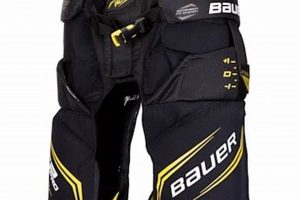
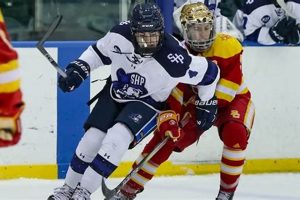
Protective garments worn over ice hockey pants, these coverings safeguard the underlying equipment from wear and tear and can display team colors or logos. Typically constructed from durable, abrasion-resistant materials like nylon or polyester, they offer an additional layer of defense against impacts and scrapes during gameplay. For instance, a player might choose to use a specific color and design to match their team’s uniform, ensuring a cohesive appearance on the ice.
The significance of these supplemental coverings lies in their ability to extend the lifespan of hockey pants, a potentially costly piece of equipment. They also provide a means of customization and branding, allowing teams to present a unified front and potentially generate revenue through merchandise sales. Historically, simpler designs focused solely on protection have evolved into more elaborate versions incorporating team-specific aesthetics.
This article will delve into the various aspects of these protective overlays, including materials and construction, design and customization options, factors to consider when selecting the appropriate size and fit, and proper maintenance and care to ensure longevity. Finally, it will examine alternatives to consider if these types of protective overlays does not suits certain needs.
Selection and Maintenance Tips
Optimizing the performance and lifespan of these protective garments requires careful consideration during selection and consistent adherence to proper maintenance procedures. The following guidelines are intended to enhance the user experience and maximize the value of the investment.
Tip 1: Material Durability: Prioritize overlays constructed from high-denier nylon or reinforced polyester. These materials offer superior abrasion resistance, essential for withstanding the rigors of on-ice contact.
Tip 2: Stitching Reinforcement: Examine the stitching quality, particularly in high-stress areas such as the knees and hips. Reinforced stitching enhances the structural integrity and prevents premature tearing.
Tip 3: Proper Sizing: Consult manufacturer sizing charts and, if possible, try on the overlays with the hockey pants underneath. Ill-fitting overlays can restrict movement and reduce protective effectiveness.
Tip 4: Team Customization Options: When selecting customized overlays, ensure that the applied graphics and logos are securely bonded to the fabric and resistant to fading or cracking.
Tip 5: Regular Cleaning: After each use, air out the overlays to prevent moisture buildup and odor. Periodically wash them according to the manufacturer’s instructions, using a mild detergent.
Tip 6: Inspect for Damage: Regularly inspect the overlays for tears, holes, or worn stitching. Address any damage promptly to prevent further degradation and compromise protective capabilities.
Tip 7: Storage Considerations: Store the overlays in a dry, well-ventilated area when not in use. Avoid storing them in direct sunlight or near heat sources, as this can damage the fabric.
By adhering to these guidelines, users can ensure optimal performance, longevity, and protection when utilizing protective garments designed to cover ice hockey pants.
The subsequent sections will address alternatives and conclude this comprehensive examination.
1. Protection
The primary function of ice hockey pant covers centers on supplementing the protective capabilities of standard hockey pants. While hockey pants themselves provide substantial impact resistance, the addition of these overlays introduces an extra layer of defense against a range of potential hazards. These include abrasive ice surfaces, collisions with other players, and impacts from stray pucks or hockey sticks. The augmented protection reduces the risk of abrasions, contusions, and, potentially, more severe injuries to the hip, thigh, and tailbone areas. For instance, a player sliding along the ice after a check will experience significantly less direct abrasion due to the external cover absorbing a substantial portion of the friction.
The level of protection offered by the coverings is directly proportional to the materials utilized in their construction. High-denier nylon or reinforced polyester, common choices for these overlays, offer superior abrasion resistance compared to less robust fabrics. Furthermore, some designs incorporate additional padding or reinforcement in key impact zones, such as the hips and thighs, to further enhance protective capabilities. Consider the case of professional players who frequently engage in high-speed collisions; their overlays often feature strategically placed padding to mitigate the force of impact during these encounters, prioritizing safety.
In conclusion, the connection between protection and the utilization of protective pant accessories in ice hockey is one of direct cause and effect. The addition of these overlays leads to a measurable increase in overall player safety by providing an additional barrier against injury. While the effectiveness of the protection is influenced by material selection and design features, the core principle remains consistent: to enhance the safety of athletes participating in a physically demanding sport and extend the lifespan of expensive equipment by adding a secondary layer of defense from wear and tear.
2. Durability

Durability is a paramount consideration in the context of ice hockey pant covers. Their function as a protective and aesthetic outer layer necessitates resilience against the physical demands of the sport. The longevity and performance of these coverings are directly linked to the quality of materials and construction techniques employed.
- Material Composition and Wear Resistance
The primary determinant of durability is the material from which the covers are fabricated. High-denier nylons and reinforced polyesters are frequently utilized due to their inherent resistance to abrasion, tearing, and impact. Lower-quality materials are susceptible to premature wear, leading to diminished protection and requiring frequent replacement. For example, a cover constructed from a 600-denier nylon will exhibit greater resistance to abrasions from ice contact compared to a cover made from a thinner, less dense fabric. This directly impacts the lifespan of the product and its ability to safeguard the underlying hockey pants.
- Seam Strength and Stitching Integrity
The integrity of the seams and stitching is critical to the overall durability of the covers. Weak or poorly executed stitching can lead to seam failure under stress, compromising the structural integrity of the covering and rendering it ineffective. Reinforced stitching patterns and the use of high-tensile-strength threads are essential for withstanding the rigors of gameplay. An example would be double-stitched seams in high-stress areas, such as the knees and hips, to prevent tearing during falls or collisions. This attention to detail in construction significantly extends the useful life of the covers.
- Resistance to Environmental Degradation
Exposure to moisture, sunlight, and repeated washing can contribute to the degradation of materials over time. Durable ice hockey pant covers should be resistant to fading, shrinking, and the breakdown of fibers due to environmental factors. UV-resistant coatings and colorfast dyes are often incorporated to mitigate the effects of sunlight exposure. Proper care and maintenance, such as air-drying after use and following washing instructions, also play a crucial role in prolonging the lifespan of the product. A cover that retains its color and structural integrity after repeated exposure to these elements will offer a longer period of effective use.
- Impact Resistance and Structural Integrity
Beyond abrasion resistance, the ability of the covers to withstand impacts from pucks, sticks, and collisions with other players is essential for maintaining their structural integrity and protective function. Materials with higher tensile strength and impact absorption capabilities are preferred. Padding or reinforcement in key impact zones, such as the hips and thighs, further enhances the durability and protective qualities of the covers. The ability to maintain its structural integrity and offer ample protection, even after multiple impacts, makes the ice hockey pant covers durable.
The facets of material composition, seam strength, environmental resistance, and impact withstanding collectively define the durability of ice hockey pant covers. A durable cover translates to long-term value, reduced replacement costs, and consistent protection for the player, emphasizing the importance of prioritizing quality and construction when making a purchase.
3. Customization

Customization of protective overlays for ice hockey pants represents a significant aspect of team identity, player personalization, and potential revenue generation. It moves beyond mere functionality, transforming protective gear into a canvas for expression and branding.
- Team Logos and Branding
The integration of team logos and branding elements onto protective coverings allows for a cohesive and unified appearance on the ice. Teams often incorporate their primary and secondary logos, team colors, and sometimes even mascot imagery. For example, a professional hockey team might display its crest prominently on the sides of the coverings, reinforcing brand recognition and creating a visual spectacle for fans. This element of customization extends to youth leagues and recreational teams, fostering a sense of unity and pride.
- Player Numbers and Personalization
The addition of player numbers to the covers provides a clear and immediate form of identification during gameplay. This is particularly crucial for referees, coaches, and spectators alike. Beyond mere functionality, the choice of font style, size, and placement of the number can be a form of personal expression. For instance, some players might opt for a vintage-style font to pay homage to hockey history, while others might choose a bold, modern typeface to convey a sense of dynamism.
- Color Schemes and Design Variations
Customization extends beyond logos and numbers to encompass a wide range of color schemes and design variations. Teams might choose to incorporate unique patterns, gradients, or contrasting panels to create a distinctive visual identity. Some might even opt for themed designs related to specific events or charitable causes. Consider a team that adopts a camouflage pattern for a military appreciation night, demonstrating support for veterans while also presenting a visually striking appearance on the ice.
- Sponsorship Integration
The surface area of these protective coverings presents an opportunity for sponsorship integration. Teams can display the logos of their sponsors on the coverings, generating revenue and forging partnerships with local businesses or national brands. This practice is common in professional sports, where sponsorships play a vital role in team finances. For instance, a regional car dealership might have its logo prominently displayed on the coverings of a local hockey team, increasing brand visibility and supporting the team’s operations. The potential for marketing reach must be balanced with respect for the sport’s aesthetics and traditions.
In conclusion, the customization of protective garments for ice hockey pants is a multifaceted practice encompassing team branding, player personalization, aesthetic expression, and revenue generation. It transforms a functional piece of equipment into a dynamic element of team identity, contributing to the visual spectacle of the sport and offering opportunities for marketing and community engagement.
4. Fit

The concept of ‘fit,’ when applied to protective overlays for ice hockey pants, transcends mere comfort. It is a critical determinant of protective efficacy, range of motion, and overall player performance. A poorly fitting covering can compromise the intended protection, restrict movement, and ultimately detract from a player’s ability to execute necessary skills.
- Coverage and Compatibility
Proper fit ensures complete and unobstructed coverage of the underlying hockey pants. Overlays that are too small may leave vulnerable areas exposed, negating their protective purpose. Conversely, overly large coverings can bunch or sag, creating potential tripping hazards and hindering agility. Compatibility with the specific brand and model of hockey pants is also paramount; variations in design and dimensions necessitate careful matching to achieve optimal fit and coverage.
- Range of Motion and Mobility
A well-fitted covering allows for a full range of motion without restriction. The overlay should move seamlessly with the player’s body, enabling unrestricted skating, turning, and shooting. Tight or ill-fitting coverings can impede movement, leading to fatigue and potentially increasing the risk of injury due to reduced agility. The selection of appropriately sized and designed overlays is therefore essential for maintaining peak athletic performance.
- Security and Adjustment
The security of the overlay, ensuring it remains properly positioned during gameplay, is also a function of fit. Adjustment mechanisms, such as straps or closures, play a critical role in achieving a snug and secure fit. These features allow players to fine-tune the fit to their individual body shape and preferences, preventing the covering from shifting or riding up during activity. Secure attachment minimizes distractions and ensures consistent protective coverage.
- Impact on Protective Performance
The manner in which the overlay interfaces with the hockey pants directly influences their collective protective performance. A snug, well-fitted overlay maximizes the distribution of impact forces across the entire surface area, reducing the concentration of stress on any single point. Conversely, a loose or ill-fitting overlay can create gaps or pressure points, diminishing the overall protective capacity and potentially increasing the risk of injury in the event of a collision or impact.
In summary, the relationship between fit and ice hockey pant covers is inextricable. Proper fit is not merely a matter of comfort; it is an essential factor in determining the protective effectiveness, range of motion, and overall performance of these protective accessories. Prioritizing fit ensures that these coverings function as intended, safeguarding players and optimizing their ability to compete safely and effectively.
5. Maintenance

The longevity and protective efficacy of ice hockey pant covers are inextricably linked to consistent and appropriate maintenance practices. Neglecting proper care can lead to premature degradation of materials, diminished protective capabilities, and increased risk of injury. Regular maintenance, conversely, extends the lifespan of the equipment and ensures optimal performance throughout its use.
Maintenance procedures primarily involve cleaning, inspection, and repair. Cleaning removes accumulated sweat, dirt, and ice debris, preventing the growth of bacteria and mold that can weaken fabric and cause odors. Inspection involves scrutinizing seams, closures, and fabric for signs of wear, tears, or damage. Prompt repair of minor damage, such as re-stitching loose seams, can prevent more significant problems from developing. For instance, a small tear left unattended can quickly expand, compromising the integrity of the entire cover. Proper maintenance not only preserves the aesthetic appeal but also upholds the intended level of protection. For example, using mild detergent when washing the ice hockey pant covers help keep the colors from fading. By following these steps, it maximizes the lifespan of the garment.
Ultimately, the time and effort invested in maintaining ice hockey pant covers yield significant returns in terms of extended equipment life, consistent protective performance, and reduced risk of injury. Consistent maintenance practices serve as a proactive approach to equipment management, ensuring that these vital protective accessories remain in optimal condition for the duration of their use. Therefore, understanding the importance of cleaning and inspecting ice hockey pant covers are crucial for protecting your body.
6. Cost
The cost associated with ice hockey pant covers represents a multifaceted consideration encompassing initial purchase price, long-term value, and potential ancillary expenses. The purchase price is determined by several factors, including material quality, construction techniques, brand reputation, and customization options. Higher-end covers crafted from premium materials, featuring reinforced stitching and intricate designs, naturally command a higher price point than entry-level models. The cost serves as an initial barrier to entry, influencing consumer choice and potentially impacting the level of protection and durability ultimately obtained. As an example, basic pant covers may cost $30-50 while a high-end one cost upwards $100 or more.
However, a narrow focus on initial cost can be misleading. Assessing long-term value requires considering the expected lifespan of the covers and their ability to withstand the rigors of ice hockey. Durable covers, while initially more expensive, can prove more economical over time by reducing the frequency of replacement. Maintenance costs should also be factored in, including expenses related to cleaning supplies or repairs. In addition, customized covers with team logos or player names may generate additional expense, yet contribute to team identity and morale. As a practical application, a team manager tasked with outfitting an entire squad must balance budget constraints with the need for durable, protective, and aesthetically pleasing covers, carefully weighing the trade-offs between initial cost and long-term value.
In conclusion, the cost of ice hockey pant covers is not simply a matter of initial price but rather a complex equation involving material quality, construction, brand reputation, customization, and long-term value. Understanding these factors enables informed decision-making, ensuring that the selected covers provide adequate protection, withstand the demands of the sport, and align with budgetary constraints. By considering the interplay of these variables, teams and individual players can optimize their investment in this essential piece of protective equipment.
7. Availability
The ease with which ice hockey pant covers can be acquired significantly impacts access to protective equipment and the adoption of team branding initiatives. Widespread availability ensures that players of all levels, from youth leagues to professional teams, can readily obtain these vital accessories.
- Retail Distribution Networks
The presence of ice hockey pant covers in sporting goods stores, both physical and online, directly influences their accessibility. A robust distribution network ensures that a wide range of options, including different sizes, materials, and designs, are available to consumers. The absence of adequate retail channels can limit selection and potentially drive up prices due to reduced competition. For instance, areas with limited access to specialized hockey equipment retailers may experience higher costs and restricted availability.
- Online Marketplaces and E-commerce Platforms
Online marketplaces and e-commerce platforms have significantly expanded the reach and availability of ice hockey pant covers. These platforms offer a diverse selection from various manufacturers and retailers, often at competitive prices. However, factors such as shipping costs, delivery times, and the ability to physically inspect the product before purchase can impact the overall appeal of online channels. The accessibility of reliable internet service also plays a role in determining the extent to which online marketplaces enhance availability, as well as the trustworthiness to receive said ice hockey pant covers.
- Customization Services and Lead Times
The availability of customization services, such as team logo application and player number imprinting, influences the appeal and functionality of ice hockey pant covers. However, the lead times associated with customization can impact the availability of finished products, particularly during peak seasons. Delays in customization can hinder teams’ ability to present a unified appearance and potentially delay the start of competitive play. Therefore, streamlined customization processes and efficient production workflows are crucial for ensuring timely delivery of customized covers.
- Geographic Location and Regional Demand
Geographic location and regional demand influence the availability of specific types and brands of ice hockey pant covers. Areas with a strong hockey tradition and high participation rates tend to have a greater selection of products readily available. Conversely, regions with limited hockey interest may experience reduced availability and higher prices due to lower demand and fewer retailers specializing in hockey equipment. This disparity in availability can create challenges for players and teams in underserved areas, potentially limiting their access to quality protective gear.
In summation, the availability of ice hockey pant covers encompasses a complex interplay of retail distribution, online marketplaces, customization services, and regional demand. Understanding these factors is essential for manufacturers, retailers, and consumers alike to ensure that these vital accessories are readily accessible to all players, regardless of location or playing level. Enhanced availability translates to improved player safety, stronger team identity, and increased participation in the sport.
Frequently Asked Questions
The following addresses common inquiries and concerns regarding protective garments designed to cover ice hockey pants, providing clarity on their purpose, function, and maintenance.
Question 1: What is the primary function of ice hockey pant covers?
The primary function is to provide an additional layer of protection to ice hockey pants, safeguarding against abrasion, impact, and wear. These coverings also permit customization with team colors, logos, and player numbers.
Question 2: Are ice hockey pant covers a substitute for proper hockey pants?
No. These coverings are supplemental and not intended to replace properly fitted and protective hockey pants. They enhance protection but do not provide sufficient impact resistance on their own.
Question 3: What materials are commonly used in the construction of ice hockey pant covers?
Durable, abrasion-resistant materials such as high-denier nylon and reinforced polyester are commonly used. These materials offer a balance of protection, durability, and flexibility.
Question 4: How should ice hockey pant covers be properly sized?
Refer to the manufacturer’s sizing chart, matching cover size to the corresponding hockey pant size. Ideally, try on the covers with the hockey pants to ensure a snug and comfortable fit that does not restrict movement.
Question 5: What is the recommended procedure for cleaning and maintaining ice hockey pant covers?
Air out the covers after each use to prevent moisture buildup. Periodically wash them in cold water with a mild detergent, following the manufacturer’s instructions. Avoid using bleach or placing them in a dryer, as this can damage the fabric.
Question 6: Can ice hockey pant covers be customized with team logos and player numbers?
Yes, these coverings can be customized to display team logos, player numbers, and other branding elements. Customization options vary depending on the manufacturer and retailer.
Understanding these aspects of ice hockey pant covers aids in informed decision-making and ensures proper utilization for enhanced protection and longevity.
The succeeding section explores alternative protective gear options for the lower body.
Conclusion
This exploration of ice hockey pant covers has illuminated their multifaceted role in the sport. Beyond mere aesthetics, these overlays serve a vital function in augmenting protection, facilitating team identity, and extending the lifespan of essential equipment. The critical aspects of material durability, proper fit, consistent maintenance, cost considerations, and availability collectively influence their efficacy and value. Furthermore, their contribution to player safety, team cohesion, and brand representation underscores their significance within the broader context of ice hockey.
As ice hockey continues to evolve, the importance of investing in and maintaining quality protective gear cannot be overstated. Whether for competitive athletes or recreational players, prioritizing the selection and care of these protective overlays contributes directly to player well-being and the overall integrity of the sport. Continued research and development in materials and design promise further enhancements in protection and performance, solidifying the enduring relevance of ice hockey pant covers in the future of the game.