Equipment designed for younger participants in the sport of field hockey typically features specifications tailored to their size and skill level. These implements are generally shorter and lighter than those used by adult players, facilitating easier handling and control. For example, a beginner aged 8-10 might use a composite stick measuring 30-32 inches in length, while a more experienced player aged 11-13 could require a 33-35 inch stick.
Utilizing appropriately sized and weighted equipment is crucial for developing fundamental skills and preventing injuries. A lighter stick allows for quicker movements and improved stick-handling technique. Historically, youth implements have evolved from predominantly wooden construction to incorporating composite materials like fiberglass and carbon fiber, offering increased power and durability while maintaining a manageable weight for young athletes. This evolution has contributed to a safer and more enjoyable learning experience.
Further discussion will delve into the specific types of materials used in construction, the various bow shapes available, and important considerations when selecting equipment for young athletes, including budget and skill progression. Advice on proper maintenance and care to extend the lifespan of these tools will also be given.
Guidance on Equipment for Young Field Hockey Players
Selecting suitable equipment is fundamental to fostering skill development and ensuring safety for young participants in field hockey. The following guidelines offer considerations for making informed choices.
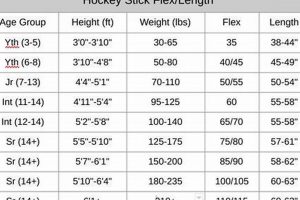
Tip 1: Prioritize Appropriate Sizing: Ensure the stick length corresponds to the player’s height. A stick that is too long or too short can impede technique and increase the risk of injury. Consult sizing charts and seek expert advice from coaches or retailers.
Tip 2: Consider Material Composition: Beginner players often benefit from composite sticks made of fiberglass, offering a balance of affordability and durability. More advanced players may require sticks incorporating carbon fiber for increased power and responsiveness.
Tip 3: Evaluate Bow Shape: The bow shape, or curve, of the stick influences ball control and hitting power. A shallower bow is generally recommended for beginners, facilitating easier handling, while more pronounced bows cater to specialized skills.
Tip 4: Assess Grip Thickness: A comfortable grip is essential for optimal control. Select a grip thickness that aligns with the player’s hand size. Experiment with different grip materials and overgrips to enhance comfort and tackiness.
Tip 5: Check Weight and Balance: A lighter stick allows for quicker stick-handling and improved maneuverability. Consider the balance point of the stick; a balanced stick offers better control and reduces fatigue.
Tip 6: Budget Accordingly: While performance benefits may be gained from higher-end sticks, prioritize affordability and durability, especially for younger players who may outgrow equipment quickly. Explore package deals and consider purchasing used equipment in good condition.
Tip 7: Emphasize Safety Features: Ensure that the selected stick meets safety standards and features a non-slip grip. Encourage the use of protective equipment, including mouthguards and shin guards, to minimize the risk of injury.
Adherence to these guidelines will facilitate a more enjoyable and safer experience for young field hockey players, promoting skill development and fostering a lifelong passion for the sport.
The following sections will provide information on maintaining youth equipment and recognizing when upgrades are necessary.
1. Size

The size of equipment directly impacts a young player’s ability to develop fundamental field hockey skills. A stick that is too long hinders proper technique, forcing the player to reach and compromising their stance. Conversely, a stick that is too short necessitates excessive bending, leading to discomfort and potential back strain. For example, if a 10-year-old uses a stick designed for a 14-year-old, their control and striking power will be significantly diminished, delaying skill acquisition and potentially causing incorrect muscle memory development. This underscores the critical importance of matching the stick’s length to the athlete’s height and developmental stage.
Precise sizing not only affects skill development but also plays a crucial role in injury prevention. Improperly sized equipment can lead to awkward movements and increased strain on joints, particularly in the back and shoulders. Numerous field hockey programs utilize sizing charts that correlate player height with recommended stick length. These charts provide a starting point, but individual adjustments may be necessary based on the player’s comfort and playing style. A coach’s guidance is invaluable in assessing proper fit and recommending adjustments, particularly for players who are between sizes.
In summary, selecting the appropriate size is paramount when choosing a field hockey stick for youth players. It directly influences skill development, reduces the risk of injury, and enhances the overall playing experience. While guidelines and charts offer valuable assistance, personalized assessment and expert guidance are essential to ensuring optimal fit. The investment in appropriately sized equipment lays the foundation for a young athlete’s success and enjoyment in the sport.
2. Weight

The weight of implements used by young field hockey players significantly impacts their ability to control the stick, develop fundamental skills, and sustain endurance throughout practices and games. An inappropriately heavy tool can impede technique and increase the risk of fatigue and injury. Thus, careful consideration of this factor is essential when selecting gear for young athletes.
- Maneuverability and Skill Development
A lighter option allows for quicker hand movements and improved stick-handling technique, facilitating the development of crucial skills such as dribbling, passing, and shooting. A heavier implement can hinder the player’s ability to execute these skills effectively, leading to frustration and potentially impeding their progress. For instance, a youth player using an adult-sized implement may struggle to quickly change direction or maintain control during fast-paced drills.
- Fatigue and Endurance
Using a heavier tool requires more energy expenditure, leading to premature fatigue and decreased performance, particularly during longer practices or games. This can affect a player’s ability to maintain concentration and execute skills effectively in the later stages of play. Therefore, selecting a weight appropriate for the player’s strength and stamina is crucial for optimizing their endurance and preventing burnout.
- Injury Prevention
Over time, repetitive movements with an excessively heavy tool can place undue stress on joints and muscles, increasing the risk of overuse injuries such as wrist sprains, elbow tendinitis, and shoulder strains. A lighter option reduces this risk by minimizing the strain on the musculoskeletal system. Proper weight selection is particularly important for younger players whose bodies are still developing and more susceptible to injury.
- Balance and Control
The overall balance of the equipment, in conjunction with its mass, affects control and feel. An evenly balanced, appropriately weighted stick provides a more stable platform for striking and receiving the ball. Poor balance, even with a lower overall mass, may still negatively affect control. The distribution of mass along the implement’s length, therefore, is a critical factor alongside overall mass.
In summary, careful attention to equipment weight is essential when outfitting young field hockey players. The appropriately weighted tool promotes skill development, reduces fatigue, minimizes the risk of injury, and enhances overall performance. Coaches, parents, and retailers should collaborate to ensure that young athletes are using gear that is properly sized and weighted to maximize their potential and enjoyment of the sport.
3. Material

The composition of a field hockey stick significantly influences its performance characteristics, durability, and suitability for youth players. Material selection directly impacts weight, power, feel, and overall longevity, thereby affecting a young athlete’s ability to develop skills and enjoy the sport safely.
- Wood
Historically, implements were predominantly constructed from wood, typically ash or mulberry. Wooden options offer a traditional feel and affordability, making them a common choice for beginners. However, wood is susceptible to moisture damage, cracking, and splintering, reducing its lifespan and potentially posing safety hazards. The relative lack of power compared to composite options also limits their suitability for more advanced players.
- Fiberglass
Fiberglass composite sticks offer an increased level of durability and power compared to wood, while remaining relatively affordable. Fiberglass is less susceptible to moisture damage and provides a more consistent feel. These sticks are a popular choice for intermediate-level youth players seeking improved performance without a significant increase in cost. The greater flexibility of fiberglass allows for better shock absorption, providing a more comfortable feel for some players.
- Carbon Fiber
Carbon fiber composites provide the highest level of stiffness, power, and responsiveness. Sticks incorporating carbon fiber allow for more forceful hits and enhanced ball control. These options are generally more expensive and are typically reserved for experienced youth players seeking a competitive edge. The increased stiffness can also translate to less shock absorption, potentially leading to discomfort for some players.
- Composite Blends
Many sticks utilize a blend of materials, such as fiberglass and carbon fiber, to optimize performance characteristics. These blends allow manufacturers to tailor the stick’s feel, power, and durability to specific playing styles and skill levels. For example, a stick might incorporate a higher percentage of fiberglass for increased flexibility and a smaller percentage of carbon fiber for enhanced power. These composite blends offer a balance of performance and affordability, making them a versatile choice for youth players of various skill levels.
The selection of materials is therefore a critical consideration when choosing implements for young field hockey players. The ideal material will balance performance, durability, affordability, and safety, allowing the player to develop their skills effectively and enjoy the sport to its fullest potential. Careful consideration of these factors will ensure that the chosen equipment supports the young athlete’s development and minimizes the risk of injury.
4. Bow Shape

The curvature, or bow, along the shaft of implements used by young field hockey players is a crucial design element that significantly influences their ability to execute various skills. The selection of an appropriate bow shape is, therefore, a key consideration when choosing equipment tailored for this demographic.
- Standard Bow
The standard bow, characterized by a minimal and gradual curve, is generally recommended for beginner and younger athletes. This design promotes ease of learning fundamental skills such as hitting, pushing, and receiving the ball, as it offers a more forgiving contact area. Its relative straightness allows for more consistent control and reduces the likelihood of mis-hits, particularly beneficial for those developing their technique.
- Mid Bow
A mid bow features a more pronounced curve located near the middle of the shaft. This shape facilitates improved ball control during dribbling and allows for more powerful sweeping motions. It suits intermediate-level players who have mastered basic skills and are beginning to explore more advanced techniques. The increased curve aids in lifting the ball more easily, which is valuable for aerial passes and shots on goal.
- Low Bow
The low bow, with the most extreme curvature positioned near the head of the stick, is designed for advanced players specializing in drag-flicking and 3D skills. This shape enables players to generate maximum power and lift when performing drag flicks, a technique commonly used in penalty corners. However, the low bow requires a high degree of skill and precision, making it unsuitable for beginners or younger players who have not yet developed the necessary technique.
- Considerations for Youth
When selecting a bow shape for young players, prioritizing ease of use and skill development is paramount. A standard or mid bow will generally be more appropriate for beginners and intermediate-level players, allowing them to master fundamental techniques without being hindered by an overly aggressive curve. Introducing a low bow too early can impede skill development and potentially lead to frustration. The decision should be based on the athlete’s skill level, playing style, and coaching guidance. Choosing implements with the right bow shape is vital in optimizing the skills of children’s field hockey.
In conclusion, the bow shape directly impacts a youth field hockey player’s ability to learn and execute various skills. The selection of an appropriate bow should be based on their skill level and playing style, with a focus on promoting fundamental skill development and ensuring a positive playing experience. The optimal choice balances the need for skill enhancement with the demands for children learning hockey.
5. Grip
Grip, in the context of youth field hockey implements, refers to the material wrapped around the handle of the stick, serving as the primary point of contact between the player and their equipment. The properties of the grip significantly influence control, comfort, and overall performance for young athletes.
- Thickness and Diameter
Grip thickness is crucial for young players, whose hand sizes differ from those of adults. A grip that is too thick can hinder dexterity and control, while one that is too thin may lead to discomfort and inadequate grip strength. Correct diameter ensures that young athletes can maintain a secure hold without excessive strain. For instance, a grip diameter appropriate for a small hand will reduce the effort required to maintain control, leading to improved stick-handling and reduced fatigue.
- Material and Texture
The material composition and texture of the grip directly impact its tackiness and moisture-wicking properties. Grips constructed from synthetic materials like polyurethane or rubber provide enhanced grip even in wet or humid conditions. Textured surfaces, such as raised patterns or perforations, further improve grip and prevent slippage. This is particularly important for youth players, who may be more prone to sweaty hands, ensuring consistent control during gameplay.
- Cushioning and Comfort
Adequate cushioning is essential for minimizing vibrations and providing comfort during extended use. Grips with sufficient padding reduce the impact on the player’s hands and wrists, preventing fatigue and minimizing the risk of injury. This is particularly relevant for youth players, whose developing musculoskeletal systems are more susceptible to strain. Comfortable grip enhances focus and enjoyment of the sport.
- Replacement and Maintenance
Grips wear down over time due to usage and exposure to the elements. Regular replacement of worn grips is essential for maintaining optimal performance and safety. Worn grips can become slippery, reducing control and increasing the risk of dropping the stick. Routine cleaning and maintenance can extend the life of the grip and ensure its continued effectiveness. Educating young players about proper grip maintenance instills good habits and promotes responsible equipment care.
In summary, the selection and maintenance of the grip are critical aspects of youth field hockey equipment. Proper grip thickness, material, cushioning, and timely replacement contribute to improved control, comfort, and safety, enabling young athletes to develop their skills and enjoy the sport to their full potential. Prioritizing these factors ensures a positive and productive playing experience.
6. Budget

Financial constraints significantly influence the selection of equipment for young field hockey players. The cost of sticks, protective gear, and other necessary items can represent a substantial investment for families. This financial reality often dictates the type and quality of implements available to young athletes, impacting their access to potentially performance-enhancing equipment. For example, a family with limited resources may opt for a less expensive wooden or fiberglass stick, while a family with a larger budget might choose a higher-end carbon fiber composite model. The availability of financial assistance programs and equipment drives can mitigate these disparities to some extent.
Price variations within the youth equipment market stem from factors such as material composition, brand reputation, and technological advancements. Sticks constructed from composite materials, such as carbon fiber, generally command a higher price due to their enhanced power and durability. However, such sticks may not always be necessary or appropriate for beginners, highlighting the importance of aligning equipment choices with skill level and developmental needs. Furthermore, retailers often offer package deals that bundle sticks with essential protective gear, providing a more cost-effective solution for families on a budget. Comparing prices across different retailers and exploring second-hand options can also help reduce expenses.
In summary, budgetary considerations play a critical role in determining the type and quality of equipment accessible to young field hockey players. While higher-priced sticks may offer performance advantages, prioritizing appropriate sizing, material composition, and safety features within a given budget is paramount. Exploring cost-saving strategies, such as package deals and second-hand options, can further enhance affordability. The goal is to provide young athletes with the equipment they need to participate safely and effectively in the sport, regardless of financial limitations.
Frequently Asked Questions
The following questions address common concerns and misconceptions surrounding equipment choices for young field hockey players. The aim is to provide clarity and guidance for parents, coaches, and athletes.
Question 1: At what age should a young player transition from a wooden stick to a composite model?
The transition from wooden to composite construction depends more on skill level and physical development than solely on age. Once a player has mastered basic skills and demonstrates sufficient strength to handle a lighter, more powerful stick, a composite model may be considered. Consultation with a coach is advisable.
Question 2: How does the bow shape affect performance for youth players?
The bow shape influences ball control and striking technique. A standard or slight mid-bow is generally recommended for beginners, as it facilitates easier handling and striking. More pronounced bows are better suited for advanced players executing specialized skills like drag-flicking.
Question 3: What is the recommended weight range for equipment designed for youth players?
The ideal weight varies based on age, strength, and skill level. A lighter stick allows for quicker hand movements and improved stick-handling. As a general guideline, younger players should opt for lighter options, gradually increasing the weight as they develop strength and coordination.
Question 4: How often should a youth player replace their grip?
Grips should be replaced when they become worn, slippery, or damaged. A worn grip compromises control and increases the risk of dropping the implement. The frequency of replacement depends on usage and environmental conditions but should be inspected regularly.
Question 5: Are more expensive sticks always better for young players?
A higher price does not necessarily equate to improved performance for youth players. While more expensive sticks may offer advanced features and materials, prioritizing proper sizing, weight, and material composition appropriate for the player’s skill level is more crucial. Consider focusing on the basic requirements.
Question 6: How can parents ensure their child’s stick is properly sized?
The stick should reach approximately to the player’s hip bone when standing upright. Sizing charts that correlate height with recommended length are available, but a coach’s assessment is recommended for optimal fit and individual adjustments. A stick can be measured alongside player in the upright position.
Proper equipment selection is essential for fostering skill development and ensuring safety in young field hockey players. Prioritizing proper fit, weight, and material based on skill level is more important than simply opting for the most expensive option.
The next section will address common maintenance practices to help extend the life of the equipments.
Conclusion
The foregoing discussion has explored key considerations in selecting field hockey sticks youth, including size, weight, material, bow shape, grip, and budget. Each of these factors plays a crucial role in optimizing performance, preventing injuries, and fostering skill development among young athletes. A thorough understanding of these elements is essential for making informed equipment choices.
Continued advancements in material science and design will likely yield even more specialized and tailored youth equipment in the future. Prioritizing safety and skill-appropriate features remains paramount. Informed decisions, grounded in a comprehensive understanding of these key factors, will contribute significantly to the positive development and enjoyment of the sport for young players, and for the next level of field hockey.