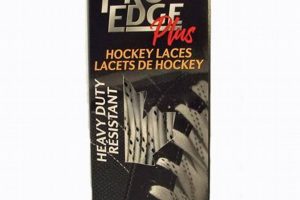
The application of adhesive-backed textured material to a hockey stick handle, specifically designed to enhance a player’s hold. This modification, frequently observed at both amateur and professional levels, provides a non-slip surface. An example includes applying a specialized, fabric-based strip around the upper portion of a composite stick to prevent slippage during shooting and stickhandling.
The practice offers several advantages. Improved control over the stick directly translates to enhanced puck handling and shot accuracy. The resulting secure grip can reduce fatigue by lessening the need for a tight hold. Historically, alternatives like traditional cloth tape were prevalent, however, the advanced material offers superior longevity and moisture resistance. Its impact on performance and comfort is considerable, contributing significantly to the overall playing experience.
Consequently, subsequent discussions will elaborate on the different types of materials available, proper application techniques for optimal performance, and considerations for selecting the most suitable option based on individual player preferences and playing styles. Furthermore, we will address its impact on stick weight and balance, and offer tips for maintenance and longevity.
Essential Considerations
This section presents crucial guidelines for optimizing hockey stick grip through specialized tape application, ensuring enhanced performance and durability.
Tip 1: Material Selection: Prioritize grip material formulated for hockey, which offers superior moisture resistance and adhesive strength compared to generic alternatives. For example, consider a textured, synthetic fabric blend designed specifically for hockey sticks.
Tip 2: Surface Preparation: Ensure the stick handle is clean and dry before application. Residue from previous tape or other substances can compromise adhesion. Use a solvent-based cleaner if necessary, followed by thorough drying.
Tip 3: Tension Management: Apply with consistent tension to prevent bunching or wrinkling, which can create uneven surfaces and reduce grip effectiveness. Overlapping each wrap slightly, approximately one-quarter of the tape width, is recommended.
Tip 4: Overlap Minimization at Butt End: When reaching the butt end of the stick, avoid excessive overlap to maintain a smooth, consistent feel and prevent discomfort during glove contact. Taper the material gradually as it approaches the end.
Tip 5: Secure the Ends: Firmly press the end of the tape to ensure a secure bond. Consider using a small piece of electrical tape over the end to further prevent unraveling, particularly in high-wear areas.
Tip 6: Reapplication Frequency: Regularly inspect the grip for wear and tear. Reapply when the material loses its texture or adhesion to maintain optimal control. The frequency depends on usage and environmental conditions.
Tip 7: Proper Storage: Store hockey sticks in a cool, dry place when not in use to prevent premature degradation of the adhesive and material. Extreme temperatures can negatively affect the tape’s performance.
Adhering to these recommendations promotes a secure and comfortable hold on the hockey stick, facilitating enhanced puck control and shooting accuracy, ultimately contributing to improved on-ice performance.
The following sections will provide further insights into advanced application techniques and customized configurations for diverse playing styles and preferences.
1. Material Composition

The composition of the material used for hockey stick grip enhancement directly influences player control, comfort, and the tape’s overall lifespan. Material selection represents a critical factor in achieving optimal performance.
- Fabric Blends
Blends incorporate natural fibers such as cotton with synthetic components like polyester or nylon. Cotton provides initial comfort and absorption, while synthetics enhance durability and resistance to abrasion. A common example involves a cotton-polyester blend offering a balance between tactile feel and long-term resilience against sweat and friction.
- Synthetic Polymers
These materials, including polyurethane and specialized elastomers, offer superior grip and moisture resistance. These materials are generally more durable and less prone to degradation due to moisture compared to natural fibers. An example includes textured polyurethane tape designed to maintain a secure hold even when wet.
- Adhesive Properties
The adhesive backing’s composition is integral. Acrylic adhesives offer a strong, long-lasting bond to the stick shaft, while rubber-based adhesives provide flexibility and conformability. A high-quality acrylic adhesive ensures the tape remains firmly attached throughout intense gameplay, preventing slippage and maintaining a consistent grip.
- Textural Enhancements
The surface texture, whether achieved through embossing, coatings, or incorporated fibers, impacts the tactile feel and grip coefficient. A slightly raised texture increases friction between the player’s gloves and the stick, further enhancing control. For example, some tapes feature a diamond-patterned embossing to maximize grip without compromising comfort.
Consideration of these material characteristics is paramount in selecting a solution that effectively enhances a player’s hold on the hockey stick. Variations in composition directly correlate with performance outcomes, impacting puck control, shot accuracy, and overall playing experience.
2. Application Technique

Effective hockey stick grip enhancement is fundamentally linked to the application technique employed. The method of applying the material directly influences its functionality, longevity, and overall impact on player performance. A poorly executed application can negate the benefits of even the highest-quality material, resulting in a compromised grip, premature wear, and reduced stick control. For instance, applying the material with insufficient tension can cause bunching and slippage during play, hindering the player’s ability to maintain a secure hold. Conversely, excessive tension during application may stretch or distort the material, leading to decreased durability and potential failure.
The standard technique involves a spiral wrap, overlapping each layer by approximately one-quarter to one-half of the material’s width. Maintaining consistent tension throughout the wrapping process is crucial for creating a uniform surface. Starting from the butt end of the stick and working downwards prevents the tape from unraveling during use. An alternative application method involves a segmented approach, where short strips of the material are applied strategically to high-contact areas, such as the upper portion of the shaft near the hands. This approach can be beneficial for players seeking a more minimalist feel or those who prefer localized grip enhancement. Securing the ends of the tape with additional adhesive, such as electrical tape, is essential to prevent fraying and ensure a secure finish. The specific application method should be tailored to the individual player’s preferences and playing style.
In summary, application technique constitutes a vital component of the process. Proper execution directly affects the material’s ability to provide a secure, comfortable, and durable grip. Mastering the correct technique is essential for maximizing the benefits of the applied material and ultimately enhancing on-ice performance. Recognizing the nuances and adapting the method to individual needs ensures a customized and effective solution. Overlooking this aspect diminishes the overall potential of the practice.
3. Thickness Preference

Thickness preference, in the context of hockey stick grip modification, represents a key ergonomic consideration that directly impacts a player’s tactile feedback, stick handling precision, and overall comfort. The selected thickness of the applied material influences the feel of the stick in the player’s hands, affecting the sensitivity and control exerted during gameplay.
- Tactile Sensitivity and Puck Feel
A thinner application maximizes tactile sensitivity, allowing the player to maintain a heightened awareness of the puck’s position and movement. This enhances fine motor control during stick handling, passing, and shooting. For example, a professional player who relies on quick dekes and intricate puck maneuvers may opt for a thin material to preserve a direct connection with the stick.
- Grip Size and Hand Comfort
Increased thickness alters the circumference of the stick handle, potentially improving comfort for players with larger hands or those who prefer a more substantial grip. A thicker application can also reduce hand fatigue by providing a more cushioned interface between the stick and the player’s gloves. Conversely, an excessively thick grip may diminish dexterity and control.
- Impact Absorption and Vibration Dampening
A thicker application can offer enhanced impact absorption, mitigating the transmission of vibrations from the ice and the puck to the player’s hands. This can be particularly beneficial for players who frequently block shots or engage in physical play, reducing the risk of hand and wrist injuries. For instance, a defensive player who regularly absorbs forceful impacts may select a thicker material for added protection.
- Material Durability and Wear Resistance
Increased thickness can contribute to enhanced durability and wear resistance, prolonging the lifespan of the applied modification. A thicker layer of material provides a more robust barrier against abrasion and tearing, particularly in high-wear areas. However, excessively thick applications may also add unnecessary weight to the stick, potentially affecting swing speed and balance.
The optimal thickness constitutes a balance between tactile sensitivity, comfort, impact absorption, and durability. Selecting the appropriate thickness depends on individual player preferences, hand size, playing style, and performance requirements. The selection process should involve careful consideration of the trade-offs associated with varying levels of thickness to achieve a customized grip configuration that optimizes control and playing experience.
4. Durability Expectations

The anticipated lifespan of adhesive grip modifications on hockey stick handles directly influences material selection and application techniques. Demands arising from frequent use, varying environmental conditions, and intensity of play dictate the level of wear resistance required. Higher durability expectations necessitate the employment of specialized materials and meticulous application procedures. For example, a professional hockey player, subjecting the grip to daily rigorous use in varying climates, demands significantly greater resistance to abrasion, moisture, and adhesive failure than an amateur player engaging in occasional recreational games.
A disconnect between durability expectations and material properties leads to compromised stick control and increased maintenance frequency. Premature wear of the adhesive surface results in slippage, impacting puck handling precision and shooting accuracy. For instance, employing a standard cloth-based adhesive tape, designed for minimal use, on a stick subjected to the stresses of competitive hockey invariably leads to rapid degradation and necessitates frequent replacement. The application of synthetic, moisture-resistant materials, designed for prolonged adhesion and resistance to wear, mitigates the need for constant reapplication. Factors such as the quality of the adhesive backing, the material’s resistance to tearing, and its ability to maintain its grip texture under stress are crucial determinants of longevity.
Meeting realistic durability expectations relies on a holistic approach encompassing appropriate material selection, meticulous application, and preventative maintenance. This approach minimizes material failures. Assessing playing frequency, environmental factors, and the level of physical contact involved provides a basis for selecting the appropriate material. Consistent monitoring of the grip surface and timely reapplication are crucial in maintaining optimal stick control and preventing premature wear-related performance degradation. The selection criteria should consider the trade-offs between initial cost and long-term value, factoring in the frequency of replacement and the potential impact on performance.
5. Adhesive Strength
Adhesive strength represents a critical determinant of performance and longevity in hockey stick grip enhancements. The integrity of the bond between the grip material and the stick shaft directly influences a player’s ability to maintain consistent control during gameplay. Inadequate adhesive strength leads to slippage, particularly under the strain of rapid hand movements, powerful shots, and varying environmental conditions, such as temperature and humidity. For instance, a player attempting a wrist shot may experience diminished control if the grip material detaches, even marginally, from the stick. This slippage disrupts tactile feedback and reduces the player’s ability to accurately direct the puck.
The selection of appropriate adhesive formulations is paramount. High-quality acrylic adhesives offer superior shear strength and resistance to environmental degradation compared to lower-grade alternatives. Improper surface preparation prior to application also compromises adhesive performance. Residue, moisture, or uneven surfaces impede the formation of a strong bond. Thorough cleaning and drying of the stick shaft is essential to ensure optimal adhesion. Application techniques also play a role. Applying excessive tension during wrapping can create stress points that weaken the adhesive bond. Conversely, insufficient pressure may result in incomplete contact between the material and the stick. As an example, a player experiencing grip failure after only a few uses may trace the problem to either inferior adhesive quality or improper application practices.
Ultimately, adhesive strength is not merely a technical specification but a functional necessity. Compromised adhesion diminishes player performance and increases the frequency of grip material replacement. Therefore, a comprehensive approach, encompassing careful material selection, meticulous surface preparation, and proper application techniques, is essential for maximizing the benefits of hockey stick grip modifications. Understanding this relationship is crucial for both players and equipment manufacturers seeking to optimize stick handling and shooting accuracy. The investment in higher-quality adhesives and refined application processes translates directly into improved on-ice performance and reduced equipment maintenance costs.
Frequently Asked Questions About Hockey Stick Grip Modification
This section addresses common inquiries regarding the application of adhesive materials to enhance hockey stick grip, providing clarity on best practices and dispelling potential misconceptions.
Question 1: What constitutes optimal grip tape selection for a composite hockey stick?
Optimal selection necessitates a material formulated specifically for composite surfaces, exhibiting high tensile strength, moisture resistance, and a non-abrasive texture. Avoid materials designed for wooden sticks, as they may lack the adhesive properties required for composite materials.
Question 2: How frequently should grip tape be reapplied on a hockey stick utilized in competitive play?
Reapplication frequency depends on usage intensity and environmental conditions. A visual inspection prior to each game is recommended. Reapplication is warranted upon observation of fraying, reduced tackiness, or noticeable wear that compromises grip integrity.
Question 3: Can grip tape application negatively impact the balance point of a hockey stick?
Excessive application, particularly with thick or heavy materials, can alter the balance point, shifting the weight distribution. Minimize this effect by using a lightweight material and applying it sparingly, focusing on key grip areas rather than the entire shaft.
Question 4: What are the recommended cleaning procedures for a grip tape-enhanced hockey stick?
Avoid harsh solvents or abrasive cleaners, which can degrade the adhesive and compromise the material’s texture. A damp cloth with mild detergent is sufficient for removing dirt and residue. Ensure the grip is thoroughly dried before storage or subsequent use.
Question 5: Are there specific regulations governing the use of grip tape in professional hockey leagues?
While specific regulations may vary across leagues, generally, grip tape is permissible as long as it does not pose a safety hazard or unduly alter the stick’s dimensions. Consult the governing body’s rulebook for definitive guidelines.
Question 6: Does grip tape application affect the resale value of a used hockey stick?
Proper application and maintenance generally do not negatively impact resale value. However, excessive or poorly executed application, resulting in sticky residue or damage to the stick shaft, can diminish its marketability. Removal of the adhesive prior to sale may be advisable.
In summary, informed selection, diligent maintenance, and adherence to established best practices are crucial for maximizing the benefits of grip tape application while minimizing potential drawbacks. Consideration of these factors ensures optimal performance and longevity.
The following section will address advanced techniques and customization strategies for grip modification.
Grip Tape Hockey
The preceding analysis has illuminated the multifaceted aspects of hockey stick grip enhancement. Material selection, application technique, thickness preference, durability expectations, and adhesive strength have been identified as critical factors influencing player performance and equipment longevity. A thorough understanding of these parameters facilitates informed decision-making and optimized stick handling capabilities. Improper grip modification can impede player development and potentially compromise on-ice safety.
The information presented serves as a foundation for further exploration and refinement. Continued innovation in material science and application methodologies promises enhanced performance and reduced equipment maintenance demands. Players, coaches, and equipment managers are encouraged to critically evaluate existing practices and embrace evidence-based approaches to optimize stick grip for competitive advantage. Adherence to these principles ensures both performance enhancement and the prolonged usability of valuable equipment.