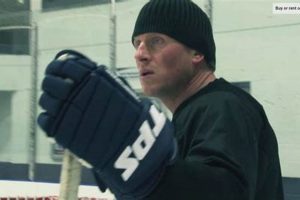
A modern approach to ice hockey prioritizes enhanced skating techniques, focusing on maximizing agility, speed, and edge control. This methodology emphasizes efficient stride mechanics, powerful turns, and rapid transitions, enabling players to gain a competitive advantage. For example, a player utilizing these principles can execute tighter turns, accelerate more quickly out of corners, and maintain balance under pressure more effectively.
The integration of these advanced skills offers significant benefits, including improved puck possession, enhanced offensive creativity, and superior defensive positioning. Historically, hockey training focused primarily on raw strength and endurance. However, this contemporary methodology represents a shift towards more refined, technically sophisticated development, leading to greater on-ice effectiveness and reduced risk of injury by promoting efficient movement patterns.
The following discussion will delve into specific skating drills designed to cultivate these advanced proficiencies, explore the biomechanical principles underlying optimal performance, and examine how these concepts are being implemented across various levels of the sport to foster the next generation of elite athletes.
Skating Performance Enhancement
The ensuing recommendations offer actionable strategies to improve skating efficiency and overall on-ice performance. These guidelines focus on technique refinement and physical conditioning, providing a framework for consistent progress.
Tip 1: Optimize Stride Length. A longer, more powerful stride covers greater distances with each push-off. Focus on full leg extension during the stride and complete recovery before the next stride begins. An example is filming skating sessions and analyzing stride length in relation to speed.
Tip 2: Maximize Edge Engagement. Proper utilization of edges is crucial for agility and control. Practice drills that emphasize inside and outside edge work, ensuring consistent pressure and angle. A practical drill involves performing tight turns around cones, concentrating on maintaining balance and speed.
Tip 3: Develop a Strong Core. Core strength provides stability and allows for efficient transfer of power from the legs to the upper body. Incorporate exercises such as planks, Russian twists, and medicine ball throws into the training regimen. This enables more powerful shots and better balance during physical contact.
Tip 4: Refine Crossover Technique. Efficient crossovers are essential for generating speed in turns. Focus on maintaining a low center of gravity, a wide base of support, and a smooth, continuous motion. Repetitive practice of crossover drills, both with and without the puck, is necessary.
Tip 5: Enhance Ankle Flexibility. Ankle flexibility allows for a greater range of motion and more efficient edge engagement. Regular stretching and mobility exercises targeting the ankles are vital. Specifically, ankle rotations and calf stretches can significantly improve skating agility.
Tip 6: Practice Backward Skating Regularly. Backward skating is crucial for defensive play. Concentrate on maintaining a low stance, using powerful strides, and keeping the head up to scan the ice. Consistent repetition of backward skating drills, including transitions to forward skating, is essential.
Tip 7: Integrate Plyometric Training. Plyometric exercises, such as jump squats and box jumps, can improve explosiveness and power in skating strides. Include these exercises in off-ice training to enhance on-ice performance. The benefits are realized in faster acceleration and increased skating speed.
These guidelines underscore the importance of technical proficiency and physical conditioning for achieving superior skating performance. Consistent application of these principles will yield significant improvements in on-ice effectiveness.
The subsequent sections will delve further into the specific training methodologies used to implement these guidelines and maximize player development.
1. Enhanced Skating Mechanics and New Edge Hockey

Enhanced skating mechanics are foundational to a modern hockey approach. A focus on efficiency, agility, and power defines the evolution of player development. This emphasis transcends traditional skill sets, embedding itself as a critical component for success.
- Stride Efficiency and Power Generation
Optimal stride length, frequency, and power transfer are paramount. Efficient strides minimize energy expenditure while maximizing speed and acceleration. For example, biomechanical analysis of elite skaters reveals a consistent correlation between stride length, hip extension, and resulting velocity. In the context, efficient striding facilitates quicker transitions and improved puck pursuit.
- Edge Control and Agility
Mastery of edge work enables rapid changes in direction and increased maneuverability. Inside and outside edge control contributes to stability and agility during gameplay. Players exhibiting superior edge control can execute sharper turns and maintain balance under pressure. This element enables greater puck protection and evasion of opposing players, thereby contributing to greater offensive opportunities.
- Balance and Stability
Maintaining balance under duress is vital for sustaining puck possession and executing plays effectively. A strong core and lower body provide the stability needed to withstand physical contact and maintain skating posture. For instance, a player maintaining a low center of gravity can absorb impacts and remain on their feet, resulting in sustained control and preventing turnovers. In a fast-paced game, a moment gained can change momentum.
- Transitional Skating
Seamless transitions between forward and backward skating, as well as lateral movements, are critical for both offensive and defensive effectiveness. Quick transitions enable players to react rapidly to changes in game dynamics. A skater adept at transitional skating can quickly shift from offense to defense, cutting off passing lanes and disrupting scoring chances. Transition mastery also provides for offensive breakouts and counterattacks.
The facets described are crucial for the implementation and realization of ‘new edge hockey’. The continual refinement and enhancement of skating fundamentals is therefore a central tenet of contemporary hockey training, ultimately influencing team success. Continual analysis and optimization are the keys to sustaining and improving performance.
2. Puck Possession Dominance

The principle of puck possession dominance is inextricably linked to a modernized approach to ice hockey. A team’s ability to maintain control of the puck is not merely a statistic but a fundamental driver of offensive opportunities, defensive stability, and overall game control. This facet becomes increasingly crucial within the framework, where agility, speed, and tactical awareness are paramount. The capacity to cycle the puck effectively, maintain possession in the offensive zone, and execute controlled breakouts directly translates to more scoring chances and fewer defensive liabilities. Consider, for instance, the strategic successes of teams that prioritize puck management: these teams consistently exhibit higher shooting percentages, fewer turnovers, and a greater proportion of time spent in the offensive zone, dictating the pace and flow of the game.
Effective puck possession hinges on several key factors integrated within a modernized system. Foremost among these are superior skating skills, enabling players to outmaneuver opponents and maintain control even under pressure. Tactical awareness allows for intelligent puck distribution and support, facilitating smooth transitions and breaking down defensive formations. Passing accuracy minimizes turnovers and ensures sustained control. Furthermore, a team that demonstrates a commitment to puck protection, shielding the puck from opponents and winning puck battles along the boards, can effectively extend possessions and wear down the opposing team. Teams such as those adopting European-style hockey philosophies, emphasizing short, precise passes and relentless puck pursuit, often exemplify this approach, illustrating how enhanced possession translates to sustained pressure and scoring opportunities.
Therefore, the pursuit of puck possession dominance is not merely an adjunct to “new edge hockey” but an integral component. Strategies designed to maximize possession from advanced skating drills to sophisticated passing schemes are pivotal. By integrating puck possession as a central tenet, teams can effectively control the games narrative, enhancing their prospects for success. However, challenges such as adapting to various ice surfaces, countering aggressive forechecking strategies, and integrating new players into possession-based systems remain constant considerations. This principle reinforces the emphasis on comprehensive player development to optimize overall team performance.
3. Tactical Adaptability
Tactical adaptability, within the context of a modern hockey approach, represents a team’s capacity to modify its strategies and gameplay in response to evolving circumstances. This responsiveness extends beyond pre-game planning and necessitates real-time adjustments based on opponent behavior, score dynamics, and personnel matchups. This concept is a cornerstone: without the ability to react and reshape strategic alignment, teams may encounter strategic stagnancy and, ultimately, reduced effectiveness. Consider, for instance, a situation in which a team’s initial forechecking system is consistently negated by the opposing team’s defensive breakout. In a non-adaptive environment, the initial strategy would persist, leading to continued failure. Conversely, a team exhibiting tactical adaptability would recognize the ineffectiveness, adjust its forechecking pressure, and explore alternative strategies to disrupt the breakout, such as shifting pressure points or employing different zone coverage schemes. The emphasis shifts towards a nuanced awareness of the game state.
The practical significance lies in a team’s ability to exploit opponent weaknesses and mitigate its own vulnerabilities. A team encountering aggressive penalty killing can adapt by modifying its power-play setup, utilizing different passing lanes, or deploying personnel with specialized skill sets to challenge the aggressive defenders. Similarly, if a specific defensive pairing is struggling to contain an opposing forward line, an adaptive coach would adjust line matchups, modify defensive zone coverage, or alter the team’s overall defensive strategy to neutralize the threat. In elite competitions, small adjustments often determine the outcome, with successful adaptations disrupting opponent momentum and creating scoring opportunities. Furthermore, tactical adaptability extends to player development, fostering a mindset of continuous learning and improvement. Players capable of quickly assimilating new strategies and adapting to different roles provide a team with increased flexibility and strategic depth.
In summary, tactical adaptability is an indispensable attribute of a modern hockey program. The correlation with effective systems underscores the value of strategic flexibility in achieving success. Teams that prioritize adaptation, through diligent scouting, real-time analysis, and a culture of continuous learning, position themselves to navigate the dynamic challenges of the game and maximize their potential. Overcoming resistance to change within a team or difficulties in implementing new strategies during critical moments poses a challenge to adaptability. However, integrating adaptability into core values becomes a potent indicator of competitiveness.
4. Precision Passing Acumen

Within the framework of a modern hockey paradigm, precision passing acumen represents a critical skill set, intricately linked to offensive effectiveness and overall team performance. The emphasis on speed, agility, and tactical execution inherent demands accurate and efficient puck distribution to exploit scoring opportunities and maintain possession. The confluence of these capabilities becomes the basis of competitive advantage.
- Targeted Passing Accuracy
Targeted passing accuracy denotes the ability to consistently deliver the puck to a specific location on the ice, enabling teammates to receive passes cleanly and maintain momentum. This element is especially crucial during high-speed transitions and in congested areas, where even slight deviations in pass trajectory can result in turnovers. A power play unit that consistently executes accurate cross-ice passes, for example, can effectively stretch the penalty kill formation, creating scoring lanes and maximizing offensive pressure.
- Effective Passing Velocity
Effective passing velocity relates to the ability to modulate the speed of a pass based on the distance, receiving player’s speed, and defensive pressure. A pass delivered with insufficient velocity may be intercepted or disrupted, while a pass delivered with excessive force may be difficult to handle. The ability to adapt pass velocity demonstrates strategic decision-making and a refined understanding of game dynamics. For example, a quick, hard pass across the offensive zone can create a scoring chance, while a softer, more deliberate pass can facilitate a zone exit.
- Passing Under Pressure
Passing under pressure refers to the capacity to execute accurate and timely passes while being subjected to physical contact or defensive pressure. This element requires composure, vision, and quick decision-making skills. A player capable of making crisp passes under duress can maintain possession and create offensive opportunities even when tightly checked. For example, a forward who can accurately pass the puck while absorbing a hit from a defender demonstrates resilience and enhances the team’s ability to sustain offensive pressure.
- Situational Awareness in Passing
Situational awareness in passing denotes the ability to recognize the positioning of teammates, opponents, and open ice in order to make informed passing decisions. This aspect requires a comprehensive understanding of the game’s spatial dynamics and a keen awareness of evolving tactical situations. For instance, a defenseman who anticipates a teammate breaking out of the defensive zone and executes a long, accurate stretch pass demonstrates a high level of situational awareness, creating a breakaway scoring opportunity.
These components collectively underscore the critical role of precision passing acumen . Modern systems demand players capable of executing accurate, timely, and effective passes under a variety of challenging conditions. Development of these skills is central to fostering offensive potency and overall team effectiveness.
5. Strategic Zone Awareness

Strategic zone awareness is a critical component. It dictates the ability of players and units to effectively interpret and react to spatial relationships within the playing area. This awareness includes recognizing optimal positioning relative to teammates, opponents, and the puck, as well as anticipating developing plays and effectively managing space in all three zones. A team lacking strategic zone awareness often exhibits poor spacing, ineffective puck support, and vulnerability to opposition attacks. An example is a defensive breakdown in the neutral zone, where forwards fail to track back adequately, leaving defensemen exposed to an odd-man rush. The cause is a deficit in the comprehension of positional responsibilities and the effect is a high-quality scoring chance for the opposition. Therefore, a sophisticated awareness of positional dynamics is a requisite for modern hockey.
The importance of strategic zone awareness becomes further pronounced when considering its impact on puck possession and offensive generation. Teams with a high level of understanding regarding zonal play are more capable of executing controlled zone entries, establishing offensive pressure, and creating scoring opportunities through calculated puck movement and player rotations. Real-life examples can be observed in teams that consistently utilize effective forechecking systems to disrupt opposing breakouts and generate turnovers in the offensive zone. These teams exhibit coordinated forechecking patterns, with forwards strategically angling opponents towards specific areas of the ice to initiate puck battles and regain possession. Conversely, teams lacking this understanding struggle to maintain possession, frequently yielding turnovers and failing to generate sustained offensive pressure. As such, a refined sense of spatial dynamics is paramount for modern, possession-oriented hockey.
In conclusion, strategic zone awareness is not merely a supplementary skill but an integral element within the broader framework. Its practical significance stems from its ability to enhance both offensive and defensive effectiveness, optimize puck possession, and create scoring opportunities. The challenges surrounding the cultivation of strategic zone awareness include the need for consistent coaching, repetitive drills that emphasize positional play, and the development of players’ analytical and decision-making skills. However, teams that successfully integrate this facet into their tactical approach are positioned to achieve a distinct competitive advantage. As systems evolve, the emphasis on cognitive abilities will continue to grow, shaping the landscape of player development.
6. Dynamic Player Development

Dynamic player development represents a continuous and adaptive process centered on the evolution of an athlete’s skills, knowledge, and physical capabilities. In relation to modern ice hockey, this methodology transcends traditional, static training regimes, emphasizing individualized approaches, data-driven analysis, and a commitment to lifelong learning. It’s not a discrete stage but an ongoing, iterative process designed to optimize an athlete’s potential throughout their career.
- Individualized Training Programs
Individualized training programs address the unique needs and skill gaps of each player, accounting for factors such as position, playing style, and physical attributes. Rather than applying a uniform training protocol to all athletes, these programs utilize detailed performance data to identify areas for improvement and tailor training interventions accordingly. A defenseman struggling with puck retrieval might benefit from targeted drills focused on skating agility and puck control, while a forward seeking to enhance their shooting accuracy might engage in specialized shooting practice with video analysis feedback. The implications in ‘new edge hockey’ are substantial: creating a more well-rounded team.
- Integration of Technology and Analytics
The integration of technology and analytics transforms traditional assessment methods, providing objective and granular insights into player performance. Wearable sensors, video analysis software, and statistical modeling offer quantifiable data on skating efficiency, puck handling skills, and decision-making processes. By analyzing this data, coaches and trainers can identify patterns, optimize training strategies, and track progress over time. For example, real-time feedback during practice can correct errors in skating mechanics, while post-game analysis can reveal patterns in player positioning or puck distribution. By having this information, changes can be made for the better.
- Emphasis on Cognitive Skills
An emphasis on cognitive skills underscores the importance of developing players’ decision-making capabilities, tactical awareness, and problem-solving abilities. This involves incorporating drills and exercises that simulate game-like situations, requiring players to process information rapidly and make informed choices under pressure. For instance, small-area games and tactical simulations challenge players to anticipate opponent movements, recognize scoring opportunities, and execute effective plays. The development of cognitive acumen enhances players’ on-ice intelligence and adaptability. In conjunction with training, players’ intelligence will continue to grow.
- Continuous Feedback and Adaptation
Continuous feedback and adaptation involve ongoing communication between players, coaches, and trainers, fostering a culture of self-reflection and continuous improvement. Regular performance evaluations, video reviews, and open dialogue provide opportunities for players to identify areas for growth, refine their techniques, and adjust their strategies accordingly. This iterative process ensures that training programs remain responsive to players’ evolving needs and the demands of the game. Athletes who embrace this mindset demonstrate a greater capacity for learning, adaptation, and sustained high performance. They also prove their ability to thrive in dynamic environments.
These facets converge to define a dynamic approach to player development. By integrating individualized training, technology, cognitive skills development, and continuous feedback, it moves beyond traditional models. These improvements enhance player effectiveness, but provide teams and coaches with a strategic advantage as they cultivate talent and adapt to the ever-changing nature of a modern hockey landscape.
Frequently Asked Questions About New Edge Hockey
The following questions and answers address common inquiries and misconceptions surrounding the principles and practices of new edge hockey.
Question 1: What fundamentally differentiates new edge hockey from traditional hockey training methodologies?
New edge hockey emphasizes a holistic approach to player development, integrating advanced skating techniques, cognitive skills training, and data-driven analysis. Traditional methodologies often prioritize physical conditioning and rote repetition of fundamental skills, without the nuanced attention to individual player needs and tactical awareness that characterizes the new methodology.
Question 2: How does new edge hockey address the potential for increased injury risk associated with more aggressive skating techniques?
While aggressive skating can elevate injury risk, new edge hockey focuses on developing proper biomechanics and core stability to minimize potential harm. Emphasis is placed on efficient movement patterns, balance, and controlled edge work, reducing the likelihood of falls and collisions. Furthermore, incorporating regular off-ice strength and conditioning helps mitigate risks.
Question 3: What specific technologies are commonly employed in new edge hockey training programs, and what data do they provide?
Common technologies include wearable sensors (tracking movement and impact forces), video analysis software (evaluating skating mechanics and tactical decision-making), and statistical modeling (assessing performance metrics). These technologies provide data on skating efficiency, puck-handling skills, decision-making processes, and physiological responses to training stimuli.
Question 4: How does a player transition to adopting new edge hockey if previously trained under conventional methodologies?
Transitioning requires a systematic and progressive approach. Initial phases focus on identifying and correcting fundamental flaws in skating mechanics and puck-handling skills. Subsequent phases gradually introduce more advanced techniques and tactical concepts. Consistent feedback, video analysis, and individualized training are essential for successful adaptation.
Question 5: What are the primary challenges associated with implementing new edge hockey principles at a team level, rather than with individual players?
Challenges at a team level include integrating players with varying skill levels and experience, adapting tactical systems to leverage individual strengths, and fostering a cohesive team culture that embraces innovation and continuous improvement. Overcoming resistance to change and ensuring effective communication among players and coaches are crucial.
Question 6: How can the effectiveness of a new edge hockey program be objectively measured and evaluated?
Effectiveness can be objectively measured through a combination of quantitative and qualitative assessments. Quantitative measures include tracking changes in key performance indicators (KPIs) such as skating speed, shooting accuracy, puck possession rates, and goal differential. Qualitative assessments involve observing changes in player confidence, tactical awareness, and overall team cohesion.
In summary, new edge hockey represents a paradigm shift in player development, emphasizing a holistic, data-driven, and individualized approach. Its implementation requires a commitment to continuous learning, adaptation, and innovation.
The subsequent section will explore case studies of teams that have successfully integrated new edge hockey principles, highlighting the tangible benefits they have achieved.
Conclusion
This exploration of new edge hockey has elucidated the critical facets of this evolving approach to player and team development. The analysis underscores the integration of advanced skating techniques, tactical acumen, precision passing, strategic zone awareness, and dynamic player development as essential components. A holistic perspective, prioritizing both individual skill refinement and team cohesion, emerges as paramount for competitive success.
The continuous pursuit of optimized performance necessitates a commitment to data-driven decision-making, technological integration, and a culture of adaptability. Moving forward, the ability to embrace these principles will determine the competitive advantage within the sport. The extent to which organizations prioritize these elements will dictate their capacity to cultivate elite athletes and achieve sustained success in the dynamic landscape of modern hockey.