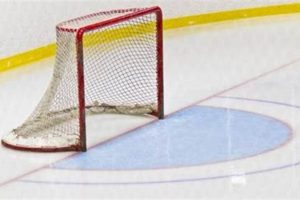
A portable, air-filled structure designed to replicate the playing surface of a traditional ice hockey rink. These consist of inflatable walls or barriers that surround a designated area, often a smooth, hard surface suitable for skating with specialized ice skates or other gliding equipment. An example is a backyard setup allowing children to practice hockey skills during warmer months.
The emergence of these structures provides increased accessibility to the sport, particularly in regions with limited access to conventional ice facilities. Their portable nature allows for setup in various locations, fostering community engagement and recreational opportunities. The reduced infrastructure investment compared to traditional ice rinks presents a cost-effective alternative for introducing and promoting the sport.
Subsequent sections will delve into the construction materials, setup procedures, maintenance requirements, and varying sizes and applications of such portable sports structures. Furthermore, the discussion will explore the safety considerations, technological advancements, and future trends impacting their design and utilization.
Essential Guidelines
Optimizing the lifespan and performance of this recreational structure requires adherence to specific guidelines during setup, usage, and storage. Neglecting these recommendations can compromise structural integrity and user safety.
Tip 1: Site Selection: Choose a level surface free from sharp objects or debris. Uneven terrain can lead to uneven inflation and potential instability. Inspect the area meticulously before setup.
Tip 2: Inflation Procedure: Employ an appropriate inflation device and adhere strictly to the manufacturer’s recommended pressure levels. Over-inflation can result in seam failure, while under-inflation compromises structural support.
Tip 3: Anchoring Protocol: Secure the structure using the provided anchoring system. This is crucial to prevent displacement due to wind or user impact. Regularly inspect anchor points for damage or loosening.
Tip 4: Material Compatibility: Avoid contact with abrasive surfaces or chemicals that can degrade the inflatable material. Clean spills promptly with a mild, non-abrasive cleaning solution.
Tip 5: Environmental Considerations: Refrain from using the equipment during inclement weather conditions, such as high winds or heavy rain. These conditions can pose significant safety hazards and structural risks.
Tip 6: Storage Practices: Ensure the structure is completely dry and clean before storing. Fold it neatly and store it in a cool, dry location away from direct sunlight and pests. Proper storage prevents mildew and material degradation.
Tip 7: Routine Inspection: Conduct regular inspections for signs of wear and tear, including punctures, seam separation, and valve leakage. Promptly address any identified issues to prevent further damage and potential hazards.
Consistent implementation of these guidelines will contribute to the prolonged usability and safe operation of the structure, ensuring ongoing enjoyment and value.
The concluding section will discuss advanced maintenance techniques and strategies for optimizing the structure’s performance characteristics over its operational lifespan.
1. Portability and Storage

The inherent design of an inflatable hockey rink prioritizes portability and ease of storage, characteristics differentiating it from permanent ice rinks. Deflation allows for compact storage, minimizing spatial demands during periods of non-use. The reduced weight of the deflated structure, compared to rigid alternatives, facilitates transport to various locations. For instance, a community organization can store the rink during the off-season and deploy it to different parks or event spaces, maximizing its utility.
Portability directly impacts the rink’s accessibility to diverse communities. Its transportability permits deployment in areas lacking conventional ice facilities, fostering engagement in ice sports. Storage efficiency reduces the logistical burden on owners, enabling easier management and maintenance of the equipment. Consider a school program utilizing the rink for physical education; easy storage translates to minimal disruption to other school activities and efficient use of limited storage space.
In summary, portability and storage are essential attributes determining the practical viability of inflatable hockey rinks. Overcoming challenges associated with bulky storage or difficult transportation is crucial for realizing the full potential of these recreational facilities. Further development in lightweight materials and simplified deflation/inflation mechanisms could further enhance these desirable characteristics, expanding the adoption and utilization of these rinks.
2. Inflation System Integrity

Inflation system integrity is paramount to the operational efficacy of any inflatable hockey rink. This encompasses the reliability of the inflation device, the air-tightness of seams and valves, and the overall pressure maintenance capability of the system. A compromised inflation system directly undermines the structural stability of the rink, rendering it unsafe and unsuitable for its intended purpose. For example, a malfunctioning valve leading to gradual air leakage results in a progressively softer barrier, diminishing its ability to contain pucks and protect players. Proper system integrity ensures the rink maintains its shape and rigidity throughout use.
The selection of high-quality materials and robust manufacturing processes is crucial for achieving optimal inflation system integrity. Seams must be meticulously sealed to prevent air escape, and valves must be constructed from durable, non-corrosive materials capable of withstanding repeated use. Regular inspection and maintenance of the inflation system are essential preventative measures. A failure to detect and repair minor leaks or valve malfunctions can escalate into significant structural issues, necessitating costly repairs or complete replacement. Consider a scenario where a poorly maintained valve fails completely during a hockey game; this could lead to a rapid deflation of the rink, potentially causing player injuries and disrupting the event.
In conclusion, the integrity of the inflation system is an indispensable factor in determining the safety, durability, and usability of an inflatable hockey rink. Prioritizing quality materials, meticulous manufacturing, and diligent maintenance protocols directly contributes to the longevity of the structure and the safeguarding of its users. The challenge lies in balancing cost-effectiveness with the need for robust components capable of withstanding the rigors of regular use. Understanding this connection is vital for informed purchasing decisions and responsible operation.
3. Material Durability

Material durability is a critical determinant of the lifespan and performance of inflatable hockey rinks. The materials used in their construction directly influence their resistance to wear and tear from repeated use, exposure to environmental elements, and potential impacts from hockey pucks and equipment. A rink constructed from inferior materials is susceptible to punctures, tears, and seam failures, leading to premature degradation and the need for frequent repairs or replacements. For example, a rink made from low-grade PVC may quickly become brittle and crack under prolonged exposure to sunlight, especially in regions with high UV radiation. This necessitates a higher initial investment in durable materials such as reinforced PVC or specialized fabrics with enhanced tear resistance.
The importance of material durability extends beyond mere cost considerations. A structurally compromised rink poses safety risks to players, potentially leading to injuries from falls or collisions with weakened barriers. Durable materials also maintain the rink’s structural integrity, ensuring consistent playing surface dimensions and rebound characteristics. This provides a more predictable and realistic playing experience, contributing to skill development. Furthermore, the environmental impact is reduced when durable materials are used, extending the product’s lifespan and reducing the need for disposal and replacement, thereby minimizing waste. Consider a rink used in a community youth hockey program; the use of durable materials ensures consistent performance and safety for young players while also demonstrating responsible environmental stewardship.
In summary, material durability is an indispensable attribute of inflatable hockey rinks. The selection of robust, high-quality materials is crucial for ensuring safety, longevity, and consistent performance. Although initial costs may be higher, the long-term benefits of increased durability, reduced maintenance, and minimized environmental impact outweigh the short-term savings associated with cheaper alternatives. Continued research and development in material science are essential for further enhancing the durability and sustainability of these recreational structures.
4. Safety Anchor Stability

Safety anchor stability is a non-negotiable design and operational requirement for any inflatable hockey rink. The structural integrity of these rinks relies significantly on the secure and reliable anchoring of the inflatable walls to the ground surface. This stability is not merely a convenience; it is directly correlated with the safety of players and spectators. Insufficient anchoring can lead to rink displacement or collapse, particularly under windy conditions or during periods of intense gameplay involving collisions with the rink’s perimeter. A real-world example includes improperly anchored rinks becoming airborne during sudden gusts of wind, posing a serious threat to anyone in proximity.
The selection of appropriate anchoring systems is critical and must consider factors such as ground composition, rink size, and anticipated wind loads. Options range from ground stakes to sandbags and water-filled ballast systems, each offering varying degrees of holding power. Regular inspection of the anchors and their attachment points is essential to identify and rectify any signs of loosening or damage. Failing to adequately maintain the anchoring system undermines the structural integrity of the rink, increasing the likelihood of accidents. A community event using an improperly anchored rink would expose participants to unnecessary risks, potentially resulting in injuries and legal liabilities.
In summary, safety anchor stability constitutes a fundamental safety parameter in the deployment and operation of inflatable hockey rinks. Neglecting this aspect introduces unacceptable risks and compromises the overall usability of the recreational equipment. Continuous vigilance in selecting appropriate anchoring solutions, coupled with diligent inspection and maintenance practices, are essential for ensuring a safe and enjoyable experience for all users. Further research into enhanced anchoring technologies and standardized safety protocols is warranted to minimize potential hazards.
5. Surface Glide Quality
The surface glide quality within an inflatable hockey rink directly influences the playability and training effectiveness of the setup. Because these rinks do not typically utilize frozen water, the surface material’s coefficient of friction is a critical factor. Lower friction simulates the glide of an ice surface, allowing players to practice skating, puck handling, and shooting with a level of realism directly proportional to the slipperiness of the material. Poor surface glide hinders these movements, rendering the rink unsuitable for serious training and diminishing the overall user experience. A synthetic ice surface, for example, provides a significantly better glide than bare concrete, leading to more accurate skill development.
Achieving acceptable surface glide quality requires careful material selection and, frequently, the application of specialized surface treatments or lubricants. Manufacturers may employ polymers formulated to minimize friction, or users may apply silicone-based sprays to further enhance the glide. The choice of material also affects the durability of the surface and its resistance to wear from skates and hockey equipment. Regular maintenance, including cleaning and re-application of lubricants, is often necessary to maintain optimal glide characteristics. In amateur leagues, using an inflatable rink with acceptable surface glide is more important than using other rink with normal ice because players on amateur leagues only play for fun, not professional play.
The connection between surface glide quality and the practical value of these rinks is undeniable. A surface that accurately simulates ice enables effective training and skill development, while a substandard surface limits the rink’s utility to basic recreational activities. Overcoming the challenges of replicating the glide of ice without using frozen water remains a central focus of research and development in this area. The ongoing pursuit of improved surface materials and lubrication techniques will directly impact the adoption and effectiveness of inflatable hockey rinks across a range of applications. The quality will increase as long as they are used with the same intention.
Frequently Asked Questions
The following addresses common inquiries regarding the capabilities, limitations, and proper usage of these portable sports structures.
Question 1: What surfaces are suitable for setting up a portable hockey structure?
A level, smooth surface free of sharp objects is essential. Concrete, asphalt, or tightly packed dirt are viable options. Grass surfaces are generally unsuitable due to unevenness and potential damage to the inflatable material.
Question 2: How long does it typically take to inflate and set up such a rink?
Inflation time varies depending on the size of the rink and the power of the inflation device. Smaller rinks can be inflated in under 30 minutes, while larger models may require an hour or more. Setup time includes anchoring the structure and ensuring proper tensioning of the inflatable walls.
Question 3: What safety precautions should be observed during usage?
Users must wear appropriate protective gear, including helmets, padding, and gloves. Overcrowding should be avoided to prevent collisions. Regular inspection of the rink and anchoring system is crucial. The equipment should not be used during inclement weather.
Question 4: What is the expected lifespan of the inflatable structure?
Lifespan depends on the quality of materials, frequency of use, and adherence to maintenance protocols. High-quality rinks can last for several years with proper care. Exposure to UV radiation, abrasive surfaces, and improper storage can significantly reduce lifespan.
Question 5: What types of repairs can be performed on-site?
Minor punctures and tears can often be repaired with patching kits provided by the manufacturer. Major damage, such as seam failures or valve malfunctions, may require professional repair services.
Question 6: What are the storage requirements for these systems?
The rink must be completely deflated, cleaned, and dried before storage. It should be folded neatly and stored in a cool, dry location away from direct sunlight and pests. Proper storage prevents mildew and material degradation.
Understanding these aspects is crucial for making informed decisions regarding the acquisition, operation, and maintenance of these portable sports facilities.
The subsequent section will provide detailed instructions on common maintenance procedures, addressing both preventative measures and corrective actions.
Inflatable Hockey Rink
This exploration has underscored the multifaceted nature of the term, from its fundamental construction to its operational considerations and safety imperatives. Material durability, inflation system integrity, anchor stability, and surface glide quality emerge as critical factors influencing the performance and longevity of such structures. Furthermore, adherence to prescribed maintenance guidelines and safety protocols is paramount for ensuring user well-being and maximizing the investment in this recreational equipment.
The future utility of the inflatable hockey rink rests on continued innovation in material science, improved anchoring technologies, and standardized safety regulations. Vigilant attention to these aspects will promote responsible utilization and enable wider accessibility to ice sports, fostering both recreational engagement and skill development within communities. The implementation of these structures is a critical component of recreational innovation.