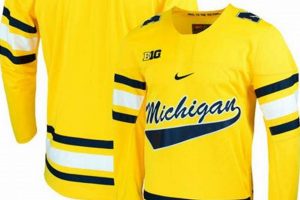
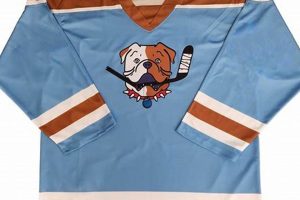
The process of cleaning a garment worn during ice hockey games or practices, often adorned with team logos, player names, and numbers, is a necessary maintenance task. This cleaning extends the lifespan of the item and preserves its aesthetic qualities. Neglecting proper care can lead to discoloration, damage to applied graphics, and lingering odors from perspiration and equipment.
Maintaining the cleanliness of such athletic wear provides numerous advantages. Regular cleaning removes dirt, sweat, and bacteria, preventing unpleasant smells and potential skin irritations. Preservation of the garment’s color and integrity ensures its longevity and continued usability. Furthermore, a clean jersey reflects well on the wearer and their team or organization.
The subsequent sections will detail specific methods and considerations for effectively laundering these garments, addressing common concerns and outlining best practices for achieving optimal results without causing damage.
Essential Laundry Guidelines for Hockey Apparel
The following recommendations are designed to optimize the cleaning process and preserve the integrity of hockey jerseys. Adherence to these guidelines will minimize the risk of damage and extend the lifespan of the garment.
Tip 1: Pre-Treatment of Stains: Address any visible stains, such as blood or mud, before commencing the main wash cycle. A mild stain remover, applied directly to the affected area and allowed to sit for a specified duration, can significantly improve stain removal effectiveness.
Tip 2: Inside-Out Washing: Turn the jersey inside out prior to placing it in the washing machine. This protects the external graphics and lettering from direct abrasion during the wash cycle, reducing the risk of fading or peeling.
Tip 3: Cold Water Selection: Always utilize cold water for washing. Hot water can cause colors to bleed and may damage the fabric, particularly synthetic materials commonly used in hockey jerseys.
Tip 4: Gentle Detergent Usage: Employ a mild, preferably liquid, detergent. Harsh detergents can be detrimental to the fabric and applied decorations. Avoid detergents containing bleach or optical brighteners, as these can cause discoloration.
Tip 5: Gentle Wash Cycle: Select the gentlest wash cycle available on the washing machine. This minimizes agitation and reduces the potential for damage to the jersey during the cleaning process.
Tip 6: Avoid the Dryer: Tumble drying is strongly discouraged. The high heat can shrink the fabric and damage heat-applied graphics. Instead, hang the jersey to air dry in a well-ventilated area, away from direct sunlight.
Tip 7: Proper Storage: Store the clean jersey in a dry location, preferably on a hanger to prevent creasing. Avoid folding it for extended periods, as this can cause permanent wrinkles and damage to the graphics.
Following these steps will help maintain the jersey’s condition and appearance. Consistent care is paramount for preserving the value and integrity of the garment over time.
The subsequent sections will delve into specific scenarios, such as dealing with particularly stubborn stains or specialized jersey materials.
1. Pre-treat stains

The pre-treatment of stains is a critical preparatory step in the effective laundering of a hockey jersey. It addresses localized soiling before the broader washing process, significantly enhancing the overall cleanliness of the garment.
- Enhanced Stain Removal Efficiency
Pre-treating allows for concentrated action on specific areas of concern. Unlike a general wash, which dilutes the cleaning agent across the entire garment, pre-treatment focuses the cleaning power directly on the stain. For instance, a blood stain, common in hockey, requires targeted application of a suitable stain remover to break down the protein compounds before washing. This localized approach increases the likelihood of complete stain removal.
- Preservation of Fabric Integrity
Aggressive scrubbing or harsh chemicals used during a standard wash cycle can damage the delicate fabrics and embellishments often found on hockey jerseys. Pre-treatment, using gentler stain removers and less abrasive application methods, minimizes the risk of damage. Consider a scenario where a mud stain is aggressively scrubbed during washing; this can lead to fiber damage and fading. Pre-treatment with a mild detergent and a soft cloth avoids such issues.
- Preventing Stain Setting
Delaying stain removal can lead to permanent discoloration, as the staining agents bond more strongly with the fabric over time. Pre-treatment immediately after spotting the stain prevents this bonding. For example, if a sports drink spills on a jersey and is not addressed promptly, the sugar and dye can permanently alter the fabric’s color. Quick pre-treatment minimizes this risk.
- Optimization of the Wash Cycle
Pre-treating stains ensures that the subsequent wash cycle is more effective. By addressing the most challenging areas beforehand, the wash cycle can focus on removing general dirt and odors, rather than struggling with deeply embedded stains. This results in a more thorough and even cleaning of the entire jersey.
Therefore, integrating stain pre-treatment into the overall cleaning process optimizes the outcome, safeguarding both the cleanliness and longevity of the hockey jersey.
2. Inside-out washing

The practice of turning a hockey jersey inside out prior to laundering is a key component of proper garment care. This seemingly simple action provides substantial benefits in protecting the jersey’s aesthetics and structural integrity. The primary reason for this practice is to minimize direct abrasion to the external surface of the jersey, which is often adorned with heat-pressed graphics, embroidered logos, and player numbering. These embellishments are susceptible to damage from friction during the wash cycle.
When a jersey is washed right-side out, these external decorations are subjected to direct contact with other items in the washing machine, as well as the machine’s agitator. This constant rubbing can cause the graphics to peel, fade, or crack. Embroidered logos can also become snagged or frayed. By turning the jersey inside out, the decorative elements are shielded, significantly reducing the likelihood of such damage. For example, consider a scenario where a jersey with a large heat-pressed team logo is consistently washed without being turned inside out. Over time, the edges of the logo are likely to begin peeling away from the fabric due to repeated abrasion. In contrast, a jersey washed inside out will maintain its graphic integrity for a longer period.
The practice of inside-out washing serves as a preventative measure, preserving the aesthetic appeal and extending the usable lifespan of the hockey jersey. While it does not eliminate the need for gentle detergents or cold water washing, it provides an additional layer of protection against damage, ensuring the continued vibrancy and integrity of the garment’s external features. It is a cost-effective and easily implemented step in the proper maintenance of valuable sports apparel.
3. Cold water only

The exclusive use of cold water is a non-negotiable parameter in the effective laundering of a hockey jersey. Elevated water temperatures inflict potential and demonstrable harm to the garment’s fabric composition, color integrity, and applied embellishments. Hot water accelerates the degradation of synthetic fibers commonly employed in athletic apparel, leading to shrinkage and distortion of the jersey’s original shape. Furthermore, it intensifies color bleeding, resulting in the transfer of dyes from darker areas to lighter ones, thus compromising the jersey’s aesthetic value. A practical illustration involves a scenario where a red and white team jersey is washed in hot water; the red dye is prone to bleed into the white areas, permanently staining them pink. This outcome is avoidable with cold water washing.
Beyond fabric and color preservation, cold water plays a critical role in protecting heat-applied graphics and lettering. The adhesive bonds that secure these embellishments to the jersey weaken under high heat, increasing the risk of peeling, cracking, or complete detachment during the wash cycle. Cold water minimizes this risk by maintaining the integrity of the adhesive. A case study would be a jersey bearing a heat-pressed player name and number; hot water washing will likely result in the edges of the letters lifting away from the fabric, whereas cold water washing preserves their adhesion. The lower temperature ensures that the bonding agents are not compromised, therefore prolonging the life of the design.
In summary, the consistent employment of cold water represents a proactive strategy for safeguarding the physical characteristics and visual appeal of a hockey jersey. This practice mitigates the risk of fabric damage, prevents color bleeding, and preserves the integrity of heat-applied graphics. While other aspects of laundering, such as detergent selection and drying methods, contribute to overall garment care, the foundational importance of cold water cannot be overstated. Adherence to this principle serves as a cornerstone for effective and responsible jersey maintenance.
4. Gentle detergent
The selection of an appropriate detergent is a critical factor in the preservation of hockey jerseys during laundering. A mild or “gentle” detergent is specifically formulated to clean fabrics without the harsh chemicals found in standard or heavy-duty detergents. This distinction is particularly relevant when considering the sensitive materials and embellishments often found on hockey jerseys.
- Minimizing Fabric Degradation
Aggressive detergents contain strong enzymes and surfactants that can degrade the synthetic fibers commonly used in hockey jerseys. These chemicals can weaken the fabric, leading to premature wear and tear, fading of colors, and loss of shape. A gentle detergent, on the other hand, utilizes milder cleaning agents that effectively remove dirt and odors while minimizing stress on the fabric. For example, repeated washing with a harsh detergent may cause the fibers in a polyester hockey jersey to break down, resulting in a thin or weakened fabric structure.
- Preserving Applied Graphics and Embellishments
Hockey jerseys often feature heat-pressed graphics, embroidered logos, and player names/numbers. Harsh detergents can damage the adhesives and threads used to apply these embellishments, causing them to peel, crack, or fade. Gentle detergents are less likely to cause such damage, helping to maintain the integrity and appearance of the jersey’s decorative elements. A jersey with a heat-pressed team logo, washed frequently with a harsh detergent, may experience significant peeling of the logo edges over time.
- Preventing Color Bleeding
Color bleeding is a common concern when washing multi-colored garments. Harsh detergents can accelerate this process by loosening the dyes within the fabric. Gentle detergents are formulated to minimize color bleeding, helping to keep the colors vibrant and prevent them from running onto other parts of the jersey. For instance, a white hockey jersey with colored stripes is less likely to experience color bleeding when washed with a gentle detergent compared to a harsh one.
- Reducing Residue Buildup
Some detergents can leave behind a residue on the fabric after washing, which can attract dirt and odors over time. This is particularly problematic for athletic apparel, as it can contribute to unpleasant smells and skin irritation. Gentle detergents are typically designed to rinse more cleanly, minimizing residue buildup and leaving the jersey feeling fresh and clean. This can be particularly important for players wearing the jerseys for extended periods.
The careful selection of a gentle detergent represents a key aspect of responsible hockey jersey care. By minimizing fabric degradation, preserving embellishments, preventing color bleeding, and reducing residue buildup, gentle detergents help to extend the life and maintain the appearance of these valuable garments.
5. Air drying preferred

Air drying is a highly recommended method for drying hockey jerseys after washing. This technique minimizes potential damage associated with machine drying, thereby extending the garment’s lifespan and preserving its aesthetic qualities.
- Heat Damage Mitigation
Machine dryers utilize high temperatures that can be detrimental to synthetic fabrics and applied graphics. The heat can cause shrinkage, fiber distortion, and weakening of adhesives used for logos and lettering. Air drying, conversely, eliminates heat exposure, preventing these adverse effects. For example, a heat-pressed logo on a hockey jersey is less likely to peel or crack when the jersey is air-dried compared to being subjected to the high heat of a dryer.
- Color Preservation
Elevated temperatures can accelerate color fading, particularly in synthetic dyes commonly used in athletic apparel. Air drying, by contrast, allows the jersey to dry slowly and naturally, minimizing the risk of color loss. A dark-colored hockey jersey is less likely to experience fading or bleeding when air-dried in a shaded area than when exposed to the intense heat of a machine dryer.
- Shape Retention
The tumbling action and heat within a machine dryer can distort the shape of a hockey jersey, particularly around the shoulders and sleeves. Air drying allows the garment to maintain its original form, preventing unwanted stretching or shrinking. A jersey hung on a hanger to air dry will retain its intended fit and structure more effectively than one subjected to the stresses of machine drying.
- Extended Garment Longevity
By minimizing heat exposure and physical stress, air drying contributes to the overall longevity of the hockey jersey. This gentle drying method reduces the likelihood of fabric damage, graphic deterioration, and shape distortion, resulting in a garment that retains its quality and appearance for a longer period. A hockey jersey consistently air-dried is expected to have a significantly longer lifespan than one routinely machine-dried.
The implementation of air drying as the preferred method for drying hockey jerseys represents a practical approach to garment maintenance. This technique safeguards against heat-related damage, preserves color vibrancy, maintains shape integrity, and ultimately extends the lifespan of the garment. Air drying stands as a cost-effective and straightforward practice that benefits the durability and aesthetic appeal of hockey apparel.
6. Proper storage

Proper storage practices are integrally linked to the effectiveness of laundering procedures for hockey jerseys. While cleaning removes dirt, odors, and stains, storage conditions directly influence the garment’s condition between washes. Inadequate storage can negate the benefits of thorough cleaning, leading to accelerated deterioration and compromising the overall care regimen. For example, storing a freshly laundered jersey in a damp, poorly ventilated environment fosters mildew growth, counteracting the cleaning process’s sanitation efforts.
The storage environment impacts the fabric integrity and the applied graphics. Folding a jersey for extended periods can create permanent creases, damaging the fabric and potentially causing heat-pressed logos to crack or peel. Hanging the jersey on a wide, padded hanger in a dry, temperature-controlled space prevents such damage. Exposure to direct sunlight during storage can also cause fading, particularly in vibrant colors. Proper storage, therefore, involves protecting the jersey from environmental factors that degrade its quality, effectively extending the intervals between necessary washings and preserving its appearance.
Effective jersey care requires a holistic approach encompassing both cleaning and storage. While appropriate laundering techniques remove contaminants, suitable storage conditions prevent their re-accumulation and protect the garment from physical damage. This integrated strategy ensures that the hockey jersey remains clean, presentable, and durable over time. Neglecting proper storage undermines the benefits of even the most meticulous washing practices, highlighting the critical connection between these two elements of garment maintenance.
Frequently Asked Questions Regarding Hockey Jersey Cleaning
The following section addresses common inquiries concerning the proper cleaning and maintenance of hockey jerseys. The information presented aims to provide clarity on best practices for preserving the integrity and appearance of these garments.
Question 1: Can a hockey jersey be dry cleaned?
Dry cleaning is generally not recommended for hockey jerseys. The chemicals used in the dry cleaning process can damage synthetic fabrics and compromise the adhesives used for applied graphics and lettering. Water-based cleaning methods are typically preferred.
Question 2: How frequently should a hockey jersey be washed?
The frequency of washing depends on the extent of use and the presence of odors or stains. A jersey worn for intense physical activity should be washed after each use. Jerseys worn less frequently can be washed as needed, but at least seasonally to prevent odor buildup.
Question 3: Is it safe to use bleach on a hockey jersey?
Bleach is strongly discouraged. Bleach can cause discoloration and damage to the fabric fibers. Color-safe bleach alternatives may be used with caution, but a spot test is recommended before applying to the entire jersey.
Question 4: What is the best way to remove blood stains from a hockey jersey?
Blood stains should be addressed promptly using cold water and a mild enzymatic stain remover. Apply the stain remover directly to the affected area, allow it to sit for the recommended time, and then gently blot the stain. Avoid using hot water, as it can cause the blood to set.
Question 5: Can a hockey jersey be ironed?
Ironing is generally not recommended. The heat from an iron can damage synthetic fabrics and applied graphics. If ironing is necessary, use a low heat setting and place a protective cloth between the iron and the jersey. A garment steamer is a safer alternative for removing wrinkles.
Question 6: How should a vintage or autographed hockey jersey be cleaned?
Vintage or autographed jerseys require specialized care. Consult a professional garment conservator or cleaner experienced in handling delicate items. Avoid washing these jerseys at home, as improper cleaning can diminish their value.
In summary, a careful and informed approach to hockey jersey cleaning is essential for preserving the garment’s condition. Adhering to the guidelines outlined above will help maintain the jersey’s aesthetic appeal and structural integrity.
The subsequent sections will explore advanced techniques for specialized jersey care, including stain removal and repair.
Conclusion
The detailed exploration of the necessary process, how to wash a hockey jersey, has underscored the multifaceted approach required for its proper maintenance. Key elements identified include pre-treatment of stains, inside-out washing in cold water with gentle detergent, air drying, and appropriate storage techniques. Each of these steps contributes significantly to preserving the fabric integrity, color vibrancy, and applied graphics, effectively prolonging the garment’s lifespan.
Adherence to these guidelines is crucial for individuals seeking to maintain the aesthetic and functional qualities of their hockey jerseys. The principles outlined represent a commitment to responsible garment care, ensuring that these valuable items remain in optimal condition for years to come. Implementation of these strategies not only protects the investment in the garment but also honors the traditions and significance associated with the sport of hockey.