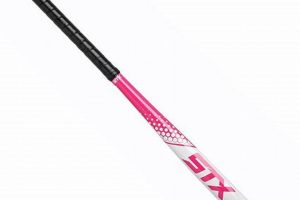
The process of transporting a lengthy, rigid sports implement from one location to another requires careful planning and execution. This is often necessary for athletes relocating, retailers fulfilling online orders, or individuals sending equipment as gifts.
Proper shipment ensures the item’s safe arrival, preventing damage and maintaining its structural integrity. This directly impacts the recipient’s satisfaction and, in the case of professional equipment, can affect performance. Historically, methods for transporting these items have evolved from simple bundling to specialized packaging solutions.
The following sections will outline the key steps involved, including appropriate packing materials, carrier selection, and cost considerations to facilitate successful delivery.
Shipping Preparation
Effective preparation is paramount for the secure conveyance of elongated sports equipment. The following guidelines ensure minimal risk of damage during transit.
Tip 1: Acquire Appropriate Packing Materials: A sturdy cardboard tube, specifically designed for shipping long items, offers superior protection compared to standard boxes. Packing tape, bubble wrap, and cushioning materials are also necessary.
Tip 2: Measure and Select Packaging: Ensure the chosen tube is adequately sized. Excess space within the packaging increases the likelihood of movement and potential damage. Measure the equipment accurately before selecting a tube.
Tip 3: Protect the Blade: The blade is the most vulnerable part. Wrap it meticulously with multiple layers of bubble wrap and secure it firmly with packing tape. Additional cardboard reinforcement may be beneficial.
Tip 4: Secure the Shaft: Similarly, wrap the shaft with bubble wrap to prevent scratches and dents. Pay particular attention to the grip area, which is often more delicate.
Tip 5: Fill Empty Spaces: Use packing peanuts, crumpled paper, or inflatable air pillows to fill any remaining void within the tube. This minimizes movement during transit and provides additional cushioning.
Tip 6: Seal the Tube Securely: Use heavy-duty packing tape to seal both ends of the tube completely. Reinforce the seams to prevent splitting during handling.
Tip 7: Label Clearly: Affix a clear and legible shipping label to the tube. Include both the sender’s and recipient’s addresses, as well as contact phone numbers. Consider adding a “Fragile” label.
Effective preparation significantly reduces the risk of damage during shipment, ensuring the safe arrival of the equipment. Adhering to these guidelines enhances the likelihood of a positive delivery experience.
Following these preliminary steps, carrier selection and cost considerations are the next crucial aspects of the shipping process.
1. Packaging Materials

The selection of appropriate containment solutions directly impacts the successful transit of lengthy sporting goods. Inadequate or improper materials increase the risk of damage during handling and transportation, ultimately affecting the condition of the product upon arrival.
- Cardboard Shipping Tubes
Heavy-duty cardboard tubes provide a rigid protective shell against impacts and crushing forces. These tubes are specifically designed for elongated items, offering superior protection compared to standard rectangular boxes. The thickness and construction of the tube significantly influence its ability to withstand stress during transit. For example, a tube with a spiral wound construction generally offers greater crush resistance than a simple single-layer tube.
- Bubble Wrap
This flexible plastic cushioning is essential for absorbing shocks and vibrations during transit. Multiple layers of bubble wrap should encase the item, particularly around vulnerable areas like the blade. Different bubble sizes offer varying levels of protection; larger bubbles provide greater cushioning. The effectiveness of bubble wrap depends on its proper application and securing it firmly with packing tape.
- Packing Tape
High-quality packing tape is crucial for securely sealing the packaging and preventing it from opening during handling. The tape should be durable and resistant to tearing under stress. Reinforcing the seams of the tube with multiple layers of tape is recommended to prevent splitting. Clear packing tape allows for easy viewing of the shipping label.
- Void Fill (Packing Peanuts, Crumpled Paper)
Filling empty spaces within the packaging is essential to prevent the item from shifting during transit. Packing peanuts, crumpled paper, or inflatable air pillows can be used to fill these voids and provide additional cushioning. The type of void fill used should be lightweight to minimize shipping costs while still providing adequate protection.
The judicious selection and application of these materials are paramount in protecting elongated sporting equipment. Insufficient or inappropriate packaging increases the potential for damage, which can lead to increased shipping costs, customer dissatisfaction, and potential financial losses. Therefore, a comprehensive approach to choosing and utilizing suitable containment solutions is essential for ensuring the safe and secure delivery.
2. Dimensional Weight

When transporting long, lightweight items, dimensional weight becomes a significant factor in determining shipping costs. This pricing technique, utilized by major carriers, considers package volume in addition to actual weight, often resulting in higher charges for bulky yet light shipments.
- Calculation Methodology
Carriers calculate dimensional weight by multiplying the length, width, and height of the package (in inches) and dividing by a dimensional factor (typically around 139, but varies by carrier and service). If the dimensional weight exceeds the actual weight, the carrier bases the shipping rate on the dimensional weight.
- Impact on Shipping Costs
For a long, slender item like a hockey stick, the dimensional weight is likely to be greater than the actual weight. This is because the package occupies a significant amount of space relative to its mass. Therefore, the shipper is essentially paying for the space the item occupies in the carrier’s vehicle, rather than solely for its physical mass.
- Mitigation Strategies
Strategies to minimize the impact of dimensional weight include using the smallest possible packaging that still provides adequate protection, exploring alternative carriers with different dimensional factors, and negotiating rates based on shipping volume. Optimizing packaging can significantly reduce the calculated dimensional weight.
- Carrier Variations
Different carriers employ varying dimensional factors. Comparing rates and factors across multiple carriers is crucial to identify the most cost-effective option. Some carriers may offer specialized services or discounts for oversized or irregularly shaped items. Understanding these carrier-specific policies is essential for optimizing shipping expenses.
Understanding dimensional weight is critical when shipping elongated sports equipment. Ignoring this factor can lead to unexpected and inflated shipping costs. By carefully considering packaging options, carrier selection, and employing mitigation strategies, shippers can minimize the impact of dimensional weight and ensure cost-effective transportation of their goods.
3. Carrier Options
The selection of a suitable carrier directly influences the successful delivery of elongated sporting equipment. Different carriers offer varying service levels, pricing structures, and handling capabilities, each impacting the safety and cost-effectiveness of the shipment. Understanding these distinctions is essential for informed decision-making. For instance, a carrier specializing in fragile item transport may employ specialized handling procedures that reduce the risk of damage. Conversely, a carrier primarily focused on bulk freight may lack the necessary attention to detail required for delicate items, potentially leading to mishandling and subsequent damage. This is relevant to how to ship a hockey stick
Considerations include the carrier’s geographic reach, transit times, and available tracking services. A carrier with a robust network covering the destination area ensures timely delivery. Detailed tracking provides shipment visibility, enabling proactive intervention in case of delays or unforeseen issues. Furthermore, insurance options offered by each carrier vary, affecting the level of financial protection in the event of loss or damage. For example, choosing a carrier with limited insurance coverage might expose the shipper to significant financial risk if the equipment sustains damage during transit. The type of hockey stick influences the kind of coverage selected. An expensive stick needs additional coverage.
Ultimately, the selection of carrier options is intrinsically linked to successful shipment. Careful evaluation of service capabilities, pricing, and insurance options allows for a tailored approach, mitigating risks and ensuring the secure and timely arrival. Neglecting carrier considerations can lead to increased costs, potential damage, and ultimately, customer dissatisfaction. The best way how to ship a hockey stick is when choosing the carrier.
4. Insurance Coverage

Insurance coverage, when transporting elongated sporting goods, acts as a financial safeguard against unforeseen events that may result in damage or loss. This protection becomes particularly crucial when considering the potential value and fragility associated with such items. The absence of adequate insurance coverage exposes the shipper to the full financial burden of replacement or repair costs should damage occur during transit. For example, a high-end composite stick, susceptible to breakage from impacts, represents a significant financial investment that merits comprehensive protection.
Several factors influence the appropriate level of insurance coverage. The declared value of the shipped item, the chosen carrier’s liability limitations, and the potential risk of damage based on handling procedures are all key considerations. Opting for minimal coverage may seem cost-effective initially, but it exposes the shipper to substantial financial risks in the event of a claim. Real-world scenarios, such as improper handling during loading or unloading, rough handling during transit, or package misplacement, highlight the importance of securing sufficient insurance coverage to mitigate potential losses. Different carriers may offer diverse levels of coverage, and understanding the terms and conditions associated with each policy is crucial to ensure adequate protection against various risks.
In conclusion, securing appropriate insurance coverage constitutes an integral component of shipping fragile or valuable goods. It represents a proactive risk management strategy, safeguarding against potential financial setbacks stemming from damage or loss during transit. Without this financial buffer, shippers face the prospect of absorbing the full cost of replacement or repair, which can significantly impact profitability. Understanding the interplay between item value, carrier liability, and potential risks underscores the necessity of prioritizing insurance coverage to ensure a safe and economically sound shipment.
5. Tracking Number
The tracking number, a unique identifier assigned to each shipment, is an indispensable element when transporting elongated sporting equipment. Its significance lies in providing transparency and control throughout the shipping process, offering both the shipper and recipient the ability to monitor the item’s journey from origin to destination. Its role is fundamental in the process of knowing how to ship a hockey stick.
- Real-Time Visibility
The tracking number enables near real-time monitoring of the shipment’s location and status. Updates are typically provided at various checkpoints along the route, including origin scans, transit hubs, and delivery attempts. For example, a shipper can ascertain if the item has departed the initial facility, is in transit to a regional distribution center, or is out for delivery. This information empowers stakeholders to anticipate potential delays or proactively address any unforeseen issues that may arise during transport of the hockey stick.
- Delivery Confirmation
Upon successful delivery, the tracking number provides verifiable proof of receipt. The carrier’s system typically records the date and time of delivery, as well as the name of the individual who signed for the package. This information serves as a safeguard against disputes or claims of non-delivery, providing concrete evidence that the shipment reached its intended destination. How to ship a hockey stick includes the delivery.
- Issue Resolution
In the event of delays, misrouting, or other complications, the tracking number facilitates efficient issue resolution. By providing the tracking number to the carrier’s customer service representatives, stakeholders can quickly access detailed shipment information and initiate investigations. This enables prompt identification of the problem and facilitates appropriate corrective actions, such as rerouting the package or initiating a trace request.
- Customer Communication
The tracking number empowers shippers to proactively communicate shipment status updates to recipients. By providing the tracking number, recipients can independently monitor the progress of their shipment and anticipate its arrival. This proactive communication enhances customer satisfaction and reduces the likelihood of inquiries or complaints. Keeping the customer informed is important with how to ship a hockey stick.
The tracking number, therefore, serves as a critical link in the chain of custody, providing transparency, control, and accountability throughout the shipping process. Its absence or mishandling can lead to increased uncertainty, potential delays, and ultimately, customer dissatisfaction. Utilizing the tracking number effectively is essential for ensuring a smooth and successful delivery of elongated sporting equipment.
6. Shipping Costs

Shipping costs are a primary determinant in the feasibility and overall expense associated with transporting elongated sports equipment. The dimensions and weight of such items, coupled with the distance of travel, contribute significantly to the final price. This expense is a direct consequence of the resources required to physically move the item, including fuel, labor, and handling fees. For instance, transporting a hockey stick across the country will invariably cost more than shipping it within the same city due to the increased fuel consumption and logistical complexities.
The selection of packaging materials, discussed previously, has a direct impact on these costs. While robust packaging is essential for protection, excessive material adds weight and volume, thereby increasing the dimensional weight and, consequently, the shipping fees. The choice of carrier also plays a crucial role. Different carriers offer varying rates based on service levels, delivery speed, and insurance options. Expedited shipping, for example, guarantees faster delivery but incurs significantly higher costs compared to standard shipping options. Additionally, surcharges for oversized or non-standard packages can further inflate the total expense.
Understanding the factors influencing shipping costs allows for informed decision-making and cost optimization. Comparing rates across multiple carriers, utilizing appropriate packaging, and selecting the most suitable service level are crucial steps in minimizing expenses. Neglecting these considerations can lead to unexpected and potentially prohibitive costs, rendering the shipment economically unviable. Accurate assessment of costs is crucial to how to ship a hockey stick.
7. Destination Regulations

The adherence to destination-specific regulations is a crucial, yet often overlooked, aspect of shipping sporting equipment across borders or even within certain regions. These regulations, imposed by governmental bodies or shipping authorities, dictate permissible items, packaging requirements, and documentation needed for legal entry and transport. Failure to comply can result in delays, fines, confiscation of goods, or even legal repercussions. Thus, understanding and adhering to such regulations is integral to how to ship a hockey stick successfully.
- Customs Declarations and Tariffs
International shipments invariably require customs declarations accurately detailing the contents, value, and origin of the item. Tariffs, or import duties, may be levied based on these declarations, impacting the overall cost. Incorrect or incomplete declarations can lead to delays or rejection by customs officials. For example, failing to properly declare a new stick could result in assessment of import duties and taxes, adding unexpected expenses to the shipment. The value of how to ship a hockey stick is that it complies with declaration.
- Material Restrictions and Prohibitions
Certain materials used in the construction of sports equipment may be subject to restrictions or outright prohibitions in specific regions. These restrictions are often related to environmental concerns, safety standards, or trade agreements. For example, certain types of adhesives or coatings used in hockey stick manufacturing might be restricted in specific countries due to volatile organic compound (VOC) regulations. Awareness of such restrictions is critical to avoid confiscation or rejection of the shipment.
- Packaging and Labeling Requirements
Specific destinations may mandate particular packaging materials or labeling requirements to ensure the safe handling and identification of shipments. These requirements can include restrictions on the use of certain types of packing materials, mandates for specific warning labels, or requirements for secure sealing. For example, some countries may require that all wood packaging materials be treated to prevent the spread of pests. Compliance with these requirements is essential to ensure smooth processing and prevent delays.
- Import Licenses and Permits
In some cases, importing sports equipment may require specific licenses or permits from the destination country’s government. These licenses are often required for items that are considered controlled goods or are subject to specific trade restrictions. For instance, importing a large quantity of high-end sports equipment for commercial purposes might necessitate an import license to ensure compliance with trade regulations. How to ship a hockey stick legally includes knowing if a permit is necessary.
In summary, destination regulations exert a significant influence on the logistics and costs associated with transporting elongated sporting goods. Comprehensive knowledge of these regulations, encompassing customs declarations, material restrictions, packaging requirements, and licensing procedures, is essential for ensuring seamless and compliant shipments. Failing to address these factors can result in costly delays, penalties, or even the outright rejection of the shipment, underscoring the critical importance of due diligence in this area. Knowing how to ship a hockey stick means knowing all regulations.
Frequently Asked Questions
This section addresses common inquiries regarding the proper procedures and considerations for transporting a hockey stick.
Question 1: What is the most appropriate packaging for shipping a hockey stick?
The ideal packaging consists of a rigid cardboard tube designed for shipping long items. This tube provides structural support and protects against bending or crushing during transit. The tube should be slightly longer than the stick to accommodate protective padding.
Question 2: How should the hockey stick be prepared before being placed in the shipping tube?
The blade and shaft should be individually wrapped with multiple layers of bubble wrap, secured with packing tape. This cushioning minimizes the risk of scratches, dents, or breakage. Padding should be concentrated around vulnerable areas, such as the blade and grip.
Question 3: What is dimensional weight and how does it impact shipping costs?
Dimensional weight is a calculation that considers the volume of a package in addition to its actual weight. Carriers often charge based on whichever is greater. Due to its length, a hockey stick typically incurs dimensional weight charges. Utilizing the smallest possible tube and comparing carrier rates can mitigate this cost.
Question 4: Is insurance coverage necessary when shipping a hockey stick?
Insurance coverage is highly recommended, particularly for expensive or custom-made sticks. It protects against loss, damage, or theft during transit. The level of coverage should correspond to the declared value of the stick. Understanding the carrier’s liability limitations is crucial when determining the appropriate amount of insurance.
Question 5: How should the shipping label be affixed to the packaging?
The shipping label should be securely affixed to the tube with clear packing tape. Ensure all information, including sender and recipient addresses, is legible. Consider placing a duplicate label inside the tube in case the exterior label is damaged or detached.
Question 6: What factors influence the overall shipping cost?
Shipping costs are influenced by several factors, including distance, weight, dimensions, chosen carrier, service level (e.g., expedited vs. standard), and insurance coverage. Comparing rates from multiple carriers is recommended to obtain the most cost-effective option. Addressing regulations also adds to the cost of shipping a hockey stick.
Proper packaging, carrier selection, and insurance are vital to ensure the safe and economical delivery of the item.
The subsequent section outlines best practices for minimizing the risk of damage during transit.
Concluding Remarks
The preceding sections have delineated the essential steps and considerations for transporting a hockey stick effectively. From selecting appropriate packaging materials and mitigating dimensional weight charges to understanding carrier options and destination regulations, each aspect plays a critical role in ensuring safe and cost-effective delivery. The inclusion of insurance coverage and diligent tracking further contributes to a secure and transparent shipping process.
Mastery of these elements is paramount for athletes, retailers, and individuals alike. Implementing these guidelines mitigates the risk of damage, minimizes expenses, and contributes to customer satisfaction. Continued vigilance in adhering to best practices will ensure the reliable transport of this specialized sporting equipment, safeguarding its integrity and utility for its intended purpose. How to ship a hockey stick demands a commitment to detail and informed decision-making to maximize its potential.