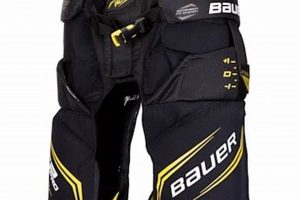
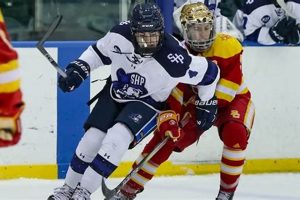
These specialized articles of clothing, designed for younger ice hockey players, function as a crucial layer worn over protective shin guards. They are typically made from knitted fabrics like polyester or nylon, engineered to be both breathable and durable. A common example involves a youth player wearing these socks to secure their shin protection during a game or practice.
Their importance lies in securely holding shin guards in place, preventing slippage and ensuring adequate protection during gameplay. Functionality extends to providing a degree of comfort and moisture-wicking, essential for managing perspiration during intense physical activity. Historically, these items have evolved from simpler designs to incorporating advanced materials that enhance performance and longevity.
Understanding the materials, sizing, maintenance, and selection criteria is essential for equipping junior players with appropriate protective gear. Subsequent sections will delve into these aspects, offering guidance on choosing the right pair and ensuring proper care for extended use.
Essential Considerations for Youth Hockey Sock Selection
The following guidelines are designed to assist in the informed selection and maintenance of specialized legwear for young hockey players, ensuring both comfort and optimal protective equipment performance.
Tip 1: Prioritize Proper Sizing: Accurate measurement of the player’s leg length is critical. Oversized legwear can bunch and impede movement, while undersized legwear may not adequately cover the shin guards. Consult manufacturer sizing charts for precise guidance.
Tip 2: Evaluate Fabric Composition: Opt for materials that offer both durability and moisture-wicking properties. Polyester blends are frequently employed for their resilience and ability to draw perspiration away from the skin, promoting comfort and minimizing skin irritation.
Tip 3: Assess Fastening Mechanisms: Ensure the chosen attachment system is secure and reliable. Velcro closures or integrated garters are common methods for maintaining proper positioning, and their integrity should be regularly inspected.
Tip 4: Consider Color and Design: While functionality remains paramount, team colors and preferred designs contribute to team unity and player confidence. Adherence to league regulations regarding color requirements is also crucial.
Tip 5: Implement Regular Cleaning Practices: Consistent washing after each use is recommended to prevent the buildup of bacteria and odors. Follow the manufacturer’s care instructions to preserve fabric integrity and extend the lifespan of the product.
Tip 6: Inspect for Wear and Tear: Regularly examine the material for rips, tears, or weakened seams. Compromised legwear should be promptly replaced to maintain adequate protection and prevent potential injuries.
Tip 7: Test with Shin Guards: Always try these with the shin guards they will be used with to ensure proper fit and coverage. This helps identify any potential compatibility issues before on-ice use.
Adherence to these guidelines promotes player comfort, enhances equipment performance, and contributes to a safer playing experience for young athletes.
The subsequent sections will further explore specific product recommendations and advanced considerations for optimal equipment management.
1. Sizing Accuracy
Sizing accuracy is paramount when selecting legwear for young ice hockey players. The proper fit directly influences both comfort and protective functionality, contributing to a safer and more effective playing experience. Inadequate sizing can negate the intended benefits of this protective apparel.
- Shin Guard Coverage
Inaccurate sizing compromises the coverage provided to the shin and knee areas. Legwear that is too short exposes vulnerable portions of the leg to potential impacts from pucks, sticks, or skates. Conversely, excessively long legwear can bunch behind the knee, creating discomfort and restricting the player’s range of motion. Precise sizing ensures complete and unhindered protection.
- Secure Shin Guard Retention
Correctly sized legwear functions to securely hold shin guards in place. Legwear that is too large may not provide sufficient tension to maintain the position of the shin guard during active play, increasing the risk of slippage and displacement upon impact. Undersized legwear, while seemingly more secure, can exert excessive pressure and restrict circulation. Appropriate sizing achieves a balanced, secure fit.
- Mobility and Agility
Proper sizing is crucial for maintaining optimal mobility and agility. Overly tight legwear can impede blood flow and restrict muscle movement, leading to fatigue and reduced performance. Excessively loose legwear can create tripping hazards and interfere with the player’s stride. Accurate sizing allows for unrestricted movement, enabling players to perform at their best.
- Comfort and Reduced Irritation
The comfort factor is directly linked to sizing accuracy. Ill-fitting legwear can cause chafing and skin irritation, particularly in areas where the material rubs against the skin. Properly sized legwear conforms comfortably to the leg, minimizing friction and promoting ventilation. This enhanced comfort reduces distractions and allows the player to focus on the game.
Therefore, prioritizing accurate measurements and consulting manufacturer sizing charts are crucial steps in selecting this specialized sporting apparel. The relationship between size and performance is undeniable, impacting protection, mobility, and overall playing experience. A correctly sized article ensures that the young athlete is properly equipped to play safely and effectively.
2. Material Durability
Material durability is a critical attribute in the selection of legwear for young ice hockey players. The inherent demands of the sport necessitate robust materials capable of withstanding significant stress and abrasion to ensure long-term performance and protection.
- Abrasion Resistance
Ice hockey involves frequent contact with skates, ice surfaces, and other equipment. Materials must exhibit high abrasion resistance to prevent premature wear and tear. For example, a sock constructed from a low-quality material might develop holes or thinning after only a few uses, compromising its ability to securely hold shin guards in place and exposing the leg to potential injury. High-denier polyester or nylon blends are commonly used for their superior abrasion resistance.
- Tear Strength
The risk of tearing is present due to the nature of hockey, including potential snags on skate blades or impacts during collisions. Materials with high tear strength are less likely to develop rips or tears, ensuring the sock maintains its structural integrity throughout its lifespan. Reinforcements in high-stress areas, such as the heel and toe, further enhance tear resistance and contribute to overall durability. A rip can affect the ability of the sock to perform its job.
- Seam Integrity
The seams are often the weakest points in any textile product. Durable legwear incorporates reinforced stitching and robust seam construction to prevent seam failure under stress. Flatlock seams, for instance, lie flat against the skin, reducing friction and minimizing the risk of abrasion-induced seam separation. Poorly constructed seams are susceptible to unraveling, which can lead to discomfort, irritation, and a reduction in the sock’s overall lifespan.
- Resistance to Degradation from Moisture
Exposure to sweat and moisture is inevitable during intense physical activity. Materials must be resistant to degradation caused by prolonged exposure to moisture, including the development of mildew or loss of structural integrity. Moisture-wicking properties also contribute to durability by preventing the material from becoming waterlogged and susceptible to damage. Fabrics treated with antimicrobial finishes further resist the growth of bacteria and odors, extending the sock’s usable lifespan.
These aspects of material durability collectively ensure that legwear can withstand the rigors of ice hockey, providing long-lasting protection and comfort for young athletes. The investment in high-quality, durable materials translates to enhanced performance, reduced equipment replacement costs, and a safer playing environment.
3. Moisture Management
Effective moisture management is a critical performance factor in legwear designed for young ice hockey players. The intensity of the sport generates significant perspiration, necessitating materials and designs that actively manage moisture to maintain comfort, prevent skin irritation, and optimize performance.
- Wicking Properties
The primary function of moisture management is to wick perspiration away from the skin. Materials such as polyester and specialized synthetic blends are engineered with capillary action to draw moisture to the outer surface of the fabric, where it can evaporate. This process reduces the build-up of moisture against the skin, minimizing discomfort and the risk of skin conditions such as athlete’s foot. For example, a sock lacking adequate wicking properties would quickly become saturated during a game, leading to discomfort and potential chilling.
- Breathability
Breathability complements wicking by allowing air to circulate through the fabric, facilitating the evaporation of moisture. Open-knit constructions and strategic ventilation zones enhance breathability, promoting a cooler and drier environment inside the sock. A sock with poor breathability would trap moisture, creating a humid environment that is conducive to bacterial growth and odor development.
- Quick-Drying Characteristics
Materials that dry quickly are essential for maintaining comfort and preventing chilling, particularly during breaks in play or between periods. Quick-drying fabrics minimize the amount of time the player spends in damp legwear, reducing the risk of discomfort and potential health issues. Fabrics that retain moisture for extended periods can also become heavy and cumbersome, impeding athletic performance.
- Antimicrobial Treatment
Moisture creates an environment conducive to bacterial growth, leading to unpleasant odors and potential skin infections. Antimicrobial treatments inhibit the growth of bacteria, helping to keep the legwear fresh and hygienic. These treatments are typically applied to the fabric during manufacturing and can significantly reduce odor build-up and the risk of skin irritation.
In summary, effective moisture management is a non-negotiable characteristic of high-quality legwear for young ice hockey players. The combination of wicking properties, breathability, quick-drying characteristics, and antimicrobial treatments contributes to a more comfortable, hygienic, and performance-enhancing experience. These features are instrumental in maintaining a safe and productive environment for young athletes on the ice.
4. Secure Fastening
Secure fastening mechanisms are integral to the effective performance of youth legwear designed for ice hockey. These mechanisms directly influence the stability and positioning of shin guards, critical for player safety and unrestricted movement during gameplay.
- Garter Systems
Garter systems, often featuring adjustable straps and clips, provide a reliable means of attaching legwear to a hockey belt or shorts. This configuration prevents slippage and maintains consistent coverage of the shin and knee. A properly adjusted garter system ensures the shin guard remains in its intended position, minimizing the risk of exposure to impacts. Inadequate garter tension can lead to shin guard displacement, potentially resulting in injury.
- Velcro Closures
Integrated Velcro closures offer a user-friendly method for securing the upper portion of the legwear around the thigh. These closures allow for customized tension adjustments, accommodating variations in leg size and shape. Effective Velcro adhesion is crucial for maintaining a snug and reliable fit. Worn or damaged Velcro closures can compromise the secure positioning of the shin guard, necessitating replacement of the legwear. Ineffective closure will affect stability of shin guard.
- Compression Fit
Compression-style legwear utilizes elasticized materials to provide a snug and supportive fit around the leg. The compressive force helps to maintain the position of the shin guard and promotes blood circulation. The effectiveness of compression depends on selecting the appropriate size; overly tight compression can restrict movement, while insufficient compression may not provide adequate support. Consistent fit is crucial for compression to work.
- Integrated Sock Tabs
Some designs incorporate tabs or loops at the base of the legwear that attach directly to the shin guard. These integrated tabs provide an additional layer of security, preventing the shin guard from shifting independently of the legwear. The durability of these tabs is paramount; weakened or torn tabs can negate their intended function, reducing the overall security of the system. Ensure that the tabs are intact for shin guard support.
The effectiveness of each fastening method hinges on proper adjustment, material integrity, and consistent maintenance. A compromised fastening system undermines the protective function of the equipment and increases the potential for injury. A functional mechanism is not only essential but also can promote players confident.
5. Shin Guard Compatibility

The relationship between specialized legwear and shin guards is paramount in ice hockey, particularly for younger players. Proper compatibility ensures both optimal protection and unrestricted movement during gameplay, necessitating careful consideration of the interplay between these two critical pieces of equipment.
- Length Synchronization
The longitudinal dimension of legwear must correspond to the length of the shin guard. If the legwear is too short, a gap may exist between the top of the shin guard and the hockey pants, exposing the lower thigh to potential impacts. Conversely, legwear that extends significantly beyond the top of the shin guard can bunch up, causing discomfort and restricting movement. Accurate length matching is essential for seamless integration and comprehensive coverage.
- Circumferential Accommodation
The legwear’s circumference must accommodate the girth of the shin guard without undue compression or looseness. Overly tight legwear can restrict blood flow and cause discomfort, while excessively loose legwear may fail to hold the shin guard securely in place. The material should stretch appropriately to conform to the shape of the shin guard, maintaining a snug and supportive fit. Proper measuring is crucial to achieving circumference match.
- Attachment Mechanism Interface
The interface between the legwear’s fastening system (e.g., garter, Velcro) and the shin guard’s design is critical for stability. Some shin guards feature tabs or loops specifically designed to integrate with the legwear, providing an additional layer of secure attachment. Compatibility of these features ensures that the shin guard remains properly positioned during dynamic movements and potential impacts. These features should be considered at purchasing phase.
- Material Friction Coefficient
The friction coefficient between the legwear material and the inner surface of the shin guard influences the degree of slippage. Materials with a higher friction coefficient provide greater grip, minimizing the likelihood of the shin guard shifting during play. Conversely, excessively high friction can cause the legwear to bind, restricting movement. Finding a balance between grip and mobility is key to optimizing performance. It should be tested for both comfort and mobility.
These factors highlight the interconnectedness of specialized legwear and shin guards in the context of youth ice hockey. Selecting appropriately sized and compatible equipment ensures that young athletes receive adequate protection without sacrificing mobility or comfort, contributing to a safer and more enjoyable playing experience. Choosing wisely affect performance.
6. Maintenance Protocol

A defined maintenance protocol is crucial for maximizing the lifespan and effectiveness of youth ice hockey legwear. Consistent adherence to specific cleaning and storage procedures directly impacts the garments durability, hygiene, and protective capabilities. Failure to implement a proper maintenance regimen can lead to premature degradation of the material, increased risk of bacterial contamination, and compromised structural integrity, ultimately diminishing its value as protective equipment. For example, neglecting to wash the legwear after each use allows sweat and bacteria to accumulate, fostering unpleasant odors and potentially leading to skin irritation or infections. Furthermore, accumulated grime can degrade the fabric fibers over time, weakening the material and making it more susceptible to tears.
The core of a maintenance protocol for this legwear typically involves regular washing in cold water with a mild detergent, followed by air drying. Avoidance of high heat in dryers is essential, as excessive heat can damage elastic fibers and cause shrinkage, altering the fit and compromising its intended function. Periodic inspection for rips, tears, and weakened seams is also necessary; prompt repair or replacement of damaged legwear prevents further degradation and maintains adequate protection. Consider a scenario where a small tear in the fabric goes unnoticed and unaddressed; repeated use causes the tear to enlarge, eventually leading to a complete failure of the material and rendering the legwear unusable. Moreover, proper storage in a dry, well-ventilated area prevents mildew growth and further deterioration of the fibers.
In summary, a well-defined maintenance protocol extends the usable life and safety of youth ice hockey legwear. Addressing issues promptly and adhering to recommended cleaning and storage procedures ensure that these protective garments continue to perform as intended, providing young athletes with reliable protection, comfort, and hygienic benefits. Neglecting these protocols not only diminishes the investment in the equipment but also potentially exposes the athlete to unnecessary risks and discomfort, which emphasize the value of scheduled and structured care to maintain function integrity and promote a safe playing environment.
7. Protective Integrity

The maintenance of protective integrity is paramount in the selection and upkeep of youth ice hockey legwear. This principle ensures that the garment effectively supports and complements the function of shin guards, mitigating the risk of injury during gameplay. The following facets outline key components of protective integrity in relation to these specialized articles.
- Material Resilience Under Stress
Protective integrity hinges on the material’s capacity to withstand repeated stress and abrasion. For example, a sock made of low-denier polyester may exhibit premature wear, compromising its ability to securely hold a shin guard. In contrast, high-denier nylon blends offer superior resilience, maintaining structural integrity and protective function over extended use. The garment must not stretch or tear under strain; otherwise, the position of the guard will be compromised.
- Seam Strength and Construction
The integrity of seams is crucial for maintaining the overall structural stability of the legwear. Weak or poorly constructed seams can unravel under stress, leading to tears and reduced protective capabilities. Reinforced stitching and flatlock seam construction enhance seam strength, ensuring the garment retains its form and continues to provide adequate support for shin guards. A failure in a crucial seam means complete failure in its function.
- Consistent Fit and Coverage
Proper fit and complete coverage are essential elements of protective integrity. Legwear that is too small may not adequately cover the shin guard, exposing portions of the leg to potential impacts. Conversely, oversized legwear can bunch up and impede movement, creating discomfort and reducing protective effectiveness. Consistent sizing that provides full coverage without restricting mobility is vital for maintaining protective integrity. Regular assessment of sizing is critical to ensure fit over the playing life of the sock.
- Fastening Mechanism Reliability
The reliability of the fastening mechanism (e.g., garters, Velcro closures) is critical for securing the legwear and preventing shin guard displacement. Worn or damaged fastening systems can compromise the protective function of the equipment, increasing the risk of injury. Regular inspection and maintenance of fastening mechanisms are necessary to ensure they function correctly and maintain a secure fit throughout gameplay. Replacement of worn or damaged fastening components is critical to uphold the integrity of the safety system.
These facets underscore the importance of protective integrity in selecting and maintaining youth ice hockey legwear. Prioritizing material resilience, seam strength, consistent fit, and fastening mechanism reliability ensures that these garments provide adequate support and protection for young athletes on the ice. These elements collectively form a barrier against potential injuries, contributing to a safer playing environment.
Frequently Asked Questions
This section addresses common inquiries regarding specialized legwear for young ice hockey players, offering definitive information to ensure proper selection, use, and maintenance of this essential protective equipment.
Question 1: What constitutes appropriate sizing for youth hockey legwear?
Appropriate sizing is determined by measuring the length of the player’s leg from the top of the shin to the upper thigh, then consulting manufacturer sizing charts. The legwear should fully cover the shin guard without bunching or restricting movement. If one size is suitable, bigger is not better.
Question 2: What materials are best suited for optimal performance?
Polyester blends are typically favored for their balance of durability, moisture-wicking properties, and abrasion resistance. High-denier fabrics offer enhanced resilience, while moisture-wicking technology helps to keep the player dry and comfortable. These materials are preferable to natural fibres for this application.
Question 3: How frequently should legwear be washed?
Legwear should be washed after each use to prevent the buildup of bacteria and odors. A cold water cycle with a mild detergent is recommended, followed by air drying. High heat should be avoided, as it can damage the elastic fibers and compromise the fit.
Question 4: How can the lifespan of hockey legwear be extended?
The lifespan can be extended through proper washing techniques, prompt repair of minor tears, and appropriate storage in a dry, well-ventilated area. Avoid leaving damp legwear in equipment bags, as this promotes bacterial growth and material degradation. Follow manufacturer guidelines for after care.
Question 5: What fastening mechanisms are most reliable?
Reliable fastening mechanisms include adjustable garter belts, secure Velcro closures, and compression-fit designs. The chosen mechanism should provide a snug and consistent fit without restricting movement. Inspect closures regularly and replace as needed.
Question 6: What are the signs that hockey legwear needs to be replaced?
Replacement is necessary when the material exhibits significant wear, such as tears, holes, or weakened seams. Compromised fastening mechanisms and a loss of elasticity also indicate that the legwear should be replaced. Do not use equipment that is not up to standard.
Proper selection and meticulous maintenance are vital to ensure the longevity and effectiveness of youth ice hockey legwear. Ignoring this can have implications on player performance and risk of injury.
The concluding section will provide a summary of these guidelines.
Concluding Remarks on Youth Ice Hockey Legwear
This exploration has underscored the critical role of specialized legwear in youth ice hockey, dissecting the essential elements of sizing, material composition, moisture management, secure fastening, shin guard compatibility, maintenance, and protective integrity. A comprehensive understanding of these aspects is paramount for ensuring young athletes are adequately protected and equipped for optimal performance on the ice. These articles are not simply socks; they are fundamental to safety and comfort.
The selection and diligent maintenance of appropriate legwear constitutes a fundamental responsibility for parents, coaches, and equipment managers. Prioritizing protective integrity and adhering to recommended guidelines will contribute to a safer playing environment and foster the development of young hockey players. Neglecting these foundational elements carries potential risks. Continued diligence in this area is vital for the well-being of developing athletes and fostering a culture of safety within the sport.