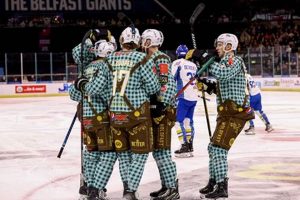
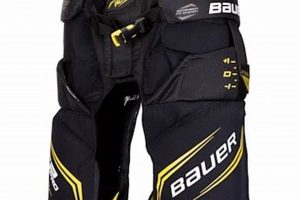
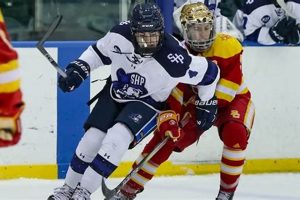
These specialized leg coverings are an essential component of the ice hockey uniform. Typically made of a knit material, these items fit over protective shin guards and extend from the ankle to the upper thigh, securing to a garter belt or specialized hockey jock shorts with Velcro tabs. A common example features a team’s primary color adorned with stripes representing the team’s secondary color.
Their importance lies in completing the uniform aesthetic, identifying players on the ice, and securely holding shin guards in place during gameplay. Historically, these were often made of wool, offering warmth but lacking in moisture-wicking properties. Modern versions utilize synthetic materials, providing enhanced comfort, durability, and moisture management, contributing to improved player performance and hygiene.
The subsequent sections will delve into the materials used in construction, the regulations governing their design and usage, and the various styles available to teams and individual players, providing a comprehensive overview of this critical piece of hockey equipment.
Selecting and Maintaining Protective Legwear
Proper selection and maintenance are crucial for maximizing the effectiveness and longevity of this essential piece of hockey equipment. These tips address key aspects of choosing the right product and ensuring its optimal performance.
Tip 1: Material Considerations: Prioritize synthetic materials like polyester or nylon blends over traditional wool. Synthetics offer superior moisture-wicking capabilities, preventing discomfort and bacterial growth caused by sweat accumulation.
Tip 2: Secure Fit is Paramount: Ensure a snug fit that prevents slippage during gameplay. Ill-fitting examples can lead to shin guard displacement, increasing the risk of injury and hindering performance.
Tip 3: Compatibility with Fastening Systems: Verify compatibility with the chosen fastening system, whether it be a traditional garter belt or Velcro tabs on hockey jock shorts. Incompatible systems can compromise security.
Tip 4: Proper Washing Procedures: Adhere to the manufacturer’s washing instructions. Avoid high heat, which can damage synthetic fibers and compromise elasticity. Air drying is preferable to machine drying.
Tip 5: Prompt Repair of Tears: Address any tears or snags immediately to prevent further damage and potential injury. Small tears can be repaired with needle and thread, while larger tears may necessitate replacement.
Tip 6: Regular Disinfection: Implement a routine disinfection protocol to minimize bacterial growth and odor. Anti-bacterial sprays specifically designed for sports equipment are recommended.
Tip 7: Inspection for Wear and Tear: Conduct regular inspections for signs of wear and tear, such as thinning material or compromised elasticity. Replace items exhibiting significant degradation to maintain protection and performance.
Adhering to these guidelines will ensure that this protective legwear performs optimally, providing comfort, protection, and hygiene throughout its lifespan. Proper care extends the life of the equipment and contributes to overall player safety.
The following sections will explore specific product recommendations and advanced maintenance techniques to further optimize the player’s experience and maximize the investment in hockey equipment.
1. Material Durability
Material durability represents a critical factor in the efficacy and longevity of ice hockey legwear. The rigors of the sport demand resilience to abrasion, stretching, and repeated laundering. The composition directly influences the garment’s ability to withstand these demands, thereby impacting its protective function and overall cost-effectiveness.
- Abrasion Resistance
Abrasion resistance defines the material’s capacity to resist surface wear from contact with skates, equipment, and the ice surface. Inferior materials quickly degrade, leading to tears and reduced structural integrity. High-tenacity synthetic fibers, such as reinforced polyester, exhibit superior abrasion resistance, extending the lifespan of the equipment.
- Tensile Strength
Tensile strength measures the material’s ability to withstand stretching forces without tearing or deforming. During gameplay, legwear experiences significant stretching as players move and collide. Fabrics with low tensile strength will stretch permanently, compromising the fit and potentially exposing skin to injury. Tightly woven fabrics with inherent elasticity are essential.
- Seam Integrity
Seam integrity refers to the strength and durability of the stitched connections within the garment. Weak seams are prone to failure under stress, leading to unraveling and compromising the structural integrity of the covering. Reinforced stitching techniques and high-quality thread are necessary to ensure seam integrity under demanding conditions.
- Resistance to Degradation from Laundering
Frequent laundering is necessary to maintain hygiene, but harsh detergents and high temperatures can degrade certain materials. Fabrics that resist fading, shrinking, and fiber breakdown after repeated washing are essential for long-term durability and maintaining consistent performance characteristics.
The interconnectedness of these facets underlines the importance of material selection. A compromise in any single area can significantly impact the overall performance and lifespan of ice hockey legwear, increasing replacement frequency and potentially exposing the player to injury. Superior materials offer a clear advantage in terms of durability, performance, and long-term value.
2. Secure Shin Guard Retention

Secure shin guard retention is paramount in ice hockey, directly impacting player safety and performance. The ability of legwear to maintain the correct positioning of shin guards is critical to mitigating potential injuries during gameplay. The design, material, and fastening mechanisms all contribute to this essential function.
- Elasticity and Compression
The elasticity of the fabric generates compressive force, holding the shin guard against the leg. Inadequate elasticity results in slippage, exposing the lower leg to potential impacts. Tightly knit, high-stretch materials are essential for maintaining consistent compression throughout periods of intense activity. For instance, professional-grade equipment is designed with graduated compression zones to optimize retention.
- Fastening System Integration
The method by which legwear interacts with a fastening system dictates the overall security. Whether utilizing a garter belt or integrated Velcro tabs, the connection points must be robust and reliable. Weak or poorly designed attachment points can fail under stress, leading to shin guard displacement. Industrial-strength Velcro and reinforced attachment points are common features in high-performance legwear.
- Grip Zones
Certain designs incorporate internal grip zones, often made of silicone or similar materials, to further enhance retention. These zones create friction between the garment and the shin guard, preventing movement. Grip zones are particularly effective in minimizing slippage during rapid changes in direction and high-impact collisions. Their strategic placement can significantly improve the stability of the protective gear.
- Proper Sizing and Fit
Correct sizing is fundamental to achieving secure retention. Legwear that is too large will not provide adequate compression, while items that are too small may restrict movement and compromise comfort. Manufacturers typically provide sizing charts based on height and leg circumference. Adhering to these guidelines ensures a proper fit, maximizing the effectiveness of the retention mechanisms.
The interplay of elasticity, fastening system integration, grip zones, and proper sizing collectively determines the security of shin guard retention. These features, carefully engineered into ice hockey legwear, are essential for minimizing injury risk and maximizing player confidence on the ice.
3. Team Uniform Aesthetics

Team uniform aesthetics, significantly influenced by legwear design, contribute to team identity and visual representation on the ice. These items, often displaying team colors and striping patterns, serve as a readily identifiable marker for spectators and officials. A cohesive and visually appealing uniform, with coordinated legwear, projects a sense of professionalism and unity, potentially influencing team morale and public perception. A poorly designed or mismatched element detracts from the overall presentation, potentially undermining the team’s image.
The specific colors, striping patterns, and placement of logos on the legwear are typically dictated by team branding guidelines. For instance, the Montreal Canadiens’ iconic blue, white, and red color scheme is consistently reflected in their legwear design, reinforcing their established brand identity. Conversely, a new expansion team might utilize legwear as a canvas to establish a distinct visual identity, differentiating itself from established franchises. The standardization and adherence to these aesthetic guidelines are crucial for maintaining a consistent and recognizable team image across all platforms, from live games to merchandise.
In summation, the aesthetic contribution of legwear extends beyond mere visual appeal. It plays a crucial role in shaping team identity, fostering a sense of unity, and communicating a professional image. The careful consideration and consistent application of team branding to this element of the uniform are essential for maximizing its impact and reinforcing the team’s overall brand message.
4. Moisture-Wicking Properties

Moisture-wicking properties constitute a critical performance characteristic of ice hockey legwear. During strenuous activity, players generate significant amounts of perspiration. Legwear lacking effective moisture-wicking capabilities traps sweat against the skin, leading to discomfort, skin irritation, and increased risk of bacterial growth. These conditions can negatively impact player performance and hygiene. For example, legwear constructed from traditional wool, while providing warmth, lacks the capacity to efficiently draw moisture away from the body, resulting in a damp, uncomfortable environment. In contrast, modern legwear utilizing synthetic fibers like polyester or nylon facilitates the transport of moisture away from the skin through capillary action, promoting evaporation and maintaining a dry, comfortable microclimate.
The practical application of enhanced moisture-wicking technology extends beyond mere comfort. By minimizing sweat accumulation, the risk of chafing and skin breakdown is significantly reduced. Furthermore, drier skin retains heat more efficiently, mitigating the potential for muscle cramping due to temperature fluctuations. In environments where maintaining optimal body temperature is crucial for sustained performance, the moisture-wicking properties of legwear contribute directly to player endurance and overall well-being. Teams actively seek out and specify legwear incorporating advanced moisture-wicking technologies to optimize player comfort and performance.
In summary, the moisture-wicking properties of ice hockey legwear are not merely a comfort feature, but a functional requirement for mitigating potential health risks and enhancing performance. The selection of materials with superior moisture-wicking capabilities represents a crucial aspect of choosing appropriate equipment for the sport, influencing player comfort, hygiene, and overall on-ice effectiveness. The evolution from traditional, moisture-retentive materials to advanced synthetics underscores the importance of this performance characteristic in modern ice hockey equipment design.
5. Proper Hygiene Maintenance

The direct contact between ice hockey legwear and the skin, often in a warm, moist environment created by perspiration, necessitates stringent hygiene protocols. The porous nature of the materials commonly used in these items provides an ideal breeding ground for bacteria and fungi. Inadequate hygiene maintenance results in unpleasant odors, skin infections such as athlete’s foot, and potential transmission of pathogens among team members. For example, frequent washing with appropriate detergents is crucial to remove sweat, dirt, and organic matter that fuel microbial growth. Failure to implement these measures compromises player health and the longevity of the equipment.
Effective hygiene maintenance extends beyond regular washing. Thorough drying is essential to inhibit microbial proliferation. Air drying in a well-ventilated area or the use of specialized equipment dryers is recommended. The application of antimicrobial sprays can further reduce bacterial and fungal load. Consider the example of a professional hockey team implementing a post-game equipment sanitization protocol. This involves immediate removal of legwear, washing with a disinfectant detergent, and drying in a dedicated equipment room. This proactive approach minimizes the risk of infection and cross-contamination. Furthermore, equipment should be stored in a manner that promotes air circulation and prevents moisture accumulation.
In summary, proper hygiene maintenance is an indispensable component of ice hockey legwear care. Neglecting these practices leads to a cascade of negative consequences, ranging from unpleasant odors to potentially serious infections. Adhering to a consistent and thorough hygiene routine safeguards player health, extends the lifespan of the equipment, and contributes to a more sanitary and professional sporting environment. The challenge lies in educating players and staff about the importance of these practices and implementing systems to ensure consistent compliance.
6. Optimal Elasticity

Optimal elasticity is a fundamental characteristic of effective ice hockey legwear, directly influencing fit, comfort, and the secure retention of protective equipment. The capacity of the material to stretch and recover its original shape is crucial for accommodating the dynamic movements inherent in the sport. Insufficient elasticity restricts movement, while excessive elasticity compromises the garment’s ability to maintain its form and function. For instance, legwear lacking adequate elasticity may impede skating stride, leading to decreased agility and potentially increasing the risk of muscle strain. This inherent property is achieved through specific material selection and knit construction techniques.
The elasticity of ice hockey legwear interacts directly with the fastening system, whether utilizing a garter belt or integrated Velcro tabs. The correct degree of elasticity provides the necessary tension to maintain a secure connection, preventing slippage during gameplay. As an example, consider legwear designed for professional athletes. Such designs typically incorporate a high percentage of elastane fibers, strategically positioned within the knit structure, to ensure optimal stretch and recovery. This allows the legwear to conform to the player’s leg while simultaneously maintaining sufficient tension to hold the shin guards in place without restricting movement or causing discomfort. The selection of appropriate materials, coupled with precise manufacturing techniques, are paramount in achieving the desired balance of support and flexibility.
In summary, optimal elasticity serves as a critical design parameter for ice hockey legwear, affecting player comfort, freedom of movement, and the security of protective equipment. The interplay between material composition, knit structure, and fastening system integration determines the effectiveness of this characteristic. By understanding and prioritizing optimal elasticity, players and equipment managers can contribute to improved on-ice performance and enhanced protection. Further research may explore how different elastic properties affect different body types and hockey-specific movements.
7. Compliance with Regulations
Adherence to established regulations governs the design, construction, and usage of protective legwear in ice hockey. These regulations, dictated by governing bodies at various levels of competition, aim to ensure player safety, maintain fair play, and standardize equipment across leagues. Non-compliance can lead to penalties, equipment restrictions, and potential liability for manufacturers and teams. The subsequent sections detail key regulatory aspects impacting legwear.
- Color Restrictions
Many leagues mandate specific color schemes for legwear to facilitate player identification and distinguish between teams. Regulations may stipulate primary and secondary colors, restrict the use of certain shades, or prohibit the inclusion of distracting patterns. Violations can result in fines or the removal of the non-compliant equipment from play. For instance, youth leagues frequently implement strict color regulations to assist referees in identifying players during fast-paced games.
- Logo Placement and Size
Regulations often govern the size, placement, and number of logos permitted on legwear. These restrictions aim to prevent excessive advertising and maintain a uniform aesthetic across teams. Governing bodies may specify maximum logo dimensions, dictate permissible locations on the garment, or prohibit the display of certain types of branding. Professional leagues generally have more relaxed logo restrictions compared to amateur organizations, reflecting the commercial interests involved.
- Material Specifications
In certain leagues, regulations may dictate specific material requirements for legwear, focusing on safety and performance characteristics. These specifications can include restrictions on fabric weight, tensile strength, and moisture-wicking properties. The goal is to ensure that legwear provides adequate protection and comfort while minimizing the risk of injury. For example, some regulations may prohibit the use of materials that are prone to tearing or that pose a flammability hazard.
- Attachment System Requirements
Regulations may address the type of attachment system used to secure legwear, mandating the use of specific fasteners or prohibiting certain designs. This can include requirements for garter belts, Velcro tabs, or integrated attachment systems. The aim is to ensure that legwear remains securely in place during gameplay, preventing shin guard slippage and maintaining consistent protection. Regulations may also specify minimum strength requirements for attachment points to prevent failure under stress.
These facets of regulatory compliance, spanning color restrictions, logo placement, material specifications, and attachment system requirements, collectively shape the design and usage of legwear in ice hockey. Adherence to these regulations is paramount for ensuring player safety, maintaining fair play, and upholding the integrity of the sport. Non-compliance carries consequences ranging from minor penalties to significant equipment restrictions, underscoring the importance of understanding and adhering to the relevant rules and guidelines.
Frequently Asked Questions
The following section addresses commonly raised inquiries regarding the selection, usage, and maintenance of ice hockey stockings, providing detailed information for players, parents, and equipment managers.
Question 1: What materials are most suitable for ice hockey stockings, and why?
Synthetic materials, such as polyester and nylon blends, are generally preferred over natural fibers like wool. Synthetics offer superior moisture-wicking properties, durability, and resistance to abrasion. Wool, while providing warmth, retains moisture, leading to discomfort and bacterial growth. This difference in material performance directly impacts player comfort and hygiene.
Question 2: How should ice hockey stockings be properly sized to ensure optimal performance and protection?
Manufacturers typically provide sizing charts based on player height and leg circumference. Accurate measurements are essential for selecting the appropriate size. Overly large items may slip and fail to provide adequate support, while overly small items may restrict movement and compromise comfort. It is crucial to consult sizing charts and consider individual preferences when selecting the appropriate size.
Question 3: What are the recommended washing and drying procedures for ice hockey stockings to maintain hygiene and extend their lifespan?
Ice hockey stockings should be washed regularly in cold water with a mild detergent. Avoid using bleach or fabric softeners, as these can damage the synthetic fibers and reduce their performance. Tumble drying on low heat or air drying is recommended. High heat can cause shrinkage and damage the elastic components of the legwear. Proper washing and drying procedures are critical for preventing odor buildup and bacterial growth.
Question 4: How do different fastening systems (garter belts vs. integrated Velcro) affect the performance and security of ice hockey stockings?
Garter belts provide a traditional method of securing ice hockey stockings, offering a customizable fit but potentially restricting movement. Integrated Velcro systems offer a more streamlined and convenient attachment method, typically providing a more secure and less restrictive fit. The choice between these systems depends on individual preferences and the design of the hockey pants being used. Both systems aim to maintain the position of the stockings and shin guards during gameplay.
Question 5: Are there specific regulations governing the color and design of ice hockey stockings in different leagues?
Yes, regulations regarding color and design vary depending on the league. Many leagues mandate specific color schemes to facilitate player identification and maintain a uniform appearance. Some leagues also restrict the size and placement of logos. It is crucial to consult the specific regulations of the relevant league to ensure compliance.
Question 6: How frequently should ice hockey stockings be replaced, even with proper care and maintenance?
The lifespan of ice hockey stockings depends on the frequency of use and the intensity of play. Items exhibiting significant wear and tear, such as thinning fabric, compromised elasticity, or damaged seams, should be replaced. Even with proper care, frequent use can degrade the materials over time, reducing their effectiveness. As a general guideline, ice hockey stockings may require replacement every one to two seasons, depending on usage.
In summary, the selection, usage, and maintenance of ice hockey stockings require careful consideration of materials, sizing, hygiene, fastening systems, regulations, and lifespan. Adhering to these guidelines ensures optimal performance, protection, and hygiene.
The following section will explore advanced customization options and innovative technologies related to ice hockey legwear.
Conclusion
This exploration has detailed various facets of ice hockey stockings, ranging from material composition and protective function to aesthetic considerations and regulatory compliance. The significance of proper selection, maintenance, and adherence to relevant guidelines has been emphasized throughout, underscoring the critical role these items play in player safety, performance, and team identity.
Given the ongoing advancements in material science and equipment design, continued vigilance and adaptation remain paramount. Stakeholders are encouraged to stay informed about evolving regulations, technological innovations, and best practices related to ice hockey stockings to ensure optimal player protection and performance in the sport.