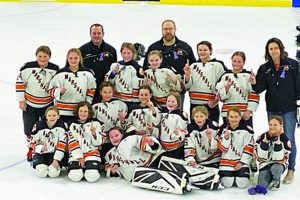
Organizations in Colorado Springs provide ice hockey programs designed for children and adolescents. These programs offer structured environments where young athletes can learn the fundamentals of the sport, develop their skills, and participate in competitive games. Such initiatives cater to a range of age groups and skill levels, from introductory “learn to skate” sessions to advanced travel teams.
Participation in these programs yields numerous advantages. Young players gain physical fitness through rigorous training and gameplay. They also cultivate important life skills, including teamwork, discipline, and perseverance. The historical context reveals a growing interest in youth sports, particularly ice hockey, within the Colorado Springs community, contributing to the overall health and well-being of its young residents.
The following sections will delve deeper into the specific organizations offering these hockey programs, the various leagues and divisions available, and the impact these programs have on the local community. This analysis will provide a comprehensive overview of the landscape of youth ice hockey in the region.
Tips for Thriving in Colorado Springs Youth Hockey
Participation in organized ice hockey offers numerous benefits. To maximize the positive experience, consider the following guidelines for players and their families within the Colorado Springs hockey community.
Tip 1: Prioritize Skill Development. Focus on mastering fundamental skills like skating, puck handling, and shooting. Consistent practice, both on and off the ice, contributes significantly to long-term player development. Supplemental skill sessions, if available, can enhance individual capabilities.
Tip 2: Emphasize Sportsmanship and Respect. Demonstrate respect towards teammates, opponents, coaches, and officials. Upholding the principles of fair play contributes to a positive and supportive environment for all participants. Displaying good conduct, regardless of the game’s outcome, reinforces ethical values.
Tip 3: Ensure Proper Equipment and Safety. Wear properly fitted and well-maintained protective gear at all times. Helmets, shoulder pads, elbow pads, gloves, pants, shin guards, and mouthguards are essential for minimizing the risk of injury. Regular equipment checks are crucial to guarantee optimal protection.
Tip 4: Maintain Open Communication with Coaches. Regularly communicate with coaches regarding player progress, concerns, or any relevant issues. Open dialogue facilitates a collaborative relationship, ensuring that individual needs are addressed effectively. Timely feedback and constructive criticism aid in player improvement.
Tip 5: Balance Hockey with Academics. Prioritize academic responsibilities and maintain a healthy balance between hockey and schoolwork. Effective time management skills enable players to excel in both areas. A strong academic foundation enhances future opportunities beyond the realm of sports.
Tip 6: Focus on Nutrition and Hydration. Adopt a healthy diet that provides the necessary nutrients and energy for optimal performance. Adequate hydration is crucial, especially before, during, and after games and practices. Proper nutrition contributes to physical well-being and enhances athletic capabilities.
Tip 7: Encourage Active Recovery and Rest. Allow sufficient time for rest and recovery between training sessions and games. Adequate sleep is essential for muscle repair and overall well-being. Active recovery techniques, such as stretching and light exercise, can aid in reducing muscle soreness.
These guidelines, when implemented consistently, can significantly enhance the experience of youth ice hockey participants. By prioritizing skill development, sportsmanship, safety, communication, academics, nutrition, and recovery, young athletes can maximize their potential and cultivate a lifelong love for the game.
The following sections will explore specific programs and opportunities available within the Colorado Springs youth hockey community, providing further resources and guidance for prospective players and their families.
1. Skill Development Emphasis

The robust nature of Colorado Springs youth hockey hinges significantly on a dedicated emphasis on skill development. This is not merely an ancillary component but a foundational pillar upon which successful programs are built. Skill development initiatives ensure that young athletes acquire the fundamental proficiencies required to not only participate but also thrive within the sport. These skills encompass skating techniques, puck handling abilities, passing accuracy, and shooting prowess. The cause-and-effect relationship is clear: a greater emphasis on these core skills translates directly into enhanced player performance, improved team dynamics, and ultimately, a more competitive and engaging hockey experience for all involved.
For example, local hockey organizations in Colorado Springs often implement structured training programs that prioritize skill-based drills and exercises. These sessions are designed to incrementally build upon existing abilities, providing players with the tools and knowledge necessary to advance their game. Furthermore, many coaches within these programs actively encourage and facilitate off-ice training, recognizing that physical conditioning and skill refinement extend beyond the confines of the rink. The practical significance of this understanding is evident in the consistently improving performance of Colorado Springs youth hockey teams in regional and national competitions. It also cultivates a higher retention rate, as players who feel competent and confident are more likely to remain engaged in the sport long-term.
In summary, skill development serves as a critical determinant of success within the Colorado Springs youth hockey landscape. Its influence extends beyond individual player improvement, impacting team cohesion, competitive standing, and long-term player retention. By prioritizing skill-based training and fostering a culture of continuous improvement, the region’s youth hockey programs are effectively cultivating a new generation of skilled and passionate hockey players. A challenge remains in ensuring equitable access to these skill-development resources across all socioeconomic backgrounds, necessitating ongoing efforts to reduce financial barriers and expand outreach initiatives.
2. Teamwork and Discipline

Teamwork and discipline function as intertwined pillars supporting the structure of Colorado Springs youth hockey. Teamwork, the collaborative effort of players towards a common goal, relies heavily on discipline, the adherence to rules, strategies, and team protocols. The absence of either element weakens the entire framework. A team comprised of highly skilled individuals, devoid of the discipline to follow a coach’s instructions or cooperate with teammates, will underperform. Conversely, a disciplined team lacking in individual skill will struggle to compete effectively. The cause-and-effect relationship is direct: effective teamwork necessitates disciplined execution, and disciplined execution amplifies the impact of teamwork.
Organizations involved in ice hockey in Colorado Springs understand this principle. Coaches implement training regimes designed to instill both teamwork and discipline. Drills focusing on passing sequences and strategic plays emphasize cooperation, while strict adherence to practice schedules and game-day routines fosters discipline. Furthermore, organizations often incorporate team-building activities that extend beyond the rink to strengthen bonds and promote mutual respect among players. A practical example is the implementation of a “leadership council” within a team, where selected players are responsible for reinforcing discipline and promoting positive team dynamics. The significance of this understanding manifests in the improved on-ice performance, as well as the development of valuable life skills applicable beyond the realm of sports.
In summary, the efficacy of Colorado Springs youth hockey is inextricably linked to the principles of teamwork and discipline. These elements are not merely desirable attributes but fundamental requirements for individual and collective success. While fostering these qualities presents ongoing challenges, particularly in balancing individual expression with team objectives, the commitment to integrating teamwork and discipline remains a defining characteristic of successful programs in the region. These efforts aim to cultivate well-rounded individuals who are not only skilled hockey players but also responsible and collaborative members of society.
3. Safe Playing Environment

The establishment and maintenance of a secure playing environment are paramount within Colorado Springs youth hockey. It encompasses not only physical safety measures but also the cultivation of a supportive and respectful atmosphere. This focus is critical for ensuring the well-being of young athletes and fostering a positive experience within the sport.
- Equipment Standards and Enforcement
Adherence to stringent equipment standards is a cornerstone of safety. This includes mandatory use of properly fitted helmets, shoulder pads, elbow pads, gloves, protective pants, shin guards, and mouthguards. Regular equipment inspections and enforcement of these standards are essential to minimize the risk of injury. For example, a league may mandate specific helmet certifications and provide resources for families to ensure proper fit.
- Qualified Coaching and Supervision
Qualified coaching personnel play a vital role in creating a safe environment. Coaches should possess appropriate certifications, demonstrating knowledge of safety protocols, injury prevention, and proper training techniques. Adequate supervision during all on-ice and off-ice activities is also crucial. This ensures that players are monitored and supported, and that potential hazards are identified and addressed promptly. Organizations may require background checks and ongoing training for coaching staff.
- Injury Prevention and Management
Proactive injury prevention strategies are essential. This includes implementing appropriate warm-up and cool-down routines, promoting proper conditioning, and educating players on injury prevention techniques. Clear protocols for injury management, including immediate access to medical personnel and appropriate return-to-play guidelines, are also necessary. Concussion management protocols, aligned with current best practices, are of particular importance, given the potential long-term consequences of head injuries.
- Zero Tolerance Policies for Misconduct
Implementing and enforcing zero-tolerance policies for bullying, harassment, and other forms of misconduct are critical for cultivating a safe and respectful environment. These policies should clearly define prohibited behaviors and outline the consequences for violations. Consistent enforcement of these policies sends a clear message that such behaviors are unacceptable and will not be tolerated. Open communication channels for reporting incidents and mechanisms for addressing concerns are also essential.
These facets of a safe playing environment are integral to the overall success and positive impact of Colorado Springs youth hockey. By prioritizing the well-being of young athletes, organizations can create a more enjoyable and enriching experience for all participants, fostering a lifelong love of the sport and promoting the development of responsible and respectful individuals.
4. Community Engagement

The robust nature of youth ice hockey in Colorado Springs is inextricably linked to the level of community engagement. This engagement extends beyond mere participation; it encompasses a multifaceted support system that bolsters the programs and fosters a thriving environment for young athletes.
- Local Sponsorship and Funding
Businesses within Colorado Springs play a crucial role through sponsorships and financial contributions. These funds often support facility maintenance, equipment purchases, and scholarship programs for underprivileged youth. For instance, a local restaurant might sponsor a team, providing financial assistance and generating community awareness. Such sponsorships ensure the sustainability and accessibility of these athletic opportunities.
- Volunteer Support
Parental and community volunteerism is integral to the operation of youth hockey programs. Volunteers contribute their time and expertise in various capacities, including coaching, managing teams, organizing events, and providing administrative support. Their dedication reduces operational costs and fosters a sense of shared responsibility. A parent coaching a team, or a local resident assisting with fundraising efforts are typical examples.
- Public Awareness Campaigns
Community engagement is amplified through public awareness campaigns. These campaigns, often coordinated by local organizations and media outlets, promote youth hockey participation, highlight player achievements, and raise awareness of the sport’s benefits. Local news coverage of youth hockey tournaments and community events designed to introduce the sport to new audiences exemplify this facet.
- Partnerships with Local Schools
Collaboration between youth hockey organizations and local schools can significantly enhance community engagement. These partnerships may involve providing after-school hockey programs, offering hockey-related physical education activities, and promoting the sport through school-sponsored events. A school hosting a “Learn to Skate” program in partnership with a local hockey organization illustrates this collaboration.
These facets of community engagement underscore the integral role that local support plays in the vitality of youth ice hockey in Colorado Springs. By fostering strong partnerships and leveraging community resources, these programs can ensure their continued success and provide valuable opportunities for young athletes to develop their skills, build character, and contribute positively to the community.
5. Affordable Participation
The accessibility of Colorado Springs youth hockey is fundamentally linked to the principle of affordable participation. The cost associated with equipment, ice time, league fees, and travel can present a significant barrier for many families. The consequence of unaffordable participation is reduced access, limiting opportunities for young athletes from diverse socioeconomic backgrounds to engage in the sport. Affordable options can significantly expand the pool of potential players, increasing participation rates and fostering a more inclusive hockey community. For example, organizations securing discounted ice time from local rinks or offering equipment loan programs directly address the financial obstacles faced by families.
Strategies aimed at reducing costs are paramount. Scholarship programs, often funded through fundraising efforts and corporate sponsorships, provide financial assistance to families in need. Equipment swaps and donation drives offer opportunities to acquire used gear at reduced prices or even for free. Furthermore, streamlining administrative processes and negotiating favorable rates with vendors can contribute to lowering overall league fees. The practical application of these strategies translates into increased enrollment and a more diverse representation of the Colorado Springs community within youth hockey programs. The presence of such affordable measures has a significant impact on the local community by offering more children the opportunity to participate in an active and healthy sport.
Affordable participation is not merely a desirable goal but a critical component for the sustained growth and inclusivity of Colorado Springs youth hockey. While the financial challenges remain significant, the implementation of cost-reduction strategies and the commitment to providing financial assistance can help ensure that access to youth hockey is not limited by economic circumstances. The continued focus on affordability will foster a more equitable and vibrant hockey community, benefiting both individual players and the broader Colorado Springs region.
Frequently Asked Questions
This section addresses common inquiries concerning youth ice hockey programs in the Colorado Springs area, providing factual and unbiased information.
Question 1: What age ranges are typically served by youth hockey programs in Colorado Springs?
Youth hockey programs in Colorado Springs generally cater to children and adolescents ranging from ages 4 to 18. Age divisions are commonly structured according to USA Hockey guidelines, which group players based on birth year to ensure fair competition.
Question 2: What are the typical costs associated with participation in youth hockey?
Participation costs vary depending on the level of play and the specific organization. Expenses may include registration fees, equipment costs, ice time fees, travel expenses, and coaching fees. Scholarship and financial aid opportunities may be available to eligible families.
Question 3: What equipment is required for youth hockey participation?
Mandatory protective equipment includes a helmet, shoulder pads, elbow pads, gloves, hockey pants, shin guards, a mouthguard, and athletic supporter. Skates and a hockey stick are also required. Properly fitted equipment is essential for safety and injury prevention.
Question 4: How many practices and games can be expected per week?
The frequency of practices and games varies depending on the age division and the level of competition. Younger age groups typically have fewer commitments than older, more competitive teams. A general expectation may include two to three practices per week and one to two games per weekend.
Question 5: What are the qualifications of the coaches involved in youth hockey programs?
Coaches are typically required to possess USA Hockey coaching certifications, which mandate training in safety, skill development, and coaching ethics. Background checks are often conducted to ensure the safety and well-being of the players.
Question 6: What are the primary goals of youth hockey programs in Colorado Springs?
The primary goals encompass skill development, fostering teamwork and sportsmanship, promoting physical fitness, and creating a positive and enjoyable experience for young athletes. These programs aim to instill valuable life lessons and cultivate a lifelong love of the sport.
These answers provide a foundational understanding of youth ice hockey in Colorado Springs. Prospective participants are encouraged to consult directly with local organizations for more specific information.
The following section offers resources and contact information for youth hockey organizations in Colorado Springs.
Conclusion
This exploration of Colorado Springs youth hockey has illuminated the multifaceted nature of these programs, highlighting the significance of skill development, teamwork, safety, community engagement, and affordable participation. The analysis has demonstrated that the success of youth hockey in the region is not solely contingent upon athletic prowess but also relies on a robust support system encompassing families, organizations, and the broader community.
The ongoing commitment to fostering a positive and accessible environment for young athletes will determine the future vitality of Colorado Springs youth hockey. Continued investment in these programs is essential for nurturing the next generation of skilled and responsible individuals, both on and off the ice. Further research and community involvement are encouraged to ensure the continued growth and inclusivity of this important aspect of the Colorado Springs community.