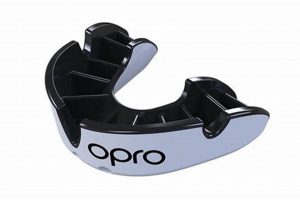
This protective device, worn inside the mouth, is designed to cushion blows and minimize the risk of injuries to the teeth, lips, and jaws during hockey gameplay. Its function is similar to that of a bumper, absorbing and distributing impact force across a wider area. A common example involves a player receiving a high-stick, where the appliance prevents a broken tooth or lacerated lip.
The utilization of such dental protection is critical in hockey due to the high-impact nature of the sport. Benefits include reduced likelihood of concussions by absorbing shockwaves that can travel to the brain, minimizing the severity of dental trauma, and preventing jaw fractures. While earlier versions might have been rudimentary or uncomfortable, modern designs offer improved comfort and customized fit, enhancing player compliance.
Considering the essential role this equipment plays in athlete safety, the following discussion will delve into specific types available, proper fitting techniques, maintenance guidelines, and regulatory requirements regarding its use in organized hockey leagues. This exploration aims to provide a comprehensive understanding of how to select and utilize this vital piece of safety gear effectively.
Essential Usage Guidance
The following recommendations are designed to maximize the effectiveness and longevity of the oral safety appliance used in hockey, ensuring optimal protection and hygiene.
Tip 1: Selection Criteria: Choose a device that provides a snug, comfortable fit. Ill-fitting devices can compromise protection and distract the athlete. A properly fitted appliance should cover all teeth and extend into the soft tissue of the mouth.
Tip 2: Custom Fitting: Consider a custom-molded version for superior fit and retention. These appliances are fabricated by a dental professional based on an impression of the athlete’s teeth, offering a more precise and comfortable fit than boil-and-bite alternatives.
Tip 3: Proper Insertion and Removal: Insert the device securely before each game or practice. Ensure it is fully seated and covers all necessary teeth. Remove it carefully after use, avoiding excessive force that could damage the device or injure the mouth.
Tip 4: Regular Cleaning: Clean the appliance thoroughly after each use with a soft toothbrush and mild soap. Avoid harsh chemicals or abrasive cleaners that could damage the material. Rinse thoroughly with cool water.
Tip 5: Safe Storage: Store the device in a ventilated case to prevent bacterial growth and maintain its shape. Avoid leaving it exposed to sunlight or high temperatures, which can cause distortion.
Tip 6: Routine Inspection: Regularly inspect the device for signs of wear and tear, such as cracks, tears, or thinning. Replace the appliance if any damage is detected, as this can compromise its protective capabilities.
Tip 7: Professional Evaluation: Schedule regular dental checkups to ensure proper fit and function, especially for growing athletes whose dental structures are changing. A dental professional can assess the appliance’s condition and recommend necessary adjustments or replacements.
Adhering to these guidelines contributes significantly to the athlete’s safety and well-being, reducing the risk of oral injuries and promoting long-term dental health.
The next section will address common concerns and frequently asked questions regarding this essential protective equipment.
1. Impact Absorption

The fundamental function of a hockey gum guard resides in its capacity for impact absorption. This characteristic directly mitigates the force of collisions experienced during gameplay. A hockey gum guard, fabricated from energy-absorbent materials such as ethylene-vinyl acetate (EVA), deforms upon impact, converting kinetic energy into other forms, such as heat, thereby reducing the force transmitted to the teeth, jaw, and potentially the brain. The absence of adequate impact absorption in a dental appliance renders it ineffective in safeguarding against injury. For example, a direct blow to the mouth without sufficient protection could result in fractured teeth, jaw dislocation, or concussion; a properly constructed appliance minimizes this risk.
The effectiveness of impact absorption is contingent on several factors, including the material properties of the guard, its thickness, and its fit. A thicker guard provides greater protection against high-impact forces. Additionally, a customized fit ensures the forces are distributed more evenly across the dental arch, preventing concentrated stress on individual teeth or areas of the jaw. For instance, a loose-fitting device may shift upon impact, negating its protective capabilities and potentially exacerbating injuries. Rigorous testing protocols are often employed to evaluate the impact absorption capabilities of these protective devices, simulating real-world hockey collisions to assess their performance under various conditions.
In conclusion, the connection between impact absorption and the purpose of a hockey gum guard is inseparable. Impact absorption is not merely a feature but the defining characteristic of its protective function. Understanding the principles and variables that influence impact absorption allows for informed decisions regarding the selection, fitting, and maintenance of this critical piece of sports safety equipment, contributing to a reduction in injury rates and promoting player well-being. Challenges remain in developing materials that offer superior impact absorption without compromising comfort or durability, an ongoing area of research and development.
2. Custom Fit
The precision of fit in a hockey gum guard directly correlates with its protective efficacy and comfort. A standard or poorly fitted appliance introduces compromises in both safety and usability. The ideal fit ensures comprehensive coverage and secure retention, which are paramount in the high-impact environment of hockey.
- Enhanced Protection
A customized fit ensures that the appliance covers all teeth adequately, extending slightly onto the gums, thereby maximizing the area of impact distribution. This reduces the risk of localized trauma to individual teeth and minimizes the potential for concussion by dissipating force evenly across the jaw. A poorly fitted appliance, conversely, may leave certain areas exposed or shift upon impact, increasing vulnerability.
- Improved Retention
Secure retention is critical to prevent dislodgement during gameplay. A custom-molded device, fabricated from a dental impression, offers superior retention compared to generic, boil-and-bite options. This minimizes the likelihood of the appliance becoming a choking hazard or failing to provide protection at the moment of impact.
- Increased Comfort and Compliance
Comfort plays a significant role in athlete compliance. A well-fitted appliance minimizes discomfort and interference with speech or breathing, encouraging consistent use. A bulky or ill-fitting guard is more likely to be removed during play, negating its protective benefits.
- Optimal Force Distribution
A custom fit ensures that impact forces are distributed evenly across the dental arch and surrounding tissues. This reduces stress concentration on specific teeth or areas of the jaw, minimizing the risk of fractures or dislocations. This balanced distribution enhances the overall protective capacity of the appliance.
In conclusion, the investment in a custom-fitted hockey gum guard represents a commitment to superior protection and comfort. The benefits extend beyond simple dental protection, encompassing concussion risk reduction and improved athlete compliance, solidifying its position as a crucial element of player safety.
3. Mandatory Use

Mandatory use policies regarding dental protection in hockey have evolved significantly, driven by increasing awareness of injury prevention and long-term health consequences. These regulations represent a proactive approach to safeguarding athletes at all levels of competition.
- Reduced Incidence of Dental Injuries
Mandatory usage demonstrably lowers the occurrence of dental trauma, including fractured, displaced, or avulsed teeth. Data from leagues enforcing mandatory protection consistently reveals a decrease in such injuries compared to those without such stipulations. For instance, a study comparing injury rates between youth hockey leagues with and without mandatory rules showed a significant reduction in dental injuries in the former.
- Mitigation of Concussion Risk
While not designed primarily for concussion prevention, oral appliances contribute to head injury mitigation by absorbing and dissipating impact forces that might otherwise transmit to the brain. Mandatory policies indirectly promote this benefit, as consistent use ensures this protective effect is always in place. Evidence suggests that properly fitted devices can reduce the severity of concussions, although further research is ongoing.
- Legal and Liability Considerations
Organizations enforcing mandatory usage demonstrate a commitment to player safety, potentially reducing liability in the event of injury. Implementing and enforcing these rules provides a clear standard of care, protecting both the organization and its participants from potential legal challenges. This proactive approach is increasingly important in an environment of heightened awareness of sports-related injuries.
- Promotion of Safety Culture
Mandatory rules instill a culture of safety within the sport, normalizing the use of protective equipment and encouraging athletes to prioritize their well-being. This cultural shift extends beyond compliance with the rules, fostering a broader awareness of injury prevention strategies and promoting responsible behavior on and off the ice. This contributes to a more sustainable and healthy sporting environment.
The widespread adoption of mandatory usage policies for mouthguards in hockey reflects a growing recognition of the importance of preventative measures in protecting athlete health. By reducing the incidence of dental injuries, mitigating concussion risk, addressing legal considerations, and fostering a culture of safety, these regulations contribute significantly to the overall well-being of hockey players at all levels.
4. Dental Protection
Dental protection, in the context of hockey, constitutes a critical element of athlete safety, directly addressing the high risk of orofacial injuries inherent in the sport. The hockey gum guard serves as the primary means of providing this essential safeguarding.
- Prevention of Tooth Avulsion
Tooth avulsion, the complete displacement of a tooth from its socket, represents a severe dental injury with long-term implications. A properly fitted hockey gum guard cushions the impact forces that can lead to avulsion, reducing the likelihood of this traumatic event. For example, a direct blow from a hockey stick or puck to the mouth, if unprotected, can easily result in avulsion; the presence of a guard dissipates the force, preserving the integrity of the tooth and its supporting structures.
- Reduction of Tooth Fracture
Tooth fractures, ranging from minor chips to complete breaks, are common hockey injuries. The gum guard provides a physical barrier, absorbing impact and preventing direct contact between the teeth and external forces. A well-designed guard distributes the force across the entire dental arch, minimizing stress concentration on individual teeth and reducing the risk of fracture. For instance, a player falling face-first onto the ice could sustain significant tooth damage without adequate protection.
- Minimization of Soft Tissue Lacerations
Lacerations to the lips, gums, and inner cheeks are frequent consequences of hockey-related impacts. The gum guard extends beyond the teeth, providing a protective buffer for the surrounding soft tissues. This reduces the severity of lacerations and minimizes the risk of infection and scarring. A sharp impact from a skate blade or stick can cause deep cuts in the absence of sufficient protection.
- Support for Jaw Joint Stability
The temporomandibular joint (TMJ), responsible for jaw movement, is vulnerable to injury from hockey impacts. A properly fitted gum guard can contribute to TMJ stability by providing a cushion between the upper and lower jaws, reducing the force transmitted to the joint. This can help prevent dislocations and reduce the risk of long-term TMJ disorders. Direct impacts to the chin or jaw can disrupt TMJ function without adequate protection.
These facets of dental protection underscore the indispensable role of the hockey gum guard in mitigating the risk of orofacial injuries. While complete prevention may not always be possible, consistent and proper utilization of this protective equipment significantly minimizes the severity and incidence of dental trauma in hockey athletes. Further research into advanced materials and designs continues to enhance the effectiveness of gum guards in safeguarding dental health.
5. Concussion Reduction

The relationship between concussion reduction and hockey gum guards is a subject of ongoing research and debate. While gum guards primarily offer dental and orofacial protection, their potential role in mitigating concussion risk warrants careful consideration. The theory behind concussion reduction lies in the gum guard’s ability to absorb and dissipate impact forces, potentially reducing the transmission of these forces to the skull and brain. However, the effectiveness of this mechanism remains a complex issue with varying research findings. For instance, a direct blow to the jaw can transmit forces to the skull, and a properly fitted gum guard may cushion this impact, potentially lessening the severity of the resulting concussion. Some studies suggest a correlation between gum guard use and a reduced risk of concussion, while others find no significant association. The variability in study designs, participant populations, and concussion diagnostic criteria contributes to the conflicting results. The type of gum guard, its fit, and the nature of the impact all play a role in determining its effectiveness in concussion reduction.
The mechanism by which gum guards might influence concussion risk is multifaceted. It is hypothesized that gum guards can stabilize the head and neck during impact, reducing the whiplash effect that can contribute to concussions. By creating a space between the upper and lower jaws, the gum guard may also reduce the force of impact transmitted to the temporomandibular joint (TMJ) and subsequently to the skull. Furthermore, gum guards may activate jaw muscles, providing additional support and stability to the head and neck region. Real-world examples are difficult to isolate due to the multifactorial nature of concussions, but anecdotes from athletes and coaches suggest that gum guards can provide a sense of security and confidence, potentially leading to less hesitant play and reduced risk-taking behavior, indirectly lowering concussion risk. Understanding the biomechanical principles underlying impact transmission and absorption is crucial to designing and evaluating gum guards for concussion reduction. Ongoing research focuses on developing new materials and designs that can maximize impact absorption and minimize force transmission to the brain.
In summary, while the primary function of a hockey gum guard is dental protection, its potential role in concussion reduction is a topic of ongoing investigation. The ability of a gum guard to absorb and dissipate impact forces, stabilize the head and neck, and reduce force transmission to the TMJ may contribute to concussion mitigation. However, the effectiveness of this mechanism depends on various factors, including the type of gum guard, its fit, and the nature of the impact. Further research is needed to definitively establish the relationship between gum guard use and concussion reduction, and to develop evidence-based guidelines for selecting and using gum guards for this purpose. A holistic approach to concussion prevention, encompassing proper training techniques, rule enforcement, and the use of appropriate protective equipment, remains paramount.
6. Material Integrity
Material integrity represents a foundational characteristic dictating the functionality and safety of hockey gum guards. It encompasses the physical properties and structural soundness of the materials used, ensuring the device withstands the rigors of high-impact sports without compromising its protective capabilities.
- Tensile Strength and Tear Resistance
These properties determine the gum guard’s ability to resist stretching and tearing under stress. High tensile strength ensures the material can absorb significant impact energy without fracturing or deforming to a point of ineffectiveness. Poor tear resistance can lead to rapid degradation of the appliance, rendering it vulnerable to failure. For example, a gum guard constructed from a low-grade polymer may tear easily upon impact, exposing the teeth to injury. Conversely, materials like ethylene-vinyl acetate (EVA) with enhanced tensile strength offer superior protection and longevity.
- Impact Absorption Capacity
The capacity to absorb and dissipate impact energy is paramount. Materials must possess inherent damping properties to reduce the force transmitted to the teeth and jaw. A material that rebounds quickly after impact, rather than absorbing the energy, increases the risk of injury. Specialized polymers with viscoelastic properties, designed to deform slowly under stress, are often employed to maximize impact absorption. Real-world scenarios demonstrate that guards with superior impact absorption significantly reduce the severity of dental trauma.
- Chemical Stability and Bio-compatibility
Chemical stability ensures that the material does not degrade or leach harmful substances upon exposure to saliva or cleaning agents. Bio-compatibility is essential to prevent allergic reactions or irritation to oral tissues. Materials used in gum guard construction must be inert and non-toxic. For example, some older materials contained plasticizers that leached over time, posing potential health risks. Modern gum guards utilize FDA-approved materials that meet stringent safety standards.
- Dimensional Stability and Durability
Dimensional stability refers to the material’s ability to maintain its shape and size over time and under varying temperature conditions. Durability relates to its resistance to wear and tear from repeated use. A gum guard that shrinks, warps, or becomes brittle compromises its fit and protective capabilities. High-quality materials, such as heat-cured acrylics or advanced composites, offer superior dimensional stability and durability, ensuring consistent performance throughout the appliance’s lifespan. Proper storage and maintenance practices also contribute to preserving material integrity.
The convergence of these material properties directly impacts the overall effectiveness of a hockey gum guard. Selecting materials that exhibit optimal tensile strength, impact absorption, chemical stability, and dimensional stability is crucial to providing athletes with a reliable and safe protective device. Ongoing research and development efforts are focused on engineering new materials with enhanced performance characteristics, further improving the safety and longevity of these essential pieces of sports equipment.
7. Proper Maintenance

The efficacy and longevity of a hockey gum guard are inextricably linked to diligent maintenance practices. Neglecting proper care diminishes its protective capacity and introduces hygiene concerns. A gum guard, designed to absorb impact and protect oral structures, deteriorates over time due to repeated stress and exposure to oral bacteria. Regular cleaning removes accumulated debris and prevents microbial colonization, thus mitigating the risk of infections and unpleasant odors. Furthermore, inspecting the device for signs of wear, such as cracks, tears, or thinning, allows for timely replacement, averting potential failures during critical moments of gameplay. A hockey player who consistently cleans and inspects the equipment ensures continued reliable performance.
Practical application of these principles involves establishing a consistent routine. After each use, the gum guard should be rinsed thoroughly with cool water to remove saliva and debris. A soft-bristled toothbrush and mild soap can then be used to gently scrub all surfaces. Harsh chemicals or abrasive cleaners are to be avoided, as they can degrade the material. Following cleaning, the appliance must be air-dried completely before being stored in a ventilated case. This prevents moisture buildup, inhibiting bacterial growth. Periodic soaking in denture cleaning solutions, according to manufacturer instructions, provides deeper disinfection. Neglecting this process can lead to a buildup of biofilm, compromising hygiene and potentially affecting taste.
In summary, the connection between proper maintenance and the hockey gum guard is fundamental to its intended function. This routine preservation not only extends the lifespan of the appliance but also safeguards against infection and ensures consistent protective performance. Ignoring these guidelines increases the risk of equipment failure and potential injury, highlighting the practical significance of incorporating maintenance into standard hockey gear protocols. Future developments might focus on self-cleaning materials or integrated sensors to monitor wear, further enhancing maintenance practices.
Frequently Asked Questions
The following section addresses common inquiries concerning the function, selection, and maintenance of oral protective devices used in hockey. It provides concise answers based on established practices and research.
Question 1: What is the primary purpose of a hockey gum guard?
Its primary function is to mitigate the risk of dental and orofacial injuries during hockey gameplay. This includes preventing tooth fractures, avulsions, lacerations to soft tissues, and reducing forces transmitted to the jaw joint.
Question 2: How does a hockey gum guard contribute to concussion reduction?
While not its primary function, a gum guard may absorb and distribute impact forces, potentially reducing the transmission of these forces to the skull and brain. However, the extent of this effect is a subject of ongoing research.
Question 3: What types of materials are commonly used in the construction of a hockey gum guard?
Common materials include ethylene-vinyl acetate (EVA), thermoplastic polymers, and, in custom-fitted versions, heat-cured acrylics or advanced composites. These materials are selected for their impact absorption, durability, and bio-compatibility.
Question 4: How should a hockey gum guard be properly fitted?
The ideal fit ensures complete coverage of all teeth, extending slightly onto the gums, with secure retention. Custom-molded versions, fabricated from a dental impression, offer the most precise fit. Boil-and-bite options should be carefully molded according to manufacturer instructions.
Question 5: What are the essential maintenance practices for a hockey gum guard?
After each use, the gum guard should be rinsed with cool water, cleaned with a soft toothbrush and mild soap, and air-dried completely before storage in a ventilated case. Harsh chemicals or abrasive cleaners should be avoided.
Question 6: How often should a hockey gum guard be replaced?
Replacement frequency depends on usage and wear. The appliance should be inspected regularly for signs of damage, such as cracks, tears, or thinning. Replacement is recommended if any damage is detected or if the fit becomes compromised.
The core takeaway is that proper selection, fitting, and maintenance are crucial to maximizing the protective benefits of a hockey gum guard, contributing to athlete safety and long-term dental health.
The subsequent section will address regulatory considerations and guidelines regarding the use of mouthguards in organized hockey leagues.
In Summary
This discussion has thoroughly examined the “hockey gum guard,” a crucial element of protective equipment for athletes participating in this high-impact sport. The analysis covered its fundamental function in preventing dental injuries, potential contributions to concussion mitigation, material composition, fitting techniques, essential maintenance procedures, and relevant regulatory frameworks. Understanding these aspects facilitates informed decisions regarding selection, use, and care, ultimately enhancing player safety.
The consistent and proper employment of this device constitutes a proactive step toward safeguarding oral health and reducing the risk of severe trauma. Recognizing the long-term implications of sports-related injuries, prioritizing the utilization and maintenance of “hockey gum guard” is not merely a matter of compliance, but a commitment to the well-being and sustained participation of athletes in the sport.