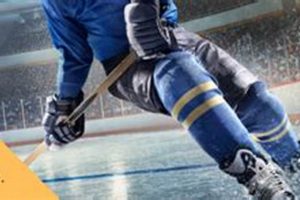
Protective equipment designed for ice hockey players, specifically upper-body armor manufactured by CCM, safeguards the shoulders, sternum, back, and often the biceps. This gear combines hard plastic caps with foam padding to mitigate impact forces. Various models exist, catering to different levels of play and body types. An example is the CCM Tacks line, offering enhanced protection and mobility for competitive athletes.
The significance of adequate upper-body protection cannot be overstated in a high-impact sport like hockey. Such equipment helps minimize the risk of injuries ranging from bruises and contusions to more serious conditions like shoulder dislocations, sternum fractures, and spinal injuries. Historically, shoulder protection has evolved from rudimentary leather padding to sophisticated designs incorporating advanced materials and ergonomic considerations, reflecting a growing emphasis on player safety at all levels.
The ensuing discussion will delve into key aspects of this equipment, including features, fitting considerations, maintenance procedures, and factors to consider when selecting appropriate protective gear to meet individual needs and preferences. We will also explore technological advancements incorporated into modern designs.
Essential Guidance
The following points offer crucial information for optimal utilization and care, ensuring player safety and the longevity of the protective equipment.
Tip 1: Prioritize Proper Fit: A secure and snug fit is paramount. Ill-fitting armor may shift during play, compromising protection. Ensure the shoulder caps sit comfortably on the shoulders, and the chest and back panels provide ample coverage without restricting movement. Consult sizing charts and, if possible, seek expert fitting advice.
Tip 2: Inspect Regularly for Damage: Before each use, thoroughly examine the equipment for any signs of wear and tear, such as cracks in the plastic caps, tears in the padding, or loose straps. Damaged equipment should be repaired or replaced immediately to maintain its protective capabilities.
Tip 3: Maintain Cleanliness: Perspiration and bacteria can degrade materials and cause unpleasant odors. After each use, air out the armor and consider using a disinfectant spray designed for sports equipment. Periodically, hand-wash the equipment with mild soap and water, ensuring thorough rinsing and drying.
Tip 4: Properly Adjust Straps: Secure all straps firmly to prevent the equipment from shifting during play. However, avoid overtightening, as this can restrict movement and circulation, potentially leading to discomfort or injury.
Tip 5: Consider Level of Play: Select a model that aligns with the intensity and frequency of participation. More competitive players may require models with enhanced protection and features, while recreational players may find more basic models sufficient.
Tip 6: Evaluate Mobility and Comfort: Protective capabilities are important, however, one must consider a model that permits a full range of motion. Try simulating skating and shooting motions while wearing the equipment to ensure it does not impede performance or cause discomfort.
Tip 7: Understand Technological Innovations: Manufacturers continually introduce new materials and designs to enhance protection, comfort, and performance. Stay informed about the latest advancements and consider how these innovations could benefit individual needs.
Adhering to these points ensures both the safety of the user and the durability of the protective gear, thereby extending its lifespan and maximizing its effectiveness.
The subsequent sections will address more detailed aspects such as maintenance practices, common issues, and repair options.
1. Protection Level
Protection Level, in the context of CCM ice hockey upper-body armor, dictates the degree to which it mitigates impact forces and safeguards against injuries. Selecting the correct protection level is crucial for player safety and performance, necessitating careful consideration of playing style, frequency of participation, and potential risks involved.
- Recreational Level Protection
Recreational models offer a base level of protection suitable for infrequent or casual play. These typically feature less dense foam padding and simpler construction, prioritizing comfort and affordability over maximum impact absorption. An example includes a basic shoulder pad design with single-layer foam protection in key areas. This is appropriate for players in beginner leagues where the risk of high-speed collisions is lower.
- Intermediate Level Protection
Intermediate models strike a balance between protection, mobility, and cost. These often incorporate multi-density foam padding and reinforced plastic caps to provide greater impact absorption than recreational models. An example is a pad incorporating D3O Lite foam in the shoulder caps for increased impact dispersion. These are suitable for players in more competitive leagues who require enhanced protection without sacrificing agility.
- Elite Level Protection
Elite models provide the highest level of protection, utilizing advanced materials and construction techniques to maximize impact absorption and minimize injury risk. These often feature anatomical designs and adjustable features to ensure a secure and customized fit. An example includes models utilizing D3O Smart Material or similar high-end foams strategically placed in high-impact zones, coupled with adjustable bicep guards and torso protection. These are designed for professional or highly competitive players who face significant risk of high-velocity impacts.
- Position-Specific Considerations
Certain playing positions inherently carry a higher risk of specific types of injuries. Forwards, often involved in battles along the boards and near the net, might benefit from increased protection in the chest and back. Defensemen, who frequently block shots, may require enhanced shoulder cap protection. Understanding these positional needs informs the selection of a model with the appropriate protection level and features.
In summary, the correlation between the protection level offered by CCM upper-body armor and the specific needs of the player determines the equipment’s effectiveness. Choosing a model that aligns with the level of play, position, and individual risk factors ensures optimal safety and performance on the ice.
2. Range of Motion

Range of motion, in the context of CCM upper-body protective gear, refers to the degree of unrestricted movement afforded to a player while wearing the equipment. The design and construction of this protective gear directly impact the wearer’s ability to execute essential hockey maneuvers, such as skating, shooting, passing, and checking. Reduced range of motion can impede performance, increase fatigue, and potentially elevate the risk of injury due to altered biomechanics. For instance, a shoulder pad design that excessively restricts arm abduction may hinder a player’s ability to lift their stick for a shot or a check, leading to decreased effectiveness and possible compensatory movements that strain other muscle groups. A common cause of this limitation arises from overly bulky or improperly sized pads, or rigid construction materials.
The importance of unrestricted range of motion is exemplified by comparing earlier, more restrictive designs with modern, anatomically contoured models. Older shoulder pads often prioritized maximal protection at the expense of mobility, resulting in bulky, inflexible structures. Modern designs, however, incorporate segmented padding, flexible materials like stretch fabrics in key areas, and anatomical shaping to allow for a greater range of movement without sacrificing protection. Examples include the strategic placement of flexible panels in the underarm area to facilitate full arm extension during a slapshot, and articulated shoulder caps that move with the player’s arm, rather than against it. This improvement in design translates directly to enhanced agility, power, and efficiency on the ice.
In summary, achieving an optimal balance between protection and range of motion is a critical design consideration in CCM upper-body protective gear. While the primary function is to safeguard against injuries, any restriction on a player’s natural movement patterns can negatively impact performance and potentially increase the risk of other types of injuries. Selecting the correct size and design of CCM shoulder pads, that prioritizes both protection and mobility, is crucial for maximizing player effectiveness and minimizing the potential for adverse outcomes.
3. Proper Sizing

Proper sizing of CCM ice hockey upper-body protection directly influences its effectiveness in mitigating injury. A correctly sized shoulder pad system ensures the protective elements shoulder caps, sternum pads, back panels, and bicep guards are positioned correctly to absorb and disperse impact forces. Conversely, improperly sized equipment compromises protective capabilities. A shoulder pad that is too large may shift during play, exposing vulnerable areas to direct impact. A shoulder pad that is too small may fail to adequately cover critical areas, similarly increasing the risk of injury. For example, a player wearing a pad that is too small might sustain a shoulder separation due to inadequate coverage of the acromioclavicular joint.
The correct fit also impacts mobility and performance. Overly large pads can restrict arm movement, hindering skating and shooting techniques. Overly small pads may cause discomfort and chafing, distracting the player and limiting their range of motion. CCM typically provides sizing charts based on chest circumference and height to guide selection. However, fitting equipment in person remains the most reliable method, as body types vary. Factors such as the presence of additional padding or undergarments must also be considered when determining appropriate sizing. The design features of CCM protective equipment, such as adjustable straps and extension panels, can facilitate a more customized fit, accommodating minor variations in body dimensions. The practical significance of proper sizing is evident in reduced injury rates among players who utilize appropriately fitted equipment compared to those who do not.
In summary, achieving correct sizing is an indispensable aspect of selecting and utilizing CCM upper-body protection. This factor directly influences the equipment’s ability to safeguard against injuries while simultaneously optimizing mobility and performance. Challenges persist in ensuring consistent sizing across all models and accurately assessing fit based on individual body types. However, adherence to sizing guidelines and in-person fitting remain critical steps in maximizing the protective benefits of CCM shoulder pads, linking directly to the overarching goal of player safety and performance enhancement.
4. Durability/Materials

The longevity and protective efficacy of CCM ice hockey upper-body protective gear are intrinsically linked to the durability of the materials employed in its construction. Material selection influences resistance to wear and tear, impact absorption capabilities, and overall lifespan, directly impacting player safety and equipment cost-effectiveness.
- Outer Shell Composition
The outer shell, typically constructed from high-denier nylons or polyester weaves, provides abrasion resistance against skate blades, boards, and ice. A more robust shell extends the lifespan of the protective gear, preventing tears and punctures that could compromise internal padding. For example, 1680D nylon, commonly used in high-wear areas, offers significantly greater tear strength compared to lower-denier alternatives. Compromised shell integrity necessitates repair or replacement, increasing long-term costs.
- Foam Padding Density and Type
Closed-cell foams, such as polyethylene (PE) and ethylene-vinyl acetate (EVA), provide impact absorption. Higher-density foams offer greater protection against high-velocity impacts, but may sacrifice flexibility. More advanced foams, such as D3O or Poron XRD, exhibit rate-sensitive properties, stiffening upon impact to dissipate energy more effectively. The durability of foam padding is determined by its resistance to compression set. Repeated impacts can permanently compress foam, reducing its protective capabilities over time.
- Reinforcement Materials
Plastic inserts, typically made from high-density polyethylene (HDPE) or polypropylene (PP), reinforce critical impact zones, such as shoulder caps and sternum plates. These rigid components distribute impact forces over a wider area, minimizing the risk of localized injury. The durability of these inserts is contingent upon their impact resistance and resistance to cracking or fracturing under stress. The use of more flexible materials allows these CCM hockey shoulder pads to better form to your body. For example, a brittle HDPE insert is more susceptible to failure compared to a more resilient PP composite.
- Fastening Systems
Velcro straps, buckles, and elastic closures secure the protective gear in place. The durability of these fastening systems is crucial for maintaining a secure fit during gameplay. High-quality Velcro with strong hook-and-loop engagement prevents slippage, while robust buckles resist breakage under stress. Elastic straps should retain their elasticity over time to ensure a snug and comfortable fit. Compromised fastening systems necessitate repair or replacement, potentially rendering the protective gear unusable.
The interplay between these material properties dictates the overall durability and protective performance of CCM upper-body protective gear. Selection of materials that balance impact absorption, abrasion resistance, and long-term resilience is paramount for ensuring player safety and maximizing the lifespan of the equipment. Material degradation, from wear and tear or repeated impacts, ultimately diminishes protective capacity, underscoring the need for regular inspection and timely replacement.
5. Adjustment Features

Adjustment features on CCM hockey shoulder pads directly influence fit and protection. These features, including adjustable straps, extension panels, and customizable padding, accommodate variations in body size and shape, leading to a more secure and personalized fit. Improperly adjusted pads leave gaps in coverage, exposing players to injury. For example, bicep guards that hang loosely due to unadjusted straps offer minimal protection against slashes and impacts. Conversely, properly adjusted pads stay in place during gameplay, maintaining consistent coverage and optimizing impact absorption. This ensures the intended protective capability of the shoulder pads is realized, reducing injury risks ranging from contusions to more severe fractures.
Practical application of adjustment features is evident in the range of motion and comfort afforded to the player. Overly tightened straps restrict movement, hindering skating and stickhandling. Conversely, loosely adjusted straps cause pads to shift, leading to distractions and potential instability. CCM’s design considerations often incorporate adjustable elements at the shoulder caps, chest, and back, allowing for a customized fit that maximizes both protection and agility. An example is the ability to lengthen or shorten the torso coverage to match individual body proportions. These customization options enable players to fine-tune the fit, optimizing their performance while maintaining a high level of protection.
In summary, adjustment features are an integral component of CCM hockey shoulder pads, directly affecting their protective capabilities and performance. The ability to customize the fit allows for optimal coverage and freedom of movement, contributing to enhanced player safety and on-ice effectiveness. Challenges remain in educating players on the correct use of adjustment features and ensuring consistent sizing across different models. Ultimately, understanding and properly utilizing these features are essential for maximizing the benefits of CCM shoulder pads and minimizing the risk of injury.
Frequently Asked Questions
This section addresses common inquiries regarding CCM hockey shoulder pads, providing concise and authoritative answers to assist in informed decision-making.
Question 1: How frequently should CCM shoulder pads be replaced?
Replacement frequency depends on usage intensity and visible wear. Regular inspection is critical. Pads exhibiting damage, compressed padding, or compromised straps necessitate immediate replacement, regardless of age. As a general guideline, pads used multiple times weekly should be evaluated annually.
Question 2: What distinguishes different CCM shoulder pad models?
CCM offers models targeting varying levels of play, from recreational to professional. Distinguishing factors include materials used, protection level, adjustment options, and overall weight. Higher-end models incorporate advanced materials for enhanced impact absorption and customized fit.
Question 3: Are CCM shoulder pads machine washable?
Machine washing is not generally recommended. It can degrade padding and compromise structural integrity. Hand washing with mild detergent and thorough air drying is preferable for cleaning.
Question 4: What are the key indicators of improper CCM shoulder pad fit?
Indicators include shoulder caps not sitting squarely on the shoulders, gaps between the pad and body, restricted arm movement, and discomfort. Proper fit ensures adequate coverage and unrestricted mobility.
Question 5: Can CCM shoulder pads be modified for enhanced protection?
Modifications are generally discouraged, as they may void warranties and compromise the pad’s designed protective capabilities. If additional protection is required, consider purchasing a higher-level model or supplementary protective gear.
Question 6: How does one properly store CCM shoulder pads to prolong their lifespan?
Store pads in a well-ventilated area away from direct sunlight and extreme temperatures. This prevents moisture buildup and material degradation. Air drying after each use is crucial.
CCM shoulder pads are crucial for player safety. The provided guidance aims to support informed equipment management.
The subsequent section will delve into advanced considerations for equipment care and maintenance.
Conclusion
This exploration has presented a comprehensive overview of CCM hockey shoulder pads, encompassing their protective function, material composition, sizing considerations, adjustment features, and maintenance requirements. The significance of proper fit, regular inspection, and appropriate selection relative to player skill level has been underscored. Each aspect contributes to the overall effectiveness of the equipment in mitigating injury risk.
Adherence to these principles is vital for ensuring player safety and maximizing the lifespan of this protective gear. Continuous advancements in materials and design necessitate ongoing evaluation and informed decision-making. Prioritizing protection, coupled with an understanding of equipment capabilities, supports the integrity and longevity within the sport.