Protective equipment worn by ice hockey goaltenders, these specialized pads safeguard the knees during play. They are essential for preventing injuries resulting from impacts with the ice, pucks, or other players. Typically constructed from dense foam and durable outer materials, these items are secured to the leg using straps or integrated into goalie pants.
Proper knee protection allows goaltenders to perform critical movements, such as butterfly saves and sliding laterally, without fear of injury. The use of such protective gear has evolved over time, with advancements in materials and design significantly increasing both protection and mobility. Historical developments show a clear progression towards lighter, more effective, and anatomically correct equipment.
The subsequent sections will delve into specific types of knee protection, factors to consider when selecting appropriate gear, and maintenance guidelines to ensure longevity and continued effectiveness.
Essential Considerations for Goaltender Knee Protection
Selecting appropriate knee protection is crucial for goaltenders at all levels of play. The following tips provide guidance for ensuring optimal safety and performance.
Tip 1: Evaluate Coverage Area: Ensure the selected pads provide complete coverage of the knee joint and surrounding areas. Gaps in protection can expose vulnerable areas to injury.
Tip 2: Assess Mobility and Flexibility: The equipment should allow for a full range of motion, enabling unrestricted execution of necessary movements such as butterfly slides and lateral pushes. Stiffness can hinder performance and increase injury risk.
Tip 3: Consider Padding Thickness and Density: Adequate padding is vital for absorbing impact. Denser materials offer superior protection against high-velocity pucks and collisions.
Tip 4: Examine Strap System and Fit: A secure and adjustable strapping system is essential for keeping the pads properly positioned during play. Ill-fitting equipment can shift and leave areas exposed.
Tip 5: Choose Moisture-Wicking Materials: Goaltenders generate significant heat and perspiration. Opt for materials that effectively wick away moisture to maintain comfort and prevent chafing.
Tip 6: Regularly Inspect for Wear and Tear: Consistent inspection of the pads is necessary to identify any signs of damage or degradation. Worn or damaged pads should be repaired or replaced immediately.
Tip 7: Clean and Maintain Equipment: Proper cleaning and maintenance extends the lifespan and performance of the protection. Follow the manufacturer’s instructions for cleaning and storage.
Adhering to these recommendations will contribute to a goaltender’s safety, comfort, and optimal performance on the ice. The investment in appropriate and well-maintained protection is a critical component of injury prevention.
The subsequent section provides a concluding summary, reinforcing the significance of proper knee protection for ice hockey goaltenders.
1. Impact Absorption

Impact absorption is a fundamental characteristic of effective knee protection for ice hockey goaltenders. The ability of protective gear to dissipate force reduces the risk of injury from high-velocity impacts.
- Material Composition and Damping Properties
The selection of materials, typically specialized foams and plastics, directly influences impact absorption. High-density foams compress upon impact, converting kinetic energy into thermal energy, thereby lessening the force transmitted to the knee joint. The damping properties of these materials determine the rate at which they return to their original shape, crucial for subsequent impacts.
- Layered Construction and Force Distribution
Effective designs incorporate layered construction, where each layer contributes to force dissipation. The outer layer often employs a rigid shell to distribute force over a wider area, while inner layers consist of softer materials to cushion the impact. This multi-layered approach maximizes protection by minimizing localized pressure points.
- Testing Standards and Certification
Standardized testing protocols are used to evaluate the impact absorption capabilities of protective equipment. Certifications from organizations such as ASTM or CSA provide assurance that the knee protection meets minimum safety standards. These tests measure the force transmitted through the pads during standardized impact scenarios, ensuring a level of protection is achieved.
- Relationship to Injury Prevention
Sufficient impact absorption directly correlates with reduced risk of knee injuries, including contusions, sprains, and fractures. By mitigating the force of impacts, the equipment protects the delicate structures within the knee joint, allowing goaltenders to perform demanding movements without compromising their safety. Investing in protective equipment with verified impact absorption capabilities is a critical factor in long-term injury prevention for goaltenders.
In summation, impact absorption is a defining feature of appropriate knee protection. The selection of materials, construction techniques, and adherence to testing standards collectively determine the effectiveness of these products in mitigating injury risks. Prioritizing equipment with verifiable impact absorption capabilities is essential for safeguarding the health and well-being of ice hockey goaltenders.
2. Range of Motion

A full and unrestricted range of motion is vital for ice hockey goaltenders. Properly designed protection facilitates necessary movements, while poorly designed equipment can hinder performance and increase the risk of injury. The interplay between protective gear and joint mobility is a crucial aspect of goaltender equipment.
- Anatomical Design and Articulation
Effective incorporates anatomical considerations, mimicking the natural movement of the knee joint. Articulated designs allow for flexion, extension, and limited rotation without binding or restricting movement. Properly articulated pads enable the goaltender to achieve a deep crouch and execute butterfly saves efficiently.
- Material Flexibility and Construction Techniques
The choice of materials and construction techniques significantly impacts the flexibility of the knee protection. Softer, more pliable materials offer greater range of motion, but may compromise impact absorption. Design methodologies such as segmented padding and flexible hinges attempt to balance protection and mobility.
- Impact on Skating Efficiency and Save Execution
Restricted knee movement can impair a goaltender’s skating efficiency and ability to execute saves effectively. Limited mobility can delay reaction times and reduce the angle coverage achievable during saves. Protection that allows for a full range of motion enables quick, fluid movements across the crease.
- Customization and Fit Adjustments
Achieving an optimal range of motion often necessitates customization and precise fit adjustments. Adjustable straps and padding configurations allow goaltenders to tailor the equipment to their individual anatomical characteristics and preferred style of play. A properly fitted system maximizes both comfort and performance.
These design aspects underscore the importance of balancing safety with the freedom of movement demanded by the position. Protective gear should be selected not only for impact resistance but also for its ability to facilitate, rather than impede, the complex movements required to perform effectively.
3. Strap Security
Strap security represents a critical facet of effective for ice hockey goaltenders. The integrity of the fastening system directly influences the positioning and stability of the protective equipment, thus impacting both safety and performance. An inadequate strap system can lead to pad displacement during play, exposing vulnerable areas of the knee to impact and compromising the goaltender’s ability to execute saves. Conversely, a secure and well-designed strap system ensures the pads remain in the intended position, providing consistent protection and support.
The design of strap systems varies considerably across different models. Common configurations include elastic straps with hook-and-loop closures, buckle systems, and integrated sleeves that connect the pads to the goaltender’s leg. The choice of materials and the layout of the straps are critical for achieving a balance between comfort, adjustability, and security. For example, wider straps distribute pressure more evenly, reducing the risk of chafing and discomfort, while strategically placed straps can minimize pad rotation during lateral movements. Real-world scenarios demonstrate the consequences of poor strap design; a goaltender making a desperate save might find their pads shift, leaving the knee vulnerable to a direct impact from the puck or another player.
In conclusion, strap security within is not merely a matter of convenience but a fundamental element of protective efficacy. Prioritizing designs with robust and adjustable strap systems is essential for goaltenders seeking reliable protection and optimal performance. Addressing the challenges inherent in designing secure yet comfortable strap systems remains a priority for manufacturers, ultimately enhancing the safety and well-being of goaltenders.
4. Durability

Durability represents a fundamental requirement in the context of equipment. As a critical component of a goaltender’s protective ensemble, these pads are subjected to repeated high-impact forces and abrasive conditions throughout their lifespan. The ability of this equipment to withstand such rigors directly influences its long-term effectiveness in mitigating injury risk. Cause-and-effect relationships are readily apparent; inferior materials or construction result in premature wear, compromising protective capabilities and necessitating frequent replacement. Conversely, robust materials and meticulous construction contribute to extended lifespan and sustained performance.
The importance of durability manifests in practical scenarios. A goaltender relying on equipment exhibiting wear may face increased vulnerability to injuries, even from seemingly routine impacts. For example, a pad with frayed stitching or compressed padding may fail to adequately dissipate force, leading to contusions or joint trauma. The implications extend beyond immediate safety; frequent replacements represent a substantial financial burden for players and organizations. Maintenance, therefore, becomes a crucial aspect of durability, impacting overall cost-effectiveness.
In conclusion, the longevity of this protective equipment is a critical factor in the long run, impacting player safety and financial considerations. Selecting products constructed from high-quality materials and adhering to proper maintenance practices contribute significantly to extending lifespan and ensuring consistent protection throughout the duration of its use.
5. Comfort
Comfort, in the context of equipment, transcends mere subjective sensation; it is a critical factor influencing performance and safety. Ill-fitting or uncomfortable protective gear can distract a goaltender, impede movement, and ultimately compromise reaction time. The correlation between comfort and performance stems from the goaltender’s ability to maintain focus and execute complex movements without being hindered by discomfort or chafing. Cause and effect are readily apparent: an uncomfortable pad can lead to fidgeting and adjustments during gameplay, diverting attention from the puck and creating opportunities for opposing players. The importance of comfort as a component of lies in its role in facilitating optimal concentration and athletic execution.
Consider a scenario where a goaltender experiences persistent rubbing or pressure points from their equipment. This discomfort can lead to altered movement patterns as the player subconsciously attempts to alleviate the source of irritation. Such altered mechanics can, in turn, increase the risk of injury by placing undue stress on other joints or muscle groups. The selection of materials plays a key role in achieving optimal comfort. Moisture-wicking fabrics help regulate temperature and prevent the build-up of sweat, while breathable designs promote air circulation, reducing the likelihood of overheating. Padding materials with ergonomic shaping conform to the contours of the leg, minimizing pressure points and maximizing freedom of movement.
In conclusion, the relationship between comfort and is far from superficial. It is a fundamental aspect that directly impacts a goaltender’s ability to perform at their peak and minimize the risk of injury. Manufacturers should prioritize ergonomic design and breathable materials to enhance comfort, while goaltenders should meticulously assess fit and feel when selecting new gear, recognizing that comfort is not a luxury but an integral component of effective protection.
6. Size Correctness

Accurate sizing constitutes a critical element in the selection and utilization of protective equipment. Improperly sized hinder effective protection and can negatively impact performance, making precise measurement and fitting essential for goaltenders.
- Protection Coverage and Gaps
Insufficient sizing results in inadequate coverage of the knee joint and surrounding areas. Gaps may expose vulnerable areas to direct impact from pucks or other players. For instance, pads that are too short may leave the lower thigh or upper shin unprotected, increasing the risk of contusions or more severe injuries.
- Mobility Restrictions and Interference
Oversized equipment can impede range of motion, restricting a goaltender’s ability to execute necessary movements, such as butterfly saves or lateral slides. Excess material can bind or catch on other equipment, disrupting fluidity and potentially leading to falls or awkward positions. A correct fit ensures uninhibited movement while maintaining protection.
- Strap System Effectiveness
The effectiveness of the strap system is directly linked to size. Pads that are too large or too small cannot be properly secured, leading to slippage during play. Shifting can expose the knee to impact and reduce the overall protective value of the equipment. A snug, secure fit is essential for maintaining proper positioning.
- Long-Term Comfort and Endurance
Incorrectly sized equipment can cause discomfort, chafing, and pressure points, leading to fatigue and reduced concentration during extended periods of play. A well-fitted piece of equipment minimizes distractions, allowing the goaltender to focus on performance and maintain optimal levels of concentration throughout the game. Long-term comfort contributes to endurance and overall performance.
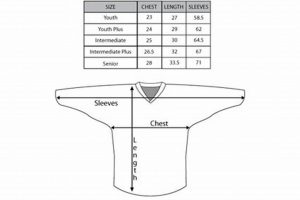
The interaction between sizing and protective value underscores the importance of precise measurement and fitting protocols. Goaltenders should consult sizing charts and seek professional fitting assistance to ensure optimal protection, mobility, and comfort on the ice. Proper attention to detail regarding size correctness will enhance safety and promote superior performance, reinforcing these aspects as essential pieces of protective equipment.
7. Proper Fit

Achieving a proper fit is paramount for effective function. Incorrectly fitted equipment compromises protection, impedes mobility, and reduces overall performance. The following aspects highlight the critical elements of fit in relation to maintaining player safety and efficacy.
- Anatomical Alignment and Coverage
Equipment must conform to the anatomical structure of the leg and knee joint to ensure complete coverage. Gaps in coverage expose vulnerable areas to injury from high-impact forces. Proper fit ensures that protective padding aligns with critical anatomical landmarks, mitigating injury risk. For example, if the protection is too short, the upper shin may be exposed, leading to potential contusions or fractures.
- Secure Positioning and Stability
Protection should remain securely positioned during play, without shifting or rotating. A loose or ill-fitting design allows the equipment to move out of alignment, leaving the knee exposed. Properly fitted equipment incorporates a secure strapping system that maintains stable positioning, even during dynamic movements, ensuring continuous protection throughout the game.
- Unrestricted Range of Motion
While providing comprehensive protection, must allow for a full range of motion, enabling the goaltender to execute necessary movements. Overly tight or restrictive equipment impedes mobility, hindering agility and reaction time. Correctly fitted equipment provides a balance between protection and flexibility, allowing for fluid movement without compromising safety. An example is performing the butterfly technique where binding or stiffness in the area would impair performance.
- Long-Term Comfort and Reduced Fatigue
A proper fit enhances comfort, reducing distractions and minimizing fatigue over extended periods of play. Ill-fitting equipment can cause discomfort, chafing, and pressure points, leading to decreased concentration and increased risk of injury. Properly fitted gear promotes a comfortable and secure fit, enabling the goaltender to maintain focus and endure prolonged gameplay without unnecessary discomfort or fatigue.
In essence, proper fit represents a cornerstone of protective efficacy. By ensuring anatomical alignment, secure positioning, unrestricted range of motion, and long-term comfort, it optimizes both safety and performance. Therefore, meticulous attention to sizing and fit is essential for all goaltenders seeking reliable protection and optimal performance on the ice.
Frequently Asked Questions
The following addresses common inquiries regarding the selection, use, and maintenance of protection for ice hockey goaltenders.
Question 1: How frequently should goalie hockey knee pads be replaced?
The replacement frequency depends on usage and condition. Regular inspection for damage, wear, and compression of padding is crucial. Typically, equipment should be replaced every 1-3 years, or sooner if compromised.
Question 2: What materials are commonly used in goalie hockey knee pads?
Common materials include high-density foams (e.g., EVA foam, polyethylene foam) for impact absorption, durable outer shells (e.g., nylon, synthetic leather) for abrasion resistance, and moisture-wicking fabrics (e.g., polyester) for comfort.
Question 3: How do I properly clean goalie hockey knee pads?
Cleaning typically involves removing loose debris, wiping down surfaces with a mild detergent solution, and allowing the pads to air dry completely. Harsh chemicals or machine washing should be avoided to prevent damage.
Question 4: What is the difference between internal and external goalie hockey knee pads?
Internal are worn inside the goaltender’s pants, providing a streamlined fit and integrated protection. External are worn outside the pants, offering additional padding and impact absorption. The choice depends on personal preference and desired level of protection.
Question 5: How important is the fit of goalie hockey knee pads?
Proper fit is paramount. Ill-fitting equipment can shift during play, exposing the knee to injury. Pads should fit snugly, allow for a full range of motion, and be securely fastened with straps or integrated systems.
Question 6: Are there specific goalie hockey knee pads designed for different levels of play?
Yes. Professional-level pads typically offer more advanced materials, enhanced protection, and greater customization options. Recreational pads may prioritize affordability and comfort. The level of play should guide the selection of appropriate equipment.
In summary, understanding the materials, fit, maintenance, and replacement considerations is essential for maximizing the protection and longevity of this equipment.
The next section provides a concluding overview of the topic.
Conclusion
This exploration has underscored the critical role of goalie hockey knee pads in protecting athletes involved in a high-impact sport. Essential factors such as impact absorption, range of motion, strap security, durability, fit, and material composition directly influence the efficacy of these protective devices. Understanding these elements is crucial for selecting equipment that adequately mitigates the risk of injury. The maintenance and timely replacement of worn protection further contribute to ensuring consistent safeguarding of the lower extremities.
Given the potential for severe knee injuries in ice hockey, it is imperative that players, coaches, and equipment managers prioritize the selection and upkeep of high-quality goalie hockey knee pads. Informed decision-making in this area represents a commitment to athlete well-being and the sustained health of participants in this demanding sport. Continuing advancements in materials science and design hold promise for further improvements in protection and performance, warranting ongoing attention and evaluation.
![Best Hockey Goalie Hats: [Brand] & More! | Your Ultimate Source for Hockey Updates, Training Guides, and Equipment Recommendations](https://ssachockey.com/wp-content/uploads/2026/02/th-262-300x200.jpg "Best Hockey Goalie Hats: [Brand] & More! Your Ultimate Source for Hockey Updates, Training Guides, and Equipment Recommendations")