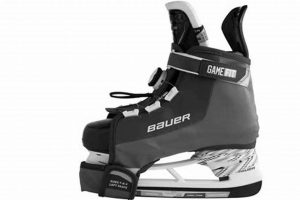
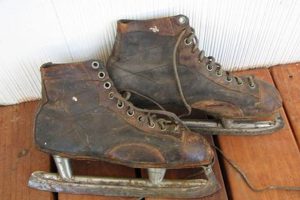
The maintenance and restoration of footwear specifically designed for ice hockey is a critical aspect of player performance and safety. This process involves addressing issues such as blade sharpening, holder replacement, boot repair, and rivet tightening. For example, replacing a damaged blade holder can prevent a player from losing an edge during a crucial moment in a game.
Proper upkeep of this specialized equipment enhances maneuverability, reduces the risk of injury, and extends the lifespan of the item. Historically, this was often performed by players themselves or local sporting goods stores. Today, specialized technicians and dedicated repair facilities are more common, providing advanced services such as heat molding and custom modifications to optimize fit and performance. The result is increased player confidence and maximized on-ice potential.
This article will delve into the specific techniques, tools, and considerations involved in ensuring these essential pieces of equipment are in optimal condition for peak performance. It will explore blade care, structural maintenance, and the impact of proper fitting and customization.
Essential Guidance for Ice Hockey Skate Maintenance
Maintaining the integrity of ice hockey footwear is paramount for optimal performance and injury prevention. The following guidelines provide critical information for ensuring the longevity and functionality of this essential equipment.
Tip 1: Blade Sharpening Frequency: Sharpening should occur regularly, typically every 4-8 hours of ice time. The frequency depends on ice quality, skating style, and player weight. Dull blades significantly reduce agility and control.
Tip 2: Blade Rust Prevention: After each use, blades must be thoroughly dried to prevent rust formation. Using a soft cloth and storing them outside of skate guards allows for adequate ventilation. Rust degrades blade performance and longevity.
Tip 3: Holder Inspection: Regularly inspect blade holders for cracks or damage. Even minor cracks can compromise structural integrity and lead to catastrophic failure during gameplay, resulting in potential injury. Replacement is crucial if any damage is detected.
Tip 4: Rivet and Eyelet Maintenance: Loose rivets and damaged eyelets compromise boot support and fit. Periodic tightening or replacement of these components is necessary to maintain ankle stability and prevent discomfort.
Tip 5: Boot Drying: The internal lining of the boot should be allowed to dry completely between uses. Removing the insole and using a boot dryer can significantly reduce moisture buildup, preventing bacterial growth and odor.
Tip 6: Professional Assessment: Seek professional assessment from a qualified skate technician at least once per season. Technicians can identify subtle issues and provide expert adjustments to optimize fit and performance.
Tip 7: Blade Alignment: Ensure proper blade alignment relative to the boot. Misalignment can lead to uneven wear, inefficient skating, and potential injury. A technician can properly align the blades for optimal performance.
Adhering to these guidelines contributes significantly to the longevity, performance, and safety of ice hockey footwear. Consistent maintenance maximizes on-ice potential and minimizes the risk of equipment-related issues.
The subsequent sections of this article will explore advanced techniques and considerations for comprehensive ice hockey footwear upkeep.
1. Blade Edge Integrity

Blade edge integrity is fundamental to the performance and safety of ice hockey footwear. It directly impacts a player’s ability to accelerate, turn, and maintain balance on the ice. As such, maintaining sharp, clean blade edges is a crucial aspect of ice hockey footwear maintenance and restoration.
- Sharpening Angle and Profile
The sharpening angle determines the bite and glide characteristics of the blade. A shallower angle provides more glide and speed, while a steeper angle offers greater bite for sharper turns and quicker stops. Improper sharpening, resulting in an inconsistent angle or profile, negatively impacts edge integrity and hinders performance. “Repair” includes selecting and maintaining the correct sharpening angle for the player’s style and playing surface.
- Burr Removal
Sharpening can create microscopic metal burrs along the edge of the blade. These burrs degrade edge quality, reducing grip and causing premature dulling. Effective maintenance necessitates the removal of these burrs using specialized honing tools. Improper removal can cause nicks which will require more frequent repair.
- Edge Deformities
Impact with hard objects, such as the boards or other blades, can cause nicks, dents, or bends in the blade edge. These deformities compromise integrity, leading to unpredictable skating and potential instability. Depending on the severity, damage may require blade repair or complete replacement. Repair of these types of defects is a highly specialized process.
- Rust and Corrosion
Exposure to moisture can lead to rust and corrosion, degrading edge sharpness and increasing friction. Regular drying and the application of protective coatings are essential for preventing these issues. Rust removal using specialized abrasives may be necessary to restore edge integrity in affected areas. Over time the blade can develop faults requiring complete repair.
The multifaceted nature of blade edge integrity necessitates a proactive approach to maintenance. Regular sharpening, burr removal, deformity correction, and rust prevention are all critical components of a comprehensive ice hockey skate upkeep strategy. Neglecting these aspects compromises player performance and increases the risk of injury.
2. Holder Structural Stability

Holder structural stability is a critical aspect of ice hockey footwear repair, directly influencing player safety and performance. The holder, connecting the blade to the boot, endures substantial stress during gameplay. Compromised integrity in this component directly correlates with an increased risk of falls and impaired maneuverability. For instance, a crack in the holder, often caused by impact with the boards or a puck, can lead to sudden blade detachment, resulting in potential injury and loss of control. Regular inspections and timely interventions are therefore essential for maintaining holder structural integrity.
Addressing instability requires assessing the type and extent of the damage. Minor cracks can sometimes be repaired with specialized adhesives, while more significant damage often necessitates complete holder replacement. The repair process involves careful removal of the old holder, ensuring proper alignment of the new holder, and secure attachment to the boot using rivets or screws. Furthermore, advancements in materials science have led to the development of holders with improved impact resistance and durability. Selecting appropriate replacement holders based on player weight, skill level, and playing style further enhances stability and reduces the likelihood of future repairs. Neglecting to address these maintenance issues directly undermines the functionality of the equipment.
In conclusion, maintaining holder structural stability is paramount for minimizing risks and optimizing performance in ice hockey. Prompt attention to damage, coupled with informed decisions regarding repair or replacement, contributes significantly to player safety and overall skating efficiency. A proactive approach to holder upkeep constitutes an integral element of comprehensive ice hockey skate maintenance.
3. Boot Seam Durability

Boot seam durability represents a critical factor in ice hockey skate repair, directly impacting the structural integrity and lifespan of the skate. Seam failure can lead to discomfort, reduced performance, and potential injury, necessitating timely and effective repair interventions.
- Seam Construction Methods
The method of seam construction significantly influences durability. Skates with double or triple stitching along high-stress areas exhibit greater resistance to tearing and separation compared to those with single-stitched seams. “Ice hockey skate repair” often involves reinforcing or restitching weakened seams using robust threads and techniques to enhance longevity.
- Material Degradation
Exposure to moisture, repetitive flexing, and abrasive forces contribute to material degradation within the seam area. Leather, synthetic materials, and adhesives can weaken over time, compromising the seam’s ability to withstand stress. Repair strategies may include replacing damaged materials with durable alternatives and applying protective coatings to mitigate further degradation.
- Stress Points and Load Distribution
Certain areas of the boot, such as the ankle region and the toe box, experience higher stress concentrations during skating. Weak seams in these locations are particularly prone to failure. Effective repair involves reinforcing these stress points with additional stitching or supportive overlays to improve load distribution and prevent future seam separation.
- Water Penetration and Freezing
Compromised seams allow water to penetrate the boot, leading to discomfort and accelerated material degradation. In cold conditions, this water can freeze, expanding and further stressing the seams. Seam repair often includes sealing the seams with waterproof adhesives to prevent water penetration and protect against freeze-thaw damage.
The interplay between seam construction, material integrity, stress distribution, and environmental factors underscores the importance of addressing boot seam durability in comprehensive ice hockey skate upkeep. Regular inspection, proactive reinforcement, and timely repair interventions contribute to extended skate lifespan, enhanced player comfort, and improved on-ice performance.
4. Rivet Secure Fastening

Rivet secure fastening is an indispensable component of ice hockey skate repair, directly impacting the structural integrity and functionality of the equipment. Rivets serve as the primary mechanical fasteners connecting the blade holder to the boot, and the boot components to each other. Compromised rivets, characterized by looseness, corrosion, or breakage, undermine the stability and responsiveness of the skate, leading to diminished performance and increased risk of injury. For instance, a loose rivet in the blade holder attachment can cause the blade to shift during skating, resulting in a loss of edge control and potentially causing a fall. The presence of corrosion weakens the rivet, increasing the probability of failure under stress.
The repair process involves a thorough assessment of rivet condition and securement. Loose rivets may be tightened or replaced entirely. Corrosion necessitates replacement to ensure structural integrity. The appropriate type of rivet typically copper or steel, chosen based on the specific application and the materials being joined must be selected. Secure fastening requires specialized tools and techniques to ensure proper compression and prevent damage to the surrounding materials. Misalignment during rivet installation can create stress points, hastening failure. Improperly installed rivets may cause rubbing against the players foot leading to discomfort and potential injury.
In summary, maintaining secure rivet fastening is an essential aspect of ice hockey skate maintenance. Neglecting this element compromises the overall structural integrity of the skate, negatively impacting performance and safety. Regular inspection and prompt attention to rivet-related issues are crucial for ensuring the equipment functions as intended and minimizing the risk of equipment-related accidents. Prioritizing rivet maintenance aligns with the broader objective of extending the lifespan of ice hockey skates and optimizing their performance.
5. Liner Sanitation Protocols
Maintaining the cleanliness and hygiene of ice hockey skate liners is intrinsically linked to the overall upkeep and longevity of the equipment. Adherence to appropriate sanitation protocols directly impacts material integrity, odor control, and the prevention of bacterial and fungal growth within the skate boot. This, in turn, affects player comfort, performance, and the lifespan of the skates, making it an essential element of a comprehensive approach to ice hockey skate repair and maintenance.
- Moisture Management and Drying Techniques
Moisture accumulation within skate liners provides an ideal environment for microbial proliferation. Effective liner sanitation necessitates the implementation of thorough drying techniques after each use. Removal of the insole, the use of boot dryers, or air drying in a well-ventilated area are crucial. Failure to adequately dry the liners contributes to material degradation and the development of unpleasant odors, ultimately shortening the lifespan of the boot and potentially requiring premature replacement.
- Antimicrobial Agents and Disinfectants
The application of antimicrobial agents and disinfectants can effectively inhibit the growth of bacteria and fungi within skate liners. Sprays or wipes containing these agents help to neutralize odors and prevent the development of skin infections. However, the selection of appropriate cleaning products is paramount; harsh chemicals can damage the liner materials, accelerating wear and compromising the structural integrity of the boot. Choosing products specifically designed for athletic footwear liners minimizes the risk of material damage while ensuring effective sanitation.
- Odor Control Strategies
Persistent odors within skate liners are often indicative of bacterial growth and material degradation. Implementing effective odor control strategies is crucial for maintaining hygiene and extending the usable lifespan of the skates. In addition to regular cleaning and drying, odor-absorbing inserts or sprays can help to neutralize unpleasant smells. Addressing the underlying causes of odor, such as moisture accumulation and bacterial growth, is essential for long-term odor control and overall skate health.
- Preventative Measures and Routine Cleaning
The most effective approach to liner sanitation involves implementing preventative measures to minimize moisture accumulation and bacterial growth. Wearing moisture-wicking socks, regularly cleaning the liners with appropriate products, and promptly addressing any signs of wear or damage are all crucial elements of a comprehensive sanitation protocol. Routine cleaning, even when no visible signs of dirt or odor are present, helps to maintain a hygienic environment within the skate boot and prolongs the life of the liners.
In conclusion, “liner sanitation protocols” are not merely a matter of hygiene; they represent an integral facet of comprehensive ice hockey skate maintenance. By prioritizing moisture management, antimicrobial treatment, odor control, and preventative cleaning, players and equipment managers can significantly extend the lifespan of their skates, enhance player comfort, and minimize the risk of equipment-related issues. Incorporating these protocols into a routine maintenance schedule is essential for maximizing the performance and longevity of ice hockey footwear.
Frequently Asked Questions
This section addresses common inquiries and concerns regarding the maintenance, restoration, and upkeep of ice hockey footwear. The information provided aims to clarify critical aspects of skate preservation and enhance understanding of proper repair procedures.
Question 1: How often should ice hockey skates be sharpened?
Sharpening frequency varies based on ice quality, skating style, and player weight. A general guideline is every 4-8 hours of ice time. Regular sharpening ensures optimal edge control and prevents premature blade wear.
Question 2: What are the indications that ice hockey skate blades require replacement?
Significant rust or corrosion, deep nicks or deformities, and excessive wear that reduces blade height below a safe threshold necessitate blade replacement. Continued use of compromised blades poses a safety risk.
Question 3: How should moisture be managed within ice hockey skate boots to prevent degradation?
Moisture should be addressed immediately after each use. Removing the insole, employing a boot dryer, or air drying in a well-ventilated area minimizes moisture accumulation, preventing bacterial growth and material breakdown.
Question 4: What steps should be taken if a crack is discovered in the blade holder?
Any crack in the blade holder compromises structural integrity and poses a significant safety risk. The holder must be replaced immediately. Attempting to repair a cracked holder is not recommended.
Question 5: Is it possible to repair loose or damaged rivets on ice hockey skates?
Loose rivets can be tightened or replaced by a qualified technician. Damaged or corroded rivets must be replaced to ensure secure attachment of the blade holder and boot components. Ignoring loose rivets risks blade detachment and potential injury.
Question 6: What cleaning agents are safe to use on ice hockey skate liners?
Only cleaning agents specifically designed for athletic footwear liners should be used. Harsh chemicals can damage the liner materials and reduce their lifespan. Antimicrobial sprays and wipes are effective for odor control and sanitation.
Proper maintenance and timely repair are crucial for extending the life of ice hockey skates and ensuring player safety. Neglecting upkeep can lead to diminished performance and increased risk of injury.
The next section will delve into advanced techniques for skate customization and optimization.
Conclusion
This article has systematically explored the critical facets of ice hockey skate repair, encompassing blade edge integrity, holder structural stability, boot seam durability, rivet secure fastening, and liner sanitation protocols. Each element demands diligent attention and proactive maintenance to ensure optimal performance and player safety. The interdependence of these components necessitates a holistic approach to skate upkeep.
Neglecting the principles outlined herein carries substantial risks. Compromised equipment undermines performance and elevates the potential for injury. Therefore, adherence to best practices in ice hockey skate repair is not merely a matter of convenience, but a fundamental responsibility for players, coaches, and equipment managers. Consistent maintenance ensures the longevity of the equipment and the well-being of those who rely upon it. Proper upkeep and repair are the foundation for both performance and safety.