Protective gear utilized in ice hockey, incorporating a high-strength para-aramid synthetic fiber, enhances player safety. This material, known for its exceptional tensile strength-to-weight ratio, is strategically integrated into various items. Examples include reinforced gloves, shin guards, and shoulder pads designed to mitigate the impact of collisions and errant pucks.
The integration of this robust material offers players significant advantages on the ice. The improved impact resistance contributes to a reduction in injuries, potentially prolonging careers. Furthermore, its lightweight nature avoids compromising player agility or maneuverability. Its adoption represents a significant advancement in player protection, evolving from traditional materials like leather and padding.
The subsequent sections will delve into the specific applications across different equipment types. Further examination will explore the performance characteristics and associated benefits. Finally, a comparison against alternative materials will highlight the advantages and limitations of this protective technology.
Essential Considerations for Enhanced Safety on Ice
The following guidelines offer essential considerations for those seeking to maximize protection during ice hockey activities. These tips emphasize the importance of informed decision-making when selecting and maintaining protective gear.
Tip 1: Assess Impact Resistance Ratings: Scrutinize the protective capabilities, paying attention to impact resistance certifications. Ensure that the gear meets or exceeds established safety standards.
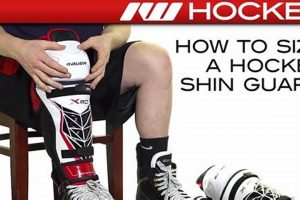
Tip 2: Prioritize Proper Fit: Acquire equipment that conforms precisely to the user’s measurements. Ill-fitting gear diminishes protective capacity and impairs freedom of movement.
Tip 3: Regularly Inspect for Damage: Conduct routine inspections for signs of wear, tears, or other compromise. Replace any equipment displaying damage immediately.
Tip 4: Focus on Coverage Area: Verify that equipment provides full and comprehensive coverage of vulnerable areas. Gaps in coverage can expose players to increased injury risk.
Tip 5: Balance Protection and Mobility: Consider the trade-off between the level of impact protection and the range of motion offered. Select gear that balances these factors for optimal performance.
Tip 6: Understand Material Composition: Inquire about the specific composition of the protective material. Knowing this will help to understand its properties and use cases.
Tip 7: Research and Select Reputable Brands: Brands with a proven track record of safety and durability typically offer greater assurance of quality and protective performance.
Adherence to these guidelines can significantly enhance the safety and well-being of participants in ice hockey. Choosing carefully selected and consistently maintained equipment contributes directly to a safer playing experience.
The concluding section will summarize the pivotal aspects of this discussion, reinforcing the significance of high-quality protective gear in ice hockey.
1. Impact Resistance

The primary function of protective gear in ice hockey is to mitigate the risk of injury resulting from forceful impacts. Equipment reinforced with high-strength para-aramid synthetic fibers directly addresses this need by enhancing the material’s ability to absorb and dissipate energy from collisions with other players, the boards, or, most notably, the puck. The incorporation of this synthetic fiber within the protective padding results in significantly improved performance against blunt force trauma compared to traditional materials like foam or plastic alone. For example, a player absorbing a direct hit from a slapshot, which can reach speeds exceeding 100 miles per hour, benefits substantially from the increased impact resistance, reducing the likelihood and severity of contusions, fractures, or concussions.
The degree to which this synthetic fiber enhances impact resistance is directly proportional to its integration within the equipment’s construction. Strategic placement in high-impact zones, such as shoulders, elbows, and knees, optimizes its protective capabilities. Moreover, the density and layering of the material further contribute to its overall effectiveness. For instance, a hockey glove utilizing multiple layers of this material, combined with specialized foam, can effectively protect the hand and wrist from slashes and blocked shots without compromising dexterity. This material properties allows manufactures to create a hockey protective gear with safety in mind.
The enhanced impact resistance provided by these fibers is not merely a theoretical advantage; it translates directly to tangible benefits on the ice. Players equipped with gear incorporating this synthetic fiber experience a reduced risk of injury, allowing them to play with greater confidence and aggression. The increased protection enables players to focus on the game without constant fear of serious injury, ultimately improving performance and potentially extending their careers. This improvement showcases safety and comfort when playing hockey game.
2. Weight Optimization

The integration of high-strength synthetic fibers into hockey protective gear presents a significant opportunity for weight optimization. Reducing the overall mass of equipment is critical for enhancing player agility, minimizing fatigue, and maximizing performance on the ice. The material’s inherent properties are instrumental in achieving this goal.
- Density Reduction
The featured fiber exhibits a notably high strength-to-weight ratio compared to traditional materials like plastics or heavy padding. Replacing bulkier components with this synthetic fiber allows for a reduction in overall equipment density without sacrificing protective capabilities. This translates to lighter shoulder pads, shin guards, and gloves, contributing to a less encumbered playing experience.
- Enhanced Agility
Lighter equipment directly impacts player agility and maneuverability. Reduced weight load allows for quicker movements, faster transitions, and improved reaction times on the ice. This is particularly important in a fast-paced sport where split-second decisions and rapid changes in direction are commonplace. Optimized gear contributes to a competitive advantage.
- Minimized Fatigue
The cumulative weight of hockey equipment can contribute significantly to player fatigue over the course of a game. Reducing the overall weight burden through material selection helps conserve energy, allowing players to maintain peak performance levels for longer periods. This is crucial in the later stages of a game when fatigue can impact decision-making and physical capabilities.
- Material Efficiency
The design is made with material efficency which is less volume than traditional protective materials while maintaining or exceeding safety standards. This is possible due to the high tensile strength and impact resistance of the synthetic fiber, which enables engineers to minimize bulk without compromising protection.
The facets of weight optimization, facilitated by the utilization of the fiber, provide a multifaceted benefit to hockey players. The reduction in equipment mass translates to improved agility, minimized fatigue, and enhanced overall performance. These advantages underscore the importance of material selection in the design and development of modern hockey protective gear.
3. Durability Enhancement

The incorporation of high-strength synthetic fibers within hockey protective gear directly addresses concerns related to equipment longevity and resistance to wear. The increased durability afforded by this material is a critical factor influencing equipment lifespan and overall value.
- Abrasion Resistance
Ice hockey is a physically demanding sport that exposes equipment to significant abrasion from skates, sticks, and the ice surface itself. The inclusion of synthetic fibers enhances the gear’s resistance to these abrasive forces, preventing premature wear and tear. For example, reinforced gloves are better equipped to withstand the constant friction against the stick and ice, extending their useful life.
- Tear Resistance
The tensile strength of the synthetic fiber contributes significantly to the tear resistance of protective equipment. This is particularly important in preventing rips and tears that can compromise the integrity of the gear and expose players to potential injury. Shin guards and shoulder pads incorporating this material are less susceptible to damage from impacts and collisions, maintaining their protective function over time.
- Impact Fatigue Mitigation
Repeated impacts, a common occurrence in ice hockey, can lead to fatigue and degradation of traditional materials. High-strength synthetic fibers, however, exhibit superior resistance to impact fatigue, maintaining their protective properties even after numerous high-force collisions. This ensures that the equipment continues to provide adequate protection throughout its lifespan.
- Resistance to Environmental Factors
Hockey equipment is frequently exposed to moisture, temperature fluctuations, and other environmental factors that can accelerate degradation. The hydrophobic nature of many synthetic fibers, combined with resistance to chemical breakdown, contributes to the equipment’s ability to withstand these environmental stressors. This helps prevent the growth of mold, reduces unpleasant odors, and prolongs the lifespan of the gear.
These contributing factors showcase the important effect of the fiber to improve hockey protection gear from outside effects, making it valuable and reliable to use. The incorporation of high-strength synthetic fibers provides a tangible increase in equipment lifespan. This is a key consideration for players seeking durable and reliable protective gear.
4. Flexibility Retention
While the high tensile strength and impact resistance of para-aramid synthetic fibers are paramount in hockey protective equipment, flexibility retention emerges as a crucial, yet sometimes overlooked, aspect of its effective implementation. The inherent rigidity of certain high-strength materials can impede a player’s range of motion, compromising agility and dexterity. Therefore, the successful integration of this synthetic fiber into hockey gear hinges on its ability to maintain a degree of flexibility that allows for natural movement. A well-designed shoulder pad, for example, must effectively absorb impact while permitting the player to freely raise and rotate their arms for stick handling and checking. Without adequate flexibility, the protective equipment becomes a hindrance, reducing performance and potentially increasing the risk of injury due to restricted movement.
The methods employed to retain flexibility while leveraging the protective qualities of the synthetic fiber are multifaceted. These involve strategic layering, material blending, and innovative construction techniques. For instance, manufacturers might combine panels of the fiber with flexible foams or fabrics in areas requiring greater mobility, such as the elbow joints or wrist areas. Furthermore, the orientation of the synthetic fiber within the composite material can be manipulated to optimize its flexibility in specific directions. This involves careful consideration of the weave pattern and the alignment of fibers to allow for bending and twisting without compromising structural integrity. An illustrative example is the design of hockey gloves, where the fingers and thumbs require a high degree of dexterity; specialized techniques are employed to maintain flexibility in these zones while still providing substantial protection against slashes and blocked shots.
In conclusion, flexibility retention is not merely an ancillary concern but an integral component of effective protective hockey equipment utilizing high-strength synthetic fibers. Balancing the need for robust impact protection with the requirement for unimpeded movement presents a design challenge that necessitates innovative material science and engineering. The success in achieving this balance directly impacts a player’s performance, safety, and overall playing experience. Future advancements in material technology will likely focus on further enhancing flexibility without sacrificing the superior protective properties of this fiber, pushing the boundaries of what is possible in hockey equipment design.
5. Cost Consideration

The incorporation of high-strength para-aramid synthetic fibers into ice hockey equipment directly influences the overall cost to the consumer. Due to the advanced materials science, specialized manufacturing processes, and rigorous testing required to ensure performance and safety standards are met, equipment utilizing this fiber typically commands a higher price point compared to traditional alternatives constructed from conventional plastics, foams, or textiles. This cost differential arises from the superior performance characteristics offered, including enhanced impact resistance, improved durability, and potential weight reduction, factors that contribute to player safety and longevity of the gear. For instance, a professional-grade shoulder pad incorporating this synthetic fiber may cost significantly more than a comparable entry-level model, reflecting the investment in advanced materials and manufacturing techniques. The cost consideration becomes a critical factor in the purchasing decision, particularly for amateur players, youth leagues, and organizations with budgetary constraints.
The economic implications extend beyond the initial purchase price. While the upfront investment may be substantial, the extended lifespan and reduced frequency of replacement associated with more durable equipment can result in long-term cost savings. Furthermore, the potential for minimizing injuries through enhanced protection translates to lower medical expenses and lost playing time. However, assessing the true cost-benefit ratio requires a thorough evaluation of individual needs, playing frequency, and acceptable risk levels. For example, a recreational player who participates infrequently may find that a less expensive, albeit less durable, option adequately meets their needs. Conversely, a competitive player who faces frequent high-impact situations may prioritize the superior protection and extended lifespan offered by gear incorporating the synthetic fiber, justifying the higher initial investment. Moreover, considerations regarding the technology’s recyclability may contribute to the life cycle costs and environmental footprint. The maintenance and care requirements of gear using this fiber also affect its overall cost of ownership.
Ultimately, cost consideration represents a significant element in the decision-making process when selecting hockey equipment. While the superior protective qualities and enhanced durability of high-strength synthetic fiber-reinforced gear are undeniable, the associated price premium must be weighed against individual needs, budget constraints, and long-term cost-benefit analysis. The industry faces the continuing challenge of innovating manufacturing processes and material sourcing to reduce production costs, thereby making advanced protective technologies more accessible to a wider range of players. Furthermore, educational initiatives focused on the long-term economic and safety benefits of investing in quality equipment can empower consumers to make informed purchasing decisions that prioritize both performance and financial responsibility.
Frequently Asked Questions Regarding Hockey Gear Reinforced with Aramid Fiber
The following addresses common inquiries concerning the application and benefits of high-strength synthetic fiber, specifically aramid fiber, in hockey protective equipment. These questions aim to provide clarity and informed perspectives on this advanced technology.
Question 1: What specific performance benefits does the synthetic fiber impart to hockey equipment?
The addition of this synthetic fiber enhances impact resistance, increases durability, and offers potential for weight reduction. This translates to improved protection, extended equipment lifespan, and optimized player agility.
Question 2: Is the integration of this synthetic fiber a standard feature across all levels of hockey equipment?
No. The use of this synthetic fiber is more prevalent in higher-end, professional-grade equipment. Entry-level options may utilize alternative materials to maintain affordability.
Question 3: Does equipment incorporating this synthetic fiber require specialized maintenance procedures?
Generally, no specialized maintenance is required. Routine cleaning and proper storage are sufficient. However, manufacturers’ guidelines should always be consulted for specific care instructions.
Question 4: How does the protective capability of equipment using this synthetic fiber compare to traditional materials?
Equipment reinforced with this synthetic fiber typically offers superior impact resistance compared to equipment made solely from traditional materials like foams and plastics. Testing standards demonstrate the performance advantages.
Question 5: Does the inclusion of this synthetic fiber significantly impact the flexibility and range of motion afforded by the equipment?
While the synthetic fiber itself is rigid, strategic design and material blending techniques mitigate any negative impact on flexibility. High-quality equipment balances protection and mobility effectively.
Question 6: Is equipment employing the synthetic fiber significantly more expensive than alternatives, and is the increased cost justifiable?
Yes, the synthetic fiber generally leads to a higher price point. Justification depends on individual needs, playing frequency, and the perceived value of enhanced protection and durability. A cost-benefit analysis is recommended.
The preceding answers provide a foundational understanding of the properties and applications of the synthetic fiber in hockey protective gear. Informed decision-making is essential when selecting equipment that prioritizes both performance and safety.
The final section will present a concluding summary, emphasizing the paramount importance of high-quality protective equipment in the context of ice hockey.
Conclusion
This exploration of kevlar hockey equipment has elucidated its pivotal role in player safety. The enhanced impact resistance, optimized weight, durability, and strategic flexibility represent significant advancements over traditional materials. While cost considerations remain, the long-term benefits of injury reduction and extended equipment lifespan warrant careful evaluation.
The integration of advanced materials such as kevlar signifies an ongoing commitment to mitigating risk within the inherently physical sport of ice hockey. Continued research and development are essential to further improve safety standards and accessibility. Prioritizing protective equipment is not merely a matter of compliance but a fundamental obligation to safeguard athletes’ well-being, ensuring the integrity of the game.