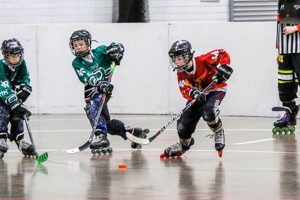
Protective headgear designed for young ice hockey players constitutes a crucial piece of safety equipment. These specialized helmets are engineered to mitigate the risk of head injuries, including concussions, during participation in the sport. Typically constructed from impact-resistant materials and incorporating energy-absorbing liners, the equipment undergoes rigorous testing to meet established safety standards.
The utilization of appropriate head protection offers considerable advantages in reducing the severity of potential head trauma. Historical data demonstrates a correlation between the implementation of mandatory helmet use in youth hockey and a decrease in head injury incidence. Furthermore, the equipment instills confidence in young athletes, allowing them to focus on skill development and enjoyment of the game without undue concern for potential injury. Adherence to safety regulations ensures standardized levels of protection across all participants.
A detailed examination of various aspects pertaining to this equipment, including size selection, adjustment procedures, proper maintenance, and relevant safety certifications, will be presented in subsequent sections. This will further clarify the importance of choosing the right head protection and maintaining its optimal condition for the safety and well-being of young hockey players.
Protective Headgear Guidance
The following guidelines aim to assist in the selection, fitting, and maintenance of protective headgear for young hockey participants, thereby maximizing its efficacy in preventing head injuries.
Tip 1: Size Assessment. Accurate measurement of the player’s head circumference is paramount. Consult the manufacturer’s sizing chart to determine the appropriate helmet size, ensuring a snug yet comfortable fit without excessive pressure points.
Tip 2: Proper Fitting Procedure. Place the helmet squarely on the head, ensuring the front edge sits approximately one finger-width above the eyebrows. Adjust the chinstrap to a secure, comfortable position, allowing for minimal vertical or lateral movement of the helmet.
Tip 3: Liner and Padding Inspection. Regularly inspect the helmet’s internal padding and liner for signs of wear, compression, or damage. Replace worn or damaged components promptly to maintain optimal impact absorption capabilities.
Tip 4: Chin Strap Adjustment. The chin strap should be adjusted to allow for minimal vertical movement when the mouth is opened. Excessive slack reduces the helmet’s ability to stay securely in place during impact.
Tip 5: Routine Maintenance Protocol. Clean the helmet’s interior and exterior surfaces regularly with mild soap and water. Avoid using harsh chemicals or abrasive cleaners, which may degrade the helmet’s materials.
Tip 6: Safety Certification Compliance. Ensure the headgear meets the current safety standards established by organizations such as the Hockey Equipment Certification Council (HECC) and the Canadian Standards Association (CSA). Look for the certification sticker on the helmet.
Tip 7: Avoid Modifications. Refrain from making any unauthorized modifications to the headgear, including drilling holes or removing components. Such alterations may compromise the helmet’s structural integrity and void any warranty.
Adhering to these guidelines promotes optimal head protection, minimizing the risk of injury and enabling young hockey players to participate safely and confidently.
The subsequent section will delve into the long-term care and replacement considerations essential for continued safety.
1. Protection

Head protection in youth hockey directly correlates with the mitigation of potential injuries. The effectiveness of this protection hinges on several key facets, each playing a critical role in ensuring player safety.
- Impact Absorption Capacity
The primary function of protective headgear is to absorb and dissipate the force of impacts, thereby reducing the energy transmitted to the head. This capacity is directly related to the materials used in construction, including the outer shell and inner liner. High-density foams and specialized polymers are often employed to maximize impact absorption. Independent laboratory testing assesses a helmet’s ability to meet established safety standards, providing quantifiable data regarding its protective capabilities.
- Coverage Area
The extent of the protective coverage provided by the helmet is a crucial factor. A comprehensive design should protect not only the crown of the head but also the temples, occipital region, and forehead. Gaps in coverage can create vulnerable areas susceptible to injury. The helmet’s design must adequately address these potential points of impact to provide effective all-around protection.
- Fit and Stability
Even with advanced impact-absorbing materials, a poorly fitting or unstable headgear offers diminished protection. Proper fit ensures the helmet remains securely positioned during play, preventing displacement upon impact. An adjustable system, including chinstraps and internal padding, is essential for achieving a customized and secure fit, accommodating variations in head size and shape.
- Concussion Prevention Technology
Emerging technologies are increasingly integrated into helmets to further mitigate the risk of concussions. These include systems designed to reduce rotational forces transmitted to the brain during oblique impacts. By minimizing rotational acceleration, these technologies aim to provide an additional layer of protection beyond traditional linear impact absorption. The scientific efficacy of these technologies continues to be an area of ongoing research and development.
These facets collectively contribute to the overall protective capability of headgear, significantly influencing the safety and well-being of young hockey participants. The selection of equipment that incorporates these protective elements represents a critical decision in mitigating the risk of head injuries within the sport.
2. Fit

The relationship between fit and head protection efficacy is paramount in the context of youth hockey. The design of a helmet incorporates specific materials and construction techniques intended to attenuate impact forces. However, the effectiveness of these features is contingent upon proper fit. A helmet that is too large, too small, or improperly positioned will not perform as intended, potentially increasing the risk of injury.
Improper fit can compromise the helmet’s ability to absorb and distribute impact energy evenly. For instance, a helmet that is too large may shift upon impact, exposing areas of the head to direct force. Conversely, a helmet that is too small may exert excessive pressure on specific points, leading to discomfort and potentially hindering blood circulation. A properly fitted helmet should sit squarely on the head, covering the forehead and occipital region without excessive movement or gaps. The chinstrap must be adjusted to ensure a snug but comfortable fit, preventing the helmet from dislodging during activity. Real-world scenarios illustrate the importance of this: observational studies of youth hockey games have shown that improperly fitted helmets are more likely to come off during collisions, leaving players vulnerable to head injuries.
Therefore, meticulous attention to helmet fit is non-negotiable. Regular assessments of helmet fit are essential, particularly as young players grow and their head size changes. A comprehensive understanding of helmet sizing guidelines and adjustment mechanisms is critical for coaches, parents, and equipment managers. Ensuring a proper fit is not merely a matter of comfort; it is a fundamental aspect of maximizing the protective capabilities of the headgear and safeguarding the well-being of young athletes. Failure to address fit effectively undermines the very purpose of wearing a helmet.
3. Certification

Certification plays a critical role in ensuring the safety and performance of protective headgear utilized in youth hockey. This process involves rigorous testing and assessment by independent organizations to verify that the equipment meets established safety standards. Compliance with these standards is essential for minimizing the risk of head injuries among young athletes.
- HECC Standards Compliance
The Hockey Equipment Certification Council (HECC) sets performance criteria for hockey helmets in the United States. Headgear bearing the HECC certification mark has undergone standardized testing to demonstrate its ability to withstand specific impact forces. The presence of this certification indicates that the equipment complies with federal regulations and provides a defined level of protection. The HECC standard includes rigorous testing to ensure adequate protection against skull fractures and concussions. A helmet without HECC certification should not be used in organized hockey within the USA.
- CSA Group Approval
In Canada, the CSA Group (formerly the Canadian Standards Association) is a leading organization responsible for setting safety standards and certifying hockey helmets. Helmets bearing the CSA mark have been tested and assessed to meet Canadian safety requirements. CSA certification signifies that the equipment provides a defined level of protection in accordance with Canadian regulations and standards. This certification is mandatory for participation in organized hockey leagues within Canada, ensuring a baseline level of safety for all players.
- Testing Protocols and Impact Assessment
The certification process involves subjecting helmets to a series of impact tests designed to simulate real-world hockey scenarios. These tests assess the helmet’s ability to absorb and dissipate impact energy, reducing the force transmitted to the head. Testing protocols specify the impact velocities, drop heights, and impact locations used to evaluate helmet performance. Certified headgear must meet predefined performance thresholds in these tests to achieve certification. The detailed test results are often kept confidential by the certification bodies to prevent reverse engineering and maintain the integrity of the standards.
- Labeling and Traceability
Certified headgear is clearly labeled with the certification mark of the relevant organization (HECC or CSA) and often includes a date of manufacture. This labeling allows consumers to verify the helmet’s certification status and trace its production history. The date of manufacture is particularly important, as helmets have a limited lifespan and should be replaced after a specified period, typically five to ten years, regardless of their apparent condition. This ensures that the protective materials maintain their integrity and effectiveness over time.
The existence of standardized testing and certification procedures provides a vital framework for ensuring the safety of protective headgear. Adherence to these standards, as evidenced by the presence of HECC and CSA certification marks, offers assurance to players, parents, and coaches that the equipment has met rigorous performance criteria and provides a defined level of protection. Prioritizing certified equipment contributes significantly to minimizing the risk of head injuries in youth hockey.
4. Adjustability

Adjustability represents a crucial design element in protective headgear for young hockey participants. Its presence allows for a customized fit, accommodating variations in head size and shape, and ensuring the helmet remains securely positioned during play. The degree and nature of adjustability significantly impact the equipment’s effectiveness in mitigating head injuries.
- Circumferential Adjustment Systems
Circumferential adjustment systems, often implemented via tool-free mechanisms such as dials or sliding locks located at the rear of the helmet, enable precise tuning of the helmet’s internal diameter. This capability is essential for accommodating growth spurts and ensuring a snug, comfortable fit across a range of head sizes. An inadequately adjusted helmet may shift during impact, reducing its protective capabilities. For example, a helmet that is too large, even by a small margin, can rotate upon impact, leaving areas of the head vulnerable. Circumferential adjustment systems mitigate this risk by providing a fine-tuned fit.
- Vertical Adjustment Capabilities
Vertical adjustment mechanisms alter the height of the internal harness or padding system relative to the helmet shell. This feature allows the helmet to accommodate variations in head shape, ensuring the helmet sits properly on the head with the front edge positioned approximately one finger-width above the eyebrows. Improper vertical positioning can lead to discomfort and reduced protection. Helmets that sit too low may obstruct vision, while those that sit too high expose the forehead. Vertical adjustment addresses these issues by optimizing the helmet’s position on the head.
- Chinstrap Adjustability and Functionality
The chinstrap plays a critical role in maintaining the helmet’s stability during play. Adjustable chinstraps, featuring buckles or clips, allow for precise tensioning to ensure a secure fit without causing discomfort or restricting movement. An improperly adjusted chinstrap can compromise the helmet’s effectiveness in two ways: a strap that is too loose will allow the helmet to dislodge during impact, while a strap that is too tight can cause discomfort and potentially hinder breathing. Optimal chinstrap adjustment is critical for preventing helmet displacement and ensuring the helmet remains in place during collisions.
- Internal Padding Configuration and Customization
Removable and replaceable internal padding allows for further customization of the helmet’s fit. Different thicknesses of padding can be strategically placed to accommodate individual head shapes and provide additional comfort. Padding can be particularly useful in addressing pressure points or filling gaps to ensure a snug and secure fit. The ability to customize padding contributes to overall comfort and stability, enhancing the helmet’s protective performance. Additionally, the replaceability of padding allows for maintenance and hygiene, extending the helmet’s lifespan.
The multifaceted adjustability features incorporated into modern protective headgear are fundamental to maximizing the equipment’s effectiveness. By accommodating variations in head size, shape, and individual preferences, adjustability ensures a secure, comfortable, and protective fit, thereby reducing the risk of head injuries in youth hockey.
5. Durability
The longevity and sustained protective capacity of headgear designed for young hockey players are directly linked to its inherent resistance to degradation over time. This characteristic is fundamental to ensuring continued safety throughout the equipment’s intended lifespan.
- Material Composition and Resistance to Impact Degradation
The selection of materials significantly influences the helmet’s ability to withstand repeated impacts without compromising its structural integrity. High-density polyethylene (HDPE) and polycarbonate are commonly used for outer shells due to their impact resistance. Expanded polypropylene (EPP) and expanded polystyrene (EPS) are often utilized as inner liners for their energy-absorbing properties. Over time, repeated impacts can lead to microfractures, compression, and a reduction in the materials’ ability to absorb energy. Consequently, the composition of these materials and their resistance to degradation under stress are critical determinants of durability. Real-world examples show that helmets constructed with lower-quality materials exhibit a shorter lifespan and a diminished capacity to protect against head injuries following repeated impacts.
- Environmental Factors and Material Breakdown
Exposure to environmental elements, such as ultraviolet (UV) radiation, temperature fluctuations, and moisture, can accelerate the breakdown of materials used in headgear construction. UV radiation can cause polymers to degrade, leading to brittleness and a reduction in impact resistance. Temperature extremes can induce expansion and contraction, resulting in stress cracks. Moisture can promote the growth of mold and mildew, which can damage the internal padding and compromise hygiene. Therefore, a durable helmet must be constructed from materials that exhibit resistance to these environmental factors to maintain its protective properties over time. Helmets stored improperly or exposed to harsh conditions will likely experience accelerated degradation and a reduced service life.
- Construction Techniques and Structural Integrity
The manufacturing processes employed in assembling the helmet contribute significantly to its overall durability. Robust construction techniques, such as reinforced seams and secure bonding of components, enhance the helmet’s ability to withstand the stresses of repeated use. The integration of the outer shell and inner liner is particularly critical, as a secure bond is essential for distributing impact forces effectively. Helmets with poorly constructed seams or inadequate bonding are more susceptible to structural failure and a reduction in protective capacity. Quality control measures during manufacturing are essential for ensuring consistent structural integrity across all units.
- Wear and Tear from Routine Use
Regular use of headgear inevitably leads to wear and tear, including scratches, abrasions, and compression of internal padding. These forms of wear can gradually diminish the helmet’s protective capabilities. Scratches and abrasions on the outer shell can weaken the material and make it more susceptible to cracking. Compression of the internal padding reduces its ability to absorb impact energy. Regular inspection and maintenance, including cleaning and replacement of worn components, are essential for mitigating the effects of wear and tear and prolonging the helmet’s lifespan. Helmets that are subjected to heavy use or are not properly maintained will exhibit accelerated wear and a shorter service life.
Collectively, material composition, environmental resistance, construction techniques, and wear-related factors determine the overall durability of protective headgear for young hockey participants. Selection of equipment that prioritizes these aspects, coupled with diligent maintenance and inspection, is essential for ensuring continued safety throughout the helmet’s lifespan.
6. Visibility

Visual acuity and peripheral awareness are paramount for young hockey players navigating the dynamic environment of the rink. The design and features of headgear can either enhance or impede a player’s ability to see and react to surrounding stimuli. Consequently, the consideration of this aspect is integral to selecting appropriate safety equipment.
- Peripheral Vision Optimization
The helmet’s design should minimize obstruction of peripheral vision, allowing players to maintain awareness of teammates, opponents, and rink boundaries. A wide field of view enables quicker reaction times and improved decision-making. The presence of thick side padding or a narrow eye opening can restrict peripheral awareness, increasing the risk of collisions and injuries. Equipment manufacturers increasingly employ designs that prioritize an unobstructed field of view to enhance situational awareness.
- Face Mask or Visor Clarity
When a full face mask or visor is utilized, the clarity and optical quality of the material become critical. Scratches, fogging, or distortions can impair vision, hindering a player’s ability to track the puck and perceive the position of other players. Regular cleaning and replacement of damaged visors are essential for maintaining optimal visual clarity. Anti-fog coatings can further enhance visibility in humid or cold conditions. The material should also be impact-resistant to provide adequate protection without compromising optical quality.
- Color Contrast and Environmental Adaptation
The color of the helmet and any attached accessories can influence visibility, particularly in varying lighting conditions. Bright colors can enhance a player’s visibility to teammates and officials, while darker colors may reduce contrast against the rink surface or boards. The choice of color should consider the typical lighting conditions of the rink and the need for clear visual differentiation. Adjusting equipment based on the rink environment can further enhance visibility and reduce the risk of misidentification.
- Helmet Fit and Stability Influence on Visual Field
An improperly fitted helmet can shift during play, obstructing the player’s field of view. A helmet that is too large may rotate upon impact, while one that is too small may ride up, limiting visibility. Proper helmet fit and secure chinstrap adjustment are essential for maintaining a stable visual field and preventing obstruction. Regular assessment of helmet fit is crucial, especially as young players grow, to ensure the equipment continues to provide optimal visual clarity and protection.
The interplay between these factors collectively determines the extent to which a helmet enhances or detracts from a young hockey player’s visual capabilities. Prioritizing designs that maximize peripheral vision, maintain optical clarity, and ensure a stable fit is essential for promoting safety and enhancing performance on the ice.
7. Maintenance
Consistent upkeep of protective headgear directly impacts its efficacy and lifespan. The intended protective characteristics of headgear are diminished by neglect. For instance, accumulated sweat degrades internal padding, reducing its capacity for impact absorption. Regular cleaning mitigates this effect, preserving the helmet’s ability to provide protection. Furthermore, inspecting the outer shell for cracks or damage after impacts is crucial. Undetected damage can compromise the helmet’s structural integrity, increasing the risk of injury in subsequent collisions. A hockey coach noticing a crack in one of his players helmet, replaced the helmet to avoid injuries.
Proper storage also constitutes a critical aspect of maintenance. Storing headgear in direct sunlight or extreme temperatures accelerates material degradation. UV radiation weakens the outer shell, reducing its impact resistance. Extreme heat can distort the internal padding, altering its fit and protective qualities. Storing the helmet in a cool, dry place protects its material properties. For example, regularly wiping down the helmet after use and storing it in a gear bag away from direct sunlight can significantly extend its lifespan. Regular chinstrap care and inspection extend protection too.
In summary, the consistent implementation of maintenance procedures safeguards the protective qualities. Neglecting maintenance diminishes the headgear’s protective capacities, potentially leading to increased injury risks. Prioritizing regular inspection, cleaning, and appropriate storage maximizes the effectiveness of headgear. The lack of care of a helmet reduces the helmet protection level, increasing risk for injury, as head protection is the most important protection for this sport.
Frequently Asked Questions
The following questions and answers address common concerns and misconceptions regarding protective headgear for youth hockey participants.
Question 1: What certifications should be sought when purchasing a hockey helmet?
Headgear intended for use in organized hockey within the United States should bear the Hockey Equipment Certification Council (HECC) certification mark. In Canada, the CSA Group (formerly the Canadian Standards Association) certification is mandatory. These certifications signify compliance with established safety standards.
Question 2: How often should a hockey helmet be replaced?
Headgear typically has a lifespan ranging from five to ten years from the date of manufacture, regardless of visible condition. Following a significant impact, immediate replacement is recommended, even if no visible damage is apparent.
Question 3: How is the correct size determined?
Measurement of the player’s head circumference is necessary. Consult the manufacturer’s sizing chart to determine the appropriate helmet size based on these measurements. The helmet should fit snugly without causing discomfort or pressure points.
Question 4: How should a hockey helmet be cleaned?
The helmet’s interior and exterior surfaces should be cleaned regularly with mild soap and water. Harsh chemicals or abrasive cleaners should be avoided, as they may degrade the helmet’s materials.
Question 5: What are the key indicators of an improperly fitted helmet?
Indicators of an improper fit include excessive movement of the helmet on the head, discomfort or pressure points, obstruction of vision, and a chinstrap that cannot be securely fastened. A helmet that dislodges easily is improperly fitted.
Question 6: Can modifications be made to a hockey helmet to improve comfort or ventilation?
Unauthorized modifications, such as drilling holes or removing components, are strongly discouraged. Such alterations may compromise the helmet’s structural integrity and void any warranty. Any modifications should be performed by a qualified technician following manufacturer guidelines.
Selecting appropriate equipment and adhering to established maintenance procedures are paramount for ensuring the safety and well-being of young hockey players.
The subsequent section will provide a conclusive summary encompassing the key considerations presented throughout this article.
Conclusion
The comprehensive analysis underscores the multifaceted considerations inherent in selecting and maintaining protective headgear for young participants in ice hockey. Factors ranging from certification standards and fitting procedures to material durability and visual considerations directly influence the equipment’s effectiveness in mitigating the risk of head injuries. Proper assessment, diligent maintenance, and unwavering adherence to safety guidelines are paramount in ensuring the sustained protective capability of this critical safety component. Deviation from established protocols undermines the equipment’s intended function and jeopardizes the well-being of young athletes.
Acknowledging the gravity of potential head trauma, prioritizing rigorous equipment evaluation, and committing to comprehensive player education are essential steps in fostering a safer environment for youth hockey. Continued research and technological advancements in protective materials, coupled with stringent enforcement of safety regulations, represent critical avenues for further minimizing the incidence and severity of head injuries. The responsibility for safeguarding the health and safety of young athletes rests collectively upon equipment manufacturers, coaches, parents, and governing bodies.